
Reviewed · WORKSHOPS
Bean to Bar: Cocoa and Chocolate Workshop
Chocolate tells Colombia’s story. This 105-minute workshop in Bolívar takes you from cacao bean to finished treat, with a close look at roasting, separation, cacao varieties, and the work inside a real chocolaterie. I like the hands-on chocolate making and the chance to taste several percentages and origins, from 40% white chocolate to 100% pure cocoa. I also like that the class is private, with instruction in English or Spanish.
The main consideration is the $101 price per person. That is a serious spend for less than two hours, especially if you want a long factory tour. Also, people with food allergies should not book, and some preparation may be completed before you arrive. Still, for a rainy afternoon or a focused taste of local Colombian food culture, this is a tasty and useful activity.
In This Review
- Key points at a glance
- Starting near Arsenal Street in Bolívar
- The first look at a Colombian chocolaterie
- From cacao bean to chocolate flavor
- Putting on an apron and making your own treats
- What makes the private format useful
- The strongest reason to book: the chocolate you make
- Is $101 worth it for 105 minutes?
- Who will enjoy this chocolate workshop?
- Practical tips for a smoother visit
- Should you book the Bean to Bar workshop?
- FAQ
- Where does the chocolate workshop meet?
- How long does the activity last?
- What languages are available?
- Is the workshop private?
- What types of chocolate will I taste?
- Can people with food allergies participate?
Key points at a glance
- A real working chocolaterie: Begin in a two-story pink building near Arsenal Street, then enter the local chocolate production area.
- Five chocolate styles to taste: Try white chocolate at 40%, milk chocolate at 46%, dark chocolate at 80%, pure cocoa at 100%, plus blended versions.
- A 105-minute private class: Your group gets personal attention rather than joining a large public session.
- Cacao from bean to bar: See how roasting and separation shape the final flavor, and learn why cacao varieties matter in Colombia.
- Make your own chocolate: With an artisan’s guidance, create bonbons, truffles, or chocolate bars.
- A strong rainy-day choice: The entire activity takes place indoors, making it useful when Cartagena’s weather turns wet.
Starting near Arsenal Street in Bolívar
The meeting point is easy to recognize once you know what to look for. At the beginning of Arsenal Street, around the corner from the convention center, find a two-story pink building with wooden barrels outside. The barrels promote free hugs, so this is not the sort of doorway you should miss by staring only at street numbers.
When you arrive, the host takes you to the exact room where the workshop happens. That extra handoff matters because the meeting point and the production space are not described as exactly the same place. I would arrive a little early, find the pink building, and have the confirmation email and phone used for booking available.
The workshop is offered in English or Spanish. Since the experience deals with roasting, cacao percentage, separation, and chocolate production, clear instruction adds real value. If your group has questions, the private format should make it easier to stop and ask instead of trying to catch a guide’s explanation from the back of a crowded room.
More Drinking Tours in Cartagena
- Cartagena: Sunset Cruise with Open Bar
★ 4.7 · 514 reviews - Cartagena: Pub Crawl with Dancing Lessons and Free Shots
★ 4.2 · 211 reviews - Cartagena de Indias: Sunset Cruise Open Bar with Dance Show
★ 4.1 · 76 reviews
The first look at a Colombian chocolaterie
The class begins with an introduction to a fully equipped chocolaterie. You get a look at the machinery and the work area used to turn cacao into chocolate. This is more useful than a simple tasting because you can connect the finished flavor to the equipment and steps that produce it.
The machinery may be quiet during part of your visit. One Sunday class took place when nobody was actively working in the production area, although the group still had full access to see it. That is worth knowing if you expect a busy factory floor with staff moving from station to station.
I would treat this part as a behind-the-scenes orientation, not a guarantee of live production at every moment. Some steps are completed ahead of time so the class can stay within its 105-minute schedule. That saves time and keeps the workshop moving, but it also means you may not watch every stage from start to finish.
From cacao bean to chocolate flavor
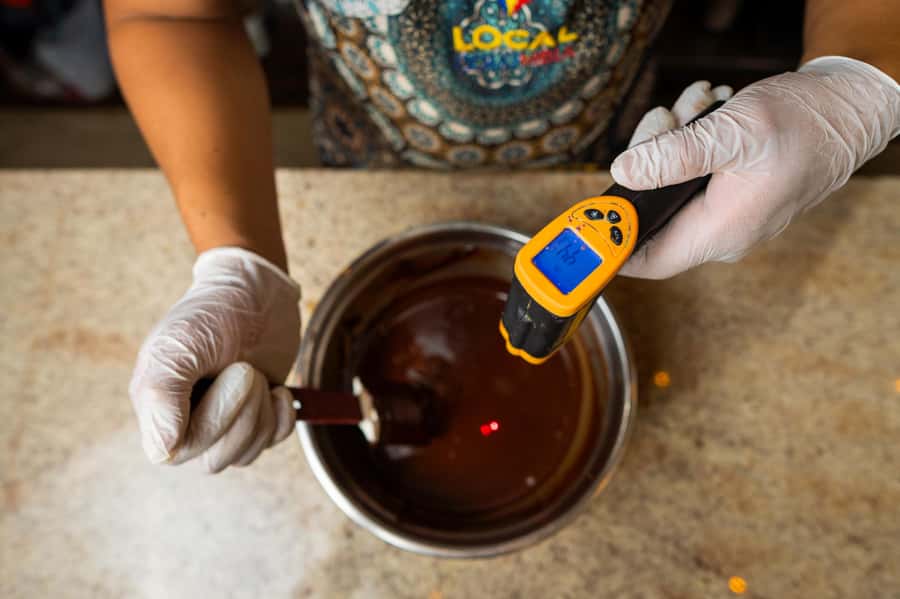
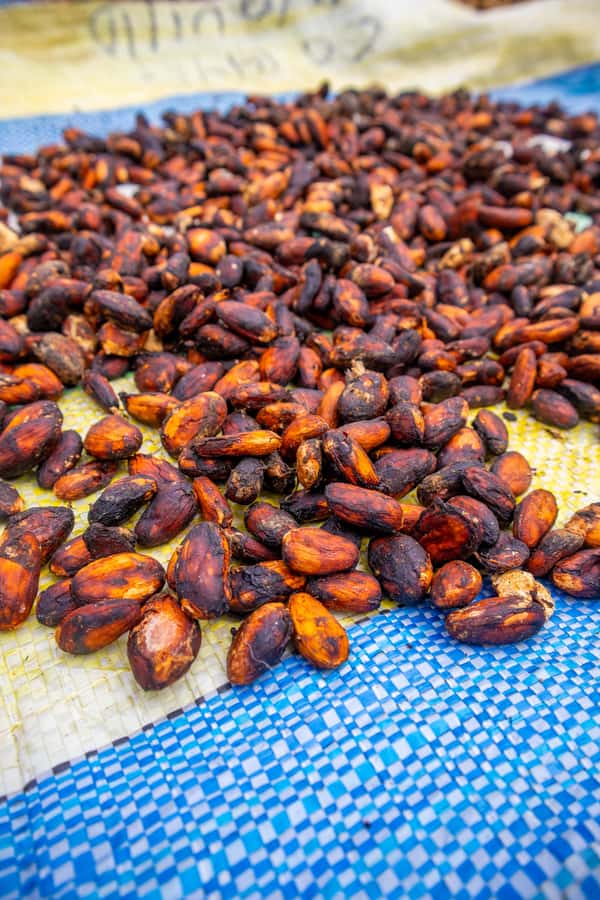
The most educational part is the explanation of how cacao changes as it moves toward chocolate. You learn about roasting and separation, two steps that help explain why different chocolates taste and feel so different.
Roasting is not just a bit of kitchen theater. It affects the aroma and flavor that come forward in the finished chocolate. Separation helps show how the bean is broken down and prepared for later stages. The class also places different cacao varieties in a national Colombian context, giving you a better sense of why origin and variety matter.
That national focus makes this more than a generic chocolate-making lesson. Colombia is presented through one of its important food products, not through a broad lecture about the country. You get a practical connection between agricultural variety, local production, and the chocolate in front of you.
The tasting range is particularly helpful:
- White chocolate at 40%
- Milk chocolate at 46%
- Dark chocolate at 80%
- Pure cocoa at 100%
- Blends made from different percentages or origins
These percentages give you a useful flavor ladder. The 40% white chocolate should offer the mildest profile in the group, while 100% pure cocoa is likely to be much more intense and bitter. The 80% dark chocolate gives you a strong comparison, and the 46% milk chocolate helps bridge the gap between sweeter and more concentrated styles.
I would not rush this tasting. Pay attention to aroma, sweetness, bitterness, texture, and aftertaste. You do not need formal tasting vocabulary. It is enough to notice which chocolate you prefer and what changes as the cocoa percentage rises.
Putting on an apron and making your own treats
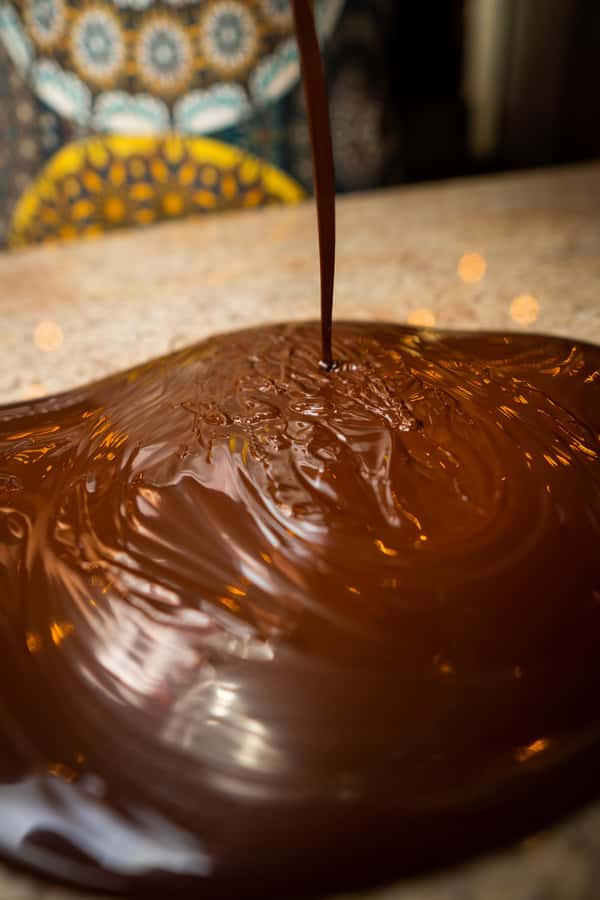
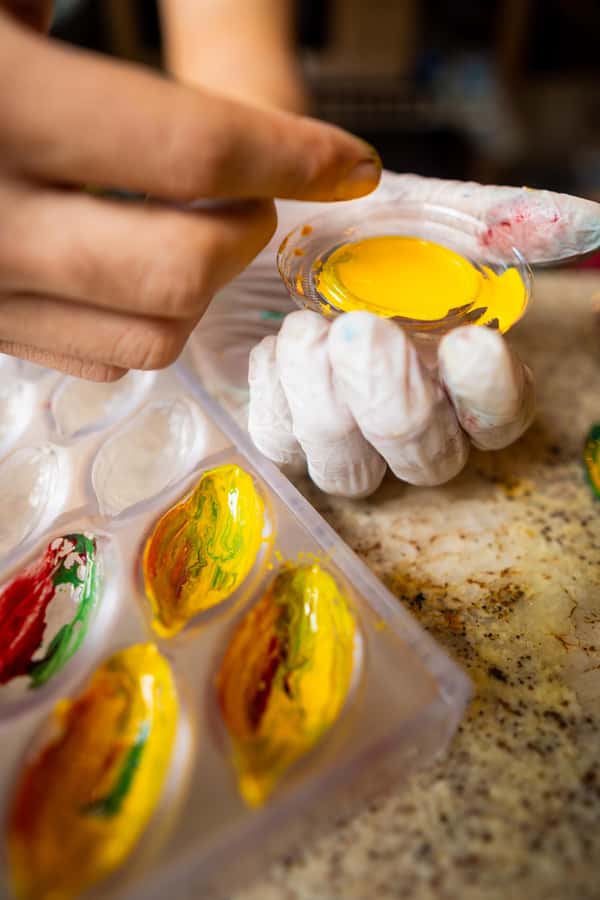
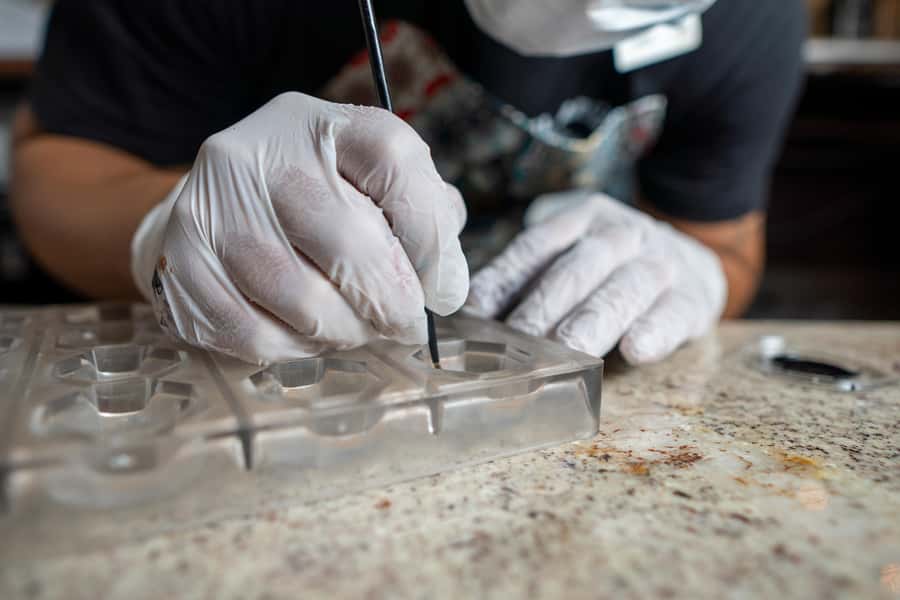
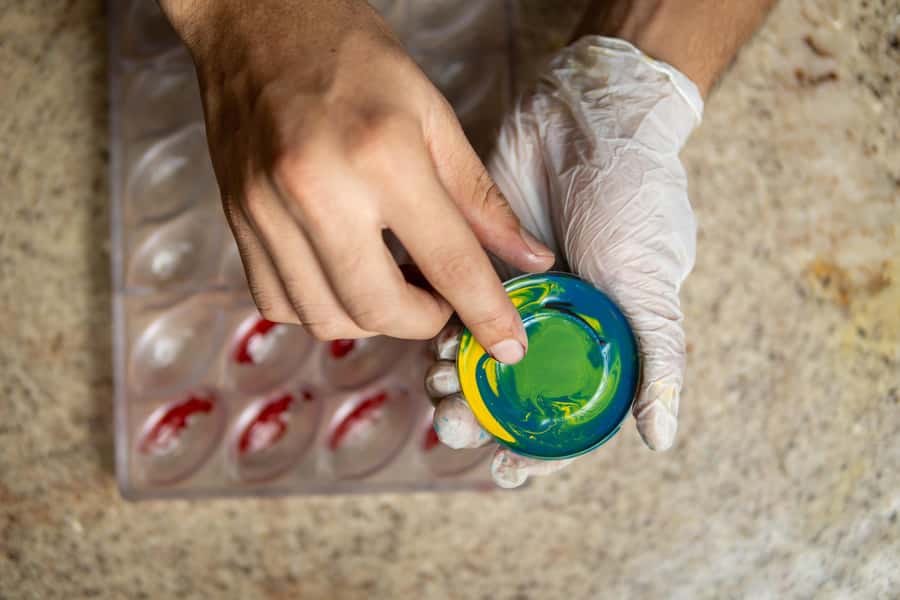
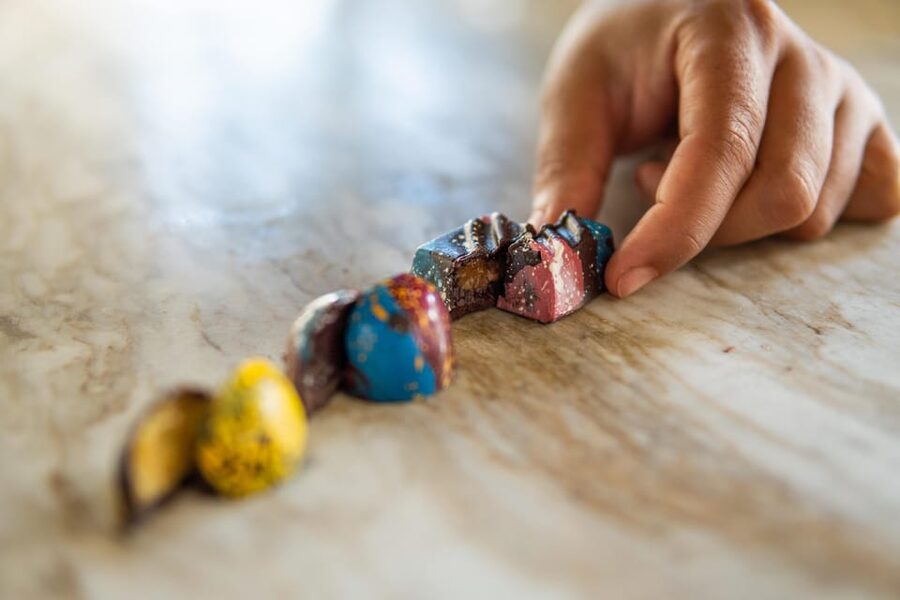
After the demonstration and tasting, you get to make chocolate yourself. Under the artisan’s direction, you may work on bonbons, truffles, or chocolate bars. The exact creation can depend on the class setup, but the point is active participation rather than watching someone else do all the work.
This is where the class earns much of its appeal. Chocolate can look simple when it is sitting in a wrapper. Working with it shows the care needed to shape a smooth, attractive result. You get to experiment with the form and use your imagination instead of following a purely scripted demonstration.
I like this format for first-time makers because you do not need to arrive with technical skills. The instructor guides you through the process, and a private group gives you room to ask basic questions without feeling rushed. At the same time, someone who already enjoys chocolate will have space to try different ideas.
Keep in mind that chocolate is messy. Wear comfortable clothing that can handle stains. This is practical advice, not a minor note. An apron helps, but it is wise not to wear the outfit you planned for a formal dinner afterward.
A few more trips worth weighing up before you book
- Cartagena: Boutique Rum and Chocolate Tasting at Lunático
★ 4.9 · 121 reviews - Cartagena: Express Rum and Chocolate Tasting Experience
★ 5.0 · 10 reviews - Cartagena: The Legendary Colombian Rum and Chocolate Tasting
★ 5.0 · 8 reviews - Coffee & Chocolate Private Tour in Medellin: Genuine Experience
★ 5.0 · 100 reviews
What makes the private format useful
The group is private, which changes the feel of the experience. You are not simply standing near a demonstration while a large crowd competes for a view. The instructor can respond to your group’s questions and adjust the pace within the limits of the session.
Alejandra, also called Ale, received especially warm praise for her energy and passion. Her approach reportedly covered the bean, the harvest, ecology, and the hands-on process of making chocolate. That range matters because it connects the final candy to the plant, the people, and the environment behind it.
A good guide is important here. Chocolate production involves unfamiliar terms and several small steps that can blur together if they are explained too quickly. Alejandra’s role appears to be more than handing out ingredients. She helps make the process understandable and keeps the mood light.
The private format is also useful for families, couples, and small groups with different interests. One person can focus on the production machinery, another on the tasting, and another on the creative part. You all remain in one activity, but nobody needs to pretend that every stage interests them equally.
The strongest reason to book: the chocolate you make
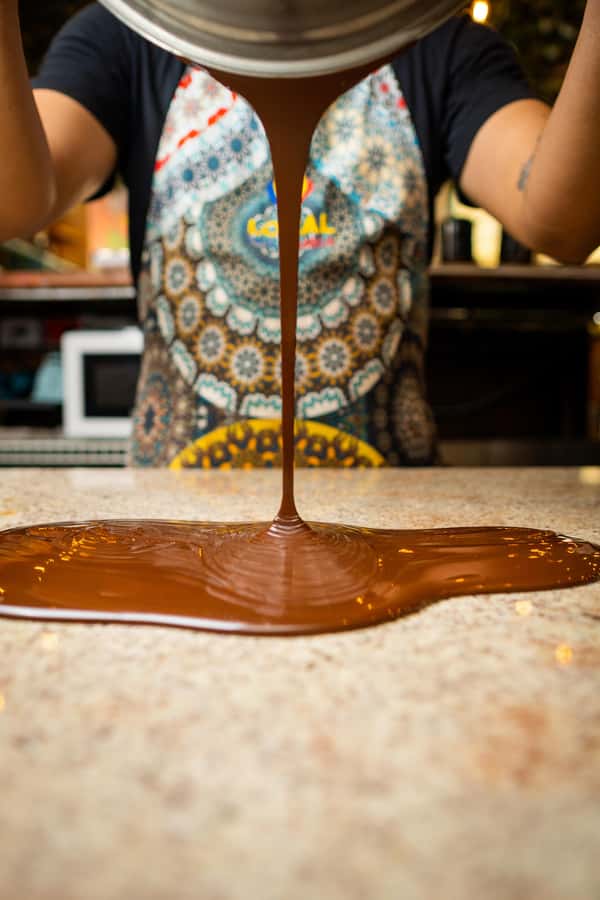
The finished chocolate is the payoff. A class can offer good information and still leave you with an ordinary souvenir. Here, the chocolate made during the session has been described as some of the best participants had tasted.
That does not mean every piece will look like a professional shop display. You are learning, and the purpose is to make something yourself. The pleasure comes from tasting the result with a better understanding of what went into it.
The work also gives the chocolate a personal story. You have tasted several styles, watched key production steps, and then made your own bonbons, truffles, or bars. That creates a stronger memory than buying a packaged bar from a shop.
For a food-focused afternoon in Bolívar, this is an authentic angle. You are not simply sampling a finished product. You are learning how a local treasure is handled, shaped, and presented.
Is $101 worth it for 105 minutes?
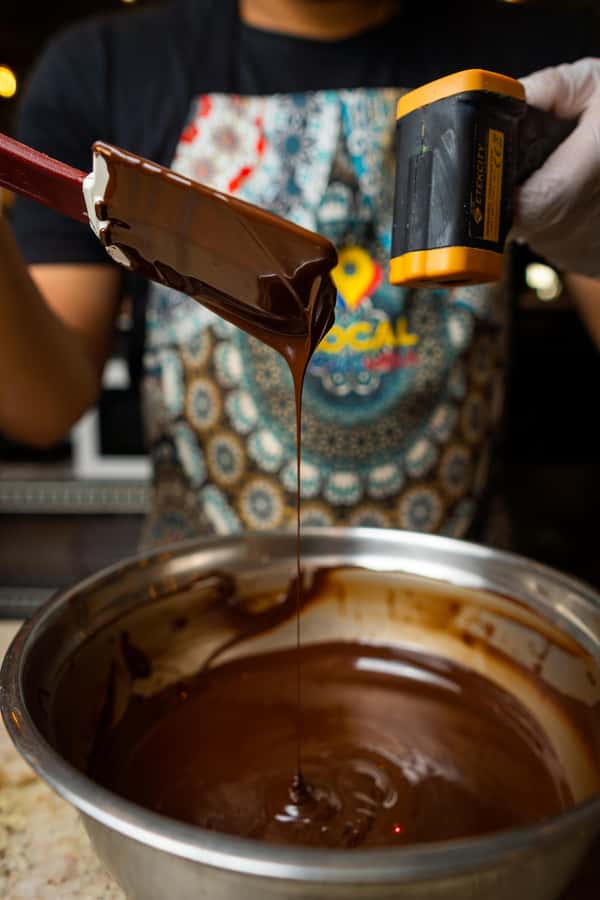
At $101 per person, this is not a bargain activity. You should compare it with the full experience rather than the clock alone. The price includes instruction, access to a chocolate production area, tasting several chocolate percentages and origins, and a guided opportunity to make your own sweets.
The private group format helps justify the cost. You are paying for personal attention and a class built around your group, not only for a quick tasting. The English or Spanish instruction also makes the session more accessible to international visitors.
Still, the duration is only 105 minutes. If you want a full-day cacao farm visit, extensive agriculture lessons, or a large-scale factory tour with every machine operating, this workshop may feel too short. The production area can also be quiet on some days, and some steps are prepared in advance.
I see the best value for someone who wants a compact, hands-on food experience in Cartagena or the Bolívar area. It works especially well as a rainy-day plan, since it takes place indoors and combines learning with an activity. The value is weaker for someone who only wants to eat chocolate or who expects a long tour for the price.
Free cancellation up to 24 hours before the activity and a reserve-now, pay-later option reduce some booking risk. You can keep your plans flexible, which is helpful when weather or sightseeing schedules change.
Who will enjoy this chocolate workshop?
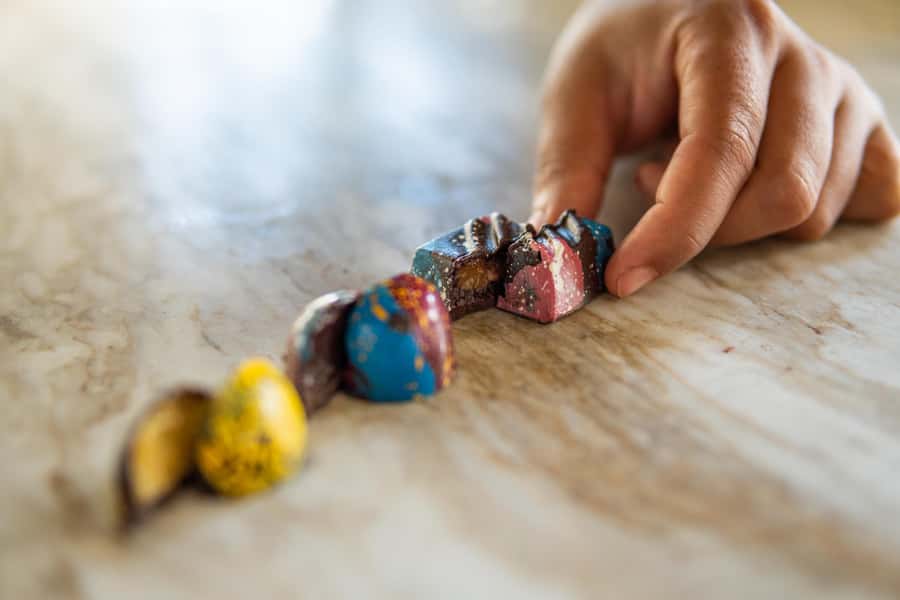
I would recommend it most strongly to:
- Couples looking for a shared indoor activity
- Small private groups that enjoy food and hands-on classes
- Visitors curious about Colombian cacao and local production
- Chocolate fans who want to compare different percentages
- Families with older children who can follow an artisan-led process
- Anyone wanting a break from outdoor sightseeing
The workshop is also a good fit if you value conversation. You can ask why one cacao variety tastes different from another, what roasting changes, and how the chocolate moves from bean to finished form.
It is less suitable for people with food allergies. The activity includes several forms of chocolate and is specifically built around tasting and handling chocolate, so this restriction should be taken seriously.
It may also disappoint you if your main interest is seeing a busy production floor. The machinery is available to view, but activity levels can vary. A Sunday visit, for example, may not include staff actively working in the area.
Practical tips for a smoother visit
Wear comfortable, stain-friendly clothing. Chocolate has a talent for finding the one clean sleeve you hoped to protect.
Bring the contact details used for booking. You receive a confirmation email and a calendar app invitation, and the provider asks for both an email address and a phone number with the area code. Check these details before leaving your accommodation.
Allow time to identify the pink building near the start of Arsenal Street. The wooden barrels outside are the useful visual clue. Once you reach the meeting point, the host handles the short transfer to the exact workshop space.
Think about how you want to use the 105 minutes. If you are serious about learning, focus during the roasting and separation explanation, then use the tasting to compare the percentages. If you are visiting mainly for fun, save plenty of attention for the making stage and enjoy the freedom to experiment.
Should you book the Bean to Bar workshop?
Book it if you want a private, indoor activity that links Colombian cacao with tasting and making. The strongest points are the personal format, the range from 40% white chocolate to 100% pure cocoa, and the chance to create your own bonbons, truffles, or bars with guidance.
I would hesitate only if $101 feels too high for a 105-minute class, if you have food allergies, or if you expect every machine to be running during your visit. For everyone else, this is a focused way to spend an afternoon, especially when rain interrupts outdoor plans.
The praise for Alejandra’s teaching, the informative look at cacao production, and the quality of the finished chocolate all point in the same direction: this is not just a sugar stop. It is a small, personal lesson in one of Colombia’s most enjoyable products.
FAQ
Where does the chocolate workshop meet?
Meet at the beginning of Arsenal Street, around the corner and across from the convention center. Look for a two-story pink building with wooden barrels outside promoting free hugs. The host then takes you to the exact workshop location.
How long does the activity last?
The workshop lasts 105 minutes. Starting times depend on availability.
What languages are available?
Instruction is available in English and Spanish.
Is the workshop private?
Yes. The activity is arranged for a private group.
What types of chocolate will I taste?
The included chocolate selection can feature white chocolate at 40%, milk chocolate at 46%, dark chocolate at 80%, pure cocoa at 100%, and blends of different percentages or origins.
Can people with food allergies participate?
No. The activity is not suitable for people with food allergies.
More Workshops
- Private Surf Class with Certified Instructor in Cartagena
★ 5.0 · 36 reviews - Specialty Coffee Workshops in Cartagena
★ 5.0 · 34 reviews - Cartagena Instagram Mobile Workshop: Scenic and Trendy Shots
★ 5.0 · 5 reviews - Cartagena: Photography Workshop Tour
★ 5.0 · 3 reviews
More Drinking Tours
- Open Bar Sunset Cruise in Catamaran or Speedboat (Best Deal)
★ 4.5 · 68 reviews - 5 Islands VIP Escape : Snorkeling, Private Lunch & Open Bar
★ 4.5 · 48 reviews - Cartagena: 5 Islands Boat Tour with Lunch, Snorkeling, & Bar
★ 3.7 · 39 reviews - Bar Tour for Guys and Bachelor Parties
★ 4.5 · 29 reviews
Just added around Cartagena
- Cartagena: Party Bus Tour In Cartagena★ 4.2 · 3 reviews
- Cartagena: Ecoplan on Barú, Aviary and Oceanarium in one day★ 3.3 · 3 reviews
- Isla Tierra Bomba beach club: Day Pass with typical food★ 5.0 · 3 reviews
- White Night Boat Party: Dinner Buffet, Dancing and Open Bar★ 4.6 · 3 reviews
- Tayrona Park adventure in Santa Marta: Cabo San Juan from Cartagena★ 3.8 · 3 reviews
- Mompox Caribbean Routes★ 4.8 · 3 reviews
- Cartagena: Photography Workshop Tour★ 5.0 · 3 reviews
- Cartagena: Day Tour to Tierra Bomba Island★ 3.2 · 3 reviews
Workshops, compared.
Fun Graffiti Workshop: The Art of Aerosol and Color
Read our review →

Private Surf Class with Certified Instructor in Cartagena
Read our review →
Browse the lists this tour appears in