
Reviewed · WORKSHOPS
San Andres: Coco Art Workshop
Coconuts tell San Andrés stories. This small, hands-on workshop links the island’s past to a simple craft: weaving coconut palm into useful and decorative objects. I like the chance to meet local artisans in a typical island home, and I like that you make something yourself rather than only watching a demonstration.
The history adds real value, especially the explanation of how coconut palms mattered before tourism became the island’s main industry. The main consideration is that the craft takes patience. You may create a smaller ornamental item rather than a polished hat or fruit bowl, and the session can run anywhere from 90 minutes to two hours.
In This Review
- Key points about this San Andrés workshop
- Why coconut palm matters on San Andrés
- Meeting near Bolívar Park
- A typical island house and old photographs
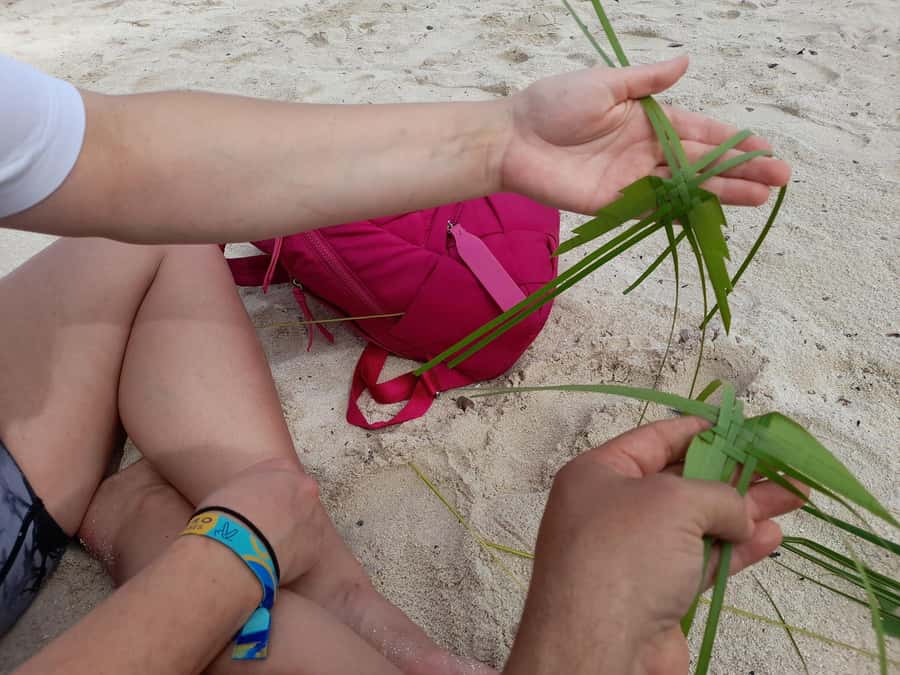
- Watching a coconut palm become art
- Making your own San Andrés souvenir
- Caribbean views and a slower pace
- Is $39 a fair price?
- Who will enjoy this most?
- Practical details before you book
- Should you book the Coco Art Workshop?
- FAQ
- How long does the Coco Art Workshop last?
- How much does the workshop cost?
- Is hotel pickup included?
- Where is the meeting point?
- What languages are available?
- Can I cancel the activity?
Key points about this San Andrés workshop
- Traditional coconut craft: See coconut palm leaves turned into hats, bowls, birds, necklaces, and other objects.
- Local family setting: The meeting point is near Bolívar Park, and some sessions take place around a typical San Andrés house with old photographs and family stories.
- Hands-on work: You use traditional materials and techniques to create your own souvenir.
- Island culture included: Learn about the local language, Creole culture, and life before tourism took center stage.
- Private and flexible: The experience is for a private group, with English or Spanish instruction and optional hotel pickup.
- Good value at $39: The price covers transport options, a guide, instruction, cultural context, and a handmade item you can take home.
Why coconut palm matters on San Andrés
The coconut palm is more than a beach backdrop here. It has long supplied material for practical objects, decorations, and small pieces of household craft. This workshop gives you a way to see that plant as part of island life, not just as something printed on a souvenir T-shirt.
The opening discussion covers the history of coconut palms and their place in the San Andrés archipelago. You also hear about the period before tourism became the island’s main industry. That context helps explain why this activity feels different from a standard craft class. You are not simply handed a kit and told to follow instructions. You are shown a local trade tied to family memory and daily life.
One especially useful part is the connection to Creole culture. The session can include stories about the islands, the local language, and the origins of the archipelago’s Creole culture. These subjects give the craft a wider setting. The woven piece is small, but the story behind it reaches into the island’s identity.
You should expect a relaxed pace rather than a formal lecture. The cultural information is folded into the demonstration and conversation. If you enjoy asking questions, this is a good setting to ask about old island customs, coconut use, and the way local traditions have changed.
More San Andres island days:
- San Andres: Scuba Diving Experience with Hotel Pickup
★ 4.8 · 192 reviews
Meeting near Bolívar Park
The stated meeting point is the entrance of a typical house close to Bolívar Park, at Avenida 20 de Julio #4A-26. It is in front of the Omalina Clinic, diagonally across from Bolívar Park and diagonally across from the registration office.
That description matters because a precise landmark is useful in central San Andrés, where street addresses may not always be the easiest way to find a small local business. If you arrange pickup, the supplier contacts you to coordinate the details. Hotel pickup and drop-off are included when that option is selected, but pickup is listed as optional.
The activity information describes a roughly 20-minute car ride as part of the route. The exact starting point depends on the option you book. Plan for some variation in timing, since pickup arrangements and the chosen meeting point can affect the day.
You may meet Sky, a local instructor, and his father. Their family approach is one of the most appealing features of the experience. A session with them can include a visit to their typical San Andrés house, old photographs, and stories about the islands. This adds a personal layer that you would not get from a large commercial demonstration.
A typical island house and old photographs
The house visit is not presented as a grand museum stop. That is part of its appeal. You get a close look at a family setting connected to the craft, with old photographs helping explain San Andrés before the modern tourism economy became so important.
I would pay close attention during this part, even if you booked mainly for the weaving. The photographs and stories put the coconut palm in context. You start to understand how a material that now looks decorative could once have been part of ordinary work and home life.
The setting may vary by departure option or instructor, so do not assume every session follows exactly the same sequence. The experience can also include time by the Caribbean Sea, and one account describes hearing the island’s history while standing on the sand at a beach in the north. That gives you a useful sense of the flexible, local character of the workshop.
This is also where you can ask questions about the island’s language and Creole culture. The activity is conducted in English or Spanish, which makes the historical discussion accessible to a wider range of visitors.
Watching a coconut palm become art
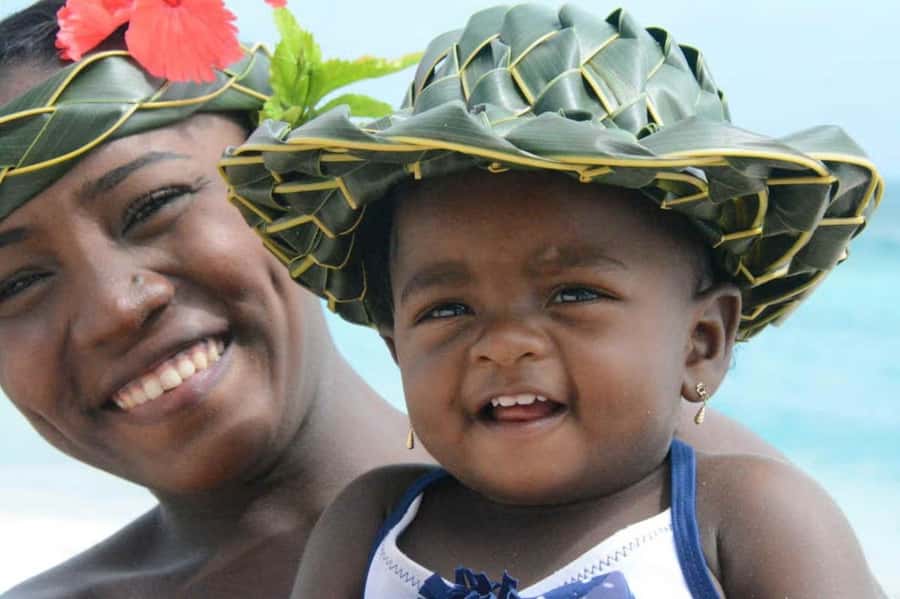
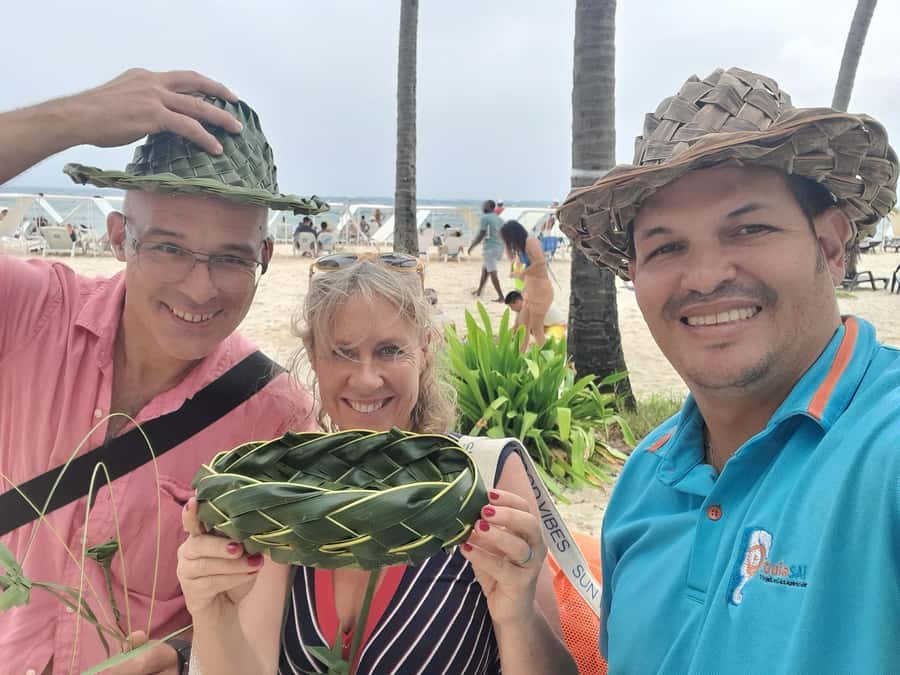
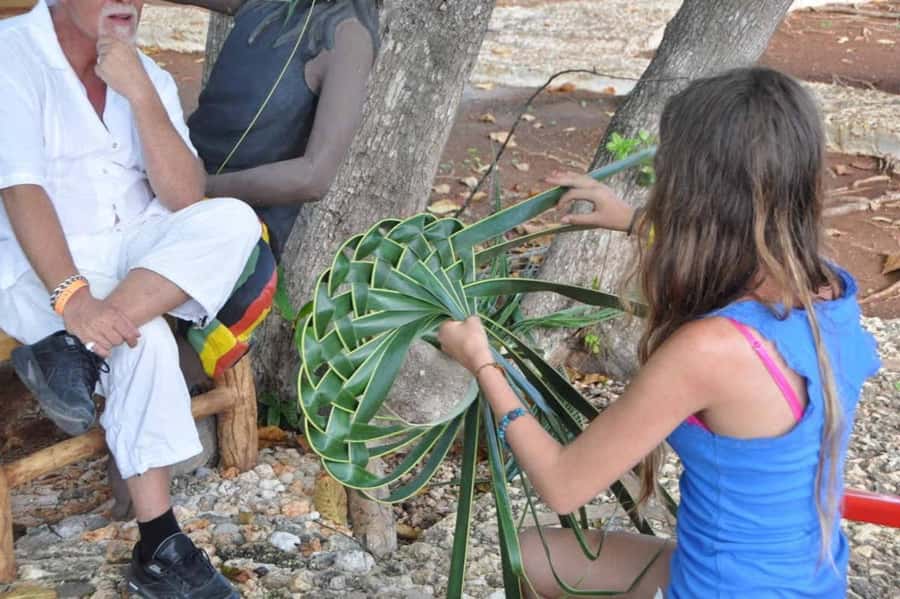
The live demonstration is the visual highlight. A local artist works with coconut palm and shows how the material can become both traditional and contemporary pieces. The most striking examples include a sunhat and a fruit bowl, objects that show how much form and strength can come from dried plant material.
You may also see smaller decorative work, such as a bird or necklace. These pieces help you understand the difference between watching and doing. The artist’s hands may make the weaving look easy, but the process calls for control, even tension, and a feel for the material.
That contrast is worth remembering before you begin. If your first piece looks a little uneven, that is normal for a short workshop. You are learning a traditional technique in one sitting, not training for a lifetime trade. The finished object has value partly because it records your effort.
The demonstrations also show the range of coconut palm. It can produce a useful object such as a bowl, something wearable such as a hat or necklace, and something purely decorative such as a bird. You get a clear sense of how traditional skills can adapt to modern souvenir making without losing their local link.
Making your own San Andrés souvenir
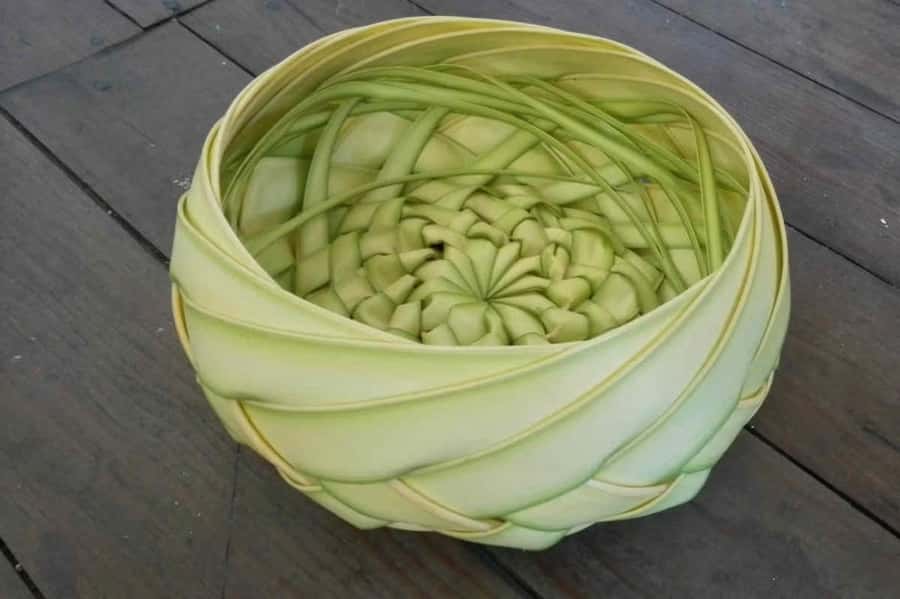
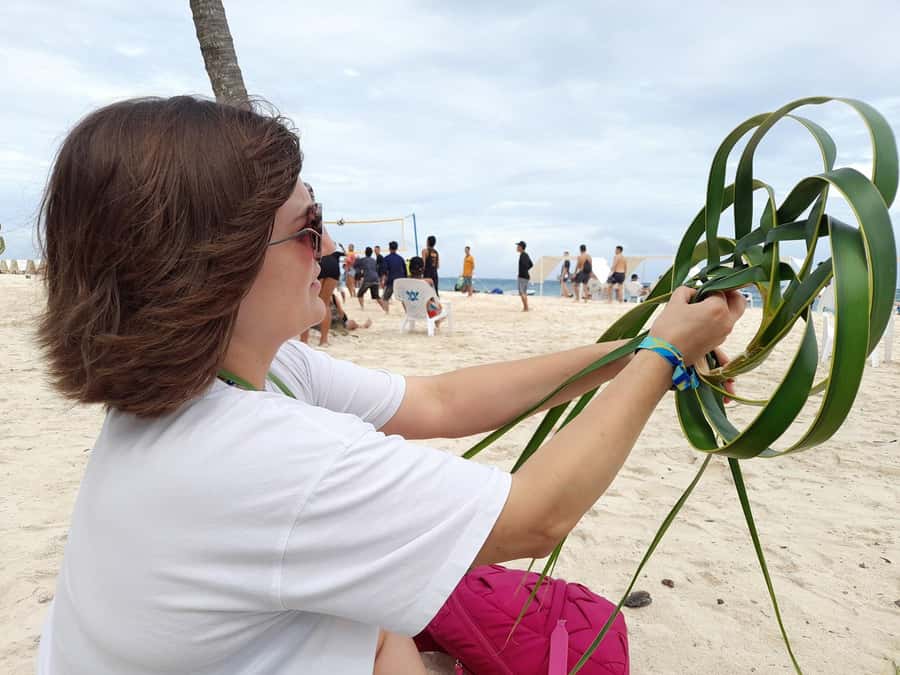
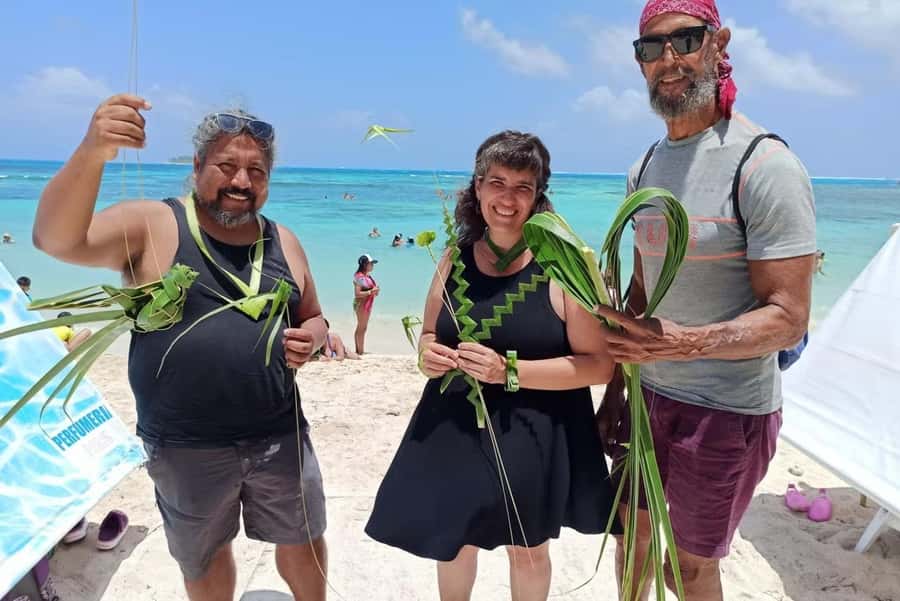
The hands-on portion is the reason to choose this activity over a simple cultural talk. You work with traditional materials and try the basic techniques yourself. The exact item may depend on the class and your interests, but examples include a decorative bird and a necklace.
The instructor’s patience matters here. Sky is described as easy to understand and willing to respond to special requests. That is useful if you have never woven before or if you want to try a slightly different shape. Ask early about what you can make, since a 90-minute session has less room for experimentation than a full two-hour class.
You should wear clothes that can get dirty. Bring comfortable shoes, water, a hat, biodegradable sunscreen, and insect repellent. A towel and beachwear are also listed as useful items, which suggests that some versions of the experience may include a seaside setting. A camera is worthwhile, both for the views and for photographs of your work.
Do not smoke during the activity. The workshop is wheelchair accessible, but if you need specific assistance, confirm the pickup and route details when you arrange the booking. The available information confirms accessibility, but it does not describe every surface or transfer point.
The souvenir is a practical benefit, but I would not judge the class only by how perfect your item looks. The better question is whether you enjoy learning a skill that has a clear connection to San Andrés. A slightly crooked necklace made by you can be a better memory than a flawless mass-produced trinket.
Caribbean views and a slower pace
The workshop includes scenic views on the way and can offer views of the Caribbean Sea. That gives the session a pleasant outdoor quality, though the main purpose is the craft and cultural exchange, not a sightseeing circuit.
The slower pace suits you if you prefer local contact to a packed schedule. You have time to listen, handle the material, and ask questions. It is not the best pick if you want a fast list of major island sights or a full-day tour with many stops.
The car portion is listed at about 20 minutes, followed by up to two hours at the local restaurant or workshop setting. The word restaurant appears in the route information, but no meal is included in the stated inclusions, so do not book this expecting lunch. The location appears to function as the class stop rather than a dining promise.
Because this is a private group, you should get more room to set the pace than you would in a large class. That can make a difference when you need extra help with the weaving or want more time for questions. It also means the experience may feel quiet rather than social if you were hoping to meet a large group.
Is $39 a fair price?
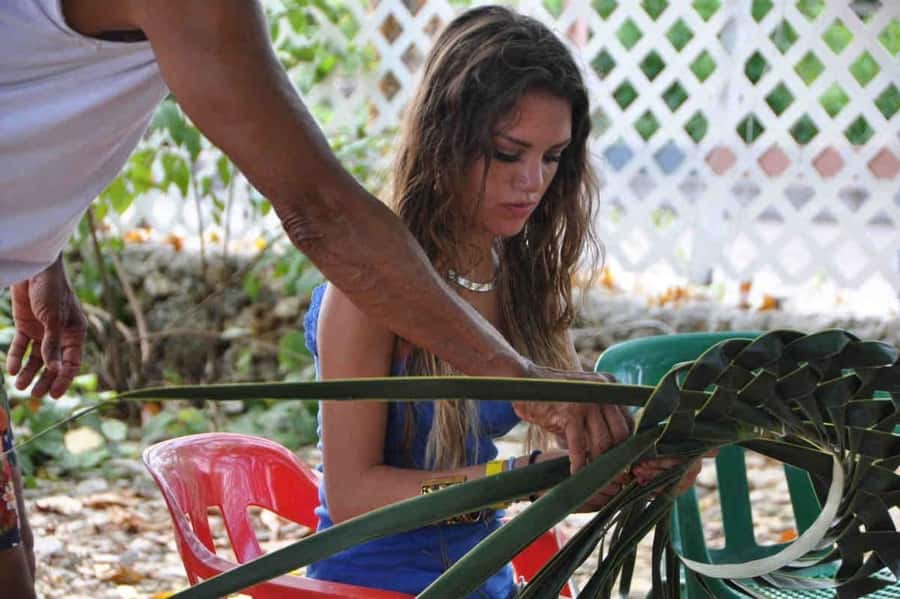
At $39 per person, the price is reasonable for a private cultural activity that lasts 90 minutes to two hours. You are paying for more than an object. The package includes instruction in English or Spanish, local stories, a live demonstration, your own craft attempt, and the option of hotel transport.
The value is strongest if you care about authentic contact and want to take home something connected to the place. The price is less attractive if you only want a cheap souvenir or if you dislike seated craft work. You can likely buy finished items elsewhere, but you would miss the explanation and the chance to handle the material yourself.
The optional pickup also affects value. If your hotel is convenient to the central meeting point, you may prefer to meet near Bolívar Park. If you are staying farther away or want to avoid finding the house, pickup can make the extra coordination worthwhile.
The private format is another point in its favor. A class tailored to one person, a couple, or a small private party can feel more personal than a standard group demonstration. At the same time, you should confirm what is included in your selected option, especially transport and the exact starting location.
Who will enjoy this most?
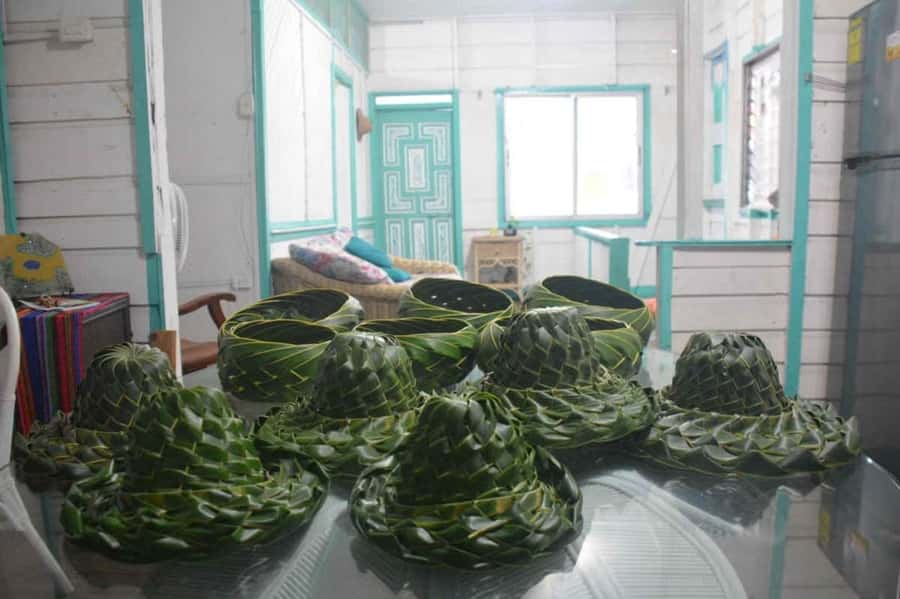
I would recommend the workshop to couples, families, and solo visitors who want a cultural activity with a souvenir at the end. It is also a good choice for anyone who likes meeting local people and learning through conversation rather than standing in front of a display case.
Creative people will enjoy the hands-on part, but you do not need artistic skill. The instructor can guide you through simpler objects, and the class is designed to introduce the material. Children may enjoy making a bird or another small item, though the supplied information does not give a minimum age, so families should check before booking.
The activity suits English and Spanish speakers. It also works well when you want a break from sun and water activities, while still keeping the Caribbean setting nearby. Bring clothes that can get dirty, since natural materials and outdoor work are not always tidy.
I would be more cautious if you have limited time and need a guaranteed start and finish. The session length varies from 90 minutes to two hours, and pickup arrangements can add travel time. It is also not ideal for anyone who wants a polished professional souvenir without making one.
Practical details before you book
The experience offers free cancellation up to 24 hours before the start time, and you can reserve now while paying later. Check the available starting times because the schedule is not fixed in the information provided.
The instructor speaks English or Spanish. The group is private, and the activity is wheelchair accessible. Smoking is not allowed.
Pack light but prepare for sun and outdoor conditions:
- Comfortable shoes and clothing
- Water and biodegradable sunscreen
- Sun hat and insect repellent
- Camera
- Beachwear and a towel
- Clothes that can get dirty
The supplier, Guia SAI, may contact you to arrange pickup. If you are meeting independently, use the Bolívar Park landmarks carefully: the house is near Avenida 20 de Julio #4A-26, across from the Omalina Clinic.
Should you book the Coco Art Workshop?
Book it if you want to understand San Andrés through a local skill, not just see its beaches. The strongest parts are the family stories, the old photographs, the coconut palm demonstration, and the chance to make a small object with your own hands.
I especially like the link between the craft and the island’s past before tourism became central. The sessions led by Sky and his father can add warmth and personality, while the English or Spanish instruction keeps the class easy to follow.
Skip it if you want a major sightseeing tour, a meal, or a finished luxury souvenir. Choose it if $39 feels fair for a private cultural lesson, local transport options, and a handmade reminder of San Andrés. Bring patience, curiosity, and clothes you do not mind marking. The coconut palm will do the rest.
FAQ
How long does the Coco Art Workshop last?
The activity lasts between 90 minutes and two hours. Check the available starting times when booking.
How much does the workshop cost?
The price is $39 per person.
Is hotel pickup included?
Hotel pickup and drop-off are included when that option is selected. Pickup is optional, and the supplier contacts you to coordinate the details.
Where is the meeting point?
The supplier meets you at the entrance of a typical house near Bolívar Park, at Avenida 20 de Julio #4A-26. It is in front of the Omalina Clinic, diagonally across from Bolívar Park and the registration office.
What languages are available?
The instructor and guide speak English and Spanish.
Can I cancel the activity?
Yes. You can cancel up to 24 hours in advance for a full refund. You can also reserve now and pay later.
More Workshops
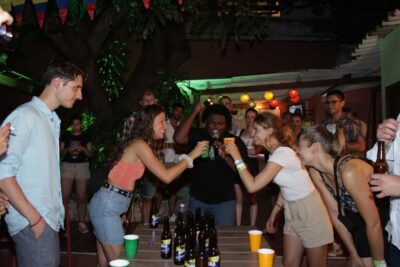
- Cartagena: Pub Crawl with Dancing Lessons and Free Shots
★ 4.2 · 211 reviews - Fun Graffiti Workshop: The Art of Aerosol and Color
★ 5.0 · 73 reviews - Bogota: Colombian Emerald Ring Workshop
★ 5.0 · 61 reviews - Private Salsa Class and / or Latin Rhythms
★ 5.0 · 54 reviews
Just added around San Andrés Island
- San Andres: Scuba Diving Experience with Hotel Pickup★ 4.8 · 192 reviews
Workshops, compared.
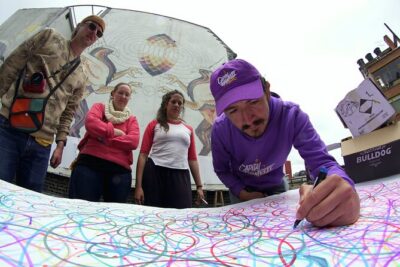
Fun Graffiti Workshop: The Art of Aerosol and Color
Read our review →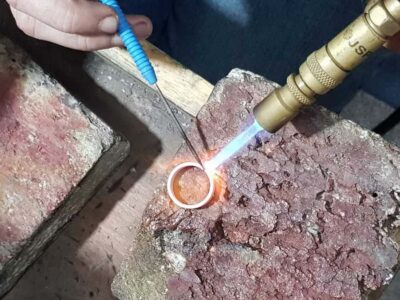
Private Surf Class with Certified Instructor in Cartagena
Read our review →
Browse the lists this tour appears in