
Reviewed · MEDELLíN TOURS
Shared Tour Medellin’s Violence & Post-conflict after Pablo
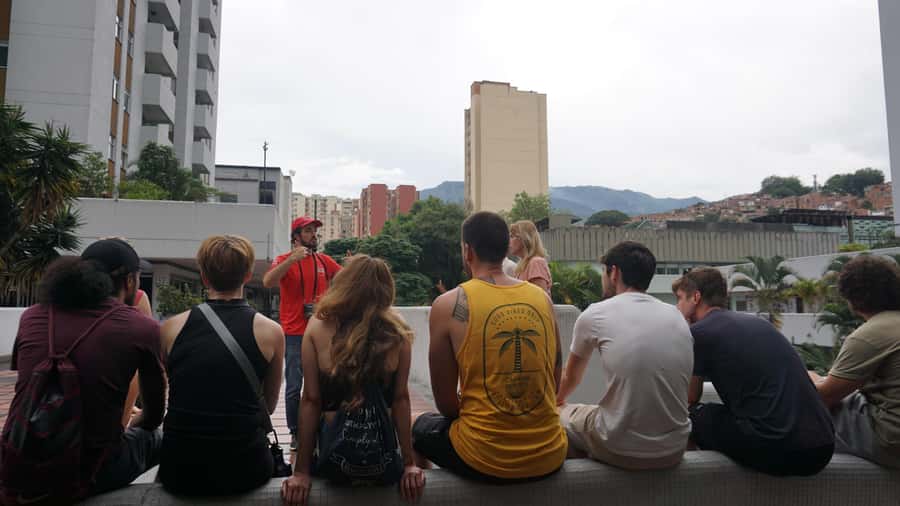
Medellín’s hardest lessons are found on foot. This thoughtful walking tour explains how drug trafficking, guerrillas, paramilitaries, and ordinary communities shaped the city, then follows the long effort to replace violence with public debate and social action. I like the clear focus beyond Pablo Escobar and the way the tour gives attention to survivors, institutions, and local communities. I also like the route from Parque San Antonio through central Medellín to Museo Casa de la Memoria, where the subject gains a human setting.
The main consideration is the subject matter. You will hear about killings, forced displacement, political violence, and the effects of the cartel era. The walk also covers roughly 5 kilometers, often in crowded city streets, so comfortable shoes, water, and an open mind matter. This is not a light sightseeing stroll, and it is not designed for anyone seeking a simple narcos story.
In This Review
- Key Points Before You Go
- Why This Tour Looks Beyond the Famous Name
- Starting at Parque San Antonio and Botero’s Birds
- Medellín’s Urban Conflict, From 1982 to 2015
- From Cartel Stories to Community Struggle
- Changing Bullets for Words and Ideas
- Walking Through Central Medellín
- Finishing at Museo Casa de la Memoria
- What the $13 Price Really Buys You
- How to Prepare for a Serious Walking Tour
- Who Will Get the Most From It
- Should You Book This Medellín History Walk?
- FAQ
- How long does the Violence and Post-Conflict tour last?
- Where does the tour meet?
- Where does the tour finish?
- Is this a Pablo Escobar tour?
- What language is the tour in?
- How much walking is involved?
- What should I bring?
Key Points Before You Go
- This is not a Pablo Escobar tour: The focus is Medellín’s wider conflict, its causes, and the people who worked toward peace.
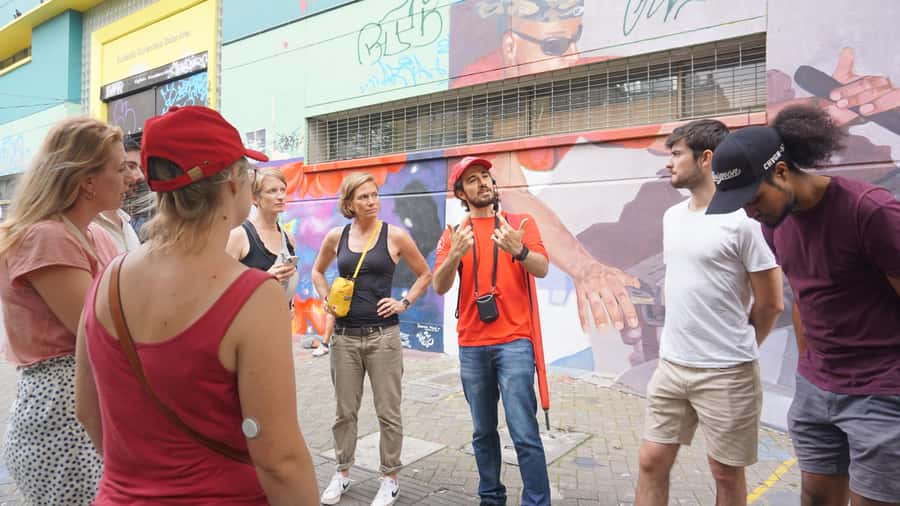
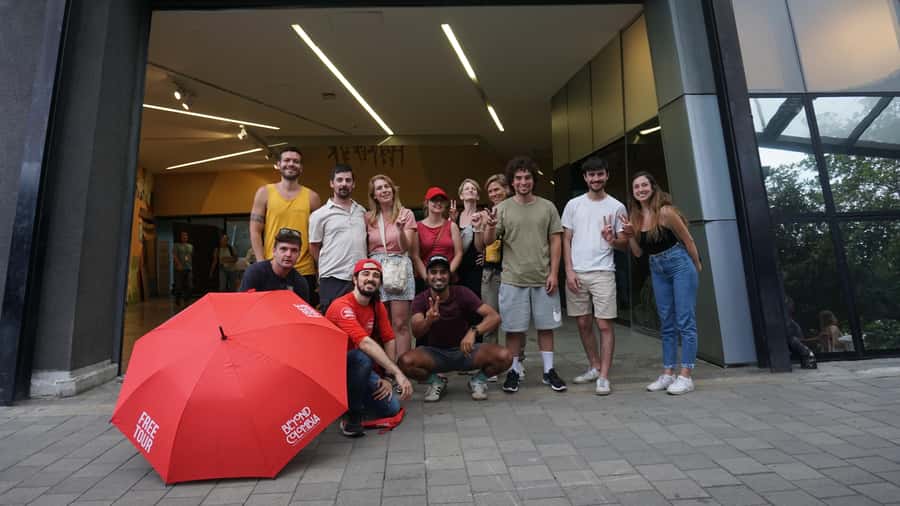
- The route begins at Parque San Antonio: Meet beside Botero’s bird sculptures, marked by Beyond Colombia’s red umbrellas.
- The walk covers about 5 kilometers: Expect regular stops for explanations and some rest, but wear proper walking shoes.
- The tour ends at Museo Casa de la Memoria: The final location connects the city’s past with remembrance and ongoing public discussion.
- English guides shape the experience: Miguel received especially strong praise for thorough explanations, while Sebastian was praised for an engaging and friendly style.
- The price is low for a history-focused tour: At $13 per person, the value is strongest if you want context rather than entertainment.
Why This Tour Looks Beyond the Famous Name
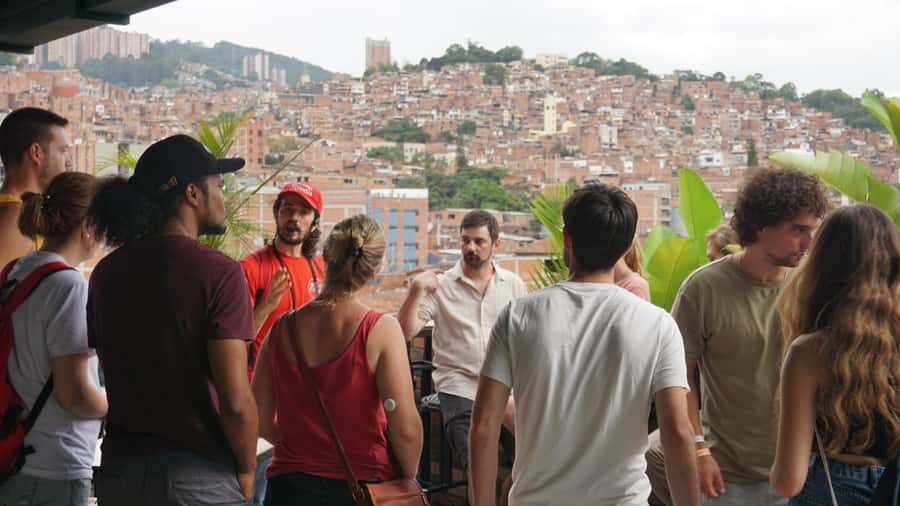
Medellín’s cartel era is often reduced to one man, a few television series, and a string of dramatic anecdotes. This tour takes a wider view. It examines the conditions that allowed organized drug trafficking to grow, then places that violence within Colombia’s broader conflict.
You will look at the social, cultural, and economic consequences of the narcos war period. That matters because the cartel did not operate in a vacuum. The tour also discusses guerrillas, paramilitary groups, and the way conflict became part of urban life.
The phrase after Pablo is useful here, but it can also mislead you. The tour is not mainly about Escobar’s biography, properties, or personal mythology. Instead, it asks what happened to Medellín after the cartel era and how violence changed form through what the program calls Donbernabilidad.
You should expect a serious discussion of power, survival, and public response. The subject is not presented as a clean story with a villain, a victory, and a happy ending. Medellín’s progress is real, but the conflict and its memories remain part of city life.
A few more trips worth weighing up before you book
- Medellin: Comuna 13 Graffiti Tour, Cable Car & Street Food
★ 4.8 · 9,046 reviews - Medellín: The Real Pablo Escobar Tour
★ 4.8 · 3,205 reviews - Medellín: Comuna 13 True Story and Street Food Tour
★ 4.9 · 1,779 reviews
Starting at Parque San Antonio and Botero’s Birds
The meeting point is Parque San Antonio, beside the bird sculptures by Fernando Botero. Look for the red umbrellas used by Beyond Colombia. This is a practical meeting place in central Medellín, but it is also a fitting beginning for a tour about violence and recovery.
The park gives the guide a way to introduce Medellín as both a physical city and a place shaped by public memory. You begin among recognizable civic landmarks, then move into the downtown area where daily life continues alongside reminders of conflict.
Do not expect a long formal introduction followed by a bus ride. This is a walking experience from the start. The guide explains the context while you move through the center, so you should be ready to listen in city noise and crowded public spaces.
That setup has a benefit and a drawback. Walking helps you understand that the conflict was not confined to distant rural areas. It became urban, visible, and tied to neighborhoods, transportation routes, public institutions, and ordinary routines. On the other hand, traffic, street noise, and crowds may make it harder to catch every word. Staying near the guide is wise.
Medellín’s Urban Conflict, From 1982 to 2015
One of the tour’s strongest features is its time frame. The story covers changes in violence from 1982 through 2015, giving you more than a snapshot of the cartel years.
The earlier period looks at the conditions that helped narco power emerge. You will consider how social and economic pressures, criminal networks, and political circumstances created room for violence to grow. The tour then connects those forces to Medellín’s urban experience.
The discussion of the urbanization of war is especially useful. Guerrilla movements, paramilitary groups, and drug traffickers did not affect the city in identical ways, and the guide examines the different roles they played. For you, this helps avoid the usual trap of treating every armed group as part of one simple conflict.
The years after the Medellín Cartel receive attention as well. The tour explains how power and violence continued to operate in altered forms, including the period known as Donbernabilidad. You may find this section less familiar than the Escobar era, which is exactly why it adds value.
A short tour cannot explain every political development in Colombia. Still, this 150-minute format provides enough time to build a timeline and ask questions. The advertised duration is approximately three hours, while the activity details specify 150 minutes, so plan for roughly two and a half to three hours.
From Cartel Stories to Community Struggle
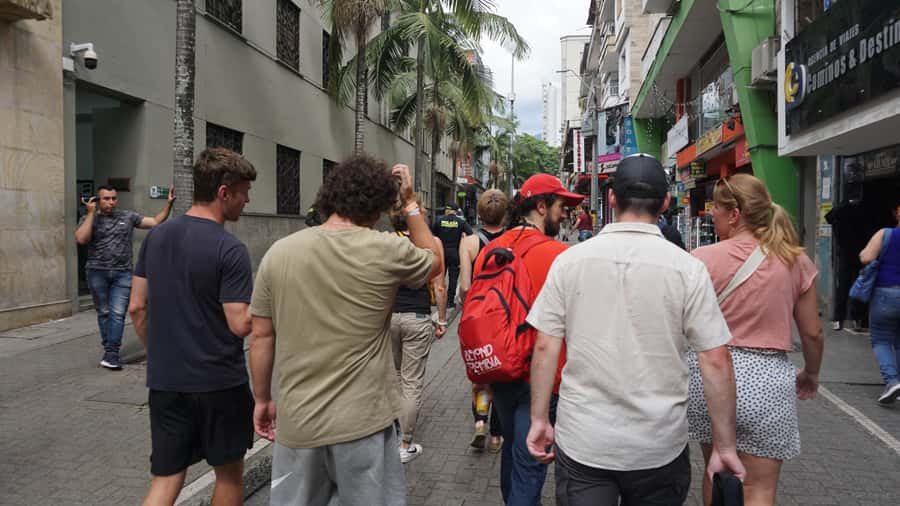
I appreciate the decision to give communities a central role. The tour is not only about armed groups and powerful men. It also covers the strategies, heroes, and neighborhood efforts involved in peace-making and social struggle.
That shift changes how you see Medellín. Instead of asking only who controlled territory, you begin to ask how people protected their families, organized their communities, demanded change, and tried to keep public life going.
The program also examines institutions and the different actors involved in war, peace, and resistance. You will discuss their motivations, practices, and changes over time. The promise of an objective approach is important here, since political violence invites strong opinions and easy slogans.
The guides are clearly expected to handle difficult questions. Miguel was praised for being thorough and for explaining information that was new to his group. Sebastian was praised for being friendly and engaging, with a style that made serious material easier to follow.
Those two comments point to an important part of the experience: the guide matters greatly. The route and themes are fixed, but the quality of the conversation will depend on how well your guide explains complicated events and responds to questions. You should arrive ready to participate rather than simply take photographs.
A completely different kind of day out around Medellin:
- Medellín: Comuna 13 District Tour with Cable Car Ride
★ 4.8 · 1,467 reviews - Medellin: Coffee Tour with Transport, Snacks and Tastings
★ 4.7 · 1,357 reviews - From Medellín: Paragliding Tour with GoPro Photos & Videos
★ 4.9 · 1,210 reviews - Tour Guatapé
★ 5.0 · 865 reviews
Changing Bullets for Words and Ideas
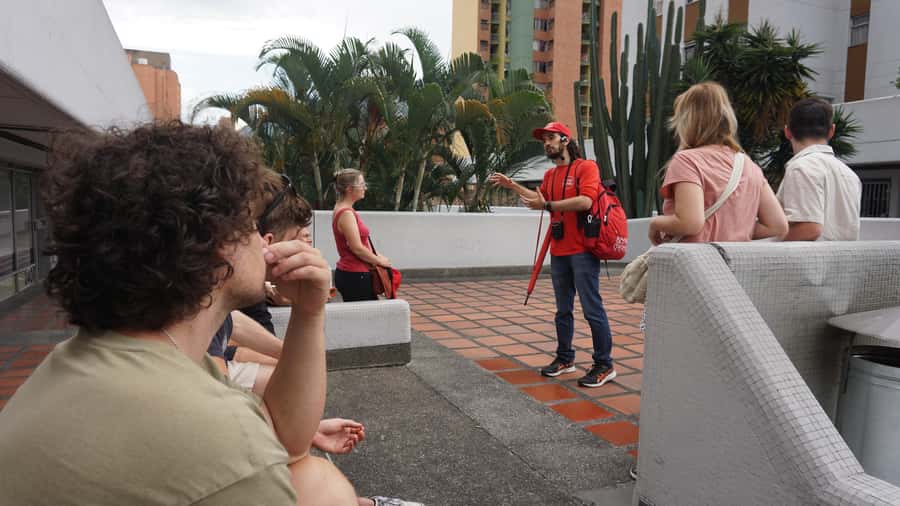
A central theme is the process of changing bullets for words and ideas. This does not mean the city’s problems vanished. It means the tour asks how public discussion, peace agreements, community work, and cultural action can compete with armed power.
The section on twenty-first-century peace agreements places reconciliation in an urban setting. That is valuable because peace is often discussed as if it happens only between national leaders or in rural zones. Medellín shows how national decisions affect neighborhoods, institutions, families, and public spaces.
The tour also explores resistance and memory. These ideas may feel less dramatic than cartel anecdotes, but they are more useful for understanding the city you are walking through today. You learn how people remember violence, how memory can support social action, and why reconciliation remains unfinished.
Do not expect a final answer to every question. The title suggests post-conflict, but the tour also describes an ongoing conflict and continuing efforts to create a better future. That tension is one of the experience’s most honest features.
For me, the strongest value here is the change in perspective. You are not being asked to admire the machinery of violence. You are being asked to understand its roots and recognize the work required to move beyond it.
Walking Through Central Medellín
The route travels through central Medellín before finishing at Museo Casa de la Memoria. The exact order and length of individual stops may depend on the guide and conditions on the day, but you should expect a steady walk with pauses to listen.
The city center is a useful setting because the experience remains connected to normal urban life. You may be surrounded by shops, commuters, public spaces, and street activity while discussing events that affected the city’s identity. That contrast can make the material feel immediate.
Plan on about 5 kilometers of walking. The organizers say there will be resting stops, but this is still an active outing. Wear comfortable shoes, use sunblock, and bring water or another drink. Medellín’s weather can change, so a rainproof coat, umbrella, or cape is sensible.
Crowded areas also require ordinary city awareness. Keep your belongings close and avoid displaying valuables. This is practical advice for the downtown route, not a reason to avoid the tour.
The walk is not suitable for wheelchair users, children under 18, or people over 70 according to the stated restrictions. If mobility, age, or stamina could affect your participation, check carefully before booking.
Finishing at Museo Casa de la Memoria
Ending at Museo Casa de la Memoria gives the tour a meaningful destination. The museum is connected to remembrance, testimony, and public reflection about Colombia’s violence. Even without assuming what specific exhibit you will see, the location reinforces the tour’s main point: history is not only something to study, but also something communities continue to process.
The end point also helps prevent the walk from becoming a collection of disconnected stories. You begin with urban landmarks and conflict history, then finish in a place associated with memory and reconciliation.
Tickets and entrance fees are not included, and the tour does not promise sudden extra charges at places along the route. The walk is framed around exterior sights and explanations. If you want to spend more time inside the museum afterward, treat that as a separate plan and check its opening details independently.
This final stop may be the most useful part for people who want to keep learning. Beyond Colombia provides suggestions for books, films, and other material, along with ideas for Medellín’s cultural offerings. You can use the tour as an introduction, then continue at your own pace.
What the $13 Price Really Buys You
At $13 per person, this is an inexpensive way to get a guided introduction to a difficult subject. You are paying mainly for the guide’s explanation, route planning, historical framing, and chance to ask questions.
There is no meal, drink, transportation, souvenir, or private guide included. That is not a problem if you already plan to be in central Medellín and want a focused history walk. It matters more if you expect a polished attraction with admissions and refreshments included.
The shared format keeps the price down and may help you meet other people. It also means you will not have an exclusive guide shaping every minute around your interests. Groups can vary in size, and busy streets may make private conversation difficult.
For value, I would compare this with the cost of spending a few hours trying to understand Medellín’s conflict alone. A guide can give you a timeline and explain connections that are easy to miss. The price is particularly fair if Miguel’s thorough approach or Sebastian’s lively style is representative of the guiding standard.
Free cancellation up to 24 hours before the start and a reserve-now, pay-later option add flexibility. Those details are useful when your Medellín plans are still moving, but the main reason to book should be the subject itself.
How to Prepare for a Serious Walking Tour
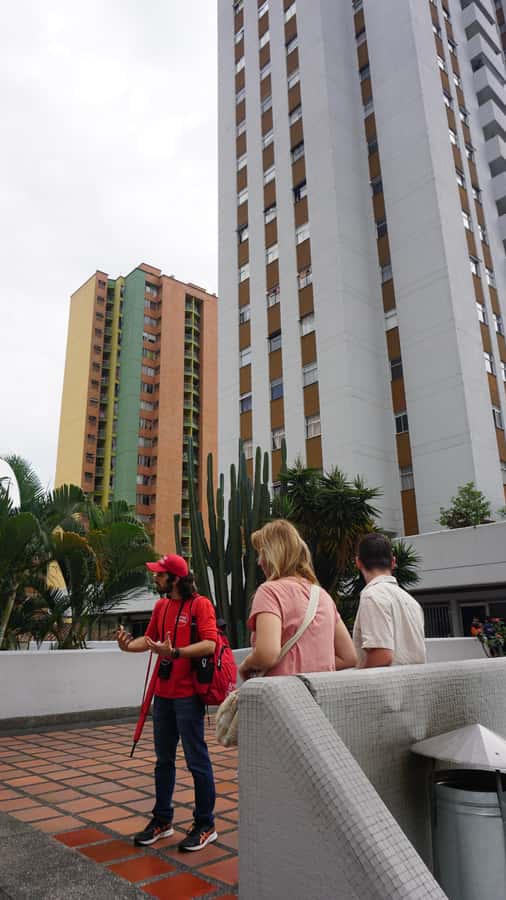
Your preparation can make a large difference. Start with comfortable clothing, walking shoes, water, and weather protection. Bring mosquito repellent during the rainy season from March through June, and keep sunblock handy.
The organizers ask you not to record video or audio, and alcohol and drugs are not allowed. Party groups are not suitable for this experience. Those rules fit the tone: this is a history and public memory tour, not a nightlife activity.
An open mind is more important than prior knowledge. You do not need to know every Colombian political group or memorize a timeline before arriving. You do need to accept that the guide will discuss painful material and that simple answers may not be available.
Prepare questions about how violence affected city life, how communities resisted, and what reconciliation means in an urban setting. The tour is designed to support that kind of conversation.
Who Will Get the Most From It
I would recommend this tour to you if you want Medellín explained through its people and institutions, not just its most famous criminal. It suits visitors who have already seen the main central sights and want to understand the forces behind the city’s transformation.
It is also a good choice if you are interested in peace processes, human rights, social movements, or modern Colombian history. The English-language format and 150-minute length make it accessible without taking up an entire day.
You may want to skip it if you are looking for a cheerful city orientation, a short photo walk, or a crime-themed entertainment tour. The material is serious, and the walking distance is substantial.
The reported overall rating is 4.1 from three reviews, with particularly strong praise for the guides. Cieran described Miguel as thorough and said the experience gave him much greater exposure to Colombian history. Abdelfattah praised Sebastian’s friendly, engaging, and enjoyable way of explaining the material. Those comments point to the tour’s biggest strength: a good guide can make a complicated subject understandable without making it shallow.
Should You Book This Medellín History Walk?
Book it if you want a grounded explanation of Medellín’s violence, post-cartel power, community resistance, and continuing work toward peace. At $13, the tour offers strong value, especially because it connects downtown places with a larger story and ends at Museo Casa de la Memoria.
Skip it if you want Pablo Escobar stories, dramatic crime scenes, or a relaxed sightseeing walk. You will walk about 5 kilometers, confront difficult subjects, and need to stay alert in crowded areas.
For the right audience, this is one of the more useful ways to understand Medellín. It asks you to look past the famous name and pay attention to the city’s harder, more human story.
FAQ
How long does the Violence and Post-Conflict tour last?
The activity duration is listed as 150 minutes, while the tour description says it lasts approximately three hours. Plan for about two and a half to three hours.
Where does the tour meet?
Meet at Parque San Antonio beside Botero’s bird sculptures. Beyond Colombia guides use red umbrellas at the meeting point.
Where does the tour finish?
The walking route finishes at Museo Casa de la Memoria.
Is this a Pablo Escobar tour?
No. The tour specifically focuses on Medellín’s wider violence and post-conflict period rather than making Pablo Escobar the central subject.
What language is the tour in?
The tour is offered in English with a live English-speaking guide.
How much walking is involved?
You will walk about 5 kilometers, with stops along the way for explanations and rest.
What should I bring?
Bring comfortable shoes, comfortable clothes, water or another drink, sunblock, and rain protection such as an umbrella or rainproof coat. Mosquito repellent may be useful from March through June.
Just added around Medellin
- Medellin: 4-Hour Zip-Line Adventure★ 5.0 · 3 reviews
- Medellin: Tour to The Cathedral – History of Pablo Escobar and his Impact★ 5.0 · 3 reviews
- Medellin: waterfalls and naturals poolls tour★ 3.7 · 3 reviews
- Guatapé & Coffee Farm, all in one day★ 5.0 · 3 reviews
- Comuna 13: Recorrido de Arte Urbano, Cultura y Resiliencia★ 5.0 · 3 reviews
- Medellin: Coffee Farm Tour & Spa with Overnight Glamping★ 4.5 · 3 reviews
- Colombia: Official Pablo Escobar Meet the Family Museum Tour★ 5.0 · 3 reviews
- Medellín: Coffee Tour Experience at a Coffee Farm★ 4.8 · 3 reviews
Medellín Tours, compared.

Comuna 13 Graffiti Tour, Cable Car & Street Food
Read our review →
Coffee Tour with Transport, Snacks and Tastings
Read our review →
Browse the lists this tour appears in