
Reviewed · COMUNA 13 & STREET ART TOURS
Bogotá: Graffiti Tour el mejor recorrido de arte urbano
Street art tells Bogotá’s story. This two-hour walk turns city walls into a guidebook, linking graffiti with Colombian history, artists, protest, and neighborhood life. I like the way the tour treats street art as more than decoration. It presents graffiti as a living practice tied to communities and social change.
I also like the small-scale, human feel suggested by the guide-led format. Guides such as Lifred, Ivonne, Luis, Giovanni, Christian, Fabian, and Yvonne have earned praise for clear explanations, patience, humor, and strong storytelling. My one caution is practical: the advertised price is $13, while the description also calls this a free graffiti tour, and the posted time windows do not perfectly match the stated two-hour duration. Confirm those details before you go.
In This Review
- Key reasons to consider Bogotá’s original graffiti walk
- Starting at Parque de los Periodistas
- Reading Bogotá through painted walls
- A walk through many kinds of street art
- Art, protest, and Colombia’s public story
- Why the guides matter so much
- The $13 price and what you receive
- Is the route suitable for you?
- Small details that improve the experience
- Should you book the Bogotá Graffiti Tour?
- FAQ
- Where does the Bogotá Graffiti Tour begin?
- How long does the tour last?
- What time does the tour operate?
- What language is the live tour guide?
- Is the tour wheelchair accessible?
- How much does the tour cost?
- Can I cancel the booking?
- Can I reserve before paying?
Key reasons to consider Bogotá’s original graffiti walk
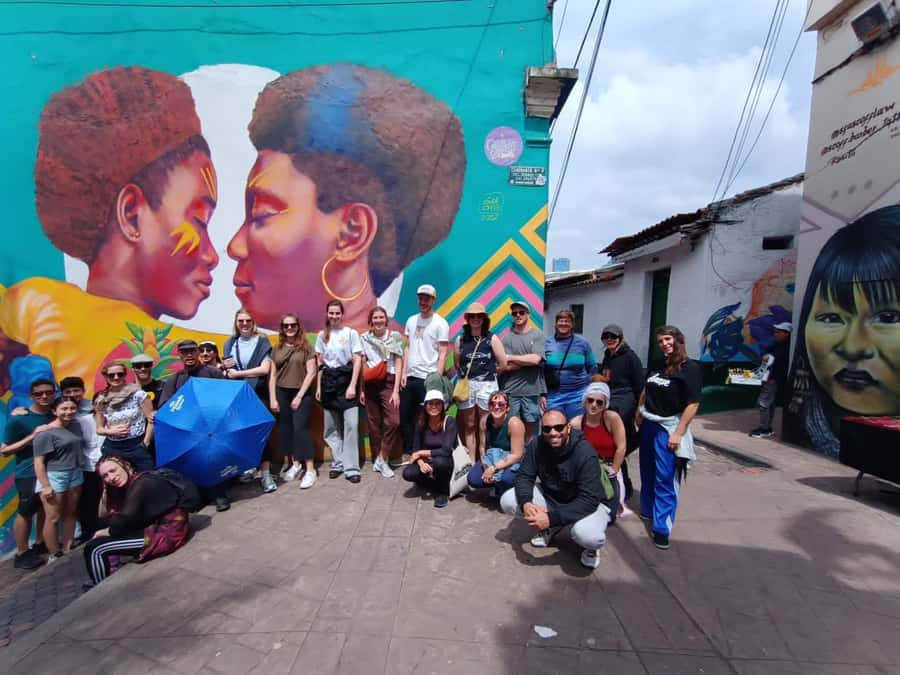
- The walls become a history lesson: You learn how Bogotá’s graffiti movement connects with Colombian history and public protest.
- Guides explain the details: Ivonne, Lifred, Luis, Giovanni, Christian, Fabian, and Yvonne are praised for patient answers and engaging stories.
- Art comes in many forms: Expect varied street art, from large collaborative works to smaller details and basic graffiti techniques.
- A local social mission adds meaning: The organization supports artists, community houses, cultural centers, schools, foundations, and communities at risk.
- The meeting point is central: The walk begins at Parque de los Periodistas, at Jiménez Avenue and Carrera 4.
- The price offers strong value: At $13 for two hours, you get a guided cultural introduction rather than just a stroll past painted walls.
Starting at Parque de los Periodistas
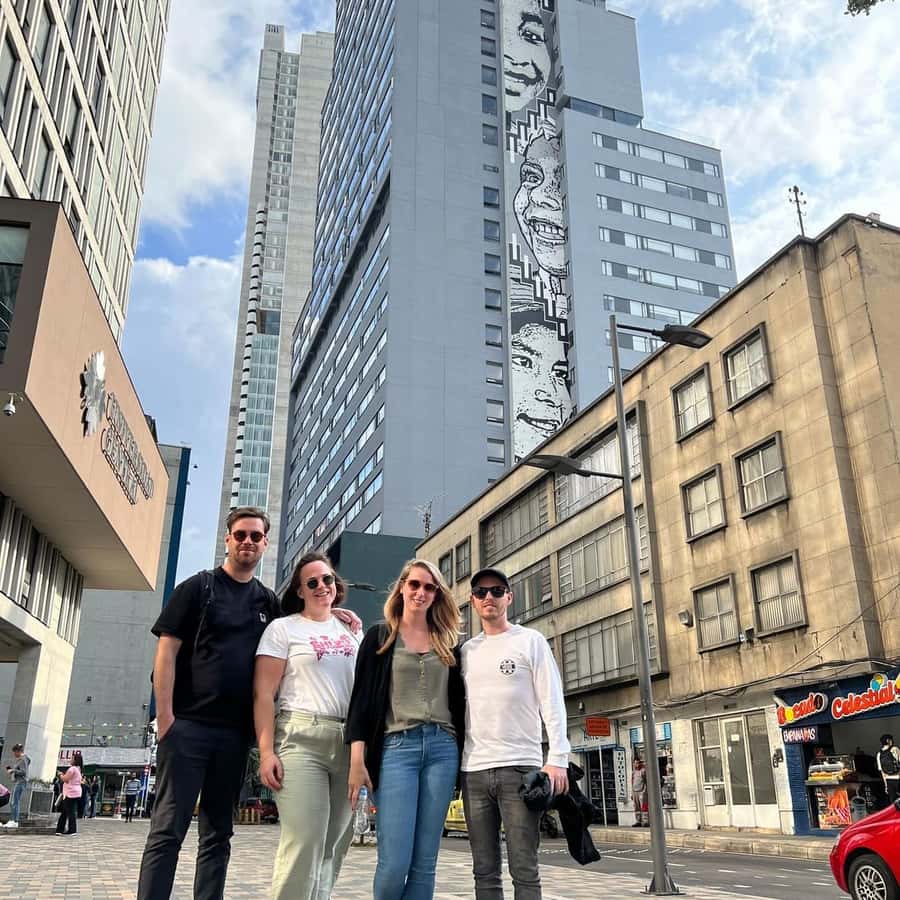
You meet at Parque de los Periodistas, near Jiménez Avenue and Carrera 4. This gives the tour a useful city-center starting point, especially if you are already exploring Bogotá’s central districts.
The meeting point matters because street art is best understood in place. You are not entering a gallery where every work has been removed from its setting. You begin among public streets, buildings, pedestrians, and the urban details that give the art its purpose.
The description lists daily departures at 10:00 a.m. and 2:00 p.m. It also gives time ranges of 10:00 a.m. to 12:30 p.m. and 2:00 p.m. to 4:30 p.m., while the activity itself is described as two hours. Because those details do not line up exactly, I would confirm the precise start and finish time before booking.
The tour is offered in English, and the operator also advertises Spanish, German, and French options. The activity information specifically identifies the live guide language as English, so contact [email protected] if you need another language or want to check the day’s arrangement.
More Comuna 13 and street art walks:
- Bogotá: La Candelaria Graffiti & Urban Art Guided Tour
★ 4.7 · 250 reviews - Fun Graffiti Workshop: The Art of Aerosol and Color
★ 5.0 · 73 reviews - Graffiti Tour in La Candelaria Bogotá with Transportation
★ 5.0 · 68 reviews
Reading Bogotá through painted walls
The main appeal is not simply the amount of graffiti. It is the explanation behind it.
You learn about Bogotá’s graffiti movement, the artists who shaped it, and its links to the wider story of Colombia. That context changes how you look at a painted wall. A giant image is no longer just a photographable backdrop. It may express anger, identity, memory, humor, political criticism, or a conversation between artists and property owners.
Giovanni, one of the named guides, has been praised for explaining both the artists and the ideas behind their work. His approach includes graffiti as protest, along with collaborations between artists and building owners. That distinction is useful. It shows you that street art does not always come from conflict with property owners. Some works are invited, planned, and made through cooperation.
The tour also covers street art basics. Ivonne has explained the foundations of the art form while placing individual works in the context of Bogotá, Colombia, and the artists who made them. If you know little about tags, murals, stencils, or collaborative painting, this introductory layer helps you follow the discussion without needing prior knowledge.
You should expect interpretation rather than a simple list of famous walls. The exact artwork sequence can change as the city changes. Paint fades, new work appears, and older pieces may be covered. That is part of the nature of outdoor art, though it also means the route may not look identical from one visit to the next.
A walk through many kinds of street art
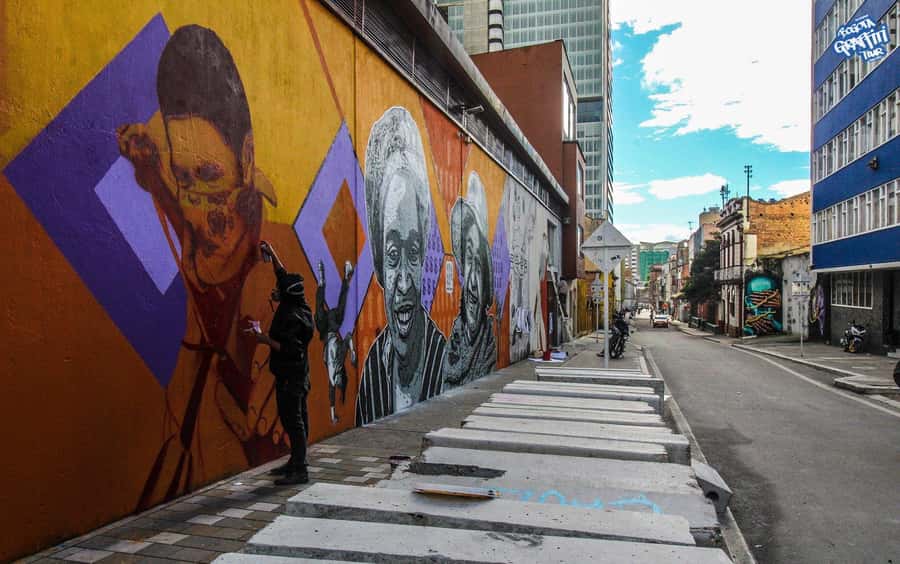
The tour promises varied graffiti, and the descriptions from past participants point to a mix of representative examples and smaller details. You might see work that is easy to admire from across the street, then stop to examine lettering, technique, symbols, or a hidden element that is easy to miss alone.
That is one of the strongest reasons to take a guided route. Bogotá has plenty of painted walls, but quantity can become visual noise. A guide helps you slow down and understand why one section matters, how a work was made, or what connection it has to the city.
You will likely spend much of the two hours walking between outdoor artworks. The experience is therefore more active than a museum visit, but it does not require special artistic skills. The tone described by Fabian was relaxed and informative, while other guides have been praised for keeping explanations clear and answering questions without rushing.
For you, the best moments may not be the largest murals. A guide can point out a detail that makes a work more personal or political. You may also see collaborative pieces where several artists contribute different styles. Those works help explain why Bogotá’s street art feels like a conversation rather than a collection of isolated paintings.
The tradeoff is that an outdoor art route depends on street conditions and the changing city. If you want a fixed collection with guaranteed works, a gallery is more predictable. If you want art in the setting where it was made and used, this walk offers more.
Art, protest, and Colombia’s public story
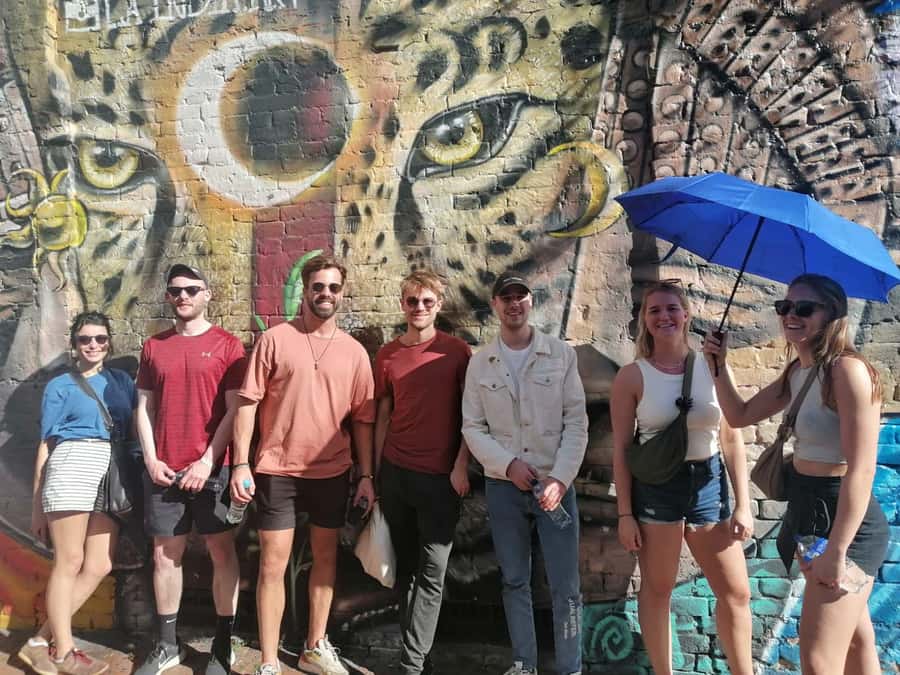
The tour’s strongest subject is the connection between graffiti and social expression. You are not only told who painted what. You hear how the art can act as protest and how public walls become places where ideas are made visible.
That makes this experience useful for anyone who wants more than an attractive photo. A mural can carry a message about the country, the city, community identity, or the relationship between citizens and public space. The guide’s job is to provide enough context for you to notice those layers.
Christian has been praised for linking street art with Colombian culture, while Antoine’s experience with Yvonne focused on Bogotá and Colombia beyond graffiti itself. That wider focus is important. You may arrive expecting a design-focused walk and leave with a better sense of how urban art reflects national conversations.
The operator describes graffiti as a tool for appropriation and change in communities. In plain terms, the goal is to help people take an active interest in the places where they live. The organization works with local, national, and international artists, community houses, cultural centers, foundations, district schools, and graffiti groups in different locations.
I appreciate that this social purpose is part of the experience rather than an afterthought. It gives the tour a clear reason to exist. You are paying for a walk, but you are also being introduced to a creative practice that supports community activity and public participation.
Still, you should keep your expectations realistic. The available information does not provide a detailed stop-by-stop route or name every artist and mural you will see. The value lies in the guide’s interpretation and the broader story, not in a guaranteed checklist of famous works.
A few more trips worth weighing up before you book
- Bogota: Bicycle City Tour
★ 4.9 · 2,156 reviews - Zipaquirá: Salt Cathedral Group Tour with Pickup
★ 4.8 · 1,606 reviews - Bogotá: Guided La Candelaria Walking Tour
★ 4.8 · 1,229 reviews - Bogotá: Private City Tour, Monserrate, Emerald and Botero
★ 4.9 · 798 reviews
Why the guides matter so much
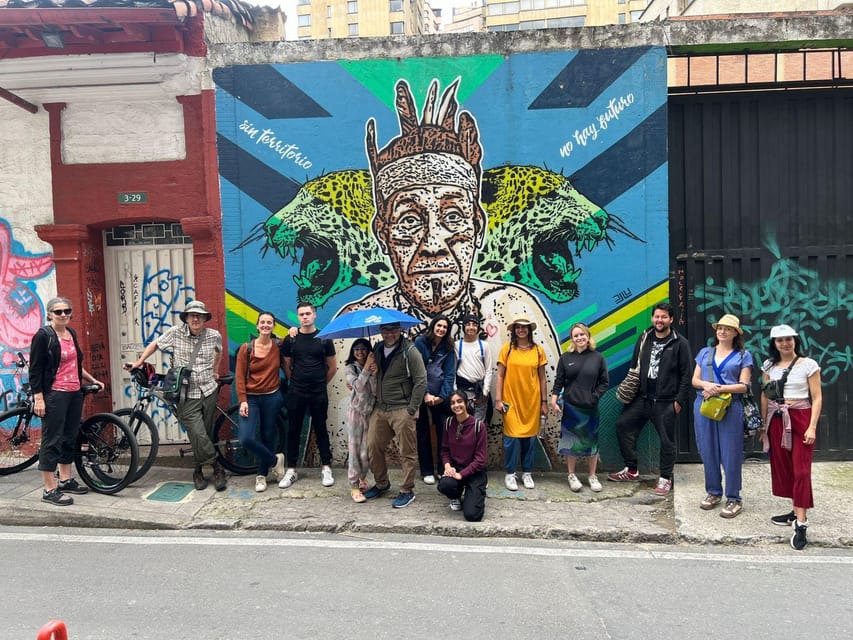
The strongest pattern in the feedback is the quality of the guides. People repeatedly praise their warmth, clarity, patience, and ability to answer questions.
Lifred is described as kind and well informed about the story behind the street art. Another participant said Lifred helped change the way they saw Bogotá’s streets. That is a useful measure of a city walk: the goal is not only to entertain you for two hours, but to give you a new way to read the city afterward.
Ivonne receives similar praise for explaining graffiti basics, city history, Colombian culture, and artist stories. She is also described as patient with questions. If you enjoy asking why a work was made, how a style developed, or what a symbol means, that patience can make a real difference.
Luis is praised for giving background information and taking time with questions. Giovanni is noted for discussing artists, protest, and collaborations with building owners. Christian brings passion for street art and Colombian culture, while Fabian is associated with a calm, easygoing style.
Because several guides lead the experience, your exact personality match may vary. That is normal for any guided tour. The consistent strength is the teaching style: friendly, story-based, and open to questions.
I would arrive ready to ask questions rather than simply follow the group. Ask about the artist, the subject, the technique, the wall’s owner, or how the work relates to Colombia. The more curious you are, the more you are likely to get from the walk.
The $13 price and what you receive
The stated price is $13 per person for a two-hour experience. That is a fair price if you want a guided introduction to Bogotá’s urban art rather than wandering without context.
You are paying for the guide’s time, route planning, explanations, and ability to connect separate works into a story. The price also compares well with the cultural value of a walk that covers artists, graffiti basics, protest, city history, and Colombian culture in one outing.
There is, however, an important wording issue. The activity information calls it a free graffiti tour, while the listed price is $13 and the included details mention both a free graffiti tour and a private tour. I would not assume what free means here. It may refer to the tour’s branding or a pay structure, but that is not clearly explained in the supplied details. Confirm the final cost and whether the booking is for a shared or private experience before you pay.
The description also offers cycle tours, city tours, urban art workshops, private and business tours, and design services. Those alternatives may suit you if a walking route is not enough, but the information here does not give their prices, durations, or exact formats.
The booking terms are flexible. You can reserve now and pay later, and cancellation is allowed up to 24 hours before the activity for a full refund. That helps if your Bogotá schedule is still moving around.
Is the route suitable for you?
The experience is listed as wheelchair accessible, which is useful information when planning your day. The activity is conducted outdoors and involves moving through city streets, but no further route details are provided. If you need specific information about surfaces, slopes, rest points, or transport between sections, contact the operator before booking.
This tour suits you best if you:
- Want a strong introduction to Bogotá’s street art
- Enjoy history and social context alongside visual art
- Prefer a guide who welcomes questions
- Have about two hours for a central city walk
- Want to see public art in its original setting
- Are curious about Colombian culture and protest art
It may be less suitable if you want a silent photography walk, a fixed museum-style collection, or a detailed technical workshop. The tour includes basic graffiti instruction, but it is primarily a city walk and cultural explanation, not a hands-on painting class.
The daily schedule makes it easy to fit into a larger day. A morning departure leaves time for lunch and other sights, while the afternoon option works well after exploring another part of central Bogotá. Since the meeting point is at Parque de los Periodistas, you can plan your surrounding activities around a central starting place.
Small details that improve the experience
Wear shoes you can walk in and come prepared to look upward, across wide walls, and down at small painted details. The available information does not specify weather arrangements, so asking the operator about rain plans is sensible.
Keep your phone ready, but do not let photography replace the explanation. The most useful part of the walk is often the story behind a work, especially when the guide explains protest, technique, or collaboration with a building owner.
Give yourself enough time to reach Parque de los Periodistas. Use the exact meeting details, Jiménez Avenue with Carrera 4, and contact [email protected] if anything is unclear.
Most of all, treat the tour as an introduction, not the final word on Bogotá’s street art. The city changes quickly. You may notice new work later in your trip because the guide has taught you what to look for.
Should you book the Bogotá Graffiti Tour?
I would book it if you want an affordable, thoughtful way to see Bogotá through its public art. The strongest reasons are the guides, the connection between graffiti and Colombian history, and the chance to understand protest and community work instead of simply photographing colorful walls.
The consistent praise for Lifred, Ivonne, Luis, Giovanni, Christian, Fabian, and Yvonne suggests that the human side of the tour is its greatest asset. You are likely to get a friendly explanation, useful context, and patient answers.
Before booking, confirm the price, the meaning of the free-tour wording, the exact duration, and whether your departure is shared or private. Once those points are clear, this is an easy experience to recommend for first-time visitors and anyone who wants to see Bogotá with sharper eyes.
FAQ
Where does the Bogotá Graffiti Tour begin?
The meeting point is Parque de los Periodistas in Bogotá, at Jiménez Avenue and Carrera 4.
How long does the tour last?
The activity is listed as two hours. The posted departure windows run from 10:00 a.m. to 12:30 p.m. and from 2:00 p.m. to 4:30 p.m., so confirm the exact end time when booking.
What time does the tour operate?
The tour is advertised every day, with morning and afternoon departures listed at 10:00 a.m. and 2:00 p.m.
What language is the live tour guide?
The activity information lists English as the live guide language. Spanish, German, and French tours are also advertised, so contact the operator to confirm availability.
Is the tour wheelchair accessible?
Yes. The activity is listed as wheelchair accessible.
How much does the tour cost?
The listed price is $13 per person. The description also uses the term free graffiti tour, so confirm the final price and payment arrangement before booking.
Can I cancel the booking?
Yes. You can cancel up to 24 hours in advance for a full refund.
Can I reserve before paying?
Yes. The booking option allows you to reserve now and pay later.
Just added around Bogota
- Zipaquirá: Private Salt Cathedral Mine and Walking Tour★ 4.8 · 3 reviews
- Walking tour José Celestino Mutis Botanical Garden 3 hrs★ 5.0 · 3 reviews
- Bogota: East Hills Mountain Hike★ 4.2 · 3 reviews
- Fun Graffiti Workshop: The Art of Aerosol and Color★ 5.0 · 3 reviews
- Bogota: Explore the forest and bird watching at Chicaque Natural Park★ 5.0 · 3 reviews
- Bogota: Downtown City and Monserrate Hill Private Tour★ 3.7 · 3 reviews
- Bogotá: La Candelaria Food Tour with Tastings★ 4.2 · 3 reviews
- Bogotá: Candelaria Tour with Cacao and Coffee Workshop★ 5.0 · 3 reviews
Comuna 13 & Street Art Tours, compared.
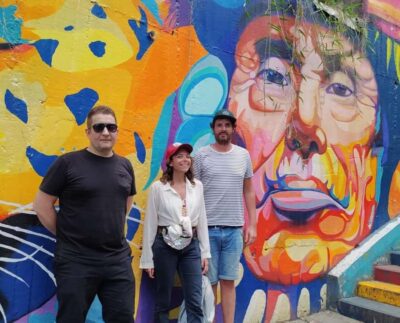
Comuna 13 Graffiti Tour, Cable Car & Street Food
Read our review →
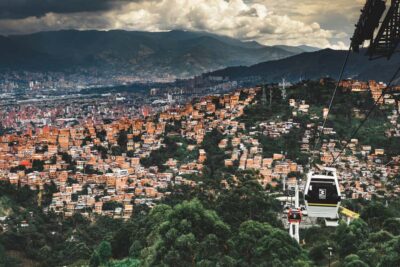
Private City Tour with Metrocable and Comuna 13
Read our review →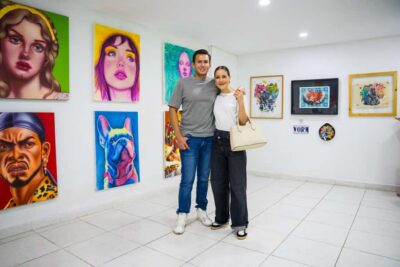
Comuna 13 Tour with Snacks And Your Own Graffiti
Read our review →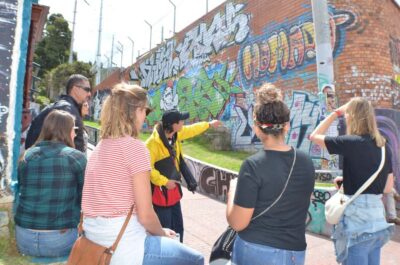
Comuna 13 and Graffiti Guided Tour with a Local
Read our review →
Browse the lists this tour appears in