
Reviewed · MEDELLíN TOURS
Pablo and the drug trafficking world
Medellín’s past is closer than it looks. This four-and-a-half-hour tour connects Pablo Escobar’s former home, private prison, teenage neighborhood, grave, and final hideout while explaining how drug trafficking reshaped the city and Colombia. I like the maximum group of four, which gives you time to ask direct questions, and I like the use of old photographs to show how places looked during Escobar’s rise. The main drawback is the amount of time spent in a car, though that is also what makes the far-flung stops possible.
The tour costs $50 per person and includes transport from Laureles or Poblado, an English or Spanish guide, and pickup coordination through WhatsApp. Juan Eduardo, also called Eduardo by some customers, receives especially strong praise for his clear English, punctuality, patient answers, and thoughtful treatment of a painful subject. This is not a light sightseeing outing. It is best for adults and older children who want context, not just crime stories.
In This Review
- Key points to know before booking
- What this tour tries to explain about Medellín
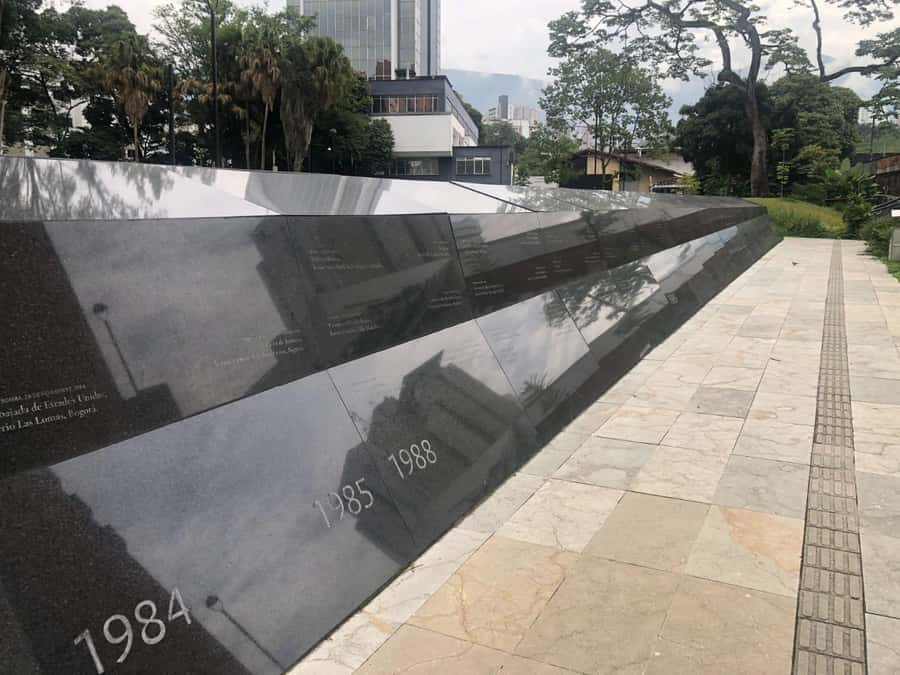
- Stop one: Escobar’s former home and a memorial setting
- Stop two: La Catedral, the prison Escobar built
- Stop three: Cancha El Dorado and the neighborhood years
- Stop four: Jardines Montesacro and the grave
- Stop five: The house where Escobar was hiding
- Why the private car matters in Medellín traffic
- English, Spanish, and the value of a small group
- Price, timing, and what to bring
- Who should book this Medellín history tour?
- Should you book it?
- FAQ
- How long does the tour last?
- How much does the tour cost?
- Which languages are available?
- What locations does the tour visit?
- Where does pickup take place?
- Is transportation included?
- Can I cancel the booking?
Key points to know before booking
- Five major Escobar-related locations: See his former home, La Catedral, the area where he grew up, his grave, and the house where he was found and killed.
- La Catedral is the signature stop: The mountain prison he built for himself is difficult for larger vehicles to reach, but this small car-based tour can make the climb.
- Juan Eduardo leads with photos and context: His binder and phone images help connect today’s sites with the people and events of the 1980s and 1990s.
- Small groups change the experience: With no more than four people, you can ask questions without shouting across a bus.
- The timing helps with traffic: Morning departures can reach the stops before larger groups, while afternoon pickups usually move through Laureles to handle rush-hour roads.
- Bring practical basics: Carry sunscreen, cash for water or snacks, a copy of your passport, and any personal medication.
What this tour tries to explain about Medellín
Pablo Escobar tours can easily become a parade of notorious addresses. This one aims for something more useful: placing Escobar’s rise inside the wider story of Medellín and Colombia.
Your guide explains how Escobar became involved in drug trafficking, how the Medellín cartel grew, and how violence affected more than the people inside the criminal organization. The presentation uses photographs, names, dates, and examples to make the story easier to follow. That matters because the locations alone do not tell you much. A grave is only a grave until you understand the power, fear, and political damage connected to it.
I also appreciate that the tour is described as a serious account rather than a celebration of Escobar. The subject still attracts visitors because of television series and true-crime documentaries, but the tour tries to separate entertainment from the real cost paid by Colombian people. You will hear about the cartel, Escobar’s public image, and the destruction left behind, along with the city’s efforts to rebuild.
The guide’s role is central. Juan Eduardo is praised for speaking excellent English, handling questions, and explaining both Escobar’s criminal work and his impact on local communities. Several customers also valued his willingness to challenge outdated ideas about Medellín. That is an important part of the tour. The city is not frozen in its most violent decades, and the point is to understand both what happened and what has changed.
A few more trips worth weighing up before you book
- Medellin: Comuna 13 Graffiti Tour, Cable Car & Street Food
★ 4.8 · 9,046 reviews - Medellín: The Real Pablo Escobar Tour
★ 4.8 · 3,205 reviews - Medellín: Comuna 13 True Story and Street Food Tour
★ 4.9 · 1,779 reviews
Stop one: Escobar’s former home and a memorial setting
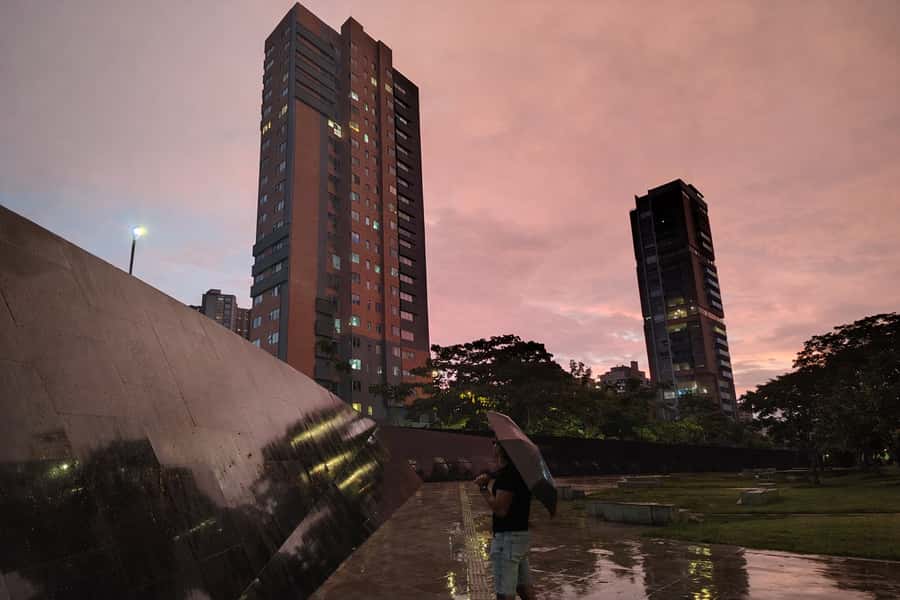
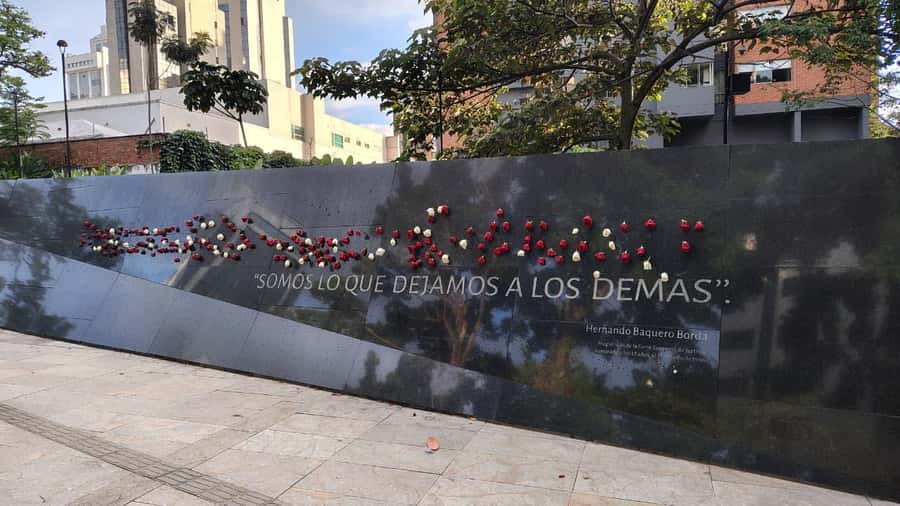
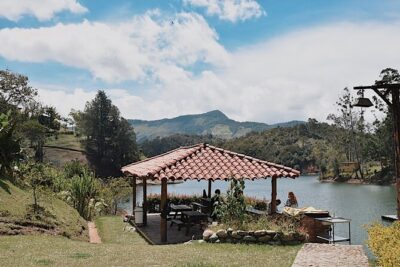
The first major stop is the site of one of Escobar’s houses, now presented as a memorial park. This is a useful opening because it introduces the gap between the man’s public image and the damage caused by his organization.
Expect around 25 minutes here. That gives you time to hear the background, look around, and take photographs if you want them. The guide uses images from the past to help you picture the property during Escobar’s lifetime, rather than leaving you to stare at a modern site without context.
This stop is also a reminder to keep your expectations in check. The tour does not promise a preserved mansion filled with original furniture. Much of the value comes from the explanation, the old images, and the connection to the larger story. If you are interested in architecture or intact historic interiors, this may feel brief. If you want a clear starting point for the Escobar timeline, it works well.
Stop two: La Catedral, the prison Escobar built
La Catedral is the most unusual stop and the reason many people choose this tour over cheaper or larger alternatives. Escobar was sent there as part of a controversial arrangement, but the prison was built to suit him. It was not a normal prison in the usual sense, and its mountain location made it a striking symbol of his influence.
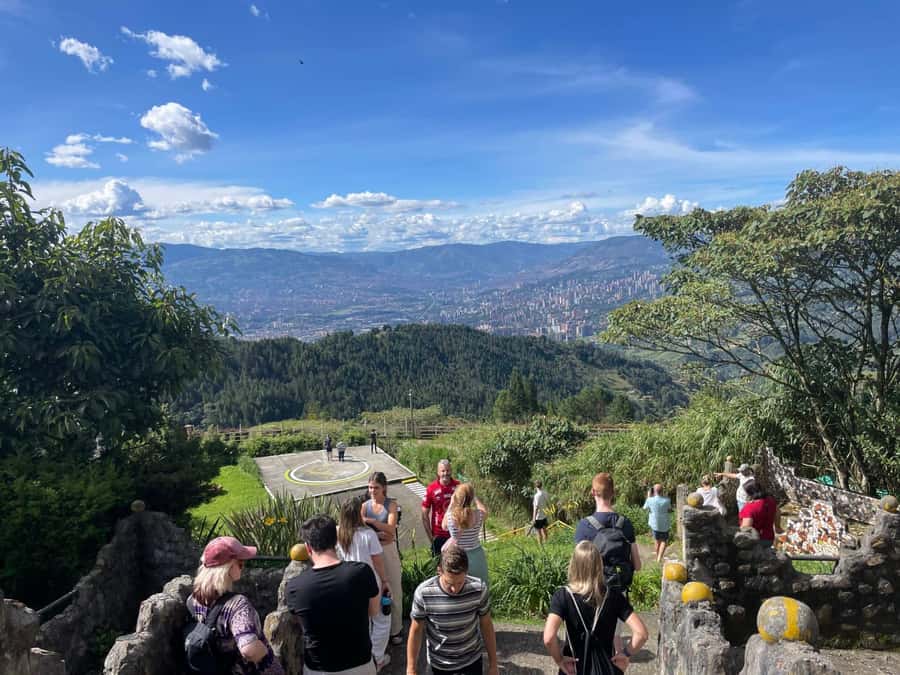
The site is reached by climbing into the hills, where the views over Medellín become part of the experience. Several people describe the mountain road and city views as highlights. A private car is valuable here because large buses may not manage the same route easily.
Allow about 25 minutes at this stop. The guide explains what La Catedral was, how Escobar used it, and why the arrangement caused such outrage. The setting helps you understand the physical separation from the city below, but the stories provide the real substance.
One practical warning: the helipad shown in promotional imagery is no longer accessible. You can still visit the prison site, hear the account of Escobar’s time there, and see the views, but do not expect every photographed area to be open.
La Catedral can also involve uneven ground and a mountain road. The information provided does not promise a fully accessible route, so anyone with mobility concerns should ask the operator before booking. The tour is also not designed for children under eight or people over 75.
Stop three: Cancha El Dorado and the neighborhood years
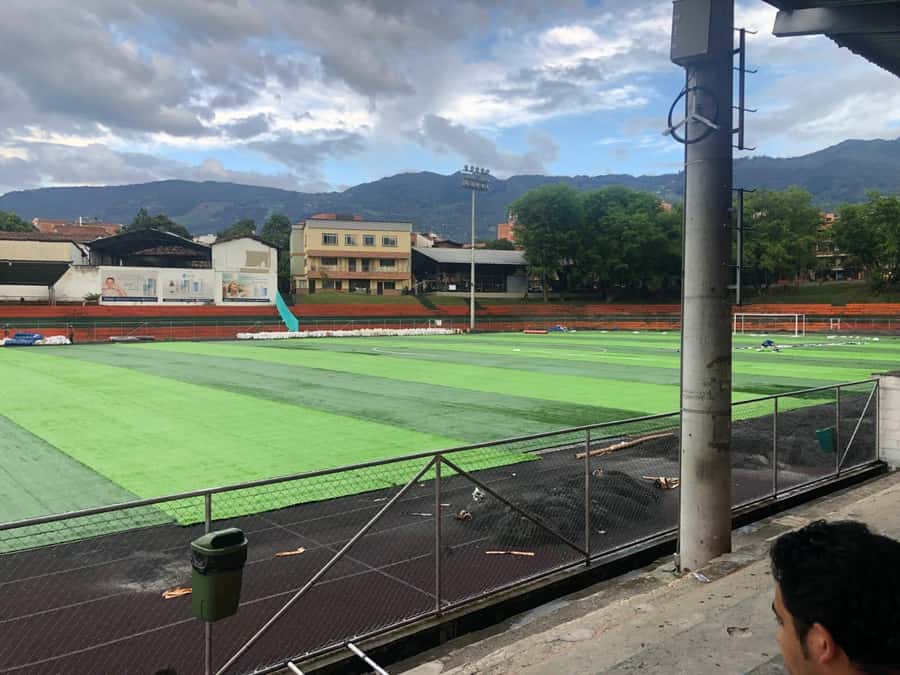
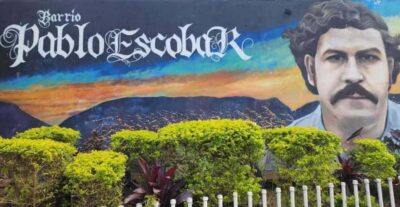
The third stop is Cancha El Dorado, where you spend about 15 minutes. This location connects with the period when Escobar was growing up as a teenager and helps shift the focus away from the cartel at its peak.
That change of scale is valuable. You are not only looking at prisons, graves, and crime scenes. You are also considering the person’s early surroundings and the setting in which his ambitions developed. The guide uses photographs and stories to connect the neighborhood with the broader Medellín of that era.
This is a short stop, and you should not expect a large museum or formal exhibit. Its strength is the narrative. You can ask questions, take a few photos, and use the location as a prompt for the guide’s explanation. There is also a bathroom at this stop, which is useful because the route lasts several hours and facilities are not guaranteed at every location.
A completely different kind of day out around Medellín:
- Medellín: Comuna 13 District Tour with Cable Car Ride
★ 4.8 · 1,467 reviews - Medellin: Coffee Tour with Transport, Snacks and Tastings
★ 4.7 · 1,357 reviews - From Medellín: Paragliding Tour with GoPro Photos & Videos
★ 4.9 · 1,210 reviews - Tour Guatapé
★ 5.0 · 865 reviews
Stop four: Jardines Montesacro and the grave
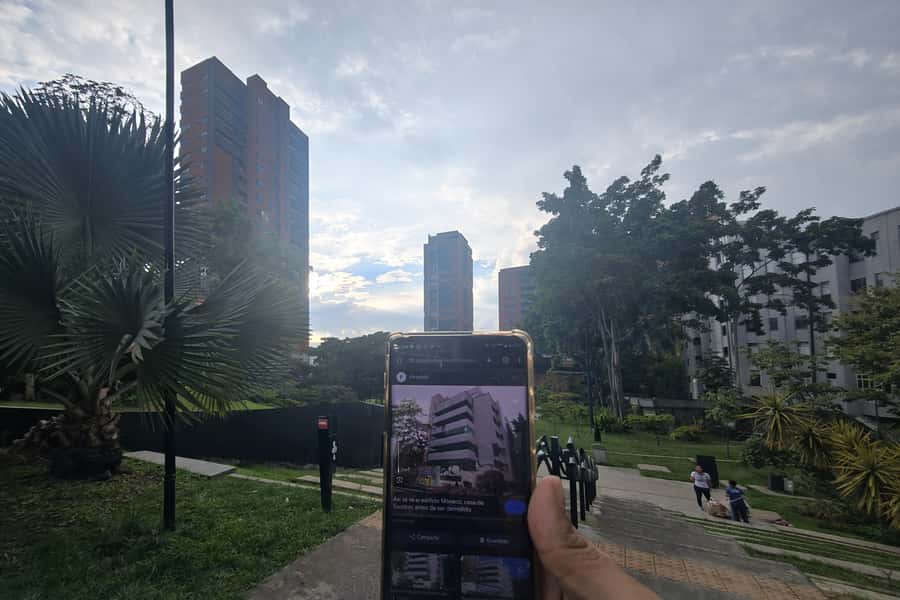
At Jardines Montesacro, you visit the cemetery where Pablo Escobar is buried. The planned stop lasts about 20 minutes.
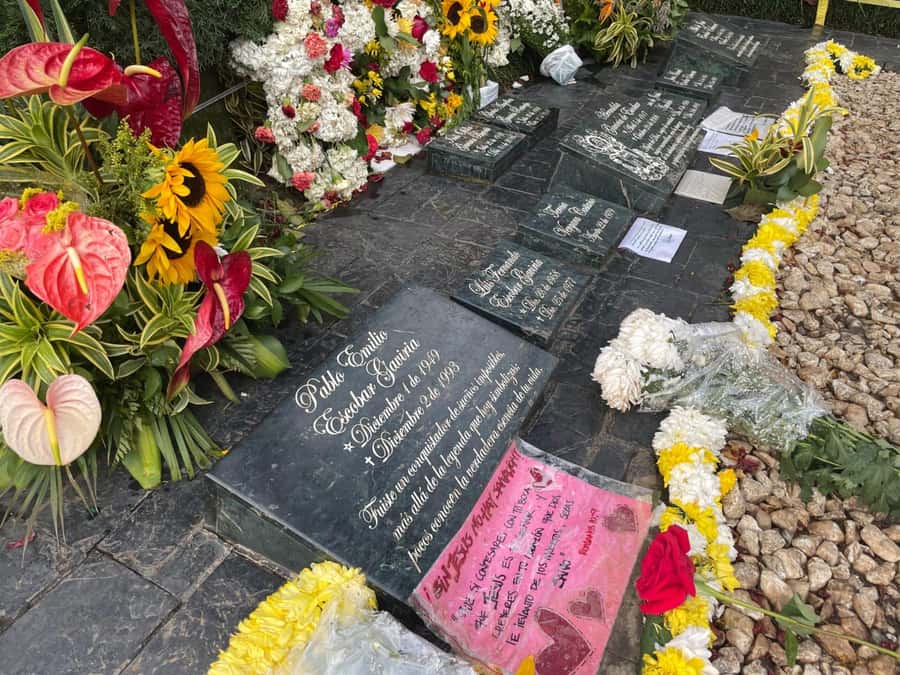
A grave can feel uncomfortable in a tour built around a criminal figure, and that discomfort is part of the point. The site draws attention because Escobar remains famous, but the guide helps place the burial in the context of his victims, allies, enemies, family, and the public memory of the violence.
You will have time for photographs if you choose to take them. Keep your behavior respectful. This is an active cemetery and a place of mourning, not a movie set.
For people who know Escobar mainly through television, this stop can correct the balance. The cemetery is not proof of the glamour attached to his legend. It is the final marker of a life that brought wealth to some, fear to many, and lasting pain to Colombia.
Stop five: The house where Escobar was hiding
The final listed stop is the house where Escobar was hiding when he was found and shot. You spend about 20 minutes there.
This is one of the strongest closing points because it brings the story to its end. After seeing the places connected with his power, prison, youth, and burial, you stand at the location tied to his final moments. The guide explains what happened and uses photographs to show how the site relates to the events.
The stop is not presented as a crime-scene spectacle. Its value comes from seeing how ordinary locations can carry enormous historical weight. You may find the setting less visually dramatic than La Catedral, but the narrative gives it importance.
The route descriptions also refer to a memorial park connected with the final section of the tour, so confirm the exact final stop when Eduardo contacts you. The operator sends meeting details through WhatsApp, and it is sensible to ask for the current route as well.
Why the private car matters in Medellín traffic
Transport is included from two possible meeting points: Éxito in Poblado or the Primer Parque de Laureles. The exact pickup point is sent the day before, so keep your WhatsApp number updated.
The tour uses a car rather than public transit or a large bus. That brings two clear benefits. You move between locations more efficiently, and the guide can continue explaining the story during the drives. Several people particularly liked being able to see photographs and ask questions in the car.
The route covers places spread across Medellín and the surrounding hills. A car also makes La Catedral possible for a small group, while larger vehicles may struggle with the mountain road. The tradeoff is that you spend plenty of time seated. If you want a walking tour with long visits at each site, choose something else.
Morning departures have another advantage: the group may reach the stops before larger tour parties. Afternoon tours usually meet in Laureles because rush-hour traffic can make the route more efficient from there. Ask for the start time and meeting place in advance rather than assuming the pickup will be near your hotel.
The tour finishes at Éxito Wow Poblado. One person reported being helped back to accommodation, but that should not be treated as a guaranteed inclusion. The advertised arrangement is pickup from the stated meeting points and a finish in Poblado.
English, Spanish, and the value of a small group
The tour runs in English or Spanish. It is also possible to have a bilingual group, which is useful for families or couples who speak both languages. The guide can explain the same material in both languages, though you should confirm your language needs when booking.
The four-person limit is one of the best features for this subject. Drug trafficking history raises awkward questions, and a small group lets you ask them without holding up a busload of people. Juan Eduardo is repeatedly praised for being friendly, funny when appropriate, and careful with difficult material.
The small size also creates a more personal rhythm. You can stop for a photograph, ask for clarification, or request a short pause without feeling lost in a crowd. The cost is higher than a basic group outing, but you are paying for private transport, a bilingual guide, a longer route, and access to La Catedral.
Price, timing, and what to bring
At $50 per person, the tour offers reasonable value if you want all five locations and transport. It lasts 270 minutes, or about four and a half hours. That is a substantial portion of a day, but the route covers widely separated sites and includes time for explanation at each one.
A monthly promotion offers 20 percent off, though you should check the current price and dates before booking. Snacks and drinks are not included. The driver can stop somewhere if you need supplies, but bring some cash for water or a quick purchase.
Pack:
- Sunscreen, especially for the first stop and the mountain areas
- A passport or copy of your passport
- Personal medication
- Cash for water or snacks
- Comfortable shoes for outdoor stops
You are asked not to bring weapons, sharp objects, alcohol, speakers, fireworks, or valuables. Smoking is not allowed in the vehicle or indoors, and intoxication is not accepted. Pets are not allowed, apart from assistance dogs.
Cancellation is free up to 24 hours before the tour for a full refund. You can also reserve and pay later, which helps if your Medellín schedule is still shifting.
Who should book this Medellín history tour?
I would choose this tour if you want a serious account of Escobar, the Medellín cartel, and the city’s recovery. It suits adults, true-crime followers, history students, and anyone who wants more than the standard city highlights. It is also a good choice for solo visitors who prefer a small group and want a guide who can offer direct help throughout the day.
I would be more cautious if you dislike long car rides, have difficulty with mountain routes, or want polished museums and preserved buildings. This is a site-based history tour, not a formal exhibition. Some locations are ordinary places whose meaning depends on the guide’s explanation.
There is also an optional chance to meet Escobar’s brother, who was formerly involved with the Medellín cartel. That is a separate experience with a separate fee, so consider it an add-on rather than part of the $50 tour.
Should you book it?
Book it if La Catedral matters to you and you want the full five-stop route in a small group. The combination of private transport, bilingual guiding, old photographs, and time for questions gives this tour more substance than a quick drive past famous addresses.
Skip it if you are looking for a light, family-friendly attraction or if the subject feels too grim. Medellín is far more than Escobar, and this tour focuses tightly on one painful chapter. For the right audience, though, it offers a useful way to understand why the city was once feared worldwide and how it has worked to move beyond that past.
FAQ
How long does the tour last?
The tour lasts 270 minutes, or about four and a half hours.
How much does the tour cost?
The listed price is $50 per person. A special monthly promotion offers 20 percent off during the promotion period.
Which languages are available?
The tour is available in English and Spanish. No other languages are included.
What locations does the tour visit?
The route includes Escobar’s former home, La Catedral, the area where he grew up as a teenager, his grave at Jardines Montesacro, and the house where he was hiding when he was found and shot.
Where does pickup take place?
Pickup is arranged from two possible meeting points: Éxito in Poblado or Primer Parque de Laureles. The exact point is sent by WhatsApp the day before.
Is transportation included?
Yes. Transportation from the stated meeting points is included, and the tour uses a car for the route between locations.
Can I cancel the booking?
Yes. You can cancel up to 24 hours in advance for a full refund. You can also reserve now and pay later.
Just added around Medellín
- Medellin: 4-Hour Zip-Line Adventure★ 5.0 · 3 reviews
- Medellin: Tour to The Cathedral – History of Pablo Escobar and his Impact★ 5.0 · 3 reviews
- Medellin: waterfalls and naturals poolls tour★ 3.7 · 3 reviews
- Guatapé & Coffee Farm, all in one day★ 5.0 · 3 reviews
- Comuna 13: Recorrido de Arte Urbano, Cultura y Resiliencia★ 5.0 · 3 reviews
- Shared Tour Medellin’s Violence & Post-conflict after Pablo★ 4.1 · 3 reviews
- Medellin: Coffee Farm Tour & Spa with Overnight Glamping★ 4.5 · 3 reviews
- Colombia: Official Pablo Escobar Meet the Family Museum Tour★ 5.0 · 3 reviews
Medellín Tours, compared.

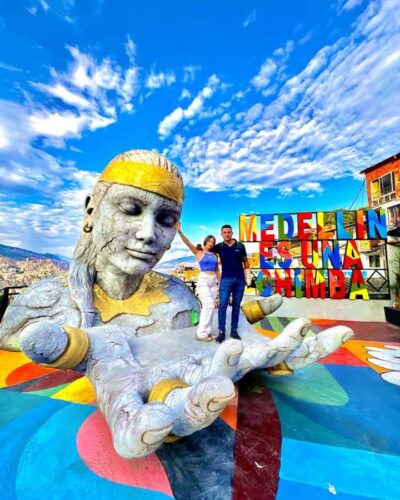
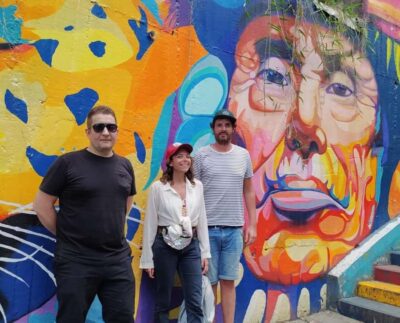
Comuna 13 Graffiti Tour, Cable Car & Street Food
Read our review →
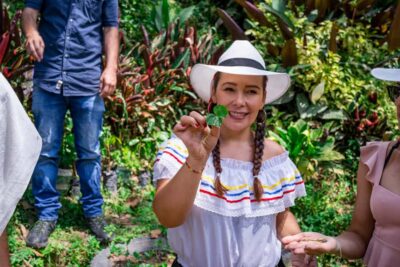
Coffee Tour with Transport, Snacks and Tastings
Read our review →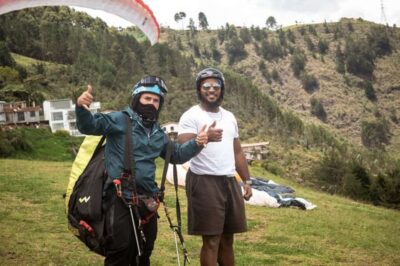
Browse the lists this tour appears in