
Reviewed · SHOPPING TOURS
Shared Tour Cali’s Local Food at Alameda Market
Cali’s best stories may be edible. This Alameda Market food tour connects local dishes with the people, geography, and family traditions behind them. I like the focus on real market life, and I like that the guide points out useful food preparations instead of simply handing you samples. The main drawback is the long walk, about 8 kilometers, with no transportation included.
The price is just $13 per person, though you should budget up to 40,000 Colombian pesos for food and drinks. English guiding is included, and Fernando has earned especially warm praise for his humor, friendliness, and ability to explain unfamiliar fruits and dishes. One practical caution: a recorded booking was canceled only an hour before it began, so keep a little flexibility in a tightly planned day.
In This Review
- Key points at a glance
- Why Alameda Market is the right place to start
- The first taste of Valle del Cauca
- Champús, Cucas, and homemade Cali flavors
- Fresh fruit and the taste of the Pacific
- A toast with Viche
- Food as work, income, and family knowledge
- The practical reality of an 8-kilometer food walk
- What the $13 price really covers
- Who will enjoy this tour most
- Should you book the Alameda Market food tour?
- FAQ
- Where does the Alameda Market food tour meet?
- How long does the experience last?
- Is the tour conducted in English?
- Is food included in the $13 price?
- Is the tour suitable for vegetarians?
- How far will I walk?
- Can I cancel my booking?
Key points at a glance
- Alameda Market is the center of the experience: You see how food, commerce, family income, and daily life meet under one roof.
- Cali’s regional flavors go well beyond the famous dishes: Expect conversation about Champús, Cucas, Tamal Valluno, Pandebono, Manjar, Borojó, and Viche.
- The tasting has a Pacific and Afro-Colombian thread: Traditional preparations show how culture and local ingredients shape what people eat.
- You walk about 8 kilometers: Comfortable shoes matter, especially because the route includes crowded areas and standing stops.
- The food budget is separate: The tour costs $13, but trying everything can add up to 40,000 COP.
- Fernando is a highly praised guide: His humor and friendly manner have made a strong impression on people joining this experience.
Why Alameda Market is the right place to start
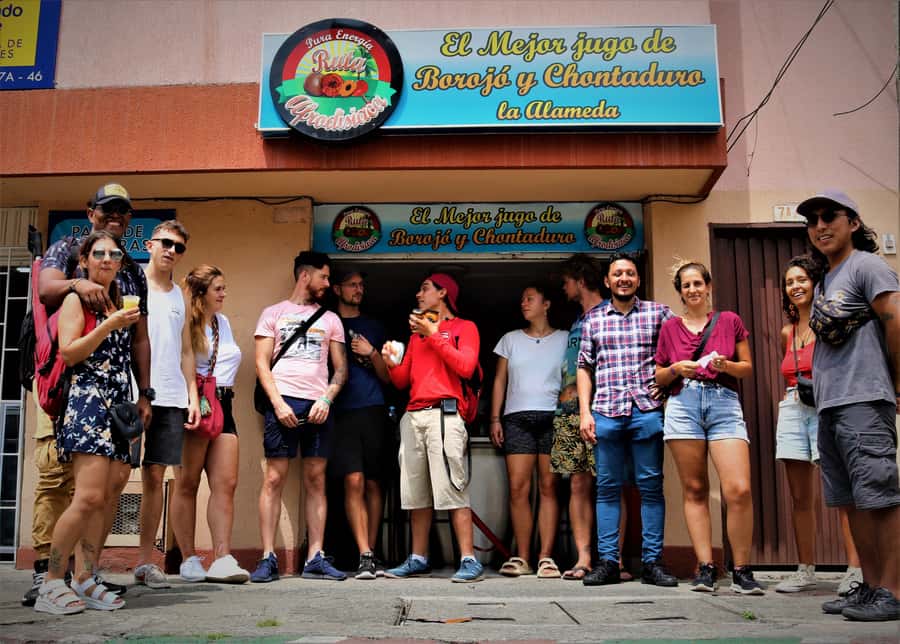
The tour meets at Parque Alameda, where you look for the Beyond Colombia team under red umbrellas. This is a practical meeting point because you begin near the market itself rather than spending part of the tour in a vehicle.
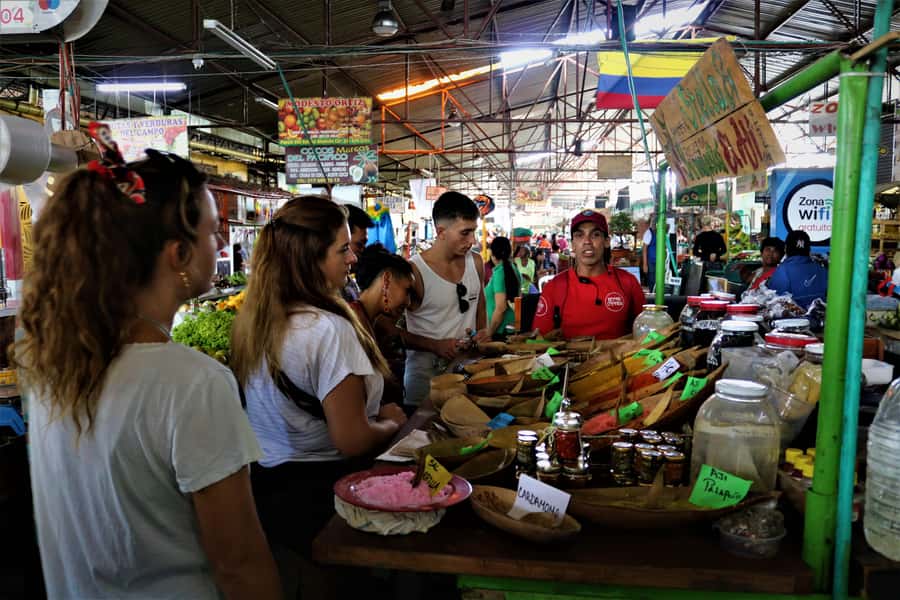
That direct start tells you something about the experience. This is not a polished restaurant crawl built around neatly arranged plates. Alameda Market is a working market, with vendors selling fresh produce, prepared foods, clothing, crafts, and household goods. The food is part of a much larger system of daily trade.
I like that setting because it gives the dishes some context. A fruit juice is not just a refreshing drink here. A traditional preparation is not just a recipe. Food helps explain who earns a living in the market, which ingredients grow in Valle del Cauca, and how families pass techniques from one generation to the next.
You should expect noise, crowds, changing smells, and uneven walking conditions. Keep your belongings close, especially in busy areas. The local phrase no des papaya, meaning do not make yourself an easy target, is useful advice in any crowded market.
More Food & Drink Tours in Cali
- The Cali Street Food Walking Tour
★ 5.0 · 81 reviews - Cali: Street Food Tour
★ 4.8 · 71 reviews - Street Food Tour – Live A Unique Gastronomic Experience
★ 5.0 · 34 reviews
The first taste of Valle del Cauca
The guide introduces the regional food traditions before the tasting develops. That order makes sense. You get a better feel for what you are eating when you understand the meeting of Afro-Colombian, Indigenous, and European influences in the region.
Valle del Cauca has a wide range of climates and habitats, and the tour connects that biological variety with its food. Fruits, grains, herbs, peppers, oils, and local drinks all reflect what can be grown, traded, preserved, or prepared in the area.
The focus is not only on famous dishes. You may hear about Tamal Valluno, Pandebono, Manjar, and unusual fruit juices such as Borojó. Each name points to a different part of local cooking, from savory wrapped food to baked snacks, sweets, and strong fruit flavors.
I especially like the promise of useful preparations. The guide discusses traditional techniques and ancestral ingredients, so you are not simply told that a dish is typical. You learn how food can be practical, filling, portable, celebratory, or made from what families have available.
The tasting is designed for an open mind. You might encounter combinations that seem unfamiliar if your idea of Colombian food comes mostly from restaurant menus. The tour openly embraces sweet, salty, oily, spicy, and hearty flavors, so it is better suited to curious eaters than cautious samplers.
Champús, Cucas, and homemade Cali flavors
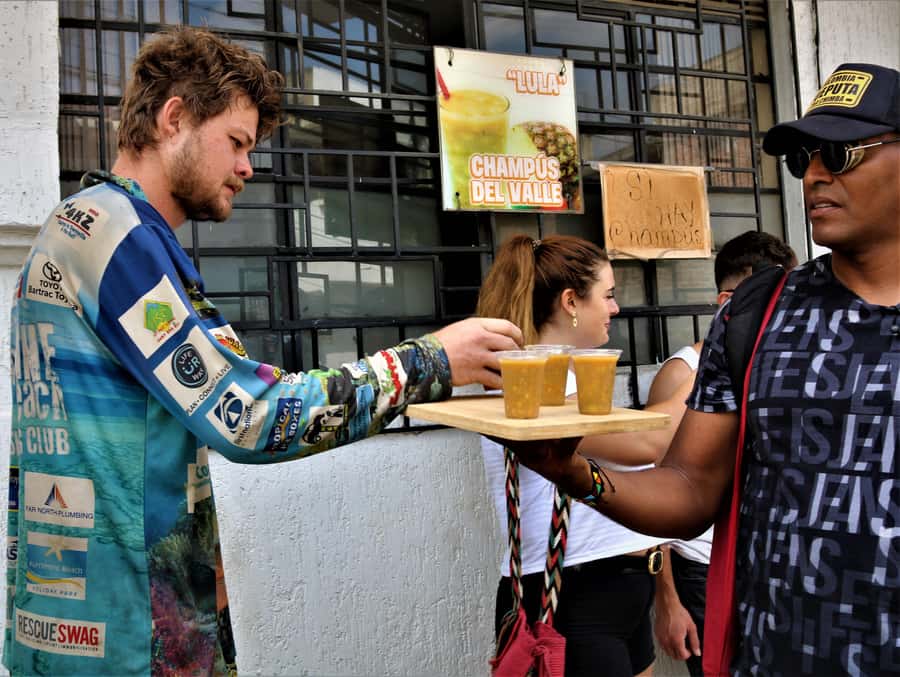
Two foods named for the tour are Champús and Cucas, both associated with homemade local cooking and caleña food traditions. The guide takes you to places inside the market where you can try preparations made by local women.
Champús offers a useful lesson in how regional food can sit between drink, snack, and tradition. It is one of the flavors that helps show how ingredients and methods from different cultural backgrounds have mixed over time.
Cucas provide another window into home cooking. These traditional cookies are tied to the sweet side of Valle del Cauca’s food culture and make a good counterpoint to oily, salty, or spicy market dishes.
The value here comes from the explanation around the bite. Without context, you may remember only whether you liked a flavor. With a guide, you can connect it to family cooking, local identity, and the role of homemade food in the market economy.
Do not expect every stop to suit every palate. Some foods may be strong, unfamiliar, or more filling than you expect. People with food allergies should not book this experience, and vegetarians are welcome, but you should still explain your preferences clearly to the guide.
Fresh fruit and the taste of the Pacific
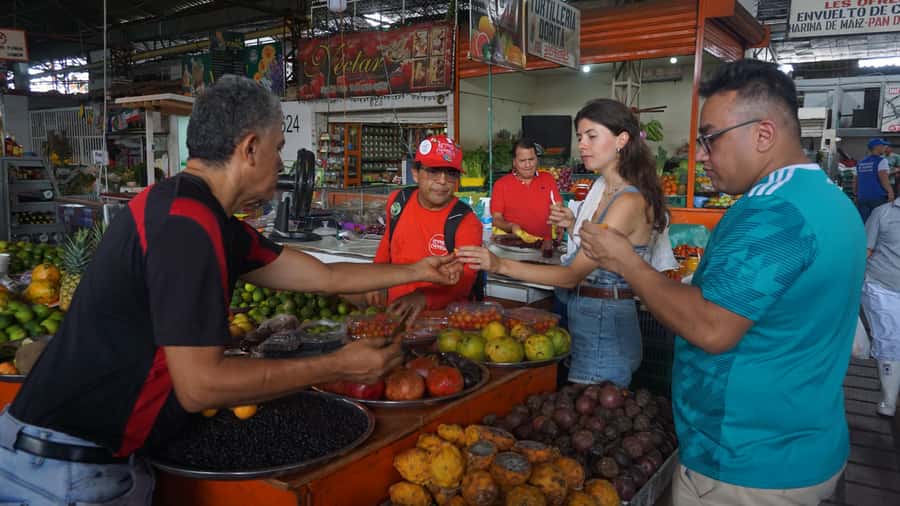
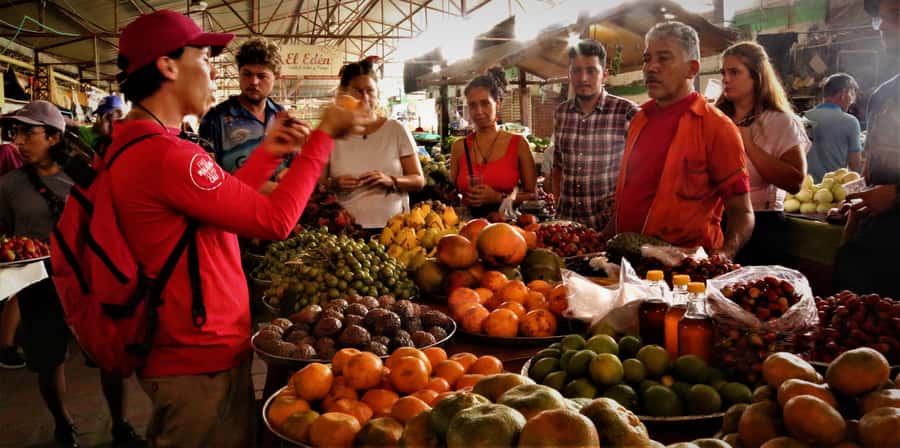
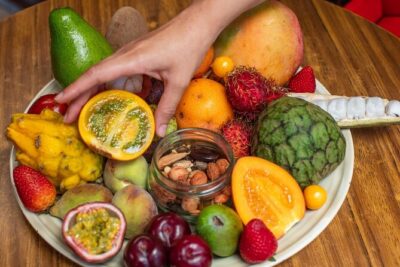
Fruit is one of the strongest reasons to choose this tour. The regional food tradition includes unusual juices, with Borojó specifically highlighted as a flavor worth trying. If your usual fruit list stops at mango, pineapple, and banana, Cali’s market can widen it quickly.
The guide also discusses the Pacific side of the region, where food traditions carry strong Afro-Colombian influence. This part of the tour gives the market visit a wider frame. You are not only sampling what is sold in Cali, you are seeing how foods from different parts of Valle del Cauca reach the city.
Fruit tasting can be one of the easiest ways to understand local geography. A juice reveals something about crops, transport, seasonality, and popular taste without requiring a formal museum display. It also keeps the tour grounded in the market’s everyday purpose.
Bring water, but leave room for samples. The tour lasts about 150 minutes, although the description also describes it as approximately three hours. Allow extra time rather than scheduling a bus, meal, or appointment immediately afterward.
More food tours:
- Coffee Tasting Experience in Cali
★ 5.0 · 13 reviews - Flavors of Cali: Food tour at the local market
★ 5.0 · 5 reviews - Craft Beer Pub Crawl in Cali
★ 5.0 · 4 reviews - Medellin: Comuna 13 Graffiti Tour, Cable Car & Street Food
★ 4.8 · 9,046 reviews
A toast with Viche
The tour includes traditional food from the Pacific and a toast with Viche, a local alcoholic drink. Viche has an important place in Pacific Colombian culture, and tasting it adds a drinkable link to the wider discussion of regional identity.
This is not a cocktail lesson or a bar tour. The drink appears as part of the food and cultural story, alongside the ingredients and methods that make Valle del Cauca distinctive.
If you do not drink alcohol, you should clarify what tasting alternatives are available before you go. The advertised experience includes Viche, but drinks are not included in the $13 price. Food, drinks, and souvenirs can cost up to 40,000 COP if you try the full range.
That separate tasting budget is still reasonable for a market experience, but it matters when comparing the tour with a fixed-price food tour. You pay a low guiding fee, then choose how much to buy. This gives you control, though it also means the final cost is not completely fixed.
Food as work, income, and family knowledge
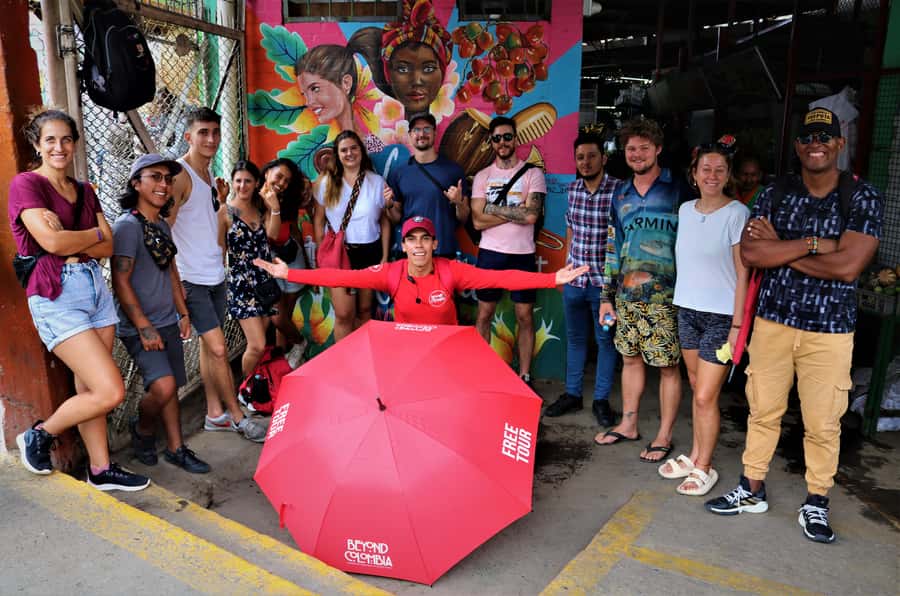
The most useful theme is the market’s role as a source of economic survival. Alameda is not presented as a stage set for visitors. Hundreds of vendors depend on the market, and the tour explains how food sales connect to household income and community life.
That point can change how you see the stalls. A vendor selling fruit, homemade sweets, prepared meals, or drinks is part of a local economy with its own rhythms and pressures. You get a closer view of how people use food to support families and keep traditions in circulation.
The guide also talks about the social meaning of regional preparations. Food can reveal who cooks, who sells, who buys, and which recipes remain important across generations. That is a stronger cultural experience than simply collecting a list of things you ate.
Beyond Colombia’s guides are expected to bring accurate information about Colombian gastronomy, and the repeated praise for Fernando points to the importance of the person leading the walk. He is described as funny, kind, and especially good at showing people unfamiliar things. His style appears to suit a relaxed group experience.
Because this is a shared tour, you do not get an exclusive guide. That keeps the cost low and gives you a chance to meet other people, but the pace and conversation will be shaped by the group.
The practical reality of an 8-kilometer food walk
Eight kilometers is a substantial walk for a food tour. You will make stops to eat and rest, but this is still an active outing rather than a short stroll between restaurants.
Wear comfortable shoes and light, practical clothing. A sun hat, water, biodegradable sunscreen, and insect repellent are recommended. Cali’s weather can shift, so bring a rainproof coat, cape, or umbrella rather than trusting a clear morning.
There is no transportation during the tour and no hotel pickup. You make your own way to Parque Alameda, then walk through the market and nearby areas with the guide.
The route is not suitable for wheelchair users. Crowded spaces, market surfaces, and the walking distance may also be difficult for anyone with limited mobility, even if they can walk some distance. If you have a food allergy, this is not the right experience.
Smoking, drugs, littering, and bringing your own alcohol are not allowed. Those rules fit the setting, where respect for vendors, food, and shared public space matters.
What the $13 price really covers
At $13, this is an affordable way to get an introduction to Cali’s food culture. The fee covers the Beyond Colombia professional guide, the walking tour, visits to authentic eating spots inside the market, and recommendations for places to return for lunch, coffee, or souvenirs.
It does not cover the food or drinks you choose. The full tasting budget can reach 40,000 COP, but you control how much you try. That arrangement works well if you want a guided introduction without committing to a large prepaid meal.
The recommendations may be just as useful as the samples. If you find a coffee shop, lunch counter, market stall, or souvenir store you like, you can return on your own after the tour.
There are no surprise entrance fees. You are not taken to attractions that suddenly demand extra payment, which keeps the cost easier to understand.
Free cancellation is available up to 24 hours before the start time, and you can reserve now and pay later. Still, the record of one cancellation an hour before departure is worth keeping in mind if your itinerary is packed. I would avoid placing an important connection right after the tour.
Who will enjoy this tour most
I would choose this experience if you want local food with explanation rather than a restaurant meal with little background. It suits people who enjoy markets, unfamiliar fruit, family recipes, and the chance to ask questions.
It is also a good first activity in Cali. The guide can point you toward places for lunch, coffee, souvenirs, and further food exploration. That practical orientation can save you from eating only in familiar international restaurants.
Vegetarians can join, and the tour includes suitable options. Still, you should be ready for a broad food culture that includes meat, oils, strong flavors, and alcohol.
I would think twice if you dislike crowds, need a fixed meal schedule, have serious food allergies, or prefer private transportation. The route is active, shared, and flexible rather than polished and predictable.
Should you book the Alameda Market food tour?
Book it if you want an inexpensive, active introduction to Cali through its food stalls, local drinks, fruit, and everyday commerce. The combination of market access, cultural explanation, and tasting choice gives the $13 fee good value, provided you set aside extra money for what you eat.
The strongest reason to go is the human side of the experience. You are not only trying Champús, Cucas, Borojó, or Viche. You are learning why these foods matter and how the market helps sustain local life.
Skip it if 8 kilometers sounds tiring or if you need a fully accessible route. For everyone else, bring comfortable shoes, a rain layer, an open mind, and a little cash for the flavors that catch your attention.
FAQ
Where does the Alameda Market food tour meet?
Meet at Parque Alameda, where you will look for the Beyond Colombia team with red umbrellas.
How long does the experience last?
The stated duration is 150 minutes, though the tour description also says approximately three hours. Allow extra time in case the walk and tasting stops run long.
Is the tour conducted in English?
Yes. The experience includes a live English-speaking guide.
Is food included in the $13 price?
No. Food, drinks, and souvenirs are separate. Trying the full range may cost up to 40,000 Colombian pesos.
Is the tour suitable for vegetarians?
Yes. The experience is marked as suitable for vegetarians.
How far will I walk?
You should expect to walk about 8 kilometers, with stops for eating and resting. Transportation is not provided during the tour.
Can I cancel my booking?
Yes. You can cancel up to 24 hours in advance for a full refund. You can also reserve and pay later.
More Shopping Tours
- Fruit Tour at the World’s sweetest Market
★ 5.0 · 67 reviews - VIP Bogota City Tour: Farmers Market, Monserrate, Candelaria, 9hr
★ 5.0 · 66 reviews - Private Tour to Comuna 13 & Exotic Fruit Market in Medellin!
★ 5.0 · 41 reviews - Shared Tour of Colombian Exotic Fruit at Paloquemao Market
★ 4.7 · 20 reviews
More Markets
- Cali: Fruit Market Walking Tour with Tastings
★ 4.6 · 7 reviews - Medellín Multi-sensory Tour in the market, +15 Exotic Fruits
★ 5.0 · 113 reviews - Bazurto Public Market
★ 5.0 · 81 reviews - PALOQUEMAO MARKET FOOD TOUR. EXOTIC FRUIT. LOCAL SNACKS. /Min 2 pax
★ 5.0 · 70 reviews
Just added around Cali
- Cali: Two hours walking Cali City discovery tour★ 5.0 · 3 reviews
- From Cali: Whale Watching Day Trip in Buenaventura★ 4.6 · 3 reviews
- Cali: Three hours walking Cali City discovery tour★ 4.7 · 3 reviews
- Cali: Comuna 20 Siloé Street Art Tour★ 5.0 · 4 reviews
- Craft Beer Pub Crawl in Cali★ 5.0 · 4 reviews
- Cali: Pico de Loro Trekking Adventure – Farallones de Cali★ 5.0 · 4 reviews
- Private Tour on a 1100cc Cruiser Motorcycle★ 5.0 · 4 reviews
- Flavors of Cali: Food tour at the local market★ 5.0 · 5 reviews
Shopping Tours, compared.
Medellín Multi-sensory Tour in the market, +15 Exotic Fruits
Read our review →
PALOQUEMAO MARKET FOOD TOUR. EXOTIC FRUIT. LOCAL SNACKS. /Min 2 pax
Read our review →
VIP Bogota City Tour: Farmers Market, Monserrate, Candelaria, 9hr
Read our review →
Private Tour to Comuna 13 & Exotic Fruit Market in Medellin!
Read our review →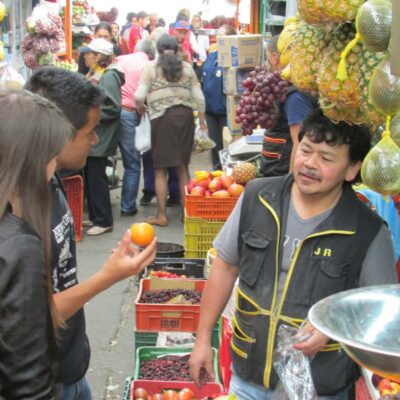
Shared Tour of Colombian Exotic Fruit at Paloquemao Market
Read our review →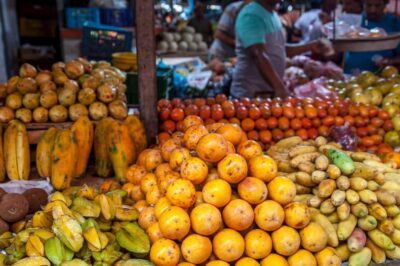
Cartagena Bazurto Market: Authentic Food & Culture Tour
Read our review →Browse the lists this tour appears in