Reviewed · TOURS
TOUR DE 2 DIAS AL CABO DE LA VELA, LA GUAJIRA
The desert meets the Caribbean here. This 36-hour trip from Santa Marta combines Wayuu culture with the stark scenery of Cabo de la Vela, including the Sugar Pylon, Virgin’s Beach, the lighthouse sunset, and Manaure’s salt flats. I like the stop in Uribia, the indigenous capital of Colombia, and the chance to sleep at a Wayuu ranchería facing the sea. The main drawback is the long, rough road and some serious concerns about driving and tour operations reported by a past participant.
I also like that the tour is private, all-inclusive, and built around local places rather than a polished resort circuit. Meals, transport, a guide, insurance, and one night at the ranchería are included, which makes the $279 price easier to judge. Still, this is not a soft adventure. Spanish is the only stated tour language, and the quality of the experience may depend heavily on the driver-guide assigned to your group.
In This Review
- Key points to know before booking
- Why Cabo de la Vela feels so different
- Palomino and the Sierra Nevada view
- Riohacha, Uribia, and the road north
- Lunch at a Wayuu ranchería
- Sugar Pylon and Virgin’s Beach
- Sunset at the lighthouse and dinner by the sea
- Manaure salt flats on the second day
- What the $279 price really covers
- The guide, language, and group setup
- Safety and comfort deserve careful attention
- Who should book this Cabo de la Vela trip?
- Should you book it?
- FAQ
- How long does the Cabo de la Vela tour last?
- Where does pickup take place?
- What language does the guide speak?
- Is this a private tour?
- What accommodation is included?
- What meals are included?
- What should I bring?
- Can I cancel the booking?
Key points to know before booking
- A 36-hour desert-and-sea route: You leave Santa Marta, pass through Palomino and Riohacha, reach Uribia, and continue to Cabo de la Vela before returning through Manaure.
- Wayuu lodging by the sea: One night is spent at an Indigenous ranchería, giving the trip a direct cultural focus rather than a standard hotel stay.
- Private group with pickup: Collection is available from hotels in Santa Marta, Rodadero, and Bello Horizonte.
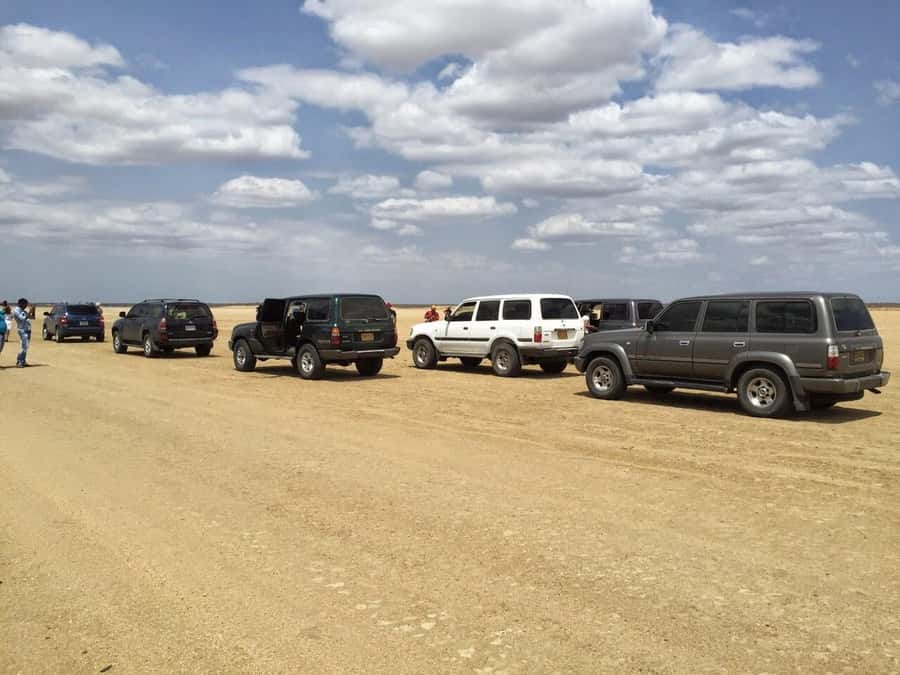
- The road is part of the adventure: Expect many kilometres on sandy tracks, with clothes and shoes that can handle dust and dirt.
- Spanish only: The guide conducts the tour in Spanish, so basic Spanish will make the cultural explanations easier to follow.
- A major safety check matters: Confirm the operator’s credentials, vehicle, driver, and included stops before departure.
Why Cabo de la Vela feels so different
Cabo de la Vela is one of Colombia’s most unusual coastal destinations. The setting brings together dry desert, open sea, salt, wind, and Wayuu communities. You are not heading toward a manicured beach resort. You are going to a remote part of La Guajira where the road, weather, and local arrangements shape the day.
That remoteness is a real part of the appeal. One person who took the trip described the area as wild and outside the main tourism routes. Reaching it requires a long journey over sandy tracks, so the destination feels earned rather than quickly consumed between city attractions.
I would choose this trip if you want strong scenery and a cultural setting that feels distinct from Santa Marta. I would not choose it if you need smooth roads, polished accommodation, a detailed English-language program, or a tightly controlled schedule.
The tour begins in Santa Marta, in the Magdalena region, with pickup from your hotel lobby. You are asked to be ready 10 minutes before departure, and the guide will call you or ask for you at reception. Provide your full name, age, nationality, identification details, and hotel address when booking.
Other Colombia days people book alongside this one:
- Medellin: Comuna 13 Graffiti Tour, Cable Car & Street Food
★ 4.8 · 9,046 reviews - Medellín: The Real Pablo Escobar Tour
★ 4.8 · 3,205 reviews - Cartagena: Historic Center and Getsemaní Shared Walking Tour
★ 4.9 · 2,716 reviews
Palomino and the Sierra Nevada view
The first major stop is Palomino. If the sky is clear, you may see the Colón and Bolívar peaks of the Sierra Nevada de Santa Marta. These are useful early views because they show how quickly the region changes from coastal settlements to high mountain country and then toward the dry lands of La Guajira.
The tour also provides a typical coastal road breakfast. That is a small but welcome touch on a long first morning. Breakfast is less about ceremony than practicality: you are starting a full day on the road, and the stop breaks up the trip before Riohacha and Uribia.
Do not count on clear mountain views. The itinerary itself ties the sighting to good weather, so clouds can easily hide the peaks. I would treat the mountains as a bonus, not a promise.
Riohacha, Uribia, and the road north
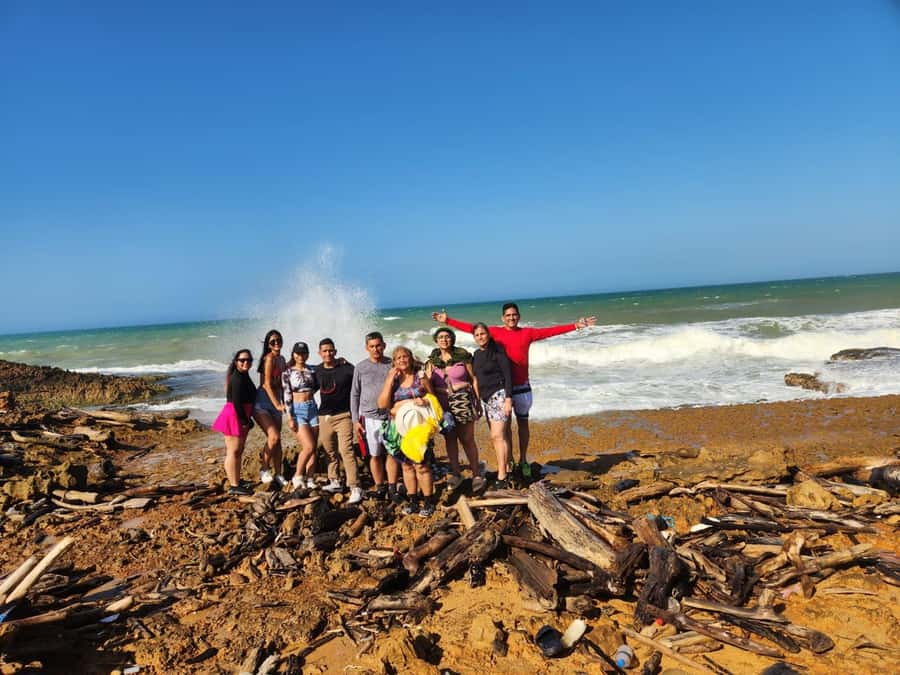
The route continues through Riohacha and then makes a supply stop in Uribia. Uribia is known here as the indigenous capital of Colombia, and the stop helps set the cultural context before you reach the ranchería and Cabo de la Vela.
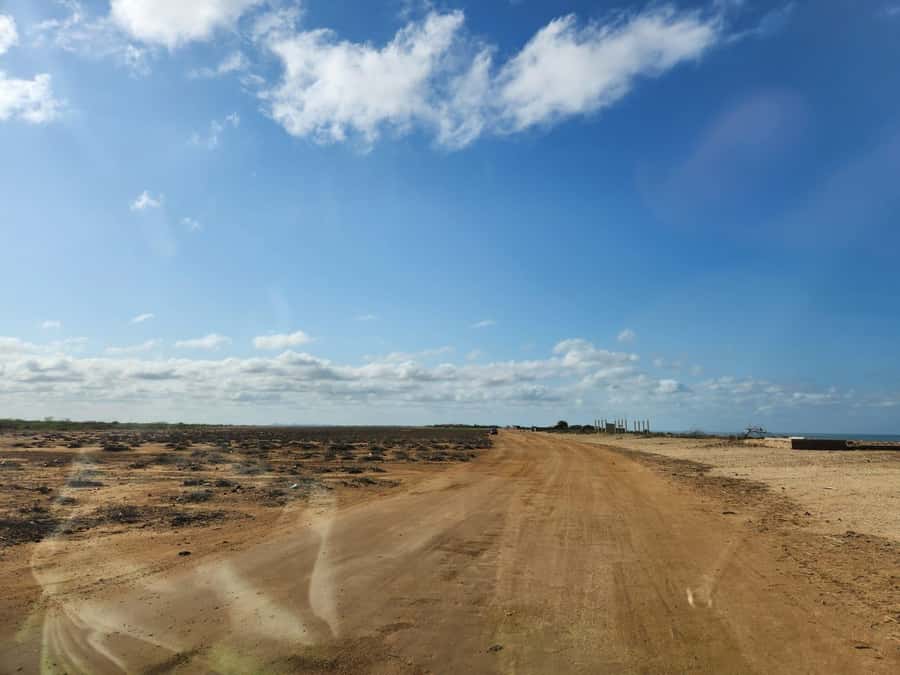
This part of the journey may feel long. The tour covers a lot of ground in roughly a day and a half, and the road conditions are central to the experience. A past participant described the sandy route as extending for many kilometres. That detail matters more than it may first appear: dust, heat, bumps, and slow progress can make the drive tiring.
Wear clothes that can get dirty. Bring a change of clothes, cash, and closed-toe shoes. Sandals may be fine at the beach, but closed shoes are the safer choice for road stops and uneven ground. Keep important items protected from dust and carry water in a way that is easy to reach, although the supplied information does not specify a separate water allowance.
Lunch at a Wayuu ranchería
Around midday, the group reaches a selected Wayuu ranchería for lunch. The ranchería is not just a meal stop. It is part of the tour’s effort to introduce you to Wayuu life, the culture of Colombia’s largest Indigenous group.
The value here comes from setting. You are eating in a local environment connected to the community rather than stopping at a generic roadside restaurant. The exact menu is not specified, so do not book this expecting a particular dish. The tour describes two days of feeding, which should be read as included meals during the program, not as unlimited food at all hours.
Cultural visits work best when you arrive with patience. The tour is described as an ethnic and multicultural experience, but the supplied details do not explain how cultural presentations are organized or how payments to the community are handled. I would ask the operator how the ranchería visit supports local residents and what respectful behavior is expected before you go.
A completely different kind of day out around Colombia:
- Cartagena: Rosario Islands Catamaran with Lunch and Snorkel
★ 4.5 · 2,479 reviews - Bogota: Bicycle City Tour
★ 4.9 · 2,156 reviews - Medellín: Comuna 13 True Story and Street Food Tour
★ 4.9 · 1,779 reviews - Full-Day Rosario Islands Including Barú, Bocachica & Playa Blanca
★ 4.0 · 1,729 reviews
Sugar Pylon and Virgin’s Beach
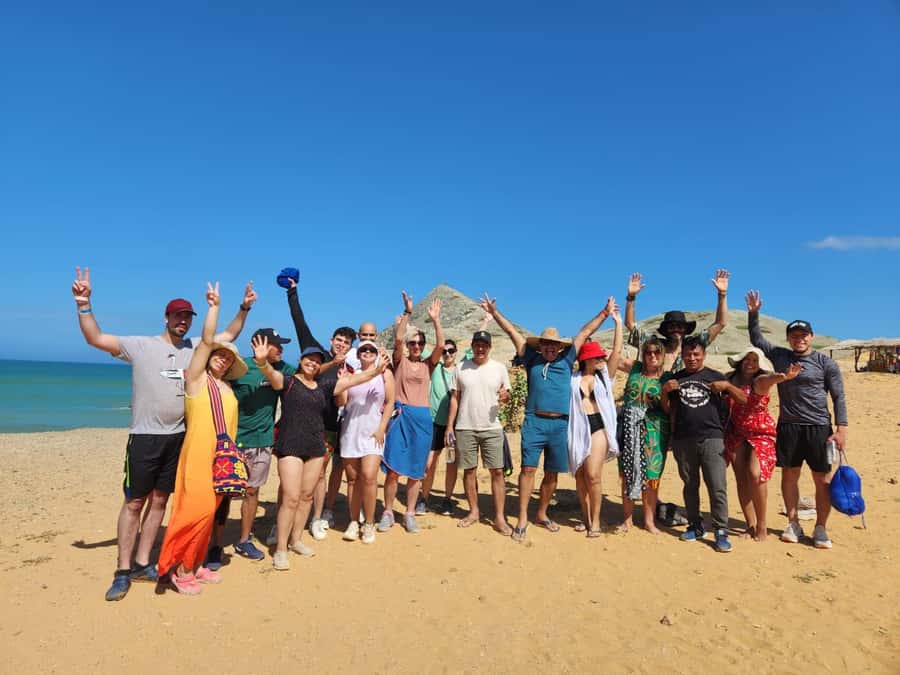
After lunch, the trip turns to the main sights around Cabo de la Vela. The Sugar Pylon is one of the signature viewpoints, with the dry terrain and Caribbean coast meeting in a broad, exposed setting. This is the kind of place where the scenery does most of the talking. You will want a camera, but glare and dust can be hard on equipment.
Virgin’s Beach offers a different angle on the coast. The name suggests a religious connection, while the wider setting remains spare and open. Expect a scenic stop rather than a full beach-resort session. The timing of the visit is not stated, so your time for swimming or sitting by the water may depend on the day’s driving schedule.
These stops are best understood together. Cabo de la Vela is not only about blue water or only about desert. The appeal is the sharp contrast between the two, with low, dry ground leading directly toward the sea.
Sunset at the lighthouse and dinner by the sea
The lighthouse is the evening stop, timed for a Guajiro sunset. This should be one of the strongest moments of the trip. Open horizons make sunset feel larger here, and the contrast of fading light, dry earth, and Caribbean water gives the evening a clear sense of place.
After the lighthouse, dinner is served at the ranchería. You then spend the night at a Wayuu Indigenous ranchería facing the sea. That accommodation is a major reason to consider the tour. It brings you closer to the local setting and avoids turning Cabo de la Vela into a quick photo stop.
At the same time, the accommodation is not described in detail. The information does not confirm room type, private bathrooms, bedding, electricity, or air conditioning. Ask these questions before paying if comfort is important to you. The phrase facing the sea tells you about location, not hotel standards.
I would pack light for this night and keep valuables close. Bring cash because the tour specifically advises it, and do not assume every extra purchase or service will accept a card.
Manaure salt flats on the second day
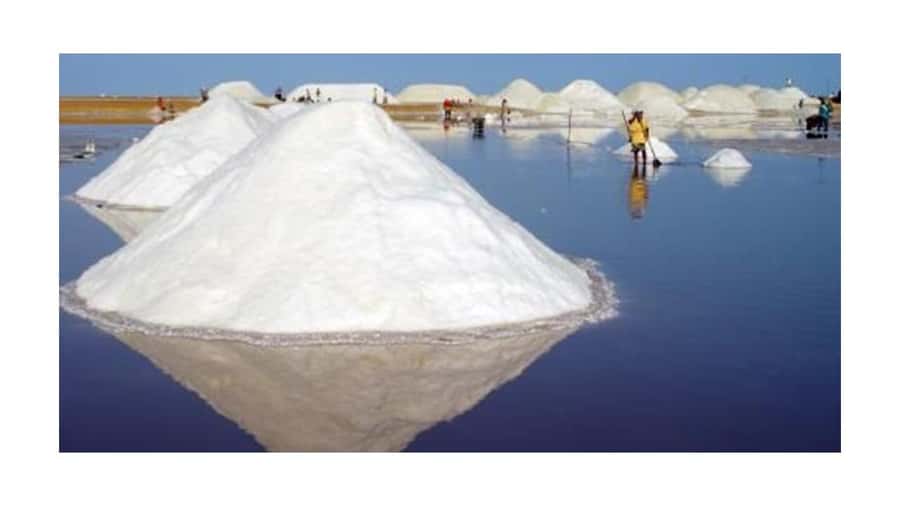
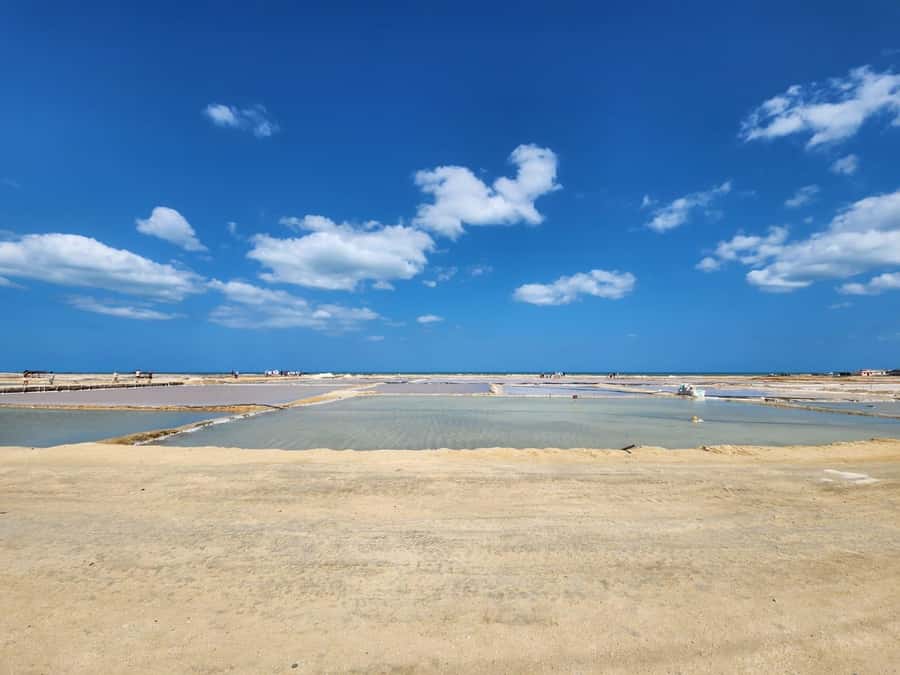
The next morning continues toward the Manaure salt flats. Salt production is one of the defining features of La Guajira, and the flats give you a chance to see a working coastal environment rather than just a scenic viewpoint.
The exact length of the visit is not provided. Your experience may depend on weather, road conditions, local access, and the return schedule. Since lunch in Riohacha follows, the salt flats are part of a fairly structured second day rather than an open-ended exploration.
After Manaure, the group returns to Riohacha for lunch and then continues to Santa Marta. The return drive makes the 36-hour duration important. This is a compact trip with a great deal of transport, not two leisurely days based in Cabo de la Vela.
If you have a fixed evening flight or another tour after returning to Santa Marta, leave plenty of room in your plans. The stated duration gives a useful guide, but long sandy roads can make remote trips less predictable.
What the $279 price really covers
At $279 per person, the trip is priced as an all-inclusive private excursion rather than a simple transfer. The package includes transport, one night at the ranchería, meals over two days, travel insurance, and a professional guide. Pickup from hotels in Santa Marta, Rodadero, and Bello Horizonte is also included.
That can be fair value if you want one booking to handle the long route, food, local lodging, and visits. Organizing those pieces independently would require arranging transport into a remote area, finding a place to sleep, and working out how to reach Manaure and the Cabo sights.
The price is less attractive if the vehicle or guide falls short. One serious account described a private car being used, alleged unsafe driving, and pressure around an extra tour that required additional payment. It also raised a concern about the operator’s licensing. I cannot verify those claims from the supplied information, but they are important enough that I would contact MAX TOUR OPERADOR before departure and ask for:
- The exact vehicle type and passenger capacity
- The driver-guide’s name and qualifications
- Proof that the operator is authorized to provide tourism services
- Confirmation that all advertised stops are included
- The price of any optional activity
- A clear explanation of the insurance coverage
Do not feel obliged to accept an extra stop or excursion simply because a driver suggests it. If an added activity is not part of the agreed package, ask for its price and details first.
The guide, language, and group setup
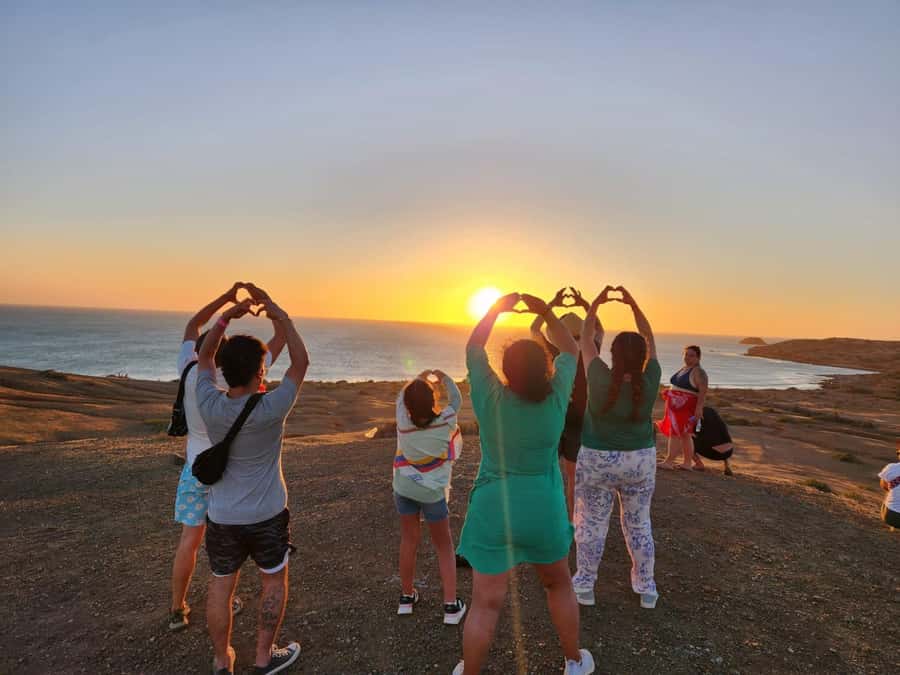
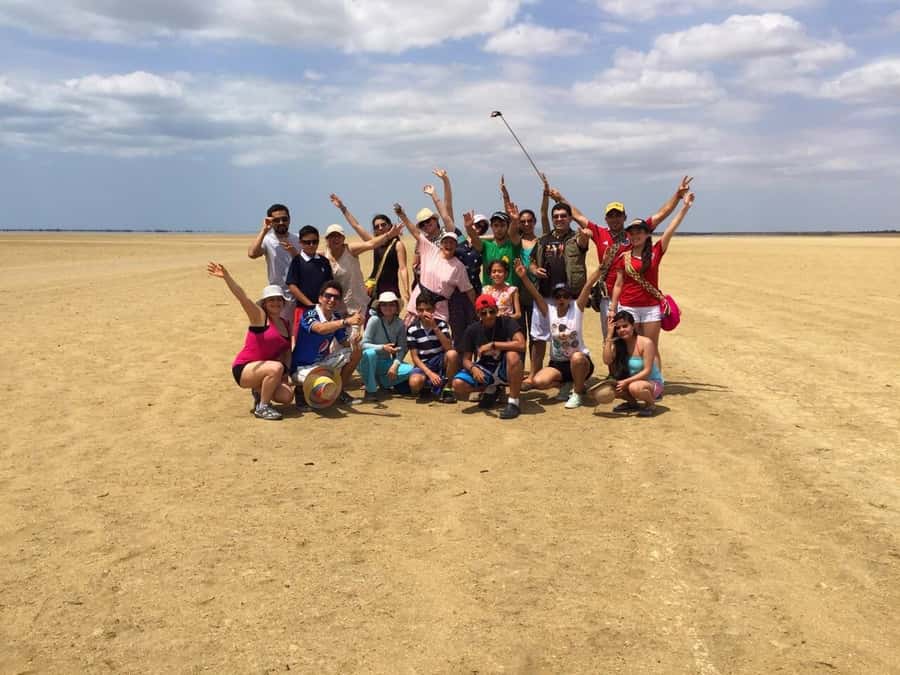
This is a private group, which is a useful advantage. You avoid being placed with a large mixed bus group, and the schedule may be easier to manage. A private format can also make cultural visits feel less rushed, though the actual flexibility depends on the guide and driver.
The stated language is Spanish. One past participant said the driver also acted as guide and spoke very little English. That is not automatically a problem, but it does set a clear expectation. If you do not speak Spanish, prepare with a translation app, key questions written in Spanish, and a short list of cultural topics you want explained.
The guide’s role matters here. This is not only a sightseeing drive. You are visiting Wayuu communities and need clear explanations about customs, photography, meals, accommodation, and respectful conduct. Ask in advance who will guide the cultural portions and whether a local Wayuu host will be present.
Safety and comfort deserve careful attention
The route is remote, and that makes basic safety standards especially important. A long sandy road is one thing. Aggressive driving, an unsuitable vehicle, or unclear arrangements are another.
The most serious negative account described a driver breaking road rules, making the passenger feel unsafe, and becoming bossy after an extra paid stop was declined. Treat this as a warning sign for your own planning, not as proof that every departure has the same problem. Still, I would not ignore it.
Before leaving Santa Marta, confirm the vehicle has proper passenger seating and that the driver understands the route. Make sure you know how to contact the company during the trip. If the driver proposes an extra paid visit, you can decline and ask to follow the agreed plan.
The tour includes travel insurance, but the coverage details are not supplied. Ask what it covers and keep the policy information accessible. Bring cash, a change of clothes, closed-toe shoes, and clothing that can get dirty. The road and weather make practical packing more useful than stylish packing.
Who should book this Cabo de la Vela trip?
I would recommend it to someone who values remote scenery, Indigenous cultural contact, and a private itinerary more than comfort or speed. It suits visitors already based in Santa Marta who want to see a very different part of Colombia without organizing the transport themselves.
It may also suit Spanish-speaking visitors especially well, since the guide language is Spanish and the cultural setting benefits from conversation. People who enjoy rough roads and simple accommodation will likely get more from the trip than those seeking a resort-style escape.
I would be cautious if you are uncomfortable with sandy tracks, uncertain timing, basic lodging, or long drives. I would also hesitate if you need English guiding, strict road safety, or detailed confirmation of every service before departure.
The 4.4 rating from 14 bookings suggests a generally positive overall impression, but the two low-scoring accounts point to an important split: the destination can be excellent while the operator experience may vary. That distinction matters. Cabo de la Vela is worth seeing, but a beautiful route does not excuse poor driving or unclear business practices.
Should you book it?
Book this tour if your priority is remote La Guajira scenery and Wayuu culture, and you are prepared for dust, long drives, Spanish guiding, and a simple ranchería stay. The included meals, transport, insurance, and private format give the $279 price a reasonable base.
Before confirming, verify MAX TOUR OPERADOR’s authorization, the vehicle, the driver-guide, the accommodation setup, and the exact list of included stops. If those answers are clear and safety standards satisfy you, this can be a memorable way to see Cabo de la Vela. If the answers remain vague, choose a better-documented operator instead.
FAQ
How long does the Cabo de la Vela tour last?
The tour lasts 36 hours, covering two days and one overnight stay at a Wayuu ranchería.
Where does pickup take place?
Pickup is available from hotels in Santa Marta, Rodadero, and Bello Horizonte. You should wait in the hotel lobby 10 minutes before departure.
What language does the guide speak?
The stated tour language is Spanish. English guiding is not listed.
Is this a private tour?
Yes. The tour is described as a private group experience.
What accommodation is included?
One night at a Wayuu Indigenous ranchería facing the sea is included. The available information does not specify the room type or bathroom facilities.
What meals are included?
The tour includes two days of feeding, including a coastal road breakfast, lunch at a Wayuu ranchería, dinner at the ranchería, and lunch in Riohacha on the return route. Specific menus are not provided.
What should I bring?
Bring a change of clothes, cash, clothing that can get dirty, and closed-toe shoes.
Can I cancel the booking?
You can cancel up to 24 hours in advance for a full refund. The reserve-now-and-pay-later option allows you to book without paying immediately.
Just added around Colombia
- Santa Marta: Museum of the Sea and Playa Blanca Beach Tour★ 4.8 · 3 reviews
- Medellin: 4-Hour Zip-Line Adventure★ 5.0 · 3 reviews
- Cartagena: Party Bus Tour In Cartagena★ 4.2 · 3 reviews
- Cartagena: Ecoplan on Barú, Aviary and Oceanarium in one day★ 3.3 · 3 reviews
- Isla Tierra Bomba beach club: Day Pass with typical food★ 5.0 · 3 reviews
- White Night Boat Party: Dinner Buffet, Dancing and Open Bar★ 4.6 · 3 reviews
- Zipaquirá: Private Salt Cathedral Mine and Walking Tour★ 4.8 · 3 reviews
- Medellin: Tour to The Cathedral – History of Pablo Escobar and his Impact★ 5.0 · 3 reviews
Tours, compared.
Comuna 13 Graffiti Tour, Cable Car & Street Food
Read our review →
Historic Center and Getsemaní Shared Walking Tour
Read our review →