
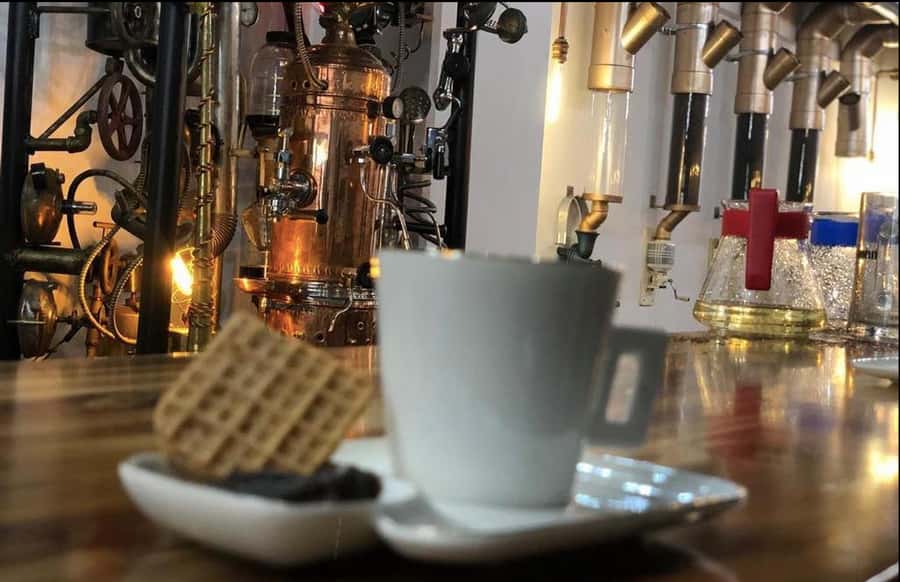
Reviewed · COFFEE FARM TOURS
Bogota: Colombian Coffee Tasting
Coffee tells Colombia’s story. At Café Matuca, this two-hour tasting turns that story into something you can smell, sip, and understand, from growing and processing beans to brewing a final cup. I like the clear, hands-on approach, especially the aroma and acidity tests. I also like the chance to sample sweets and other edible products made with coffee.
The main consideration is the setting. The café is on the second floor at Carrera 5 #16-42 in central Bogotá, and one past booking described the surrounding area as less appealing than the activity itself. You will need to make your own way there, but the café is near the Gold Museum, which makes the tasting easy to pair with a day in La Candelaria.
In This Review
- Key points to know before you book
- Why this Bogotá coffee tasting is worth your time
- Arriving at Café Matuca on Carrera 5
- Meeting the guide and learning Colombia’s coffee story
- Testing acidity, aroma, and the flavors in your cup
- Sampling coffee sweets, cookies, and unusual bean products
- Comparing brewing methods before making your own cup
- What the $25 price really includes
- English, Spanish, and the solo experience
- Who will enjoy the experience most
- Practical planning for your two hours
- Should you book this Colombian coffee tasting?
- FAQ
- How long does the Colombian coffee tasting last?
- How much does the experience cost?
- Where does the coffee tasting take place?
- Is hotel pickup included?
- Which languages are available?
- What is included in the price?
- Will I learn how coffee is produced?
- Do I get to brew my own coffee?
- Can I cancel for a full refund?
Key points to know before you book
- Coffee education from bean to cup: You learn how coffee is grown, processed, roasted, brewed, and tasted.
- Aroma and acidity tests: These simple exercises help you notice differences instead of treating all coffee as one flavor.
- Coffee-made treats: Sweets, cookies, and other products show how the coffee bean can be used beyond a morning drink.
- Your own final brew: The tasting ends with you preparing and drinking a cup using what you have learned.
- English or Spanish instruction: The live guide can lead the experience in either language.
- A useful central location: Café Matuca is about a two-minute walk from Bogotá’s Gold Museum, according to one booking account.
Why this Bogotá coffee tasting is worth your time
Colombia is known around the world for coffee with a balanced, rich, nutty character. That reputation can make coffee sound like a product to buy and take home, rather than an agricultural tradition with many stages and regional differences.
This experience gives you a better way to understand it. Instead of simply ordering a cup at a café, you follow the path from bean to brew. You learn about the work behind the drink, then taste how changes in preparation affect what reaches your tongue.
I especially like that the session is not only a lecture. You test acidity, identify aromas, compare brewing techniques, and taste coffee in several forms. Those activities give you something to do, which helps the information stick after you leave.
The activity has a rating of 4.8 out of 5 from 92 bookings. The strongest praise focuses on the guide’s passion, the amount of explanation, and the fair price. Several people described the experience as educational and fun, not just a formal tasting.
More Food & Drink Tours in Bogotá
- Bogota Food Tour with over 12 Tastings & Tejo
★ 4.9 · 454 reviews - Bogotá: Craft Beer Tour with Tasting
★ 4.9 · 120 reviews - PALOQUEMAO MARKET FOOD TOUR. EXOTIC FRUIT. LOCAL SNACKS. /Min 2 pax
★ 5.0 · 70 reviews
Arriving at Café Matuca on Carrera 5
Your meeting point is Café Matuca, at Carrera 5 #16-42, second floor, Bogotá 110321. There is no hotel pickup or return transport, so you are responsible for reaching the café and leaving afterward.
That detail matters in Bogotá. You should allow enough time to find the address and go upstairs without rushing. The supplied address gives the exact building and floor, but it is still wise to check your route before setting out.
The location works well with other central Bogotá sights. The Gold Museum is about two minutes away, making it possible to schedule the coffee session before or after a visit to the museum. You can also use the tasting as a calm, seated break during a day in the historic center.
One booking described the immediate area as not the best, while still rating the coffee activity highly. I would treat that as a practical note rather than a reason to skip the experience. Pay attention to your route, arrive at the stated café, and keep the activity connected to your daytime plans.
Meeting the guide and learning Colombia’s coffee story
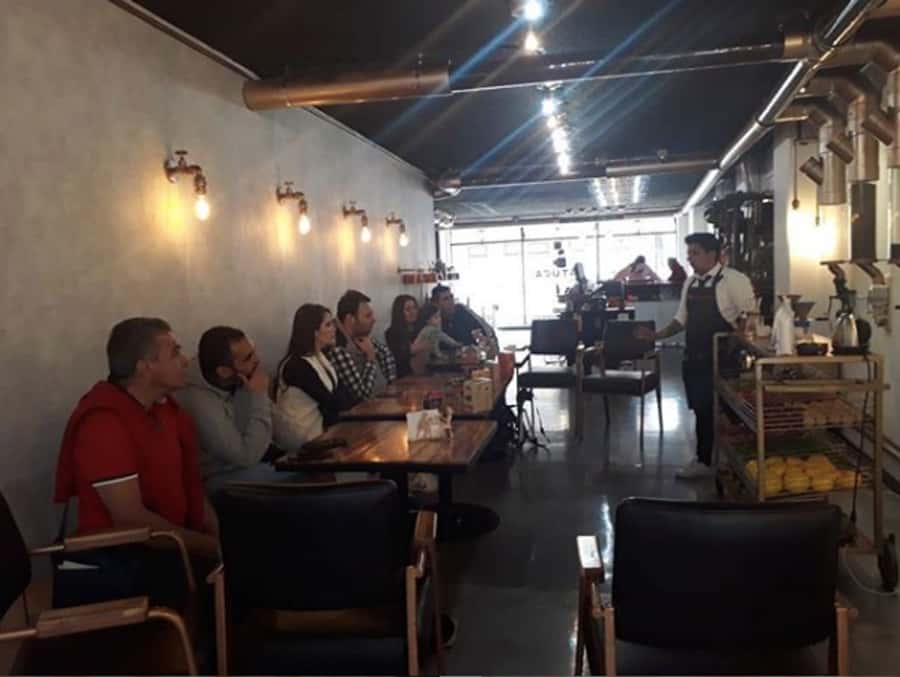
At the café, your guide introduces you to Colombian coffee and explains its place in the country’s history and industry. The quality of this part depends heavily on the person leading the session, and the feedback points to strong hosts with a real interest in teaching.
Rene, who has also been described as the café owner, received especially warm praise for his passion and wide experience. His explanation has covered the process from growing beans through final consumption, and one English-language session was described as particularly clear.
Other bookings mention guides named Nicolás and a barista who led the tasting in Spanish. Since the guide can vary, you should expect the same subject matter but not necessarily the same host each time.
The history section is useful because it puts the tasting in context. Coffee is not just a Colombian export or a café menu item. It involves cultivation, processing, trade, preparation, and local drinking habits. You also learn about tinto, the Colombian term commonly used for black coffee.
I like this balance between national context and practical instruction. You are not asked to memorize a long list of coffee facts. Instead, the guide connects the country’s coffee industry to the cup in front of you.
Testing acidity, aroma, and the flavors in your cup
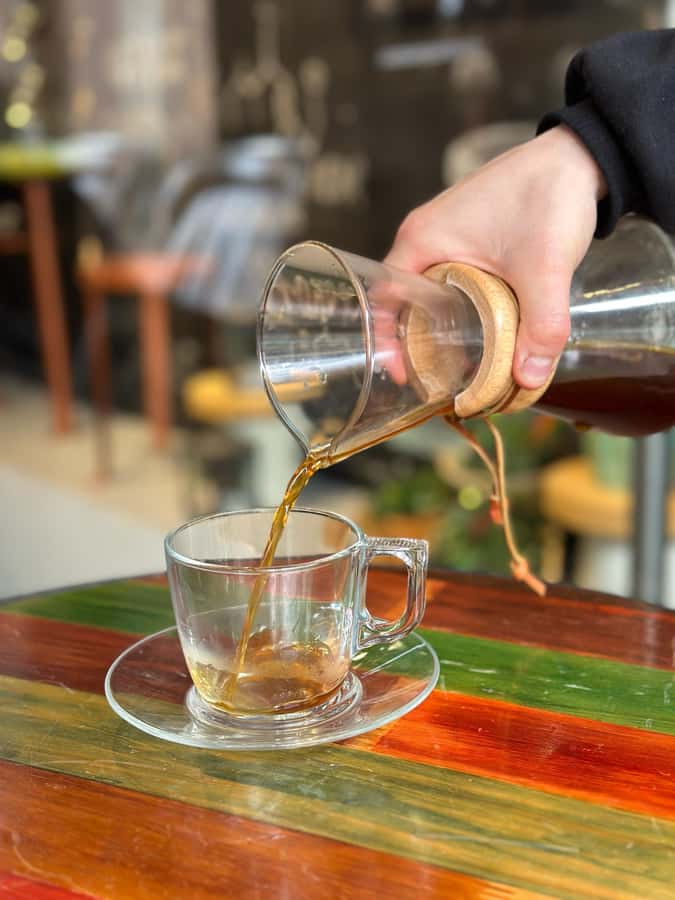
The tasting becomes more active when you learn how to recognize coffee flavors. You conduct an acidity test and an aroma test, two basic exercises that make coffee tasting less mysterious.
Acidity does not simply mean unpleasant sourness. In a tasting setting, it helps describe the lively sensation and flavor balance of a coffee. The aroma test asks you to pay attention before and during drinking, when the smell can shape what you think you taste.
You are guided through these steps rather than left to guess alone. That is important for beginners, since coffee language can feel overly technical. A good guide gives you simple ways to notice what is already happening in your cup.
You may also find that the session changes how you drink coffee at home. One person who took the activity alone said it created a new appreciation for coffee and prompted a change in personal brewing habits. That is a useful sign of value: you leave with skills you can use, not only a pleasant memory.
The tasting also suits people who already know a fair amount about coffee. The session covers production, flavor recognition, acidity, aroma, and brewing, so you can ask questions rather than only receive a basic introduction. The guide’s role is central here, since the most praised part of the activity is the depth and care of the explanations.
More coffee farm mornings we have written up:
- From Bogotá: Coffee Farm and Tequendama Falls Tour
★ 4.5 · 130 reviews - Coffee Farm Experience Private Day Tour
★ 5.0 · 81 reviews - Coffee tasting experience at Divino Café Especial
★ 5.0 · 57 reviews - Exclusive Coffee Experience:Tour from Bogotá
★ 4.5 · 45 reviews
Sampling coffee sweets, cookies, and unusual bean products
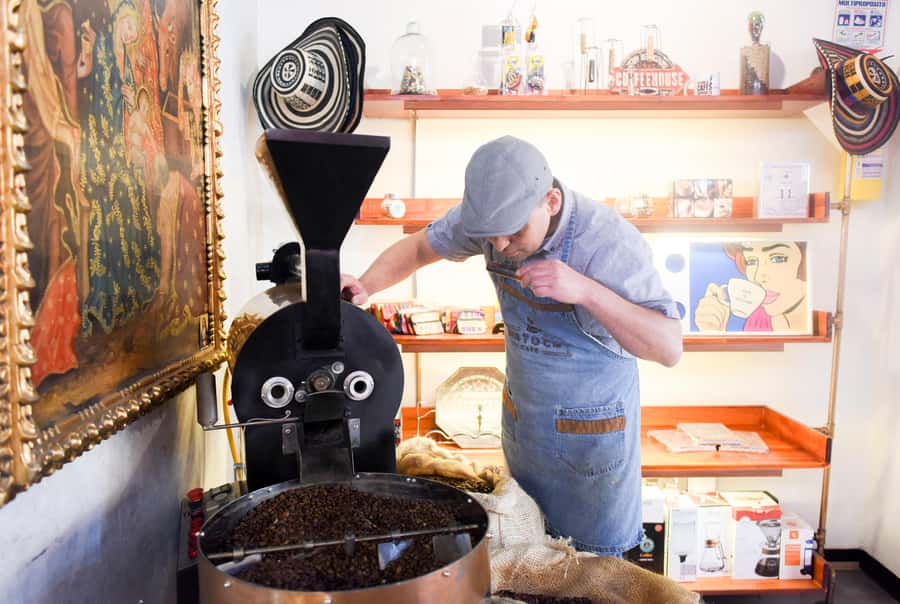
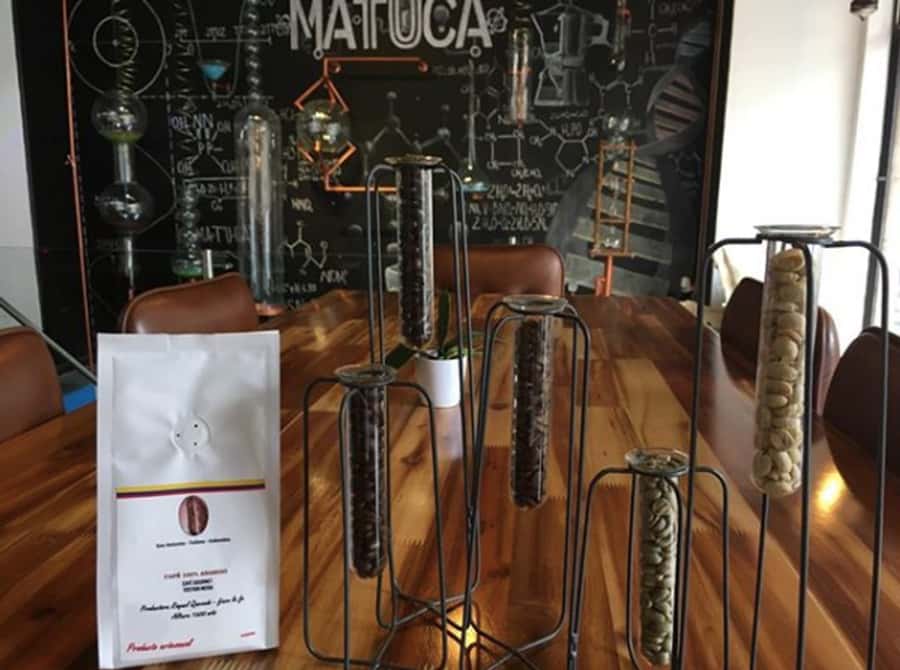
Coffee does not appear only as a hot drink. The experience includes sweets and cookies, along with other edible products made from the coffee bean.
This is one of the more memorable parts because it widens your idea of what coffee can be. You taste the bean in different forms and compare those flavors with brewed coffee. The food also breaks up the tasting, giving you a small change of texture and pace.
The included sweets and cookies are part of the $25 price, so you do not need to purchase a separate snack during the session. The supplied information does not specify every product or the exact number of tastings, so you should not expect a fixed menu of named items.
I would consider this especially useful for anyone who thinks coffee tasting sounds too serious. The food makes the session more relaxed, while still supporting the main lesson. It also gives you a clearer sense of how coffee flavor behaves outside a standard cup.
Comparing brewing methods before making your own cup
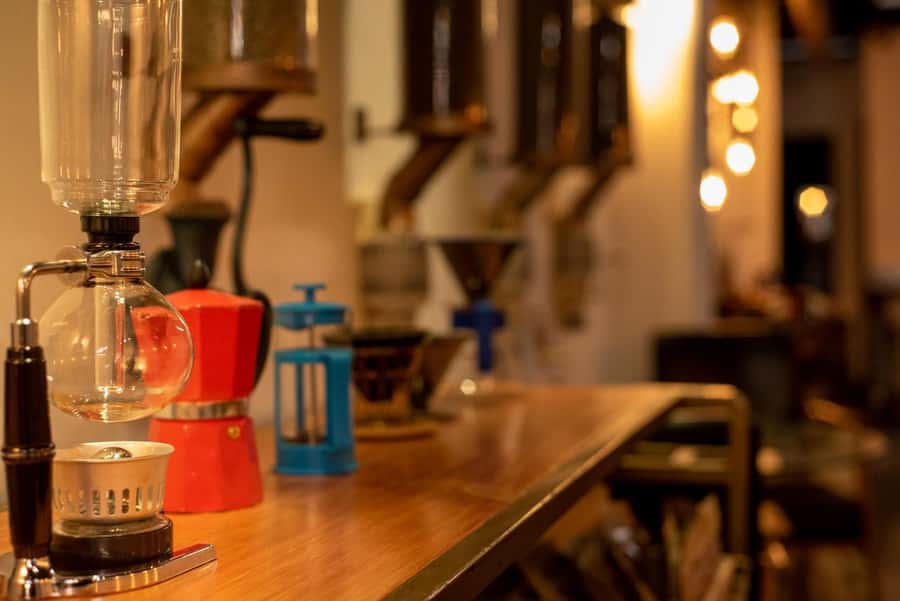
The session includes an introduction to several coffee brewing techniques. This is where the experience becomes practical for your own kitchen.
Brewing changes contact time, strength, aroma, and texture. You do not need to become a barista to benefit from this lesson. Even a basic understanding of how different methods affect a coffee can help you make better choices when buying beans or ordering a drink.
The final step is preparing and tasting your own cup. This gives the session a satisfying finish because you use the earlier lessons right away. You have already discussed production and flavor, tested acidity and aroma, and tasted coffee products. Now you put those ideas together.
I like this structure more than a tasting that ends after someone else pours the drinks. Your final cup gives you a small sense of ownership. You can pay attention to the aroma, consider the acidity, and decide what makes the coffee work for your taste.
The exact brewing equipment and method are not specified, so I would not book this expecting one particular device or a full professional barista workshop. Think of it as a guided introduction with a practical final exercise.
What the $25 price really includes
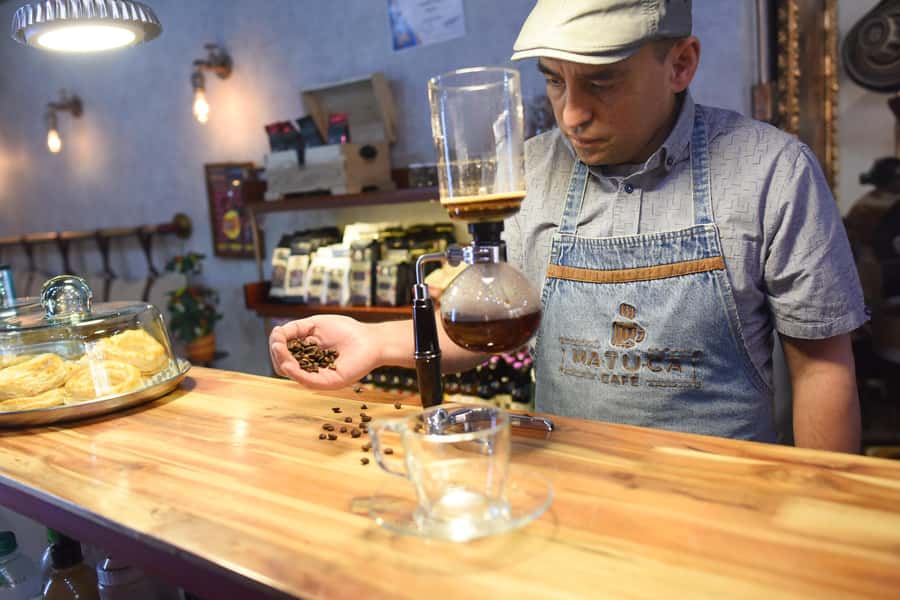
At $25 per person, the experience offers solid value for two hours. Your fee includes the coffee tasting, sweets and cookies, and an English or Spanish-speaking guide.
The value comes mainly from the instruction. You are paying for a structured lesson, not just a flight of small cups. The guide explains Colombian coffee, leads the aroma and acidity tests, discusses brewing, presents coffee-made foods, and helps you prepare the final drink.
Several highly positive bookings describe the price as fair or a very good value. I can see why. A standard café visit might give you one drink and little explanation. Here, you receive a guided session that can change how you understand future cups of coffee.
The price does not include hotel pickup or drop-off. That is a small but important cost consideration. You will need to plan your transport to central Bogotá, though the café’s location near the Gold Museum can reduce extra movement if you already have sightseeing planned nearby.
English, Spanish, and the solo experience
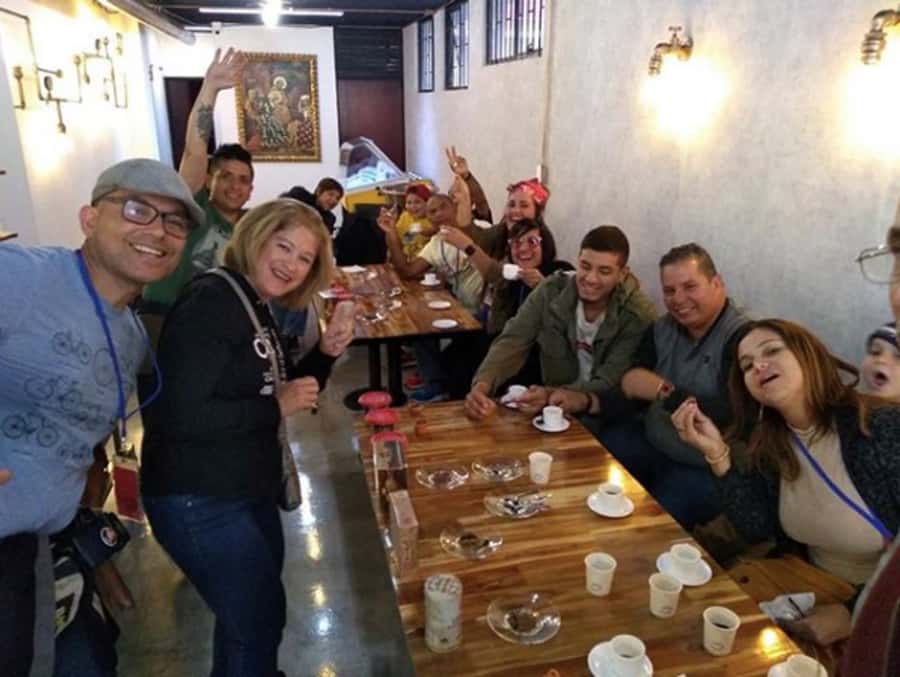
The guide leads the activity in English or Spanish. That makes it suitable for international visitors as well as Spanish-speaking residents and visitors from elsewhere in Colombia.
A booking from someone with very limited Spanish described the English communication as very good. Another English session was praised for being clear and well presented. Based on that, English speakers should feel comfortable asking questions and following the technical parts of the tasting.
The activity can also work if you are on your own. One person attended alone and said the friendly owner and staff made the café feel welcoming. You do not need to arrive with a group to get value from the session.
The information provided does not state the group size. If you prefer a private tasting or need a particular arrangement, confirm that before booking rather than assuming it is private.
Who will enjoy the experience most
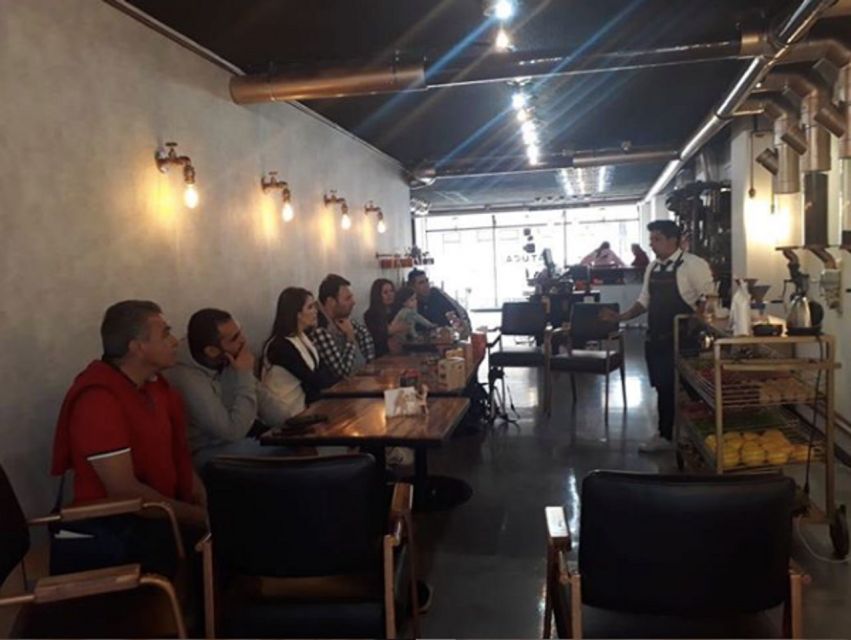
I would recommend this tasting first to people who genuinely enjoy coffee, but you do not need expert knowledge. Beginners benefit from the simple tasting exercises, while experienced coffee drinkers can ask more detailed questions about production and brewing.
It is also a good choice if you want a cultural activity that fits neatly into a city day. The two-hour length is long enough for real instruction but short enough to combine with the Gold Museum or other central sights.
You may want to skip it if you only want a quick cup with no explanation. The point is the teaching. You will spend time listening, smelling, comparing, tasting, and brewing, so the session is more involved than an ordinary café stop.
It may also be less suitable if you need hotel transport included. Pickup and drop-off are not part of the price, and you must meet the group at the café.
Practical planning for your two hours
Starting times vary, so check availability when you choose your date. Plan to arrive at Café Matuca’s second-floor meeting point with enough time to find the building.
The activity lasts two hours. That includes the introduction to Colombian coffee, the history and production discussion, the tasting exercises, the food samples, the brewing lesson, and your final cup.
You can cancel up to 24 hours before the start for a full refund. You can also reserve now and pay later, which helps if your Bogotá schedule is still changing.
The provider is MATUCA SAS. Since guides can differ, you should focus on the experience promised rather than count on one specific host. Rene has been singled out for his warmth and coffee knowledge, but Nicolás and other staff have also led sessions.
Should you book this Colombian coffee tasting?
Yes, if you want more than a quick caffeine stop. For $25, you get two hours of guided instruction, several ways to taste coffee, sweets and cookies, and a chance to prepare your own cup. The strongest reason to book is the guide’s passion, especially when the session is led by someone such as Rene, who has been praised for explaining the full coffee process in clear English.
I would pair it with the Gold Museum because of the café’s central location. Keep your plans in daylight, allow time to find the second-floor meeting point, and remember that transport is not included.
Skip it only if you dislike structured tastings or want a short, casual café visit. For coffee drinkers, curious food lovers, and anyone hoping to understand Colombia through one of its best-known products, this is a well-priced and useful two hours in Bogotá.
FAQ
How long does the Colombian coffee tasting last?
The experience lasts two hours.
How much does the experience cost?
The listed price is $25 per person.
Where does the coffee tasting take place?
It takes place at Café Matuca, Carrera 5 #16-42, second floor, Bogotá 110321.
Is hotel pickup included?
No. Hotel pickup and drop-off are not included.
Which languages are available?
The live guide can lead the experience in English or Spanish.
What is included in the price?
The price includes the coffee tasting, sweets and cookies, and an English or Spanish-speaking guide.
Will I learn how coffee is produced?
Yes. The session covers the various steps involved in producing coffee, from the wider process through brewing and consumption.
Do I get to brew my own coffee?
Yes. The experience ends with you brewing and tasting your own cup.
Can I cancel for a full refund?
Yes. You can cancel up to 24 hours in advance for a full refund.
More Food and Drink Tours
- Food Tour in La Candelaria Bogotá
★ 5.0 · 63 reviews - Tejo and Beer Tour in Bogotá
★ 5.0 · 35 reviews - Street Food Tour in Bogotá with Tastings
★ 5.0 · 34 reviews - Bogota´s Gastronomic Wonders – Experience the best traditional food
★ 4.5 · 30 reviews
More Coffee Experiences
- VIP Layover Bogota City Tour: Monserrate, Candelaria, Coffee, 6hr
★ 5.0 · 45 reviews - Bogota: Coffee Tasting Experience Tour with Exotic Varieties
★ 4.1 · 13 reviews - Tequendama Falls and Coffee Hacienda Day Trip from Bogotá
★ 5.0 · 12 reviews - Coffee Experience: Hacienda Coloma Tour from Bogotá
★ 4.4 · 11 reviews
Just added around Bogota
- Zipaquirá: Private Salt Cathedral Mine and Walking Tour★ 4.8 · 3 reviews
- Walking tour José Celestino Mutis Botanical Garden 3 hrs★ 5.0 · 3 reviews
- Bogota: East Hills Mountain Hike★ 4.2 · 3 reviews
- Fun Graffiti Workshop: The Art of Aerosol and Color★ 5.0 · 3 reviews
- Bogota: Explore the forest and bird watching at Chicaque Natural Park★ 5.0 · 3 reviews
- Bogota: Downtown City and Monserrate Hill Private Tour★ 3.7 · 3 reviews
- Bogotá: La Candelaria Food Tour with Tastings★ 4.2 · 3 reviews
- Bogotá: Candelaria Tour with Cacao and Coffee Workshop★ 5.0 · 3 reviews
Coffee Farm Tours, compared.
Coffee Tour with Transport, Snacks and Tastings
Read our review →
Medellín Coffee Farm Tour with Trolley and Cable Car Ride
Read our review →
Private Cocora Valley, Salento & Coffee Farm Tour
Read our review →
Horseback Riding Coffee Farm Tour with Coffee Spa
Read our review →
Browse the lists this tour appears in