
Reviewed · COFFEE FARM TOURS
Cartagena: Colombian Specialty Coffee Tasting
Coffee gets serious in Cartagena. This two-hour Colombian specialty coffee tasting takes you from plantation basics to the final cup, with three coffees prepared in different ways. I like the hands-on sensory work and the chance to compare Chemex, V60, and siphon brewing side by side. The main drawback is that the session can feel more like a class than a social activity, and directions to the venue may need extra care.
I also like the calm, polished setting and the guides’ real enthusiasm. Thomas, Santiago, Pedro, Arturo, and other baristas have helped make the experience friendly and clear for beginners. Bring an open mind, skip strong perfume, and expect to spend your $15 on something far more useful than another ordinary café stop.
In This Review
- At a Glance: What Makes This Coffee Class Special
- A Coffee Classroom Rather Than a Quick Tasting
- From Colombian Coffee Plant to Parchment Bean
- Smell First, Then Taste
- Three Coffees, Three Brewing Personalities
- Chemex: Clean and Fruit-Forward
- V60: Brightness and Body
- Hario TCA-5 Siphon: Smooth and Aromatic
- Learning to Describe Coffee Without Pretending to Be a Sommelier
- What the Two Hours Feel Like
- Finding Café-472 Without Losing Time
- Is $15 a Good Deal in Cartagena?
- Who Should Book This Experience?
- Final Verdict: A Smart Coffee Stop in Cartagena
- FAQ
- How much does the Colombian Specialty Coffee Tasting cost?
- How long does the coffee tasting last?
- Which languages are available?
- What coffee brewing methods are included?
- Is the coffee tasting held at a plantation?
- Is there anything I should avoid wearing?
At a Glance: What Makes This Coffee Class Special
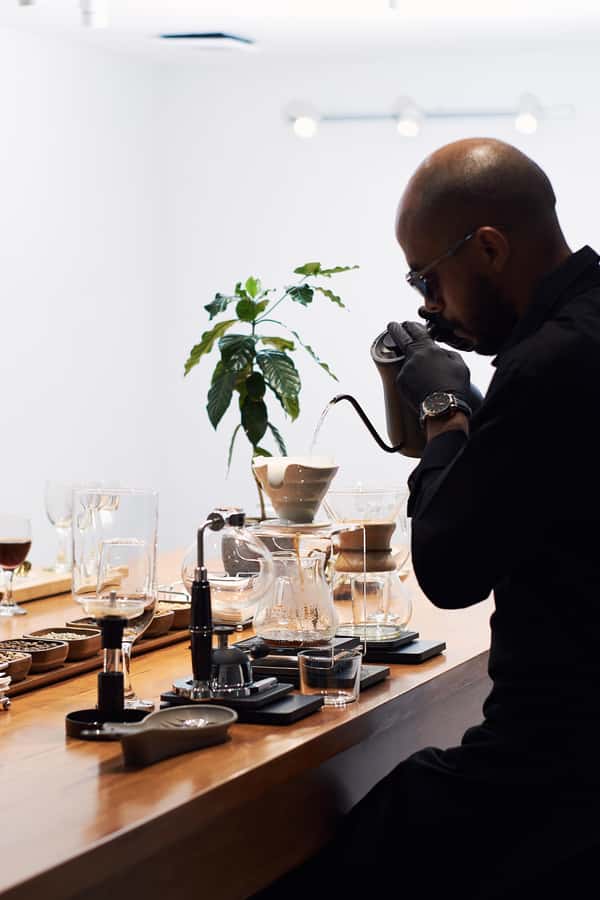
- Three brewing methods in one sitting: Compare Chemex, V60, and Hario TCA-5 siphon coffee, each designed to bring out different flavors.
- A plantation-to-cup lesson: Learn about growing, harvesting, processing, roasting, and brewing Colombian coffee.
- A real sensory workout: Smell coffee aromas and taste fresh fruit, dried fruit, and chocolate alongside the coffee.
- Useful skills for home: Pick up basic vocabulary for body, sweetness, acidity, aroma, and flavor.
- A small, polished venue: The coffee experience center is air-conditioned, clean, and set up specifically for this activity.
- Strong value at $15: Two hours of instruction and three specialty coffees cost less than many standard Cartagena excursions.
A Coffee Classroom Rather Than a Quick Tasting
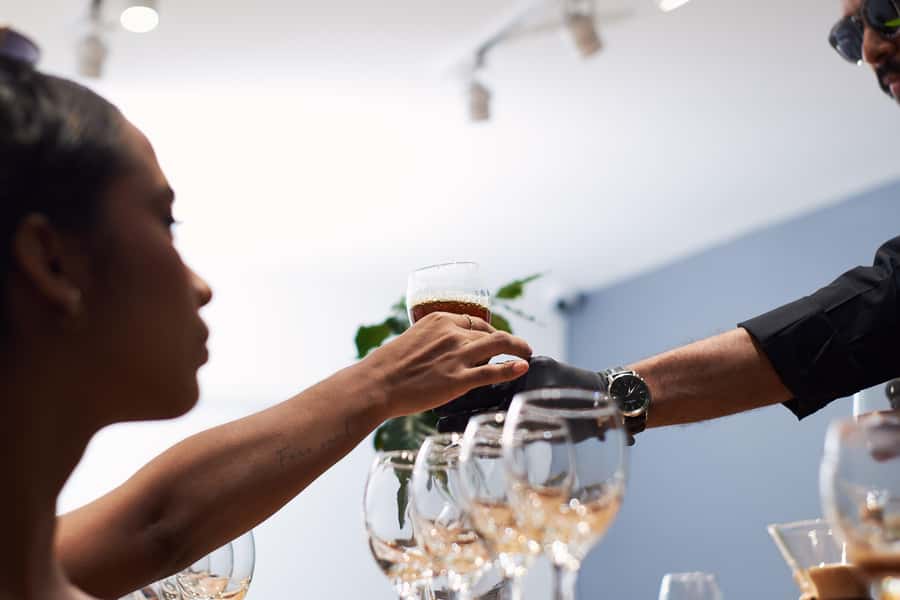
This experience takes place in a coffee experience center connected with Café-472, not on a plantation. That distinction matters. You will not ride into the mountains or walk among coffee plants. Instead, you get a focused classroom session in Cartagena, where the growing and processing stages are explained with coffee samples, aromas, and brewing equipment close at hand.
I think this format works well for a city visit. Cartagena is hot, and the air-conditioned venue gives you a comfortable break from the streets. The setting has been described as clean, attractive, and almost luxurious, which gives the tasting a polished feel without charging a luxury price.
The format is partly a lecture, followed by sensory exercises and brewing demonstrations. If you want a lively group cooking-style class where everyone is constantly handling equipment, this may feel too formal. If you enjoy learning from an enthusiastic barista and asking detailed questions, it is a good fit.
The tone can change with the guide. Thomas and Tomas are praised for their coffee expertise and warm manner. Santiago is especially good at keeping things relaxed and accessible, while Pedro has been described as thorough, funny, and willing to explain newer brewing methods. Arturo also receives praise for making the subject easy to understand.
More Food & Drink Tours in Cartagena
- Cartagena: Guided Street Food Tour with Tastings
★ 4.9 · 833 reviews - Cartagena: Boutique Rum and Chocolate Tasting at Lunático
★ 4.9 · 121 reviews - Rum & Rhythms a premium rum tasting with live music
★ 5.0 · 46 reviews
From Colombian Coffee Plant to Parchment Bean
The first part covers the basics of Colombian coffee. You learn where coffee fits into Colombia’s farming culture and what happens before a bean reaches a roaster or café.
The lesson follows the bean through planting, cultivation, harvesting, and processing. You also hear about the stages between the parchment bean and the finished brew. This gives you a better way to understand why two coffees from the same country can taste so different.
That context is the real value here. Many people know Colombia produces excellent coffee, but fewer know how processing affects the final cup. Washed coffee, roasting choices, bean quality, and brewing temperature all shape what you taste. The class gives you a framework for noticing those differences instead of simply deciding that one coffee tastes good and another does not.
The explanation is designed for people with no technical background. You do not need to know terms such as extraction, body, or aroma before arriving. The guides explain the ideas as they go and encourage questions. At the same time, serious coffee fans will find enough detail to keep the session interesting.
I would not treat this as a substitute for visiting a coffee farm in Colombia’s growing regions. It is better viewed as a compact introduction to the entire process, presented indoors and with the final product always nearby.
Smell First, Then Taste
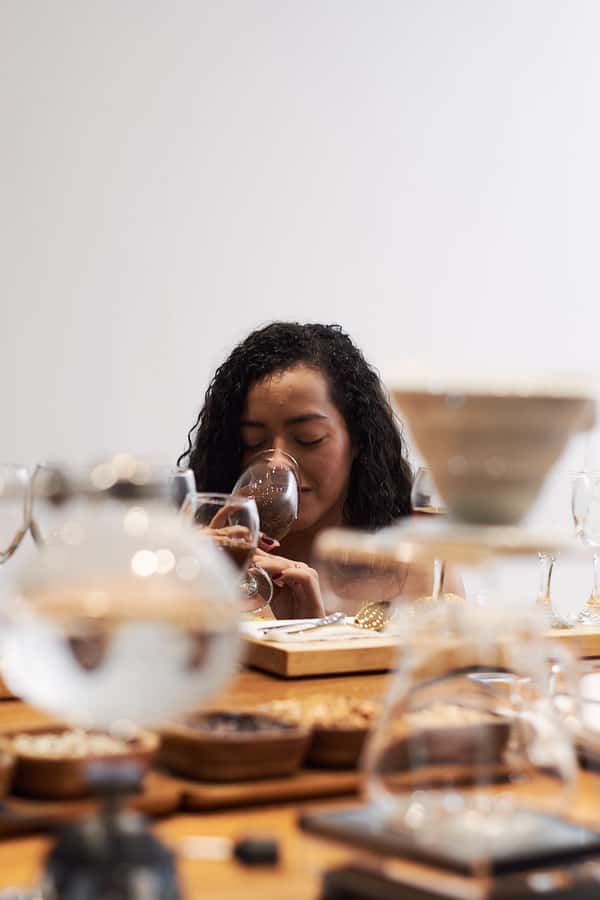
One of the more unusual parts is the olfactory exercise. You use a coffee aroma set, sometimes called a coffee nose, to train your sense of smell before tasting the brews.
This may sound a little formal, but it solves a common problem. Coffee tasting notes can seem mysterious when someone says a cup has floral, honey, citrus, or chocolate qualities. By smelling separate aroma references and tasting fresh fruit, dehydrated fruit, and chocolate, you get a clearer link between words and sensations.
The tasting is not about guessing a perfect answer. It is about noticing. You may detect sweetness, fruit, floral notes, bitterness, smoothness, or a heavier body. The point is to build a vocabulary that helps you explain what you like.
I find this especially useful for people who drink coffee every day but usually add milk or sugar. You get to focus on the coffee itself. The session can also work for a less committed coffee drinker, since one couple enjoyed it even though only one partner was passionate about coffee.
There is plenty of coffee, so caffeine-sensitive participants should keep that in mind. The experience includes three prepared coffees, plus aroma and flavor exercises. It is not a tiny sample at the end of a meal.
Three Coffees, Three Brewing Personalities
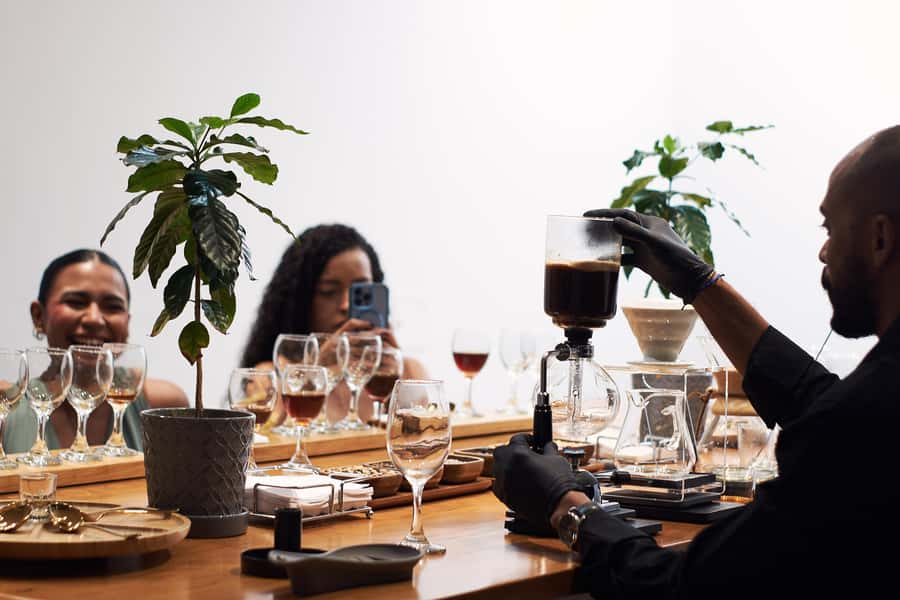
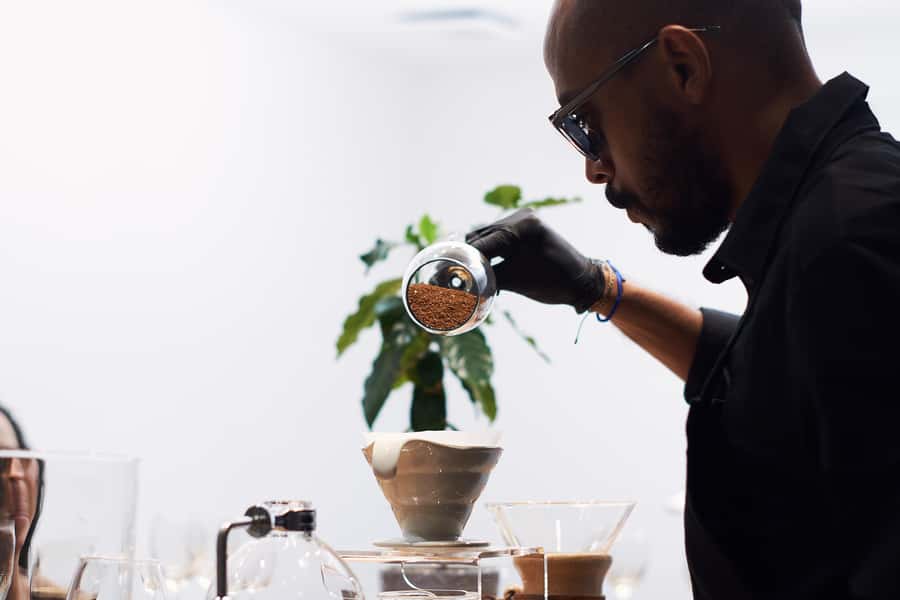
The central tasting compares three Colombian specialty coffees or profiles prepared through different extraction methods. The exact coffee selections can vary, but the commonly described sequence includes Chemex, V60, and Hario TCA-5 siphon brewing.
More coffee farm mornings we have written up:
- Cartagena Coffee Masters
★ 4.5 · 40 reviews - Cartagena Highlights: San Felipe, Popa & Coffee Experience
★ 4.5 · 39 reviews - Specialty Coffee Workshops in Cartagena
★ 5.0 · 34 reviews - Walking Tour of Cartagena Including a Colombian Cup of Coffee
★ 5.0 · 30 reviews
Chemex: Clean and Fruit-Forward
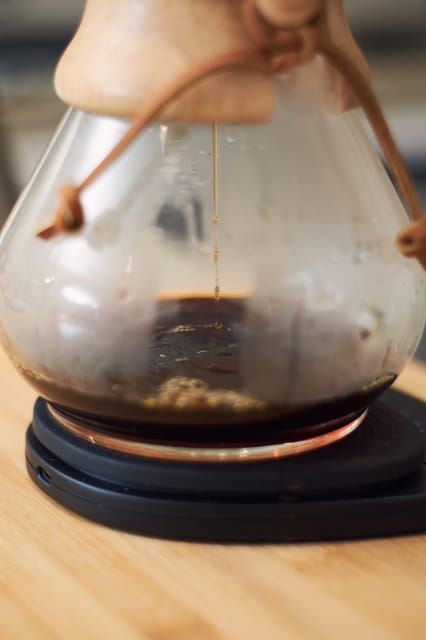
Chemex coffee is used to show a clean cup with fruitier and more complex notes. The paper filter removes much of the sediment and oil, which can make the coffee feel light and precise.
This is a useful first comparison because it lets you notice delicate aromas without a heavy finish. You might pick up fresh-fruit or floral impressions. If you normally drink dark, strong coffee, this style may seem surprisingly gentle.
V60: Brightness and Body
The V60 brings a different balance. It can highlight brightness and body, giving you more sense of the coffee’s structure in your mouth.
The guide explains how the brewing method changes the result rather than simply handing you a cup. That is important. You learn that the same broad category of coffee can taste brighter, fuller, or sweeter depending on how water moves through the grounds.
The demonstration also helps you understand why specialty coffee shops use several pour-over methods. Each method gives the barista another way to show a bean’s character.
Hario TCA-5 Siphon: Smooth and Aromatic
The siphon method is the showpiece for many participants. It produces a round, smooth cup, with honey-like aromas noted during the session.
The equipment itself adds visual interest, but the key lesson is the change in texture and aroma. Compared with the Chemex, the siphon coffee may feel softer and more rounded. It is a useful final comparison because you can now identify contrasts instead of tasting three unrelated cups.
One participant also had the chance to try the Japanese Hario siphon method. That kind of extra demonstration may depend on time, group size, and the guide, so I would not book solely expecting a personal brewing turn. Still, the guides appear willing to adapt when the schedule allows.
Learning to Describe Coffee Without Pretending to Be a Sommelier
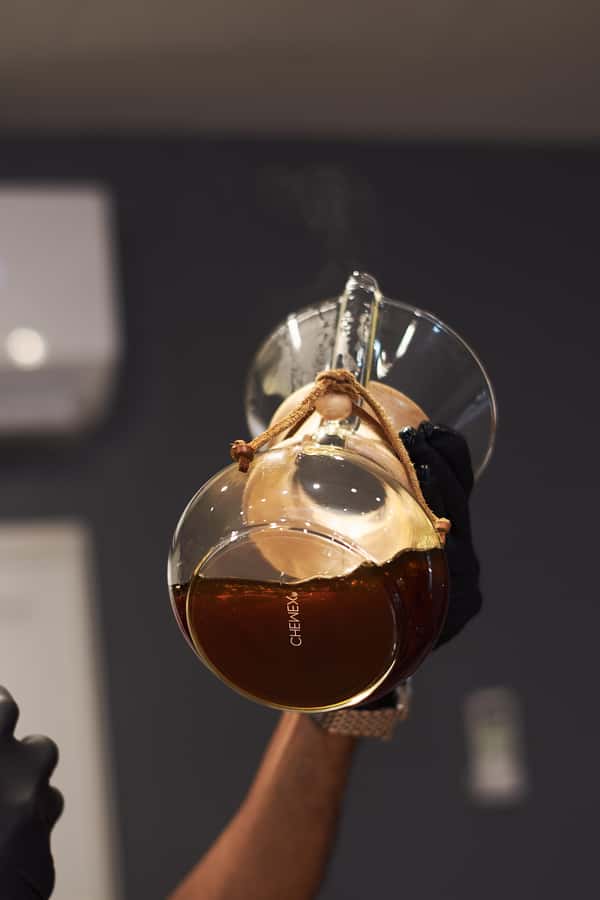
The class teaches simple sensory language. You work with ideas such as body, sweetness, aroma, acidity, smoothness, and flavor profile.
You do not need to become a coffee professional. The practical goal is to leave knowing what kind of cup suits you. Perhaps you prefer a bright, fruity coffee. Perhaps you want a smooth, rounded brew with honey notes. Perhaps you enjoy more body and chocolate character.
This is where the tasting becomes useful beyond Cartagena. Once you understand a few basic terms, you can order more confidently in specialty cafés and buy beans that match your taste. You can also prepare coffee at home with a clearer idea of what your equipment is doing.
The guides explain the difference between high-quality coffee and poor-quality coffee without making the discussion feel snobbish. That balance matters. Specialty coffee can easily become a lecture about rules and expensive gear. Here, the emphasis is on paying attention to what is in your cup.
The teaching style depends on your instructor. The strongest sessions seem to come from guides who invite questions and adjust their explanations to the group. Santiago is praised for being engaging and personable, while Thomas is often singled out for his depth of coffee knowledge and passion. English and Spanish instruction are available, and one bilingual session successfully included a family member who preferred Spanish.
What the Two Hours Feel Like
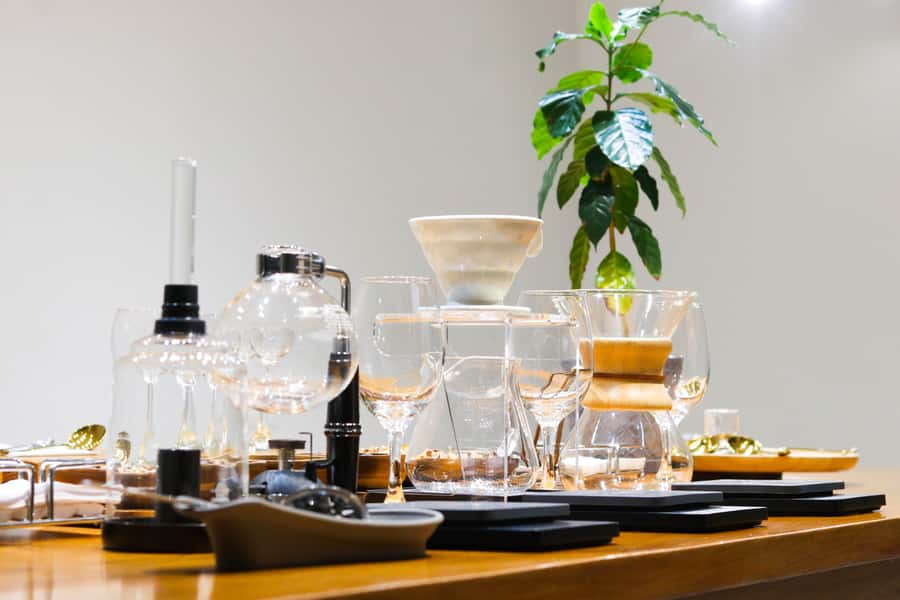
The advertised duration is two hours, though some sessions have stretched closer to three hours when the conversation and tasting moved at a slower pace. I would leave room in your schedule rather than placing this directly before a timed reservation.
A typical flow includes:
- An introduction to Colombian coffee growing and production
- An explanation of processing and the route from bean to cup
- Aroma training with coffee references
- Sensory tasting with fruit and chocolate
- Three coffee preparations using different methods
- Discussion of flavor, body, and personal preferences
- A participation diploma at the end
The final certificate, titled Diploma Awakening of the Coffee Senses, is a fun souvenir. It is not a professional qualification, but it marks the completion of the class and gives you something tangible to take home.
The activity is usually comfortable for solo participants, couples, and small groups. Several people received a highly personal session when they were the only booking at their time. That can be a bonus if you like questions and individual attention. It can also make the class feel less social, since the format naturally centers on the instructor.
Finding Café-472 Without Losing Time

The meeting point is a coffee experience center, and you are asked to identify yourself as attending the activity when you arrive. One important practical warning: the supplied address has caused confusion for at least one participant and may point you to the wrong place.
A useful tip is to search for Consultorio Dra. Bleidys Mendoza Sotomonte. The café is across from that dental office, and the coffee shop is called Café-472. Entering the dental office name into Uber has been reported as a better way to reach the area. Save the café name and allow extra time, especially if you are walking.
Once inside, the air conditioning is welcome after Cartagena’s heat and humidity. One participant arrived overheated and was offered cold water immediately. That small detail fits the overall tone described by many people: attentive, patient, and eager to make the class comfortable.
Do not wear strong fragrance. Perfume or cologne can interfere with the aroma exercises, which are central to the experience.
Is $15 a Good Deal in Cartagena?
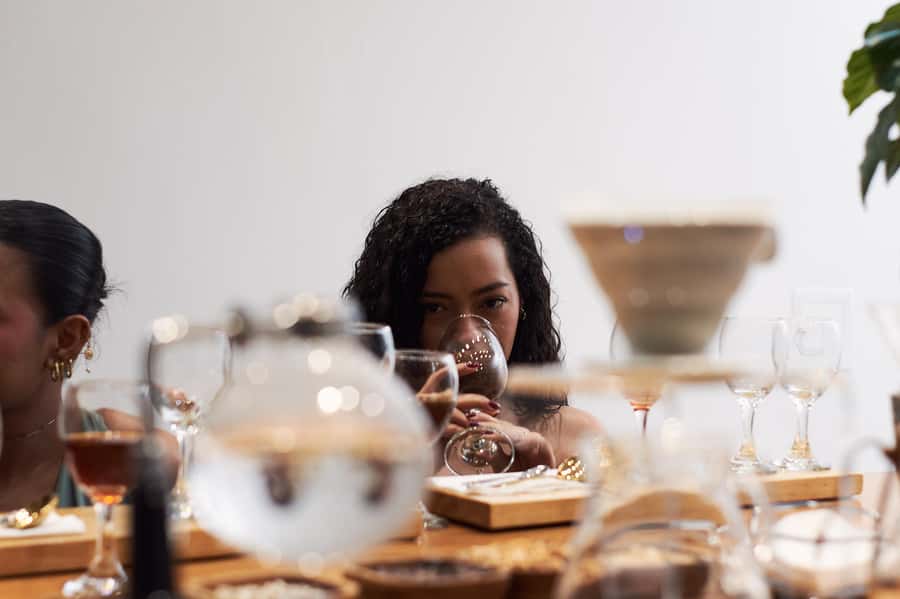
At $15 per person, this is one of the easier Cartagena activities to recommend on value. You receive about two hours of instruction, several sensory exercises, and three specialty coffee preparations. Comparable café tastings can cost more while giving you less explanation.
The value is strongest if you would otherwise spend money on coffee tastings or specialty brewing at home. You are not just consuming three drinks. You are learning why they differ and what to look for next time.
The price is less compelling if you dislike coffee, avoid caffeine, or want a plantation visit. You may still enjoy the history and aroma work, but the activity remains centered on drinking and understanding coffee.
The experience does not include a stated takeaway bag of coffee beans. One participant wished the signature beans were offered at the end. If you want Colombian beans to bring home, ask at the café, but do not assume they are part of the booking.
The café may also sell other drinks and pastries. Croissants from a local baker and a Bailey’s frappé received special praise, but these appear to be separate purchases rather than included parts of the tasting.
Who Should Book This Experience?
I would choose this for:
- Coffee drinkers who want to understand specialty coffee
- Beginners who feel lost when cafés use tasting notes
- Couples with different levels of coffee interest
- Visitors seeking an indoor activity during a hot Cartagena day
- People curious about Colombian farming and coffee culture
- Anyone who wants practical brewing ideas for home
I would think twice if you want a farm visit, a walking tour, or a highly social group activity. The class is structured and can feel lecture-led. It is engaging when the guide brings energy, but it is still a lesson, not a party.
The strongest reason to book is the quality of instruction. Names may vary by date, but guides such as Thomas, Tomas, Santiago, Pedro, Arturo, Sebastián, and Miguel have been praised for warmth, humor, and clear explanations. That personal connection seems to make the technical material easy to follow.
Final Verdict: A Smart Coffee Stop in Cartagena
I recommend the Colombian Specialty Coffee Tasting if you want more than a quick cup and you have at least two hours to spare. The three methods make the tasting concrete, the sensory exercises give you useful vocabulary, and the plantation-to-cup lesson adds real context to Colombia’s most famous drink.
Book it for the education, the excellent coffee, and the chance to learn what your own palate prefers. Skip it if you want to visit coffee fields or dislike classroom-style activities. For $15, though, it offers a generous portion of instruction and tasting, with guides who clearly care about getting Colombian coffee right.
FAQ
How much does the Colombian Specialty Coffee Tasting cost?
The activity costs $15 per person.
How long does the coffee tasting last?
The stated duration is two hours. Some sessions may take longer when the discussion and tasting move at a relaxed pace.
Which languages are available?
Instruction is available in English and Spanish.
What coffee brewing methods are included?
The experience includes three different coffee preparations. Commonly described methods are Chemex, V60, and Hario TCA-5 siphon brewing.
Is the coffee tasting held at a plantation?
No. The activity takes place at a coffee experience center in Cartagena and explains Colombian coffee growing and processing in a classroom setting.
Is there anything I should avoid wearing?
Avoid strong fragrances. Perfume and cologne can interfere with the aroma portion of the tasting.
More Food and Drink Tours
- Private Cartagena city and street food tour.
★ 5.0 · 31 reviews - Cartagena Bazurto Market: Authentic Food & Culture Tour
★ 4.5 · 13 reviews - Private Street Food Tour in Walled City and Getsemani
★ 3.9 · 11 reviews - Cartagena: Express Rum and Chocolate Tasting Experience
★ 5.0 · 10 reviews
More Coffee Experiences
- Cartagena: Coffee Tasting
★ 4.5 · 5 reviews - Cartagena: History, Culture & Coffee Experience
★ 5.0 · 5 reviews - Cartagena Coffee Masterclass: Artisanal Roasting and Brewing
★ 5.0 · 3 reviews - Medellin: Coffee Tour with Transport, Snacks and Tastings
★ 4.7 · 1,357 reviews
Just added around Cartagena
- Cartagena: Party Bus Tour In Cartagena★ 4.2 · 3 reviews
- Cartagena: Ecoplan on Barú, Aviary and Oceanarium in one day★ 3.3 · 3 reviews
- Isla Tierra Bomba beach club: Day Pass with typical food★ 5.0 · 3 reviews
- White Night Boat Party: Dinner Buffet, Dancing and Open Bar★ 4.6 · 3 reviews
- Mompox Caribbean Routes★ 4.8 · 3 reviews
- Tayrona Park adventure in Santa Marta: Cabo San Juan from Cartagena★ 3.8 · 3 reviews
- Cartagena: Photography Workshop Tour★ 5.0 · 3 reviews
- Cartagena: Day Tour to Tierra Bomba Island★ 3.2 · 3 reviews
Coffee Farm Tours, compared.
Coffee Tour with Transport, Snacks and Tastings
Read our review →
Medellín Coffee Farm Tour with Trolley and Cable Car Ride
Read our review →
Private Cocora Valley, Salento & Coffee Farm Tour
Read our review →
Horseback Riding Coffee Farm Tour with Coffee Spa
Read our review →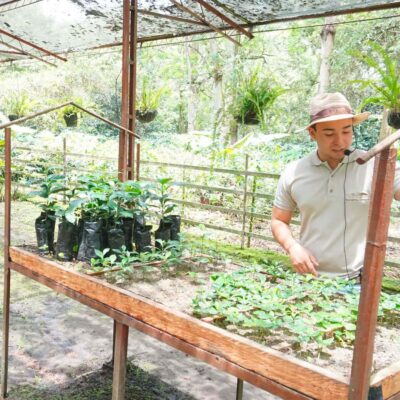
Browse the lists this tour appears in