
Reviewed · COFFEE FARM TOURS
Cartagena: History, Culture & Coffee Experience
Cartagena tells its best stories in stone. This four-hour private tour brings together San Felipe Castle, La Popa Convent, the Historic Center, and a Colombian coffee tasting, so you get a quick but meaningful introduction to the city. I especially like the mix of major sights and everyday local life, from fortress tunnels to Getsemaní street art.
I also like that your guide leads you through difficult chapters of Cartagena’s past, including the role of Plaza de la Aduana in the colonial slave trade, instead of offering only pretty buildings and postcard views. Guides Carlos and Oralis Barrios received especially warm praise for being friendly, patient, responsive, and fluent in English. The main consideration is timing: the vehicle is available for only three hours, the tour ends on foot in the Historic Center, and your return ride is not included.
- San Felipe Castle’s tunnels and watchpoints show how Spain defended Cartagena from pirate attacks.
- La Popa Convent sits at Cartagena’s highest point, with broad views of the city, bay, and Caribbean Sea.
- Plaza de la Aduana and the Clock Tower introduce the city’s colonial trade and most familiar entrance.
- Coffee tasting adds a small but welcome sensory break to the history.
- Getsemaní and Centenario Park bring you closer to Cartagena’s street life, murals, music, and urban wildlife.
In This Review
- A Four-Hour Introduction to Cartagena
- San Felipe Castle, Cartagena’s Great Fortress
- La Popa Convent and the City Below
- Plaza de la Aduana and Cartagena’s Colonial Center
- San Pedro Claver Church and Plaza de Bolívar
- Colombian Coffee as a Short Sensory Break
- Centenario Park and Getsemaní After the Monuments
- What Your Guide Adds to the Day
- Timing, Transport, and Comfort Tips
- Who Will Get the Most From This Tour?
- Should You Book Cartagena’s History, Culture & Coffee Experience?
- FAQ
- How long does the Cartagena History, Culture & Coffee Experience last?
- Is hotel pickup included?
- Does the tour include transportation back to the hotel?
- Which languages are available?
- Is this a private tour?
- Are entrance fees included?
- Is food included with the coffee tasting?
- Can I cancel for a full refund?
A Four-Hour Introduction to Cartagena
At $152 per person, this is not a cheap sightseeing loop. It is a private experience with a bilingual guide, two admission tickets, hotel pickup in eligible parts of Cartagena, and a coffee tasting. The value depends on what you want from your first day in the city.
I see the price making more sense for a couple, family, or small private group that wants a guide’s attention and a clear route through several major sights. You are not piecing together taxis, entrance fees, and a walking tour on your own. You also have someone available to explain the city’s complicated past and answer questions as you go.
The four-hour length keeps the experience manageable, especially if you have limited time in Cartagena or a cruise stop. It also means the schedule moves at a fairly brisk pace. You will see many important places, but this is an introduction rather than a slow study of every church, plaza, and museum.
The tour is offered in English or Spanish. It is a private group, and pickup is available in Cartagena’s Historic Center and Bocagrande. Pickup in the Manzanillo area costs extra, while hotel pickup is not included for the Baru area. Confirm your pickup details before booking so the first part of the day is clear.
San Felipe Castle, Cartagena’s Great Fortress
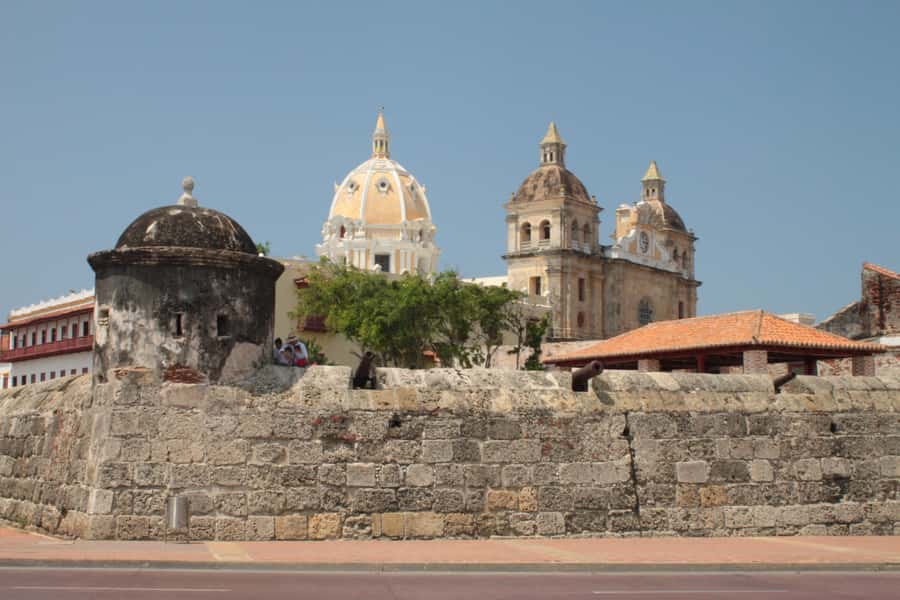
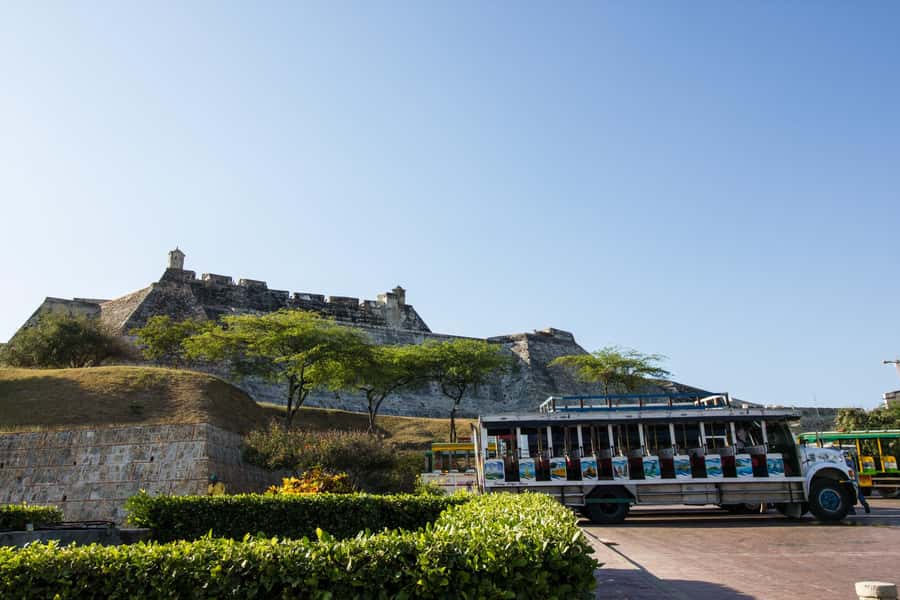
San Felipe de Barajas is the tour’s most imposing stop. Spain built this massive fortification to protect Cartagena from pirate attacks, and its size makes the city’s colonial power struggles easier to understand. You do not simply look at the outer walls. You explore underground tunnels and strategic watchpoints built for defense.
The tunnels are the most memorable part for many people. They show how soldiers could move inside the fortress while staying protected from enemy fire. The watchpoints also help you see why this hill mattered. From a defensive position, the fort controlled important approaches to the city.
I like starting here because the castle gives you a physical explanation of Cartagena’s importance. The city was not wealthy and contested by accident. Its port made it a prize, and the fortress was the answer to repeated threats from the sea.
Wear comfortable shoes. The castle visit involves walking through a large historic site, and the Caribbean sun can be strong. Bring water, sunscreen, and a hat, as recommended for the experience. If you have knee trouble, tell your guide at the beginning. Carlos was praised for being patient with a guest who had a knee problem and for allowing plenty of time for photographs, which suggests that the private format can help when your group needs a slower pace.
The castle is also where the three-hour vehicle window matters. Your transportation covers the outside sights, including San Felipe Castle and La Popa Convent, but you should not expect the vehicle to remain available for the full four hours.
More coffee farm mornings we have written up:
- Cartagena: Colombian Specialty Coffee Tasting
★ 4.4 · 130 reviews - Cartagena Coffee Masters
★ 4.5 · 40 reviews - Cartagena Highlights: San Felipe, Popa & Coffee Experience
★ 4.5 · 39 reviews
La Popa Convent and the City Below
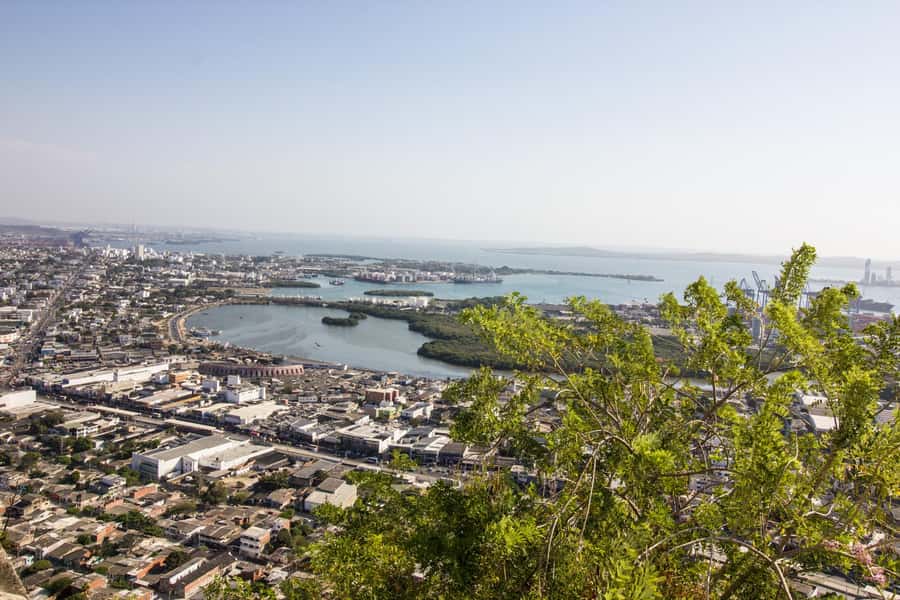
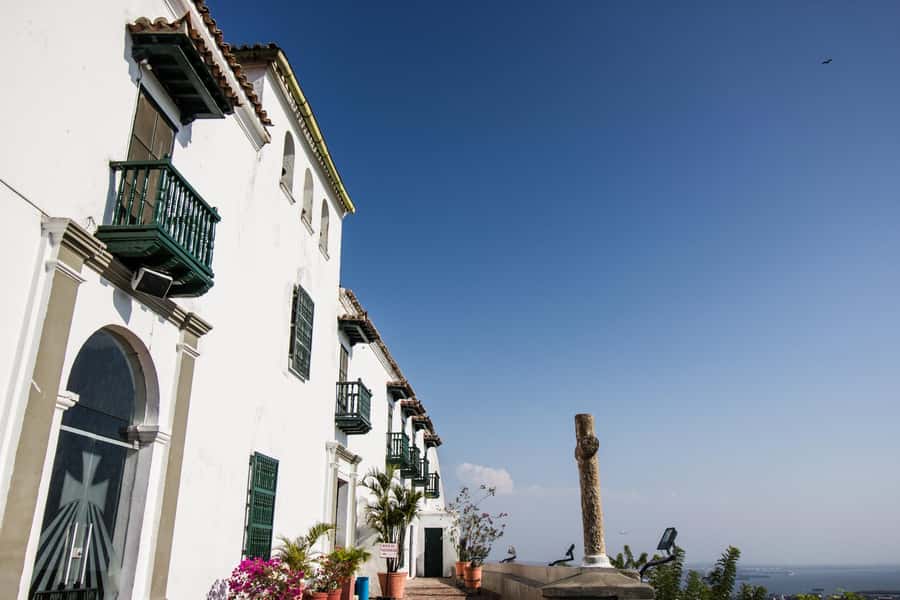
From San Felipe, the route continues to La Popa Convent, a 17th-century monastery at Cartagena’s highest point. The draw here is simple: you get a wide view over the city, the bay, and the Caribbean Sea.
This stop changes the rhythm of the tour. San Felipe explains defense from inside thick walls. La Popa lets you step back and see Cartagena as a whole. The elevated view gives you a better sense of how the old city, newer districts, water, and surrounding areas fit together.
I would pay close attention to the guide here rather than treating the convent as a quick photo stop. The building offers religious and historical context, while the view helps place the rest of the day in perspective. You will later walk through streets that can feel like a maze, so seeing the city from above is useful.
The open viewpoint can be hot, particularly when the sun is high. Light clothing, water, and sun protection are practical rather than optional. If you have limited mobility, the private tour gives you a chance to discuss your pace with the guide. The experience is listed as wheelchair accessible, though the exact route through every historic area is not described, so it is sensible to confirm any specific needs before booking.
Plaza de la Aduana and Cartagena’s Colonial Center
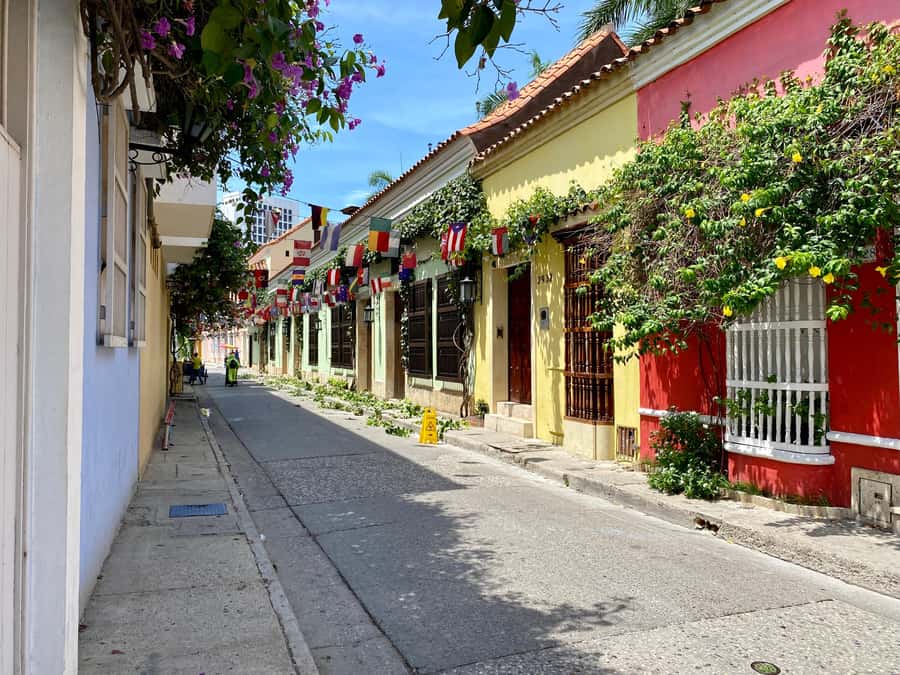
After the fortress and convent, the focus shifts from military power to city life. The walking portion begins in the Historic Center, with Plaza de la Aduana as an important early stop.
The plaza was once the main trading hub for enslaved Africans during the colonial era. That fact matters. Cartagena’s beauty can make it easy to look only at balconies, stone walls, and church facades. A good explanation of the plaza connects those attractive buildings to the people, commerce, and forced labor that shaped the city.
This is one of the strongest reasons to choose a guided walk instead of simply wandering with a map. The buildings carry stories that are not always visible. Your guide can point out the historical meaning behind the architecture and help you understand how Cartagena’s colonial economy worked.
From Plaza de la Aduana, you pass through the Clock Tower, the city’s emblematic entrance. It is one of those places that feels familiar even if you have never been to Cartagena because it appears in so many images of the city. In person, it serves as a clear transition into the old streets.
The walking section is likely where you will take the most photographs. Plan for pauses, but remember that the tour has several stops packed into four hours. The private format is useful here. Anastasia described Carlos as patient with a group that needed many picture stops, so you should have some flexibility without holding up a large tour group.
San Pedro Claver Church and Plaza de Bolívar
San Pedro Claver Church adds another important layer to the Historic Center. It is dedicated to the patron saint of human rights, giving the stop a moral and social focus alongside the city’s religious architecture.
The church is not presented as an isolated sightseeing object. Its place in the route helps connect Cartagena’s colonial era with questions of human dignity and the treatment of enslaved people. After Plaza de la Aduana, this is a fitting continuation of the city’s more difficult story.
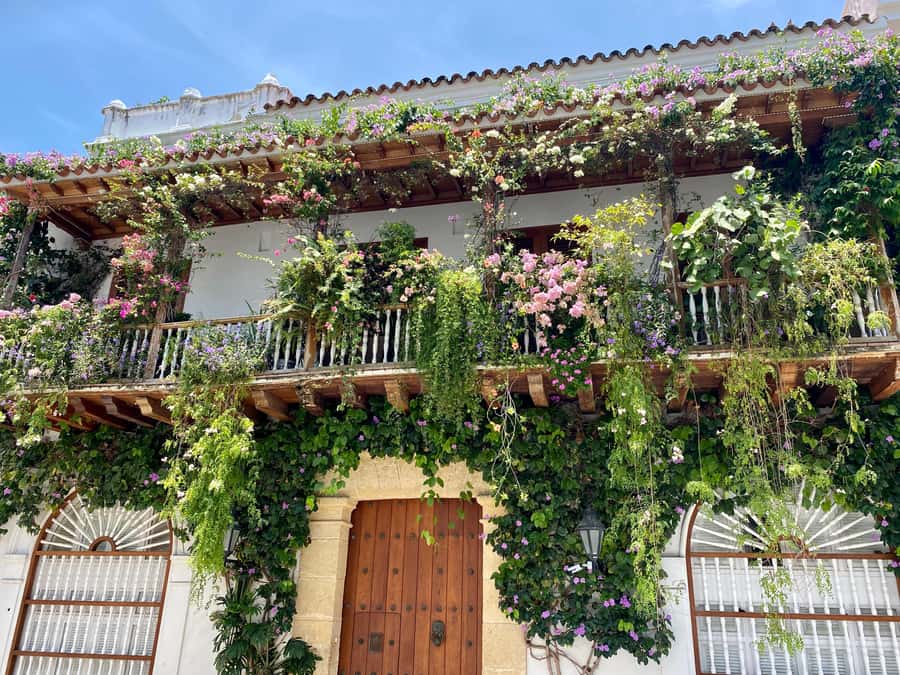
Next comes Plaza de Bolívar, where you can pause among some of Cartagena’s most attractive colonial buildings. The square offers a welcome moment to slow down after the earlier walking and sightseeing. I like this contrast: the route gives you serious history, then enough breathing room to notice the details around you.
You should listen for the stories behind the buildings rather than treating the center as a backdrop. The experience is designed to explain what happened here, not simply point out colorful doors. It is especially useful if this is your first visit and you want context before returning to explore independently.
A few more trips worth weighing up before you book
- Specialty Coffee Workshops in Cartagena
★ 5.0 · 34 reviews - Walking Tour of Cartagena Including a Colombian Cup of Coffee
★ 5.0 · 30 reviews - Cartagena: Coffee Tasting
★ 4.5 · 5 reviews - Cartagena Coffee Masterclass: Artisanal Roasting and Brewing
★ 5.0 · 3 reviews
Colombian Coffee as a Short Sensory Break
The coffee tasting is small, but it gives the tour a different feel. You learn about the flavors and aromas that have made Colombian coffee famous around the world, then taste a sample rather than hearing only a lecture about it.
I like the placement of this stop after the main historical sights. Four hours of fortifications, churches, plazas, and city stories can be a lot to take in. Coffee creates a short pause and gives you a direct connection to one of Colombia’s best-known products.
Do not book this expecting a full meal or a long coffee workshop. It is described as a small Colombian coffee tasting, and unspecified food or drinks are not included. If you need snacks, carry something with you, but keep the focus on the tasting and the explanation of flavor and aroma.
This is also a pleasant place to ask questions. You might want to know why Colombian coffee tastes different, how aroma affects the experience, or what makes it celebrated internationally. The guide’s role is important here, since the value comes from the explanation as much as the sample itself.
Centenario Park and Getsemaní After the Monuments
Centenario Park brings the tour back outdoors. This green space sits in the middle of Cartagena, yet it is known for sloths, monkeys, and iguanas roaming freely. You may find this surprising after spending time among fortress walls and colonial facades.
The park gives you a glimpse of Cartagena that is less formal than the monuments. It is a place to watch city life unfold, with animals adding a memorable bit of unpredictability. Keep your expectations sensible, since wildlife sightings are not guaranteed, but the possibility makes the stop more engaging than a standard city transfer.
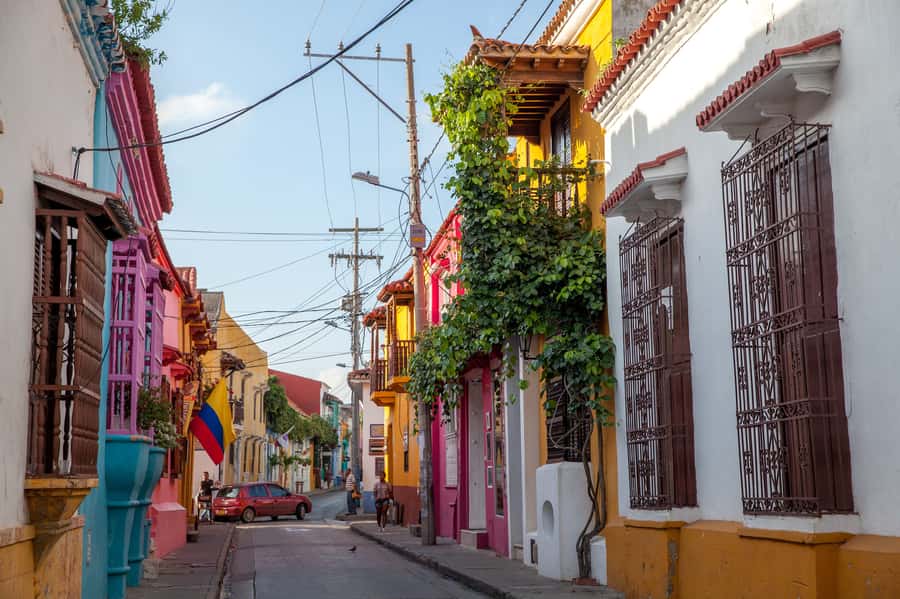
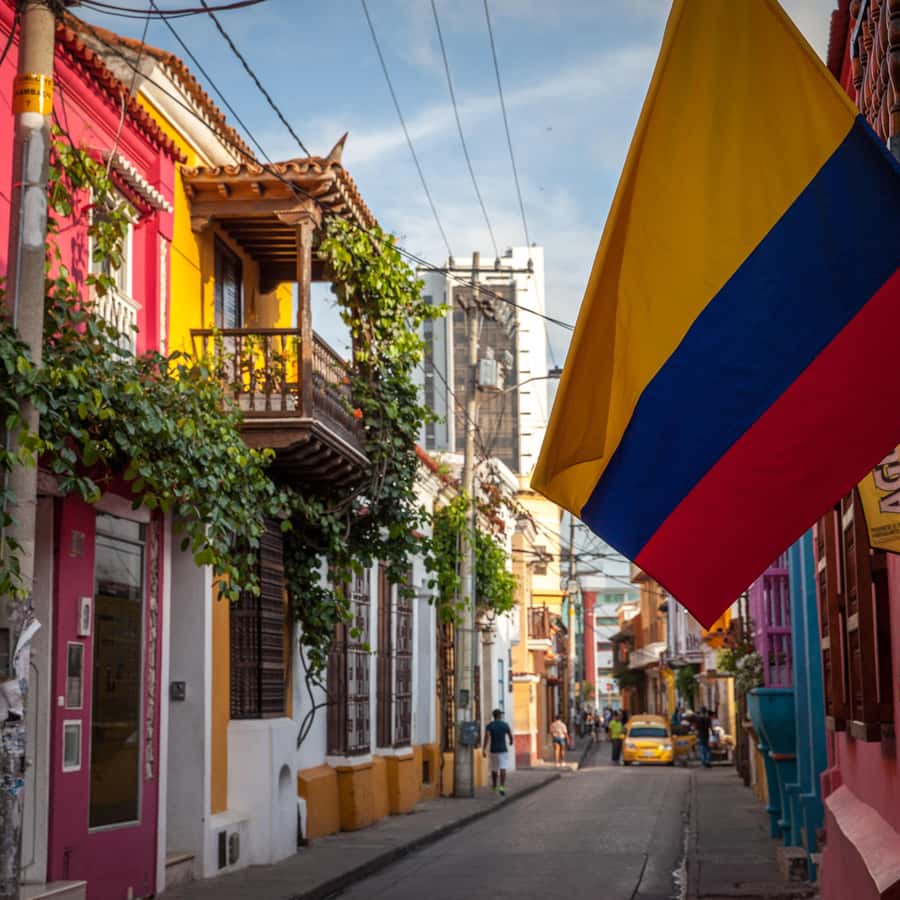
The final area is Getsemaní, the heart of Cartagena’s local culture. Its streets are filled with murals, street art, music, and welcoming residents. Compared with the polished architecture of the Historic Center, Getsemaní feels more expressive and lived-in.
I consider this ending one of the tour’s best choices. You finish with Cartagena’s present-day personality rather than ending at a church or museum. The neighborhood shows how art, music, and public life shape the city now.
The tour ends on foot in the Historic Center. This is important to plan around. Transportation back to your hotel is not included, so you will need to arrange your own ride or continue exploring from there. If you are staying in the old city, the ending is convenient. If you are in Bocagrande or another district, budget time and money for your return.
What Your Guide Adds to the Day
A private tour succeeds or fails on the guide. The strongest feedback here focuses on personal attention, clear English, patience, humor, and a willingness to answer questions.
Carlos was praised for arriving on time, speaking fluently, sharing engaging history, joking with the group, and responding carefully to many questions. He was also patient with frequent photo stops and a guest with a knee problem. Oralis Barrios received similar praise for creating a very happy experience.
Those details matter more than a generic promise of a professional guide. Cartagena has layers of Spanish colonial rule, African heritage, religious history, military defense, tourism, and modern neighborhood life. You need a guide who can explain those subjects without turning the day into a long, dry speech.
Since the group is private, you can ask for clarification and adjust the pace within the fixed schedule. The guide can also help you notice details you would likely walk past alone. Still, the actual guide assigned to your booking may differ, so do not assume Carlos or Oralis will lead every departure.
Timing, Transport, and Comfort Tips
The tour lasts four hours, but the vehicle is available for only three hours while you visit San Felipe Castle and La Popa Convent. The final hour is spent on foot in the Historic Center and ends there.
That arrangement is practical because the old city is best explored by walking. It also prevents confusion if you expect a car to remain with you until the last stop. Arrange your return before the tour begins, especially if you are staying outside the Historic Center.
Bring:
- Passport or identification card
- Comfortable walking shoes
- Water
- Sunscreen
- A hat or other sun protection
Alcohol and drugs are not allowed, and bare feet are not permitted. The experience is listed as wheelchair accessible, and you can request pickup in the Historic Center or Bocagrande. Extra cost applies to hotels in the Manzanillo area, while pickup is not included for the Baru area.
The free cancellation window is 24 hours before the experience, and you can reserve now and pay later. Those policies help if your Cartagena schedule is still shifting, but the bigger practical issue is still the walking route and your return transportation.
Who Will Get the Most From This Tour?
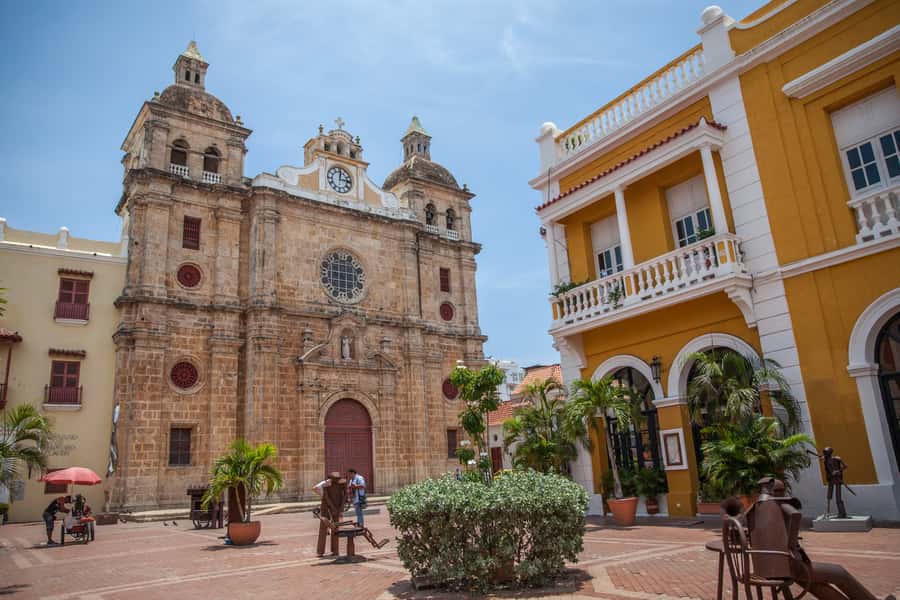
I would recommend this experience to a first-time visitor who wants to cover Cartagena’s major sights in one half-day without managing the route alone. It also fits couples, families, and private groups that prefer to ask questions and stop for pictures without joining strangers.
It suits history-minded visitors because the guide addresses military defense, colonial trade, religious figures, and the treatment of enslaved Africans. It also works for people who want more than monuments, thanks to the coffee tasting, Centenario Park, and Getsemaní.
You may want something else if you prefer a slow morning at one site, a long food tour, or a full-day exploration of the city. The route is busy, and four hours leaves limited time for extended visits. The $152 price is easier to justify when you value private guiding, included admission to San Felipe Castle and La Popa, and hotel pickup in the covered areas.
Should You Book Cartagena’s History, Culture & Coffee Experience?
Book it if you want a well-organized first look at Cartagena, especially when a private guide and broad coverage matter more to you than a leisurely pace. The combination of San Felipe Castle, La Popa’s views, the Historic Center, coffee, Centenario Park, and Getsemaní gives you a useful picture of both the city’s past and its present.
Before paying, confirm your pickup location, note that Manzanillo costs extra, and make a plan for getting back after the walking tour. If those details work for you, the experience offers a strong introduction with thoughtful historical context and the kind of personal attention that can make a short visit count.
FAQ
How long does the Cartagena History, Culture & Coffee Experience last?
The experience lasts four hours. The vehicle is available for three hours while you visit San Felipe Castle and La Popa Convent, and the tour finishes on foot in the Historic Center.
Is hotel pickup included?
Pickup is included for hotels in Cartagena’s Historic Center and Bocagrande. Additional cost applies for hotels in the Manzanillo area, and pickup is not included for the Baru area.
Does the tour include transportation back to the hotel?
No. The tour ends on foot in the Historic Center, and transportation back to your hotel is not included.
Which languages are available?
The tour is offered with a live guide in English or Spanish.
Is this a private tour?
Yes. The experience is operated as a private group tour.
Are entrance fees included?
Yes. Entry tickets to San Felipe Castle and La Popa Convent are included.
Is food included with the coffee tasting?
A small Colombian coffee tasting is included. Unspecified food and beverages are not included.
Can I cancel for a full refund?
Yes. You can cancel up to 24 hours in advance for a full refund. You can also reserve now and pay later.
More Historical Tours
- Cartagena: Historic Center and Getsemaní Shared Walking Tour
★ 4.9 · 2,716 reviews - Visit Palenque with natives : history, culture and ancestral legacy
★ 5.0 · 53 reviews - Cartagena Instagrammable History
★ 4.5 · 29 reviews - Mangroves, cultural fishing, black heritage town and lunch
★ 4.5 · 29 reviews
Just added around Cartagena
- Cartagena: Ecoplan on Barú, Aviary and Oceanarium in one day★ 3.3 · 3 reviews
- Cartagena: Party Bus Tour In Cartagena★ 4.2 · 3 reviews
- Isla Tierra Bomba beach club: Day Pass with typical food★ 5.0 · 3 reviews
- White Night Boat Party: Dinner Buffet, Dancing and Open Bar★ 4.6 · 3 reviews
- Tayrona Park adventure in Santa Marta: Cabo San Juan from Cartagena★ 3.8 · 3 reviews
- Mompox Caribbean Routes★ 4.8 · 3 reviews
- Cartagena: Photography Workshop Tour★ 5.0 · 3 reviews
- Shared Getsemani Art District Tour with Wireless Live System★ 4.7 · 3 reviews
Coffee Farm Tours, compared.
Coffee Tour with Transport, Snacks and Tastings
Read our review →
Medellín Coffee Farm Tour with Trolley and Cable Car Ride
Read our review →
Private Cocora Valley, Salento & Coffee Farm Tour
Read our review →
Horseback Riding Coffee Farm Tour with Coffee Spa
Read our review →
Browse the lists this tour appears in