
Reviewed · COFFEE FARM TOURS
Walking Tour of Cartagena Including a Colombian Cup of Coffee
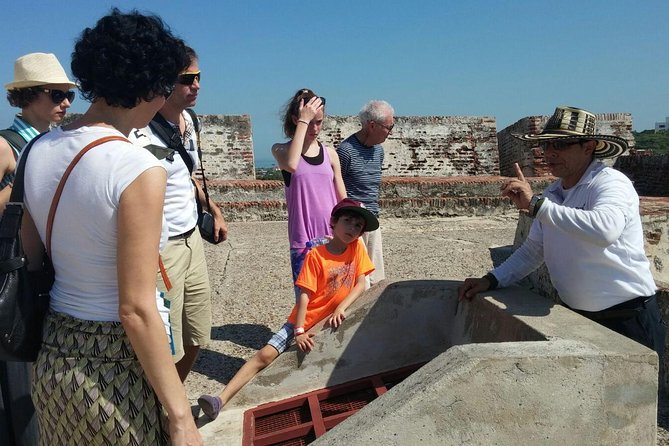
Cartagena opens its story quickly. This three-hour private walk packs the old city’s major sights into a focused morning, from the Clock Tower and slave market to the walls, Simón Bolívar Square, and Getsemaní. I like the small group limit of 10 and the chance to learn about Cartagena from guide Angel Duran, whose English was praised as excellent.
I also like the practical touches: bottled water, a Colombian coffee stop, air conditioning, a free bathroom, and help with the long lines. The main consideration is the $160 per person price, which is high for a three-hour walk unless you value private guiding, a tightly planned route, and hotel pickup and drop-off.
In This Review
- Key points at a glance
- Why this three-hour walk works well
- Beginning near San Pedro Claver
- San Pedro Claver, the old city, and the first stories
- The Clock Tower and the old defensive walls
- Plaza Bolívar and the Gold Museum
- The slave market and Cartagena’s harder history
- A Botero sculpture and a useful photo stop
- The jewelry factory and testing emeralds
- Getsemaní beyond the main colonial core
- Colombian coffee, water, beer, and a break indoors
- What the guide can add to the morning
- Is $160 per person a fair price?
- Who should book this Cartagena walk?
- FAQ
- How long is the Cartagena walking tour?
- Where does the tour start?
- Where does the tour end?
- Is hotel pickup and drop-off available?
- Is the tour private?
- Is the Gold Museum guaranteed to be open?
- Is coffee included?
- Is lunch included?
Key points at a glance
- A fast route through Cartagena’s old city: See the Clock Tower, walls, Simón Bolívar Square, slave market, and other central sights in one morning.
- A personal look at emeralds: Visit a jewelry factory and learn how emeralds are made, graded, and checked for authenticity.
- Getsemaní adds a different mood: The tour includes Cartagena’s most celebrated neighborhood beyond the main colonial core.
- Botero photo stop: You can pose beside the enormous Botero sculpture, one of the city’s most recognizable public artworks.
- Coffee with comfort: The included refreshment stop offers Colombian coffee, beer, or water, along with air conditioning and a bathroom.
- A strong choice for first-time visitors: The private format lets you ask questions about slavery, piracy, the Inquisition, architecture, independence, and Simón Bolívar.
Why this three-hour walk works well
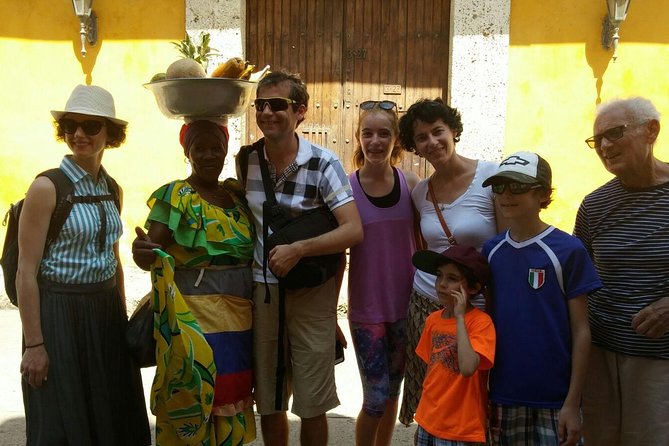
Cartagena can feel like several cities pressed together. The old walled center carries Spanish colonial buildings, churches, defensive walls, and stories of conquest. Nearby Getsemaní has a more local, street-level character. A short visit can easily become a blur of plazas and colorful facades unless someone gives the streets a clear storyline.
That is the main value of this tour. You are not simply checking off landmarks. You are moving through the places where piracy, slavery, religious trials, independence, commerce, and modern Colombian culture overlap. The route is designed for someone with limited time who wants a solid first look rather than a slow, specialized study of one subject.
The private format matters here. With a maximum of 10 people, you should have more room to ask about a statue, building, or historical detail that catches your attention. A private guide can also adjust the conversation to your interests, at least more easily than a large group tour can.
The current rating is 4.9 from 30 reviews, and 97 percent of customers recommend the experience. Those numbers suggest a consistently well-received tour, but the price still deserves careful thought. If you are traveling on a tight budget, a general group walk may cost less. If you have only one morning in Cartagena, the private arrangement can make more sense.
More Walking Tours in Cartagena
- Cartagena: Historic Center and Getsemaní Shared Walking Tour
★ 4.9 · 2,716 reviews - Cartagena: Walled City and Getsemani Shared Walking Tour
★ 4.5 · 352 reviews - Walking Tour Cartagena Old City with Gold Museum and Plaza de Bolivar
★ 4.5 · 28 reviews
Beginning near San Pedro Claver
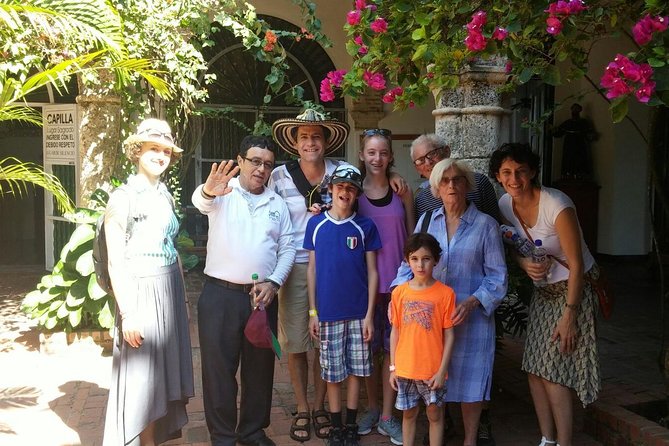
The tour starts at Crepes & Waffles on Plaza de San Pedro Claver at 8:30 a.m. That puts you in the heart of El Centro, close to one of Cartagena’s most important historic areas. Starting early is useful because you can cover the main sights before the heat of the day becomes a serious distraction.
The meeting point is specific and easy to identify, but you should still allow enough time to reach it. The tour does not begin at the Clock Tower. It begins near San Pedro Claver and finishes at the Monumento Torre del Reloj, also called the Clock Tower entrance at Boca del Puente.
Hotel pickup and drop-off are offered as a convenience, although the listed meeting and ending points remain important to confirm when booking. If you arrange pickup, ask exactly where and when your guide will meet you. The supplied details do not state that every hotel transfer is automatic.
The dress code is smart casual. For a walking tour in Cartagena, that means neat, light clothing and sensible footwear are good choices. You will want to look presentable for churches, plazas, and the jewelry stop, but you should also be ready for a warm morning on foot.
San Pedro Claver, the old city, and the first stories
From the starting area, the tour moves through Cartagena’s central historic district. The exact order can vary, but the focus is clear: the city’s colonial architecture, public squares, old defenses, and complicated past.
The guide discusses slavery, piracy, the Inquisition, architecture, independence, Simón Bolívar, and beauty contests. That range is one of the strongest parts of the experience. Cartagena is often presented only as a pretty colonial city, yet its fortunes were built through trade, military power, forced labor, religion, and conflict.
You should expect interpretation rather than a museum-style lecture. The streets provide the setting, while the guide connects buildings and plazas to the people and events associated with them. This is especially useful if you have not studied Colombian history before.
The old city is also compact enough for a three-hour tour to cover a lot without requiring transport between every stop. That makes the experience efficient, though the pace may feel brisk if you prefer long photo sessions or extended time inside museums.
The Clock Tower and the old defensive walls
The Monumento Torre del Reloj is both the finishing point and one of Cartagena’s defining landmarks. It marks the entrance to the walled city and is an easy reference point for continuing your day after the tour.
The walls tell a more practical story. Cartagena needed heavy defenses because of its importance as a port and its exposure to attacks by pirates and rival powers. Walking near them gives you a physical sense of how the city was protected, rather than leaving the subject as an abstract history lesson.
The supplied tour details do not promise a long walk along every section of the walls, so you should not expect a full circuit. Instead, the walls form part of a larger route through the old center. If walking the fortifications is a top priority, ask the guide how much time the group will spend there.
Finishing near the Clock Tower is convenient. You can use the landmark to orient yourself, meet a driver, or continue exploring independently. The ending point is in a very central location, not at a remote attraction.
More coffee farm mornings we have written up:
- Cartagena: Colombian Specialty Coffee Tasting
★ 4.4 · 130 reviews - Cartagena Coffee Masters
★ 4.5 · 40 reviews - Cartagena Highlights: San Felipe, Popa & Coffee Experience
★ 4.5 · 39 reviews - Specialty Coffee Workshops in Cartagena
★ 5.0 · 34 reviews
Plaza Bolívar and the Gold Museum
Simón Bolívar Square is another key stop. The plaza gives the tour a chance to move from military and colonial subjects toward independence and national identity. Since Simón Bolívar is central to the story of independence in much of northern South America, this is a useful place to hear how Cartagena fits into the wider political story.
The Gold Museum is included if it is open. That condition matters. Museum hours can change, and the tour cannot promise entry every time. If the museum is operating, it offers an indoor break and a look at important Colombian goldwork.
You should treat the museum as a possible part of the route, not the sole reason to book. The listed average time for the stop is about 15 minutes, so this is likely a compact visit rather than a detailed museum tour. That short window works for a quick introduction, but museum lovers may want to return later for more time.
The tour includes all admission tickets, taxes, fees, and handling charges. That makes the cost easier to understand because you are not constantly reaching for your wallet during the morning.
The slave market and Cartagena’s harder history
The old slave market is one of the stops that gives the walk its moral weight. Cartagena’s beauty can make it easy to focus on balconies, plazas, and painted walls while ignoring the systems that helped build the city’s wealth.
A good guide can make this subject specific and human. Here, the stated themes include slavery alongside piracy, the Inquisition, and independence. That combination helps you see Cartagena as a working port and contested city, not merely a backdrop for photographs.
This may not be a light sightseeing walk from start to finish. Families and younger visitors can participate, but children must be accompanied by an adult. Parents should decide if the historical subjects suit their children, especially because slavery and religious persecution are part of the discussion.
The private setting is helpful for difficult questions. You can ask for clarification without holding up a large group, and the guide can explain how Cartagena’s past shaped the city you see today.
A Botero sculpture and a useful photo stop
The tour includes a chance to take a photograph beside an enormous sculpture by Fernando Botero. His work is known for rounded, exaggerated forms, and the oversized figure provides a memorable visual break from colonial facades and church interiors.
This stop is valuable for more than a photograph. It adds a modern Colombian artist to a route that otherwise leans heavily toward colonial history. You get a quick reminder that Cartagena is not frozen in the past.
The details do not name the exact sculpture or promise a long art explanation, so keep your expectations modest. It is best understood as a planned public-art stop, not a full lesson in Botero’s career. Still, it gives you one of the tour’s most recognizable pictures.
The jewelry factory and testing emeralds
The jewelry factory may be the most distinctive part of the walk. You can see how jewelry is made and learn how to tell if an emerald is real or fake, as well as how stones may be judged as good, regular, or excellent quality.
That practical angle makes the stop more useful than a simple shopping visit. Colombian emeralds are a major part of the country’s identity, and understanding the basics can help you make sense of the jewelry displays you will encounter elsewhere in Cartagena.
You should listen carefully to the grading explanation and ask questions before considering any purchase. The tour details describe the factory visit and the education about emeralds, but they do not state that buying jewelry is required or included. There is no reason to treat the stop as a sales obligation, yet you should still remain alert to your own budget and buying plans.
The indoor setting can also provide relief from the heat. Along with the refreshment stop, air conditioning and a free bathroom are included. Those may sound like small details, but they matter during a warm walking tour.
Getsemaní beyond the main colonial core
Getsemaní is described as Cartagena’s most beautiful district and forms an important part of the route. Its inclusion keeps the experience from becoming a narrow walk through the most polished parts of El Centro.
The neighborhood helps you compare two sides of central Cartagena. The walled center emphasizes fortifications, colonial institutions, and grand public spaces. Getsemaní brings a different sense of neighborhood life and gives the guide another setting for discussing architecture, independence, and local identity.
The details do not list individual streets, murals, restaurants, or buildings in Getsemaní, so you should not expect a fixed checklist of specific photo locations. The value lies in seeing the district within the larger story of the city.
If you have more time after the tour, the ending near the Clock Tower makes it possible to continue on foot. The tour itself is only three hours, so you will still have much of the day available.
Colombian coffee, water, beer, and a break indoors
A Colombian cup of coffee is part of the experience, and the stop also offers beer or bottled water. You can choose the drink that suits you, which is useful on a morning walk.
The air-conditioned setting and free bathroom are particularly practical. Cartagena’s heat can make a packed sightseeing schedule tiring, and a short indoor pause helps you finish the route in better shape.
The stop is listed at an average of 15 minutes. That is enough time for a quick drink and a reset, but not a leisurely café visit. If you want a long breakfast, plan to eat before the 8:30 a.m. start or after the tour. Lunch is not included.
Bottled water is included, along with gratuities and all taxes, fees, and handling charges. Those inclusions reduce the chance of surprise costs, although lunch and excess luggage charges, if relevant, are excluded.
What the guide can add to the morning
The guide is the most important variable on a history-focused walk. Angel Duran receives especially strong praise for his historical explanations, English, kindness, and ability to guide visitors through the key sites.
That matters because the route contains many subjects. Without clear storytelling, the Clock Tower, walls, squares, market, museum, and jewelry factory could feel like disconnected stops. A skilled guide gives them order and helps you understand why each place matters.
The experience is provided by Duran Duran Tours, and the group size is capped at 10. A professional guide, private format, and guaranteed skip-the-line service are included. The precise meaning of skip-the-line access may depend on which sites are open and operating that day, especially since the Gold Museum is conditional.
Most people can participate, and the tour is near public transportation. The details do not promise an accessibility-specific route, so anyone with mobility concerns should ask the operator about walking distances, surfaces, and access before booking.
Is $160 per person a fair price?
At $160 per person, this is not a bargain walking tour. The price makes the most sense if you are traveling with family or a small group, have limited time, and want one guide to handle the historical route, site access, refreshments, and practical questions.
For a solo visitor or a couple watching costs, the value is harder to judge. You are paying for privacy, a maximum of 10 people, professional guiding, included fees, water, gratuities, and a carefully packed route. You are not paying for lunch, and the walk lasts about three hours.
I would book it when the morning needs to do several jobs at once: introduce you to Cartagena, explain its difficult past, show you both El Centro and Getsemaní, and leave you near the Clock Tower with the rest of the day free. I would skip it if your main goal is a slow museum visit, an extended food tour, or a full-day exploration.
Free cancellation is available if you cancel at least 24 hours before the start time. Changes or cancellations made within 24 hours are not accepted for a refund.
Who should book this Cartagena walk?
I think this tour suits first-time visitors, cruise passengers with a short window, families with older children, and anyone who prefers a private guide to a large group. It also works well for history-minded visitors who want slavery, piracy, the Inquisition, independence, and architecture discussed together.
The tour may not suit you if you dislike shopping-related stops, need a very slow pace, or want guaranteed museum access. The jewelry factory is educational, but some people may prefer more time in public squares or museums.
Book it if the personal history commentary and broad coverage matter more to you than the lowest possible price. For a compact introduction led by Angel Duran, with a Colombian coffee and a modern Botero photo stop along the way, it offers a useful first morning in Cartagena.
FAQ
How long is the Cartagena walking tour?
The experience lasts approximately three hours and begins at 8:30 a.m.
Where does the tour start?
The listed starting point is Crepes & Waffles, Plaza de San Pedro Claver, El Centro, Cartagena de Indias.
Where does the tour end?
The tour ends at Monumento Torre del Reloj, also known as the Clock Tower, at Boca del Puente in El Centro.
Is hotel pickup and drop-off available?
Hotel pickup and drop-off are offered as a convenience. The listed meeting and ending points are still provided, so confirm the exact transfer arrangements when booking.
Is the tour private?
Yes. It is a private tour with a maximum of 10 travelers.
Is the Gold Museum guaranteed to be open?
No. The Gold Museum is visited if it is open.
Is coffee included?
Yes. The experience includes Colombian coffee, and beer or bottled water are also available during the refreshment stop.
Is lunch included?
No. Lunch is not included.
More Walking Tours
- San Felipe Castle and Getsemani Walking Tour with tickets
★ 4.3 · 27 reviews - Cartagena: Walled City Walking Tour
★ 4.4 · 26 reviews - Cartagena: Gabriel García Márquez Private Walking Tour
★ 4.9 · 12 reviews - Cartagena City Tour with San Felipe Castle & Old Town Walk
★ 5.0 · 6 reviews
More Coffee Experiences
- Cartagena: Coffee Tasting
★ 4.5 · 5 reviews - Cartagena: History, Culture & Coffee Experience
★ 5.0 · 5 reviews - Cartagena Coffee Masterclass: Artisanal Roasting and Brewing
★ 5.0 · 3 reviews - Medellin: Coffee Tour with Transport, Snacks and Tastings
★ 4.7 · 1,357 reviews
Just added around Cartagena
- Cartagena: Party Bus Tour In Cartagena★ 4.2 · 3 reviews
- Cartagena: Ecoplan on Barú, Aviary and Oceanarium in one day★ 3.3 · 3 reviews
- Isla Tierra Bomba beach club: Day Pass with typical food★ 5.0 · 3 reviews
- White Night Boat Party: Dinner Buffet, Dancing and Open Bar★ 4.6 · 3 reviews
- Tayrona Park adventure in Santa Marta: Cabo San Juan from Cartagena★ 3.8 · 3 reviews
- Mompox Caribbean Routes★ 4.8 · 3 reviews
- Cartagena: Photography Workshop Tour★ 5.0 · 3 reviews
- Shared Getsemani Art District Tour with Wireless Live System★ 4.7 · 3 reviews
Coffee Farm Tours, compared.
Coffee Tour with Transport, Snacks and Tastings
Read our review →
Medellín Coffee Farm Tour with Trolley and Cable Car Ride
Read our review →
Private Cocora Valley, Salento & Coffee Farm Tour
Read our review →
Horseback Riding Coffee Farm Tour with Coffee Spa
Read our review →
Browse the lists this tour appears in