
Reviewed · COFFEE FARM TOURS
Medellín Coffee Farm Tour with Trolley and Cable Car Ride
Coffee grows inside Medellín. This 270-minute tour takes you from the San Antonio Tranvía to Barrio La Sierra, where a local family welcomes you onto an urban coffee farm. I like the unusual route, which uses both the electric trolley and cable car, and I like the chance to pick coffee berries yourself instead of simply watching a demonstration. The visit also connects coffee production with the story of Comuna 8 and its changing community.
The main drawback is the walking. You will face hills, steps, and uneven routes, with one account describing roughly 500 stairs. Food is limited, so eat beforehand or bring something along. At $56 per person, this is not the cheapest way to taste Colombian coffee, but the transport, guiding, farm visit, coffee tastings, and local welcome make it a strong value for an experience with real community contact.
In This Review
- Key points at a glance
- Starting beneath San Antonio Metro Station
- The 30-minute electric trolley ride
- Cable cars and wide city views
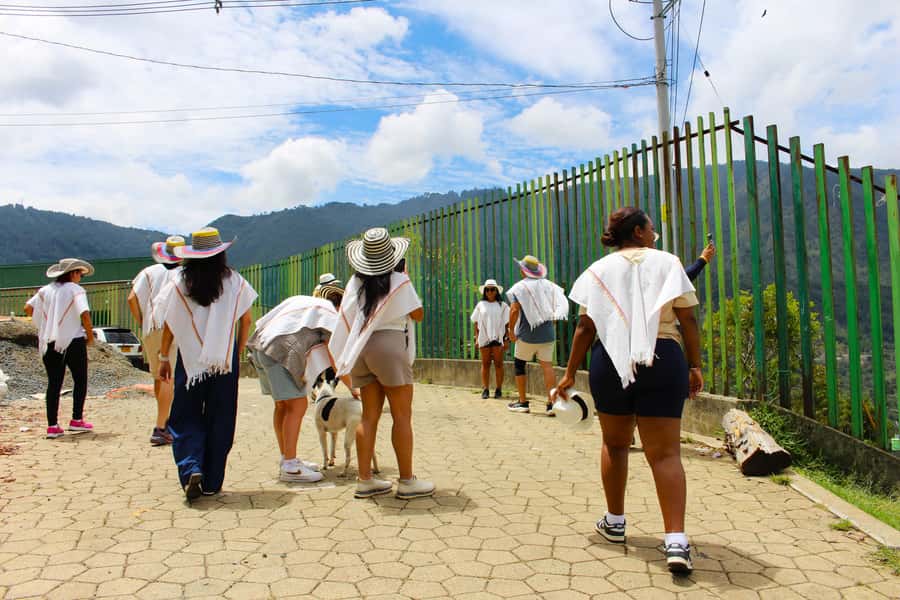
- Walking through Barrio La Sierra and Comuna 8
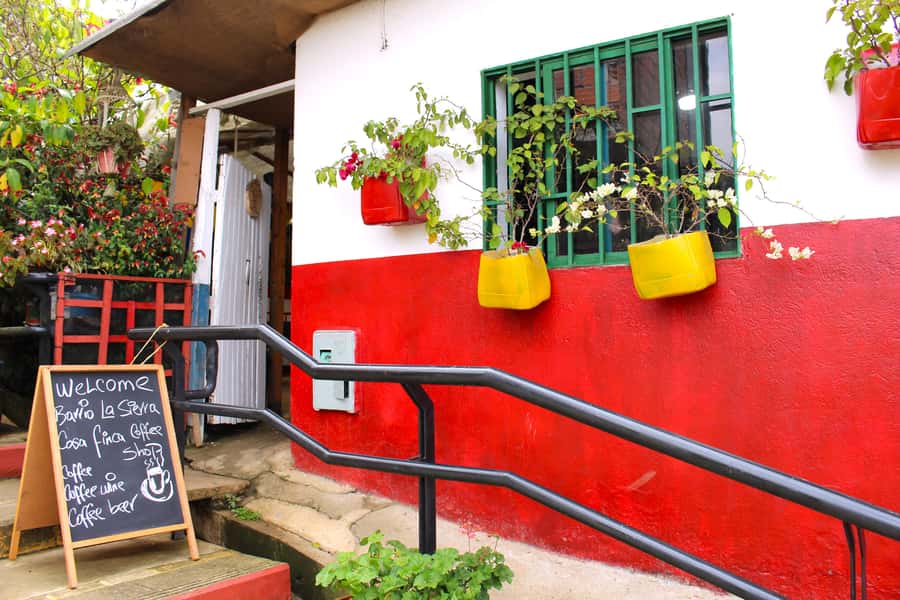
- Casa Finca de La Sierra and the family welcome
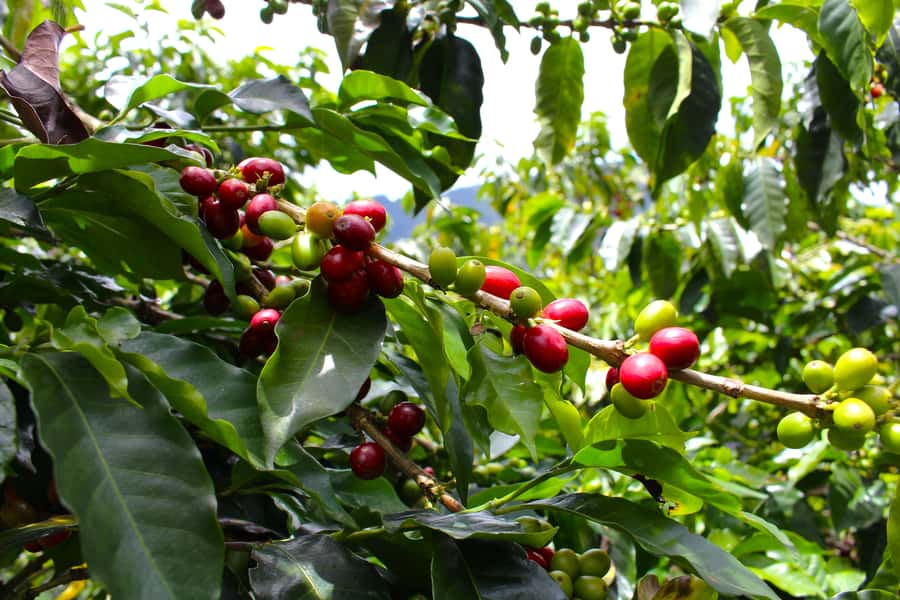
- Picking coffee berries by hand
- From coffee fruit to roasted beans
- Coffee tasting, snacks, and what to eat first
- How much value do you get for $56?
- Who should book this Medellín coffee tour?
- Practical tips for a smoother visit
- Should you book it?
- FAQ
- Where does the Medellín coffee farm tour begin?
- How long does the tour last?
- How much does the tour cost?
- Is transportation included?
- Which languages are available?
- Do I need to bring my passport?
- Can I pick coffee berries myself?
- What coffee-making steps will I learn?
- Is food included?
- Are coffee bags included?
- Is the tour suitable for people with mobility impairments?
- Can I cancel the booking?
Key points at a glance
- Coffee inside the city: Visit Casa Finca de La Sierra rather than taking a long trip to the countryside.
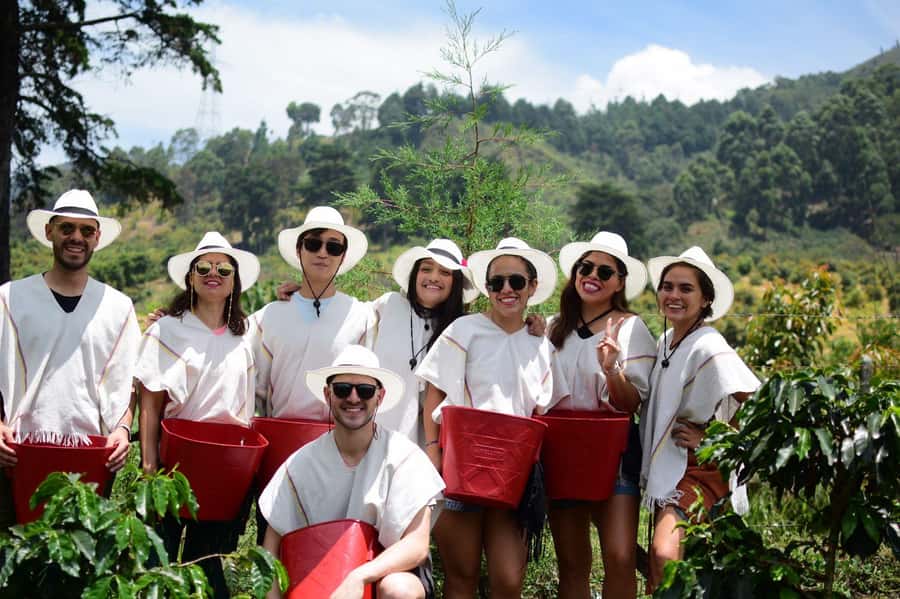
- Hands-on harvest: Pick coffee berries and follow the crop through cleaning, drying, roasting, grinding, and brewing.
- A memorable route: Ride Medellín’s electric trolley for about 30 minutes, then take a cable car for about 12 minutes.
- Community connection: Walk through Barrio La Sierra and learn how Comuna 8 has changed over time.
- Small-group feel: The experience is often relaxed and personal, with guides such as Valentina, Melissa, Carolina, David, Arturo, and Camilo praised for their care and clear explanations.
- Bring the right gear: Wear closed shoes, expect uphill walking, and carry food if you need more than coffee and a snack.
Starting beneath San Antonio Metro Station
Your meeting point is in front of the main entrance to the San Antonio Tranvía station, at street level beneath the San Antonio Metro station. Look for the San Antonio Tranvía sign rather than waiting at the upper metro entrance.
This is a useful central starting point, but give yourself time to find the correct level. Medellín’s transit stations can feel busy and layered, especially if you are still learning how the metro, trolley, and cable system fit together.
The guide meets you there before the group boards the electric trolley. English and Spanish guiding is available. Past guides have included Melissa, Valentina, Carolina, David, Arturo, Camilo, Felipe, Emily, Christian, Annie, and others. The repeated praise for these guides centers on clear translation, patience, local insight, and a friendly tone.
That matters here. The tour is not only a coffee lesson. You are also walking through a neighborhood, meeting a family, and hearing about a part of Medellín that many city visits skip. A guide who can explain local events in plain English or Spanish makes the difference between simply passing through and understanding what you are seeing.
More coffee farm mornings we have written up:
- Medellin: Coffee Tour with Transport, Snacks and Tastings
★ 4.7 · 1,357 reviews - Medellin: Coffee Tour and Wellness Spa
★ 4.8 · 209 reviews - Medellin: Coffee Tour with Hotel Transfers and Meals
★ 4.9 · 186 reviews
The 30-minute electric trolley ride
The first ride is part of the experience, not just a transfer. The electric trolley carries you away from the San Antonio meeting point and gives you a practical look at how Medellín’s public transport links the city.
I like this opening because it helps you see the tour as an urban outing rather than a standard farm excursion. You do not begin in a remote valley. You begin in the middle of Medellín, then move toward the hillside communities above the city.
The trolley ride lasts about 30 minutes. It also means the tour has a clear rhythm: meet in the city, ride public transport, climb by cable car, walk through La Sierra, and then spend substantial time at the farm.
Your ticket for the cable car is included, and the tour information also describes the trolley and cable car as part of the planned route. Still, it is wise to keep your group together and follow the guide closely during transfers.
Cable cars and wide city views
The cable car ride takes about 12 minutes. As the cabins rise, Medellín spreads below you, and the trip becomes one of the tour’s visual highlights.
The cable car offers a different view from the streets. You see the city from above, along with the hillside communities and surrounding scenery. Several visitors particularly valued this part because it showed another side of Medellín before the walking tour began.
The ride is brief, but it gives useful context. Barrio La Sierra is not an isolated coffee estate far from the city. It is part of Medellín’s urban story, connected to the center by public transport while still feeling very different from the usual central districts.
Take your time with the views, but remember that this is shared public transport. The exact amount of time you have at any viewpoint will depend on the group and the route that day.
Walking through Barrio La Sierra and Comuna 8
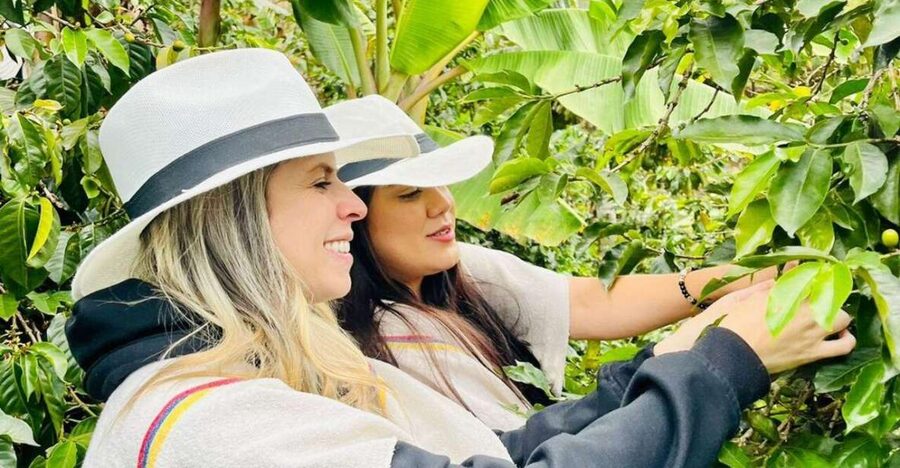
Once you reach the hillside, the tour continues on foot through Barrio La Sierra. This is the part that gives the outing its social and cultural weight.
The experience focuses on the transformation of Comuna 8, including the shift from a neighborhood associated with hardship to a community working toward new opportunities. The coffee project involves local families, and the visit shows how farming, education, and neighborhood pride can work together.
I appreciate that the tour does not treat the community as a backdrop. You walk through the barrio with a local guide and then meet people connected to the farm. The emphasis is on conversation, family history, and current work rather than a quick photo stop.
You should also be realistic about the route. The streets are hilly, and there are many steps. One person described the climb as around 500 stairs, while another said even older parents managed it. That does not make the walk easy for everyone. The activity is specifically not suitable for people with mobility impairments.
If you are comfortable with uphill walking, the route adds meaning to the visit. You are seeing how coffee can be grown close to homes, roads, and public transport rather than assuming all Colombian coffee comes from distant rural estates.
More cable car rides:
- Medellin: Comuna 13 Graffiti Tour, Cable Car & Street Food
★ 4.8 · 9,046 reviews - Medellín: Comuna 13 District Tour with Cable Car Ride
★ 4.8 · 1,467 reviews - Medellín: Private City Tour with Metrocable and Comuna 13
★ 4.9 · 330 reviews - Medellín: Private Pablo Escobar Tour with Cable Car Ride
★ 4.8 · 228 reviews
Casa Finca de La Sierra and the family welcome
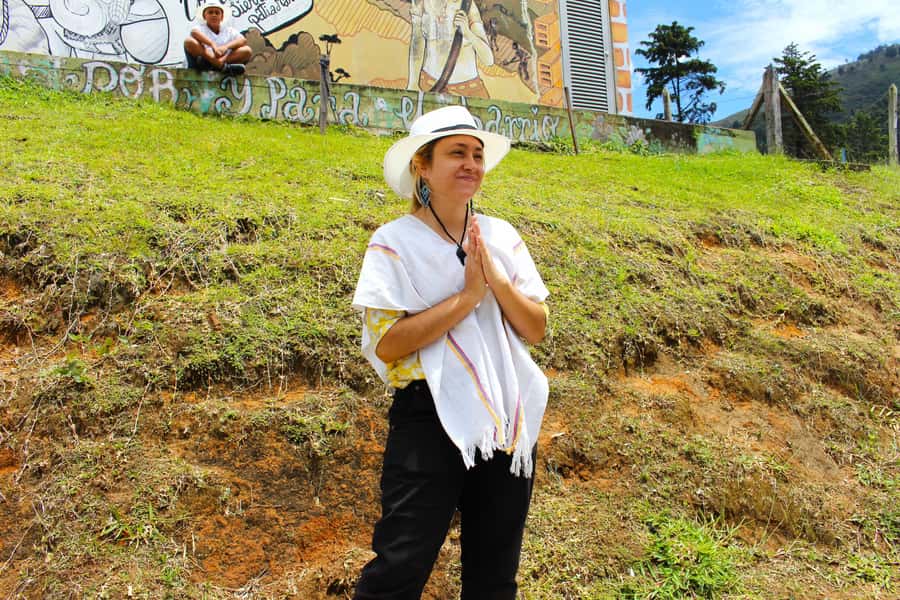
The tour includes a visit to Casa Finca de La Sierra and its museum. This is where the neighborhood story and the coffee story meet.
The farm is run by a local family, including Rosa and other members of the coffee project. The welcome is a major part of the experience. You may hear about how the family entered coffee production, how the work developed, and how the project supports local families.
The setting is modest and personal rather than polished like a large commercial attraction. That is part of its appeal. You are visiting a working family project and learning directly from the people involved.
The farm also has an educational side. One account describes children taking part, learning about the process, helping with the visit, and studying English. That gives the activity a wider purpose beyond selling coffee or hosting tours.
The museum visit helps establish the background before you head into the fields. It also gives you a place to ask questions about the family, the barrio, and the coffee operation. Guides often translate or clarify the farmers’ explanations for English-speaking visitors.
Picking coffee berries by hand
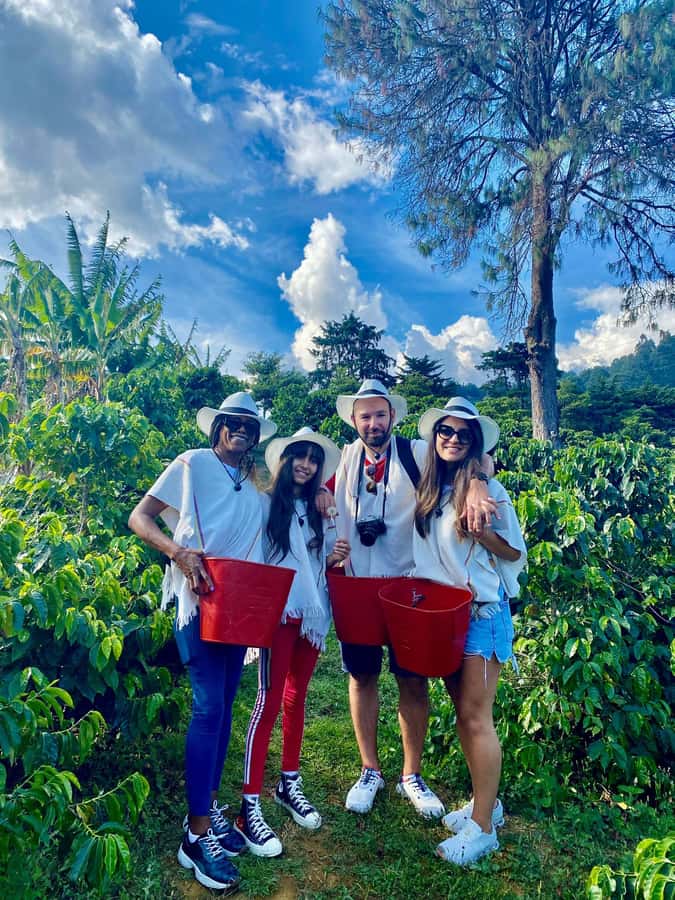
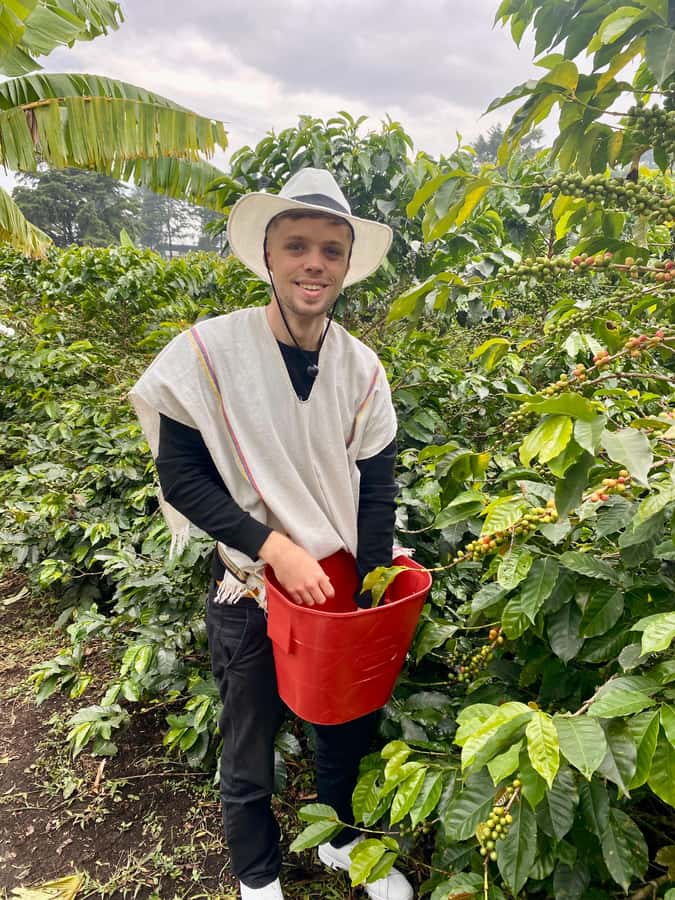
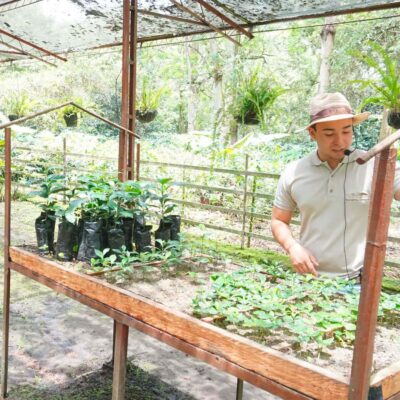
The most memorable section is the harvest. You walk into the coffee fields, identify the ripe berries, and pick them yourself.
This simple task changes how you think about your morning cup. Coffee does not begin as a roasted bean in a bag. It begins as a fruit, and every later step depends on careful labor and timing.
The harvest is hands-on but not physically extreme in the way the long walk can be. You get to participate, compare your picking with others, and see the plants up close. One family even turned the activity into a friendly picking contest.
Wear closed shoes. If you choose shorts, bring insect repellent and use it at the farm if needed. The route includes outdoor walking, and conditions can change with rain. One account describes harvesting in wet weather, but still finding the activity worthwhile.
The amount of time spent in the field is a strength. This is not a quick stop where you pick one berry for a photograph and move on. The schedule allows time to walk around the farm and take part in the harvest.
From coffee fruit to roasted beans
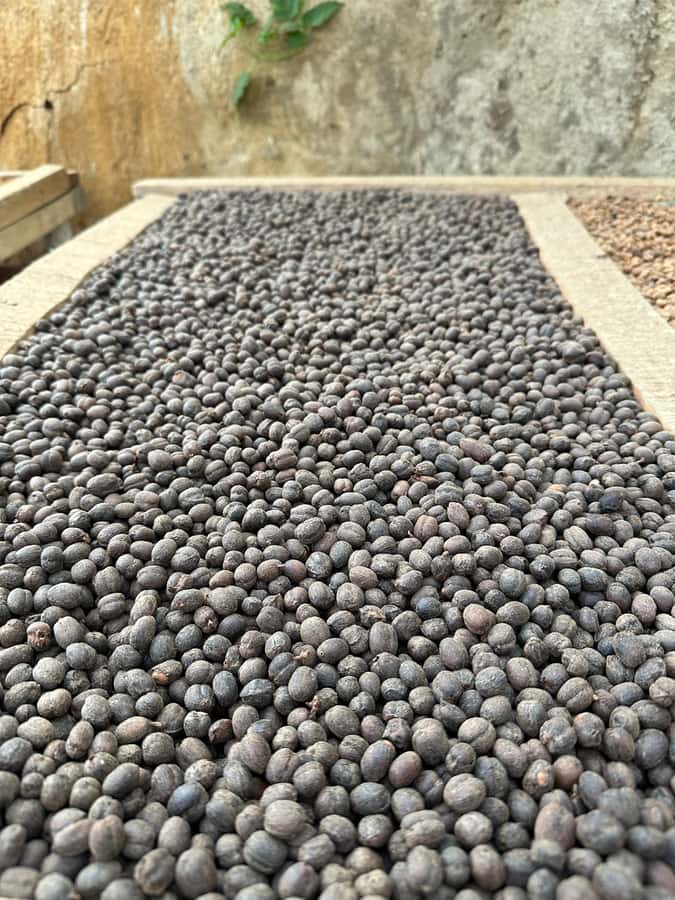
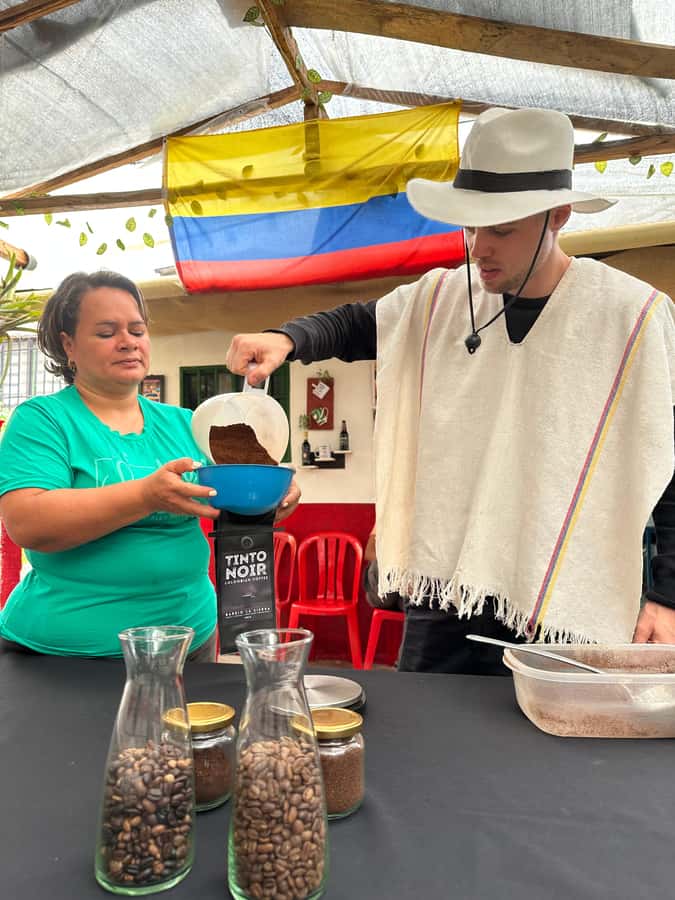
After picking, you learn the process from seed to cup. The exact order may be explained by the family and guide as you move through the operation, but the visit covers the key stages: cleaning, fermentation, drying, roasting, grinding, and brewing.
This is where the $56 price starts to make more sense. You are not paying only for a cup of coffee and a cable car ticket. You are paying for access to a working family operation, a guided neighborhood walk, translation when needed, and a full explanation of a labor-heavy process.
The roasting stage is especially useful because it shows how the raw product changes. Then grinding and brewing bring the lesson back to something familiar: the drink in your cup.
I would not expect a technical coffee course with formal charts or a large tasting laboratory. The appeal is the direct, practical explanation from the people who grow and process the beans. You see the work rather than hearing only a polished presentation.
Coffee tasting, snacks, and what to eat first
Coffee is served throughout the visit, and the final tasting gives you time to enjoy the result. The coffee is widely praised for its flavor, and some visitors describe it as unlike anything they had tasted before.
The tour also includes a local snack or pastry and welcome refreshments. These are pleasant additions, but do not treat the outing as lunch. One person specifically wished the lack of food for purchase had been explained in advance.
My advice is simple: eat before meeting the group. If you need a full meal or have dietary needs, bring food with you. Coffee and a pastry may be enough for some people, but not for everyone during a four-and-a-half-hour activity with a steep walk.
You can buy coffee bags separately, but they are not included in the $56 cost. There is no pressure to spend more, which is useful if you only want the experience. If you do want a souvenir, buying a bag supports the family project directly.
A comparative tasting is not clearly part of the standard visit. You may taste the farm’s coffee, but do not book this expecting a formal side-by-side session with several origins or roast profiles.
How much value do you get for $56?
At $56 per person, this tour costs more than a basic city walk or a simple café tasting. The price includes the guided experience, the cable car, the Barrio La Sierra walk, the Casa Finca de La Sierra and museum visit, the harvest, and multiple coffee tastings.
The value depends on what you want from Medellín. If you only want to drink Colombian coffee, you can spend far less in the city. If you want a rural plantation far outside Medellín, this is not that either.
What you get here is the combination. You ride public transport, see the city from above, walk through Comuna 8, meet a local family, pick coffee berries, and follow the crop through production. That mix is difficult to reproduce independently in one afternoon.
Small groups also improve the value. Guides can answer questions, check how you are handling the hills, and translate personal stories. Past participants singled out David’s calm manner, Arturo’s local connections, Melissa’s clear English and Spanish, and Valentina’s friendly leadership.
The tour runs for 270 minutes, or four and a half hours. That is a substantial block of time, so plan it as a main activity rather than something to squeeze between several afternoon bookings.
Who should book this Medellín coffee tour?
You should book it if you enjoy local encounters, public transport, moderate physical activity, and learning how food is made. It suits coffee drinkers, but you do not need to be a coffee expert. One person who was not especially interested in coffee still valued the community and cultural side.
It is also a good choice if you have already seen Medellín’s central attractions and want a different part of the city. The tour gives you views, transport, farming, history, and conversation in one outing.
You may want to skip it if you have limited leg mobility, dislike steep hills, or need a guaranteed full meal during the activity. The pace is relaxed, but relaxed does not mean flat or effortless.
The route is also less suitable for anyone who wants a highly polished tourist attraction. The strength is its local and family-run character. That means the experience may feel more informal than a large coffee estate with signs, machines, and a fixed script.
Practical tips for a smoother visit
- Wear closed shoes with a secure sole.
- Expect uphill streets, steps, and outdoor walking.
- Use insect repellent if you wear shorts or are sensitive to bites.
- Eat before the tour or carry food, since food for purchase is not available throughout the route.
- Bring water and allow room in your day for the full four and a half hours.
- Do not carry your passport. You must provide your full name and passport number, but the passport itself is not needed.
- Keep the guide’s contact and meeting instructions handy, especially because the meeting point is below the metro station at street level.
- If you want coffee to take home, plan to buy a bag separately.
Free cancellation is available up to 24 hours before the start, and you can reserve now and pay later. Starting times vary, so check the available departure before making other plans.
Should you book it?
I would book this tour if you want coffee with a human story attached to it. The strongest parts are the cable car views, the walk through Barrio La Sierra, the warm family welcome, and the chance to pick berries and follow them through processing.
The $56 price is fair for the time and range of activities, especially because transport and guiding are included. Just go prepared for a steep walk, limited food, and an informal working farm rather than a resort-style attraction.
For a first visit to Medellín, this is a smart choice for seeing how the city reaches beyond its central districts. For coffee lovers, it gives the drink a face, a place, and a lot more labor than most cups reveal.
FAQ
Where does the Medellín coffee farm tour begin?
The meeting point is in front of the main entrance to the San Antonio Tranvía station, at street level underneath the San Antonio Metro station.
How long does the tour last?
The full activity lasts 270 minutes, or four and a half hours.
How much does the tour cost?
The listed price is $56 per person.
Is transportation included?
The planned route includes the electric trolley and cable car. The cable car is specifically included in the tour price.
Which languages are available?
Live guiding is available in English and Spanish.
Do I need to bring my passport?
No. You must provide your full name and passport number, but you should not bring your passport on the tour.
Can I pick coffee berries myself?
Yes. The experience includes harvesting coffee berries at the farm.
What coffee-making steps will I learn?
The visit covers the process from seed to cup, including cleaning, fermentation, drying, roasting, grinding, and brewing.
Is food included?
Welcome refreshments, local snacks, coffee, and coffee tasting are included. Food for purchase is not available throughout the experience, so eating beforehand is a good idea.
Are coffee bags included?
No. Coffee bags are not included, though coffee may be available to buy separately.
Is the tour suitable for people with mobility impairments?
No. The tour includes uphill walking, steps, and uneven routes, and it is not suitable for people with mobility impairments.
Can I cancel the booking?
Yes. You can cancel up to 24 hours in advance for a full refund. You can also reserve now and pay later.
More Farms
- Comuna 13 & Coffee Farm Private Tour in Medellin | The Best Combo
★ 5.0 · 46 reviews - Coffee Farm & ATVs Private Tour in Medellin: Stunning Views & Fun
★ 5.0 · 31 reviews - Medellín: Flower Farm & Silletero History Tour
★ 4.3 · 23 reviews - Medellin: Coffee Farm and Barista Workshop Experience
★ 4.4 · 9 reviews
More Coffee Experiences
- Medellin: Horseback Riding Coffee Farm Tour with Coffee Spa
★ 4.8 · 151 reviews - Coffee & Chocolate Private Tour in Medellin: Genuine Experience
★ 5.0 · 100 reviews - Coffee Tour with arrival on horseback and sugar cane processing
★ 5.0 · 90 reviews - Medellin: Coffee Tour, Horseback Arrival, and Sugar Cane
★ 4.7 · 82 reviews
Just added around Medellin
- Medellin: 4-Hour Zip-Line Adventure★ 5.0 · 3 reviews
- Medellin: Tour to The Cathedral – History of Pablo Escobar and his Impact★ 5.0 · 3 reviews
- Medellin: waterfalls and naturals poolls tour★ 3.7 · 3 reviews
- Guatapé & Coffee Farm, all in one day★ 5.0 · 3 reviews
- Comuna 13: Recorrido de Arte Urbano, Cultura y Resiliencia★ 5.0 · 3 reviews
- Shared Tour Medellin’s Violence & Post-conflict after Pablo★ 4.1 · 3 reviews
- Medellin: Coffee Farm Tour & Spa with Overnight Glamping★ 4.5 · 3 reviews
- Colombia: Official Pablo Escobar Meet the Family Museum Tour★ 5.0 · 3 reviews
Coffee Farm Tours, compared.
Coffee Tour with Transport, Snacks and Tastings
Read our review →
Private Cocora Valley, Salento & Coffee Farm Tour
Read our review →
Horseback Riding Coffee Farm Tour with Coffee Spa
Read our review →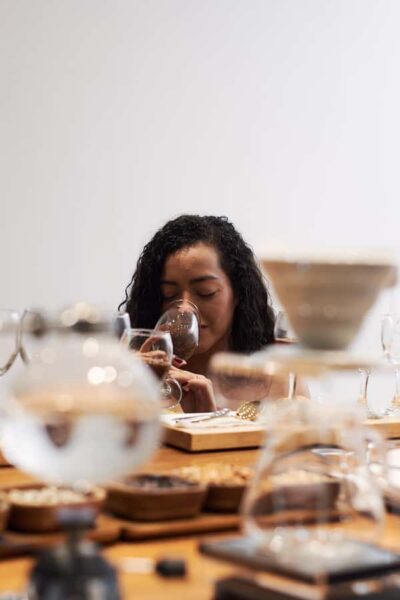
Browse the lists this tour appears in