
Reviewed · SAN BASILIO DE PALENQUE TOURS
Cartagena: San Basilio de Palenque Guided Day Trip
Freedom has a hometown in Colombia. This six-hour experience takes you from Cartagena to San Basilio de Palenque, a community known as America’s first free town, where local music, language, food, boxing, and ancestral customs remain part of daily life. I like the hotel pickup and the small-group limit of 15 people, which make the long road trip simple and manageable. I also like that the visit goes beyond a quick photo stop, with a house museum, local meal, music, dance, and a stop with a natural medicine practitioner.
The main caution is consistency. Several people praised guides such as Moises, Abraham, and Thierry for their warmth and strong storytelling, while others found the explanations too brief or vague. You should book this for the cultural setting and local contact, but arrive ready to ask questions and accept that the experience may depend heavily on which guide leads your group.
In This Review
- Key details before you book
- Why San Basilio de Palenque matters
- The 80-minute ride from Cartagena
- Walking San Basilio’s streets
- The house museum and the story of freedom
- Music, dance, and the Palenque way of speaking
- Traditional medicine and everyday knowledge
- Boxing, lunch, and the tropical finish
- Guide quality and the small-group format
- Is the $92 price fair?
- Who should book this experience?
- Should you book San Basilio de Palenque?
- FAQ
- How long does the San Basilio de Palenque experience last?
- Where can I be picked up in Cartagena?
- Is lunch included?
- Which languages are available?
- What should I bring?
- Can I cancel the booking?
Key details before you book
- San Basilio de Palenque has a powerful story: Learn about Benkos Biohó, the leader of a slave rebellion who became the town’s king and fought for freedom in the New Kingdom of Granada.
- The road trip takes about 80 minutes each way: Hotel pickup and return are offered in Cartagena’s Historic Center, Bocagrande, Marbella, and Castillo Grande.
- The visit covers more than sightseeing: You may see the house museum, hear about traditional music, meet a natural medicine practitioner, and visit a local boxing space.
- Food is one of the safest highlights: Lunch is included, and several people singled out the local meal as delicious.
- The group is limited to 15 people: That is small enough for direct contact, though time management can still vary.
- Bring protection from the sun: Comfortable shoes, a hat, sunscreen, a camera, and water are useful, although bottled water and an umbrella are provided.
Why San Basilio de Palenque matters
San Basilio de Palenque is not simply another village near Cartagena. It is presented as America’s first free town, shaped by people who escaped slavery and preserved their own customs over more than 310 years. That background gives the visit real weight. You are not just walking through colorful streets. You are seeing a place where freedom, memory, language, and music remain closely tied together.
The story of Benkos Biohó is central. He led a rebellion against slavery, became the king of San Basilio de Palenque, and fought for freedom in the New Kingdom of Granada. The experience includes an introduction to his life, though the amount of detail may vary by guide. If this history is your main reason for coming, ask direct questions rather than waiting for every fact to appear on its own.
I like that the experience connects major history with ordinary local life. Music is not treated as a museum display only. Boxing is not presented as a random activity. Traditional medicine, food, language, dance, and family customs all help explain how the community continues to express its identity.
More San Basilio de Palenque day trips:
- Cartagena: Palenque´s tour, dance show, lunch, pick-Up inclu
★ 4.7 · 182 reviews - Tour a san Basilio de Palenque desde cartagena
★ 5.0 · 123 reviews - Cartagena: Palenque Tour and Road to Emancipation
★ 4.5 · 83 reviews
The 80-minute ride from Cartagena
Pickup is available from hotels in four parts of Cartagena: the Historic Center, Bocagrande, Marbella, and Castillo Grande. That saves you the trouble of finding a meeting point, especially if you are staying in the old city or along the coast.
The drive takes about 80 minutes each way in an air-conditioned vehicle. That means roughly two hours and 40 minutes of the six-hour experience are spent on the road, leaving about four hours in San Basilio de Palenque. I consider that a fair trade for visiting a place that is not within Cartagena’s central sightseeing zone, but you should know that this is not a long, leisurely day in the village.
The vehicle is one of the practical strengths here. Air conditioning matters in the heat, and bottled water is supplied. An umbrella is also provided, which can be useful when you are walking outside under strong sun. Still, wear sunscreen and a hat. Bring your own water as well if you prefer to stay especially hydrated.
Pickup and return locations are the same four areas, although the exact order can depend on the group. The activity lasts six hours, and starting times depend on availability. Since the visit includes a fairly long transfer, I would avoid scheduling another major activity too tightly against it.
Walking San Basilio’s streets
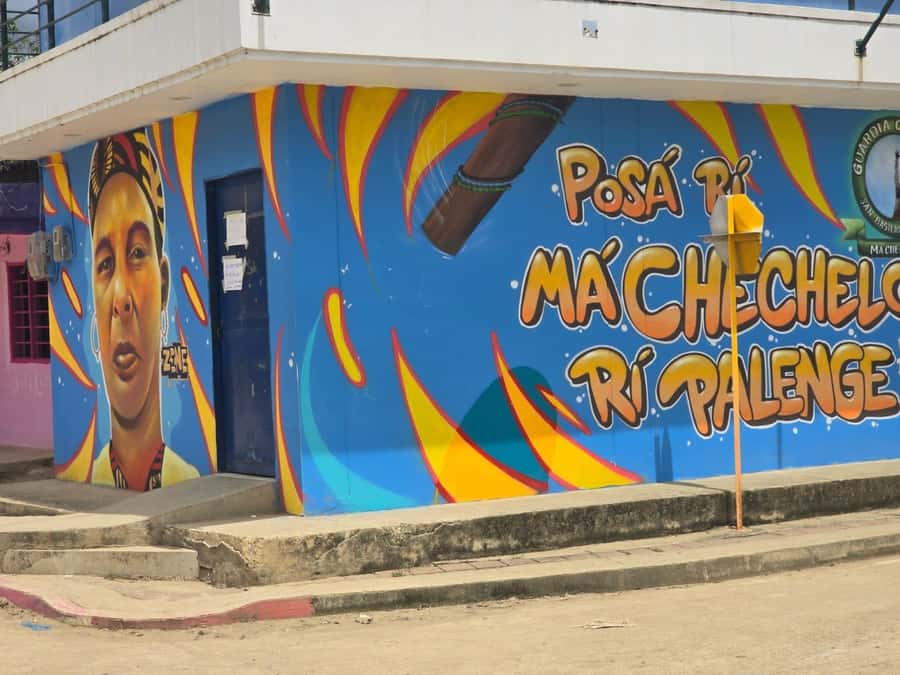
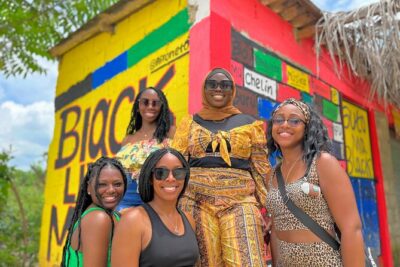
The first part of the local visit is a walk through San Basilio de Palenque. The streets give you a chance to see the community at close range rather than from a coach window. Past and present meet here through houses, people, sounds, and daily routines.
This is where a local guide can make or break the experience. A guide who grew up in or knows the community well can explain why certain customs matter, how the town remembers its past, and what makes Palenque different from other Colombian destinations. Abraham was praised for his warmth and passion for the village, while Moises received strong marks for friendly explanations about local history.
The experience also introduces you to the local patois, or language variety, spoken in Palenque. One person described learning phrases and being encouraged to remember them. That can be fun, but the approach may feel a little forceful if you are not comfortable being put on the spot. Treat it as a chance to participate, not a language test.
Photography is part of the day, and there is time for a photo stop. Use good judgment and follow your guide’s lead when photographing people or private spaces. The value of the walk comes from paying attention, not from racing around to collect pictures.
The house museum and the story of freedom
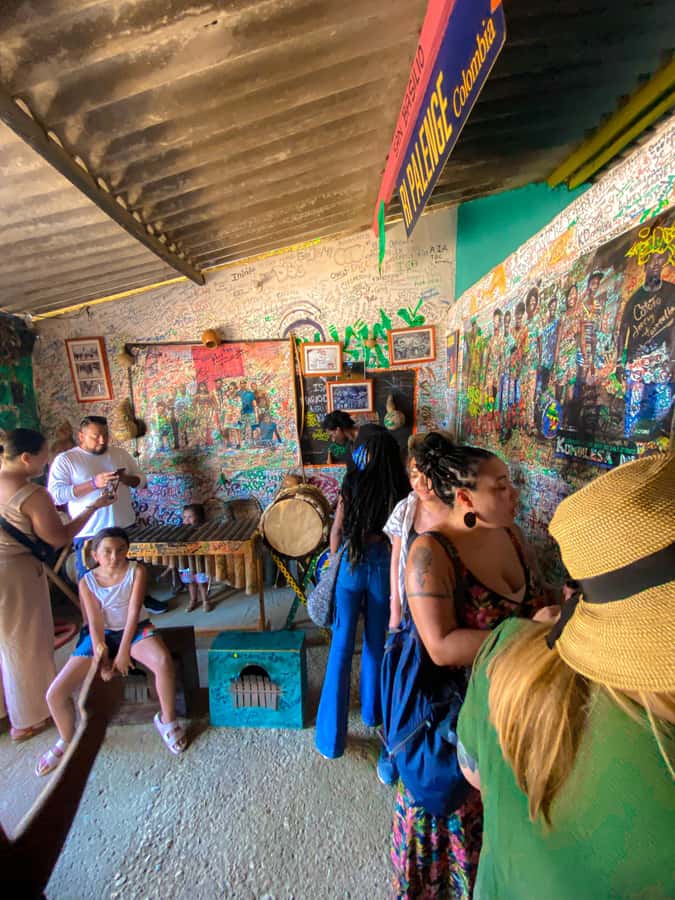
The house museum offers a more focused look at local history and traditions. This is likely to be the most important stop for anyone who wants context rather than a surface-level visit. It gives the guide a place to explain how the community formed and how its customs survived across generations.
The museum is also where Benkos Biohó’s story should receive proper attention. The basic facts are powerful: he led a slave rebellion, became the king of San Basilio de Palenque, and fought for freedom. Some people found that this part was only briefly covered, so I would ask for more detail if the explanation feels rushed.
That point matters because the history is the reason this destination is special. Food and music can make a visit enjoyable, but the story of resistance gives them meaning. I would listen for explanations of how freedom shaped the community, how traditions were passed down, and why the town’s identity remains so strong.
The museum visit may not feel like a large formal institution. That is part of the appeal, but it also means you should not expect a polished museum experience with extensive displays. The guide’s explanation carries much of the educational value.
A few more trips worth weighing up before you book
- Cartagena: Rosario Island and Mangroves Private Day Trip
★ 4.9 · 73 reviews - Cartagena: Baru Island & Playa Tranquila Day Trip with Lunch
★ 3.7 · 67 reviews - Playa Blanca Full-Day Trip from Cartagena
★ 4.6 · 48 reviews - Family Day Trip – Private Boat Charter To The Rosario Islands
★ 5.0 · 38 reviews
Music, dance, and the Palenque way of speaking
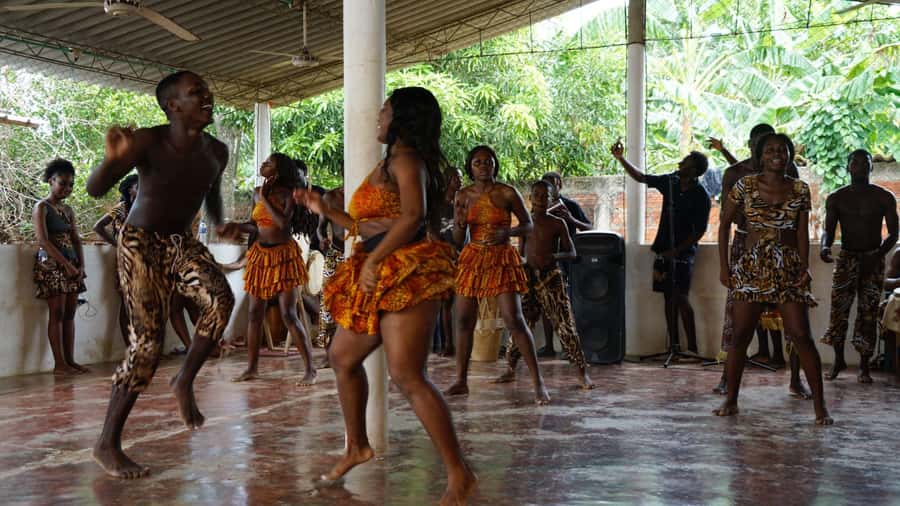
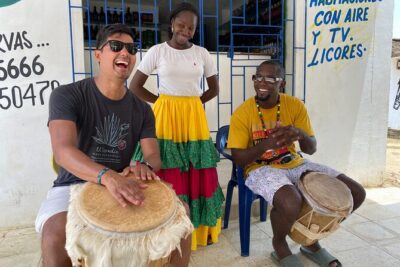
Music is one of the clearest ways to understand San Basilio de Palenque. The experience introduces rhythms and melodies that are central to the community’s identity, along with local dance traditions. You may be invited to take part rather than simply watch from the side.
That participatory style fits the stated aim of the day. This is described as an experience rather than a standard sightseeing tour, and you should expect some contact with local traditions. I like that approach because it gives you a better sense of how culture feels in practice. You are not only hearing a guide list facts. You may be asked to listen, repeat a phrase, move with the music, or take part in a small activity.
At the same time, the quality of the explanation can vary. Some people found the cultural information strong, while others felt their questions were brushed aside. If you want a serious discussion of musical history, ask the guide how particular rhythms developed and what role they play in community life.
The language lesson is another memorable element. Hearing Palenque’s patois and trying a few phrases can be a friendly bridge between you and the community. Keep an open attitude, laugh at your mistakes, and do not worry about getting every word right.
Traditional medicine and everyday knowledge
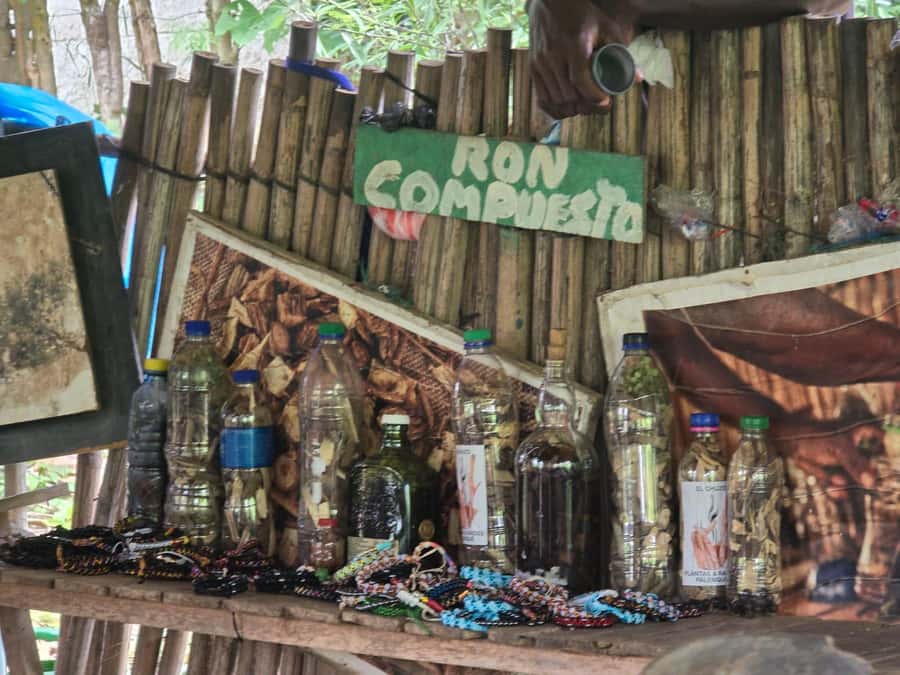
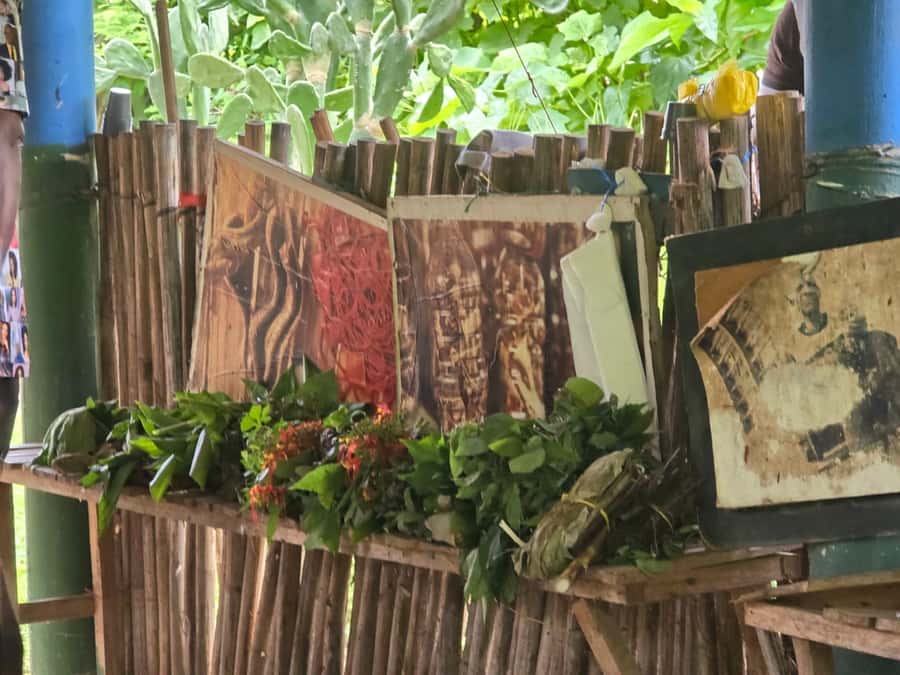
A stop with a local natural medicine practitioner adds a different layer to the visit. You learn about ancestral medicinal practices and the plants or customs connected with them. This is valuable because it shows knowledge that is passed through families and communities, not only recorded in books.
You should treat this part as cultural education, not medical advice. The supplied information does not promise treatments or health services, and personal expenses are not included. Listen to the explanations, ask respectful questions, and avoid assuming that a traditional remedy is suitable for you.
This stop also helps keep the day from becoming a simple history lesson. San Basilio de Palenque’s story continues through daily practice. Medicine, music, food, language, and sport all show how culture survives when people use it rather than merely display it.
Boxing, lunch, and the tropical finish
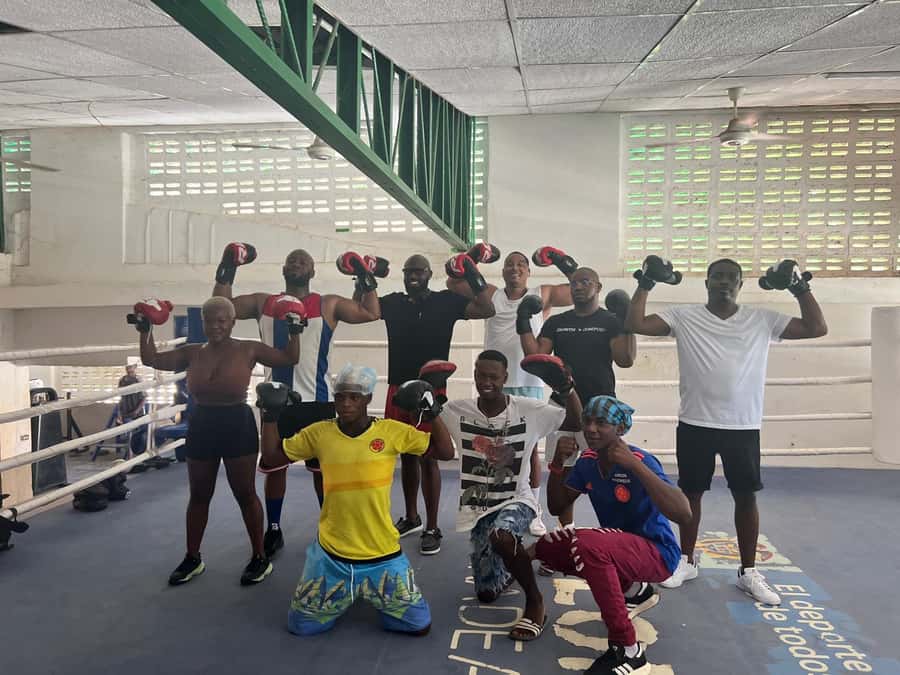
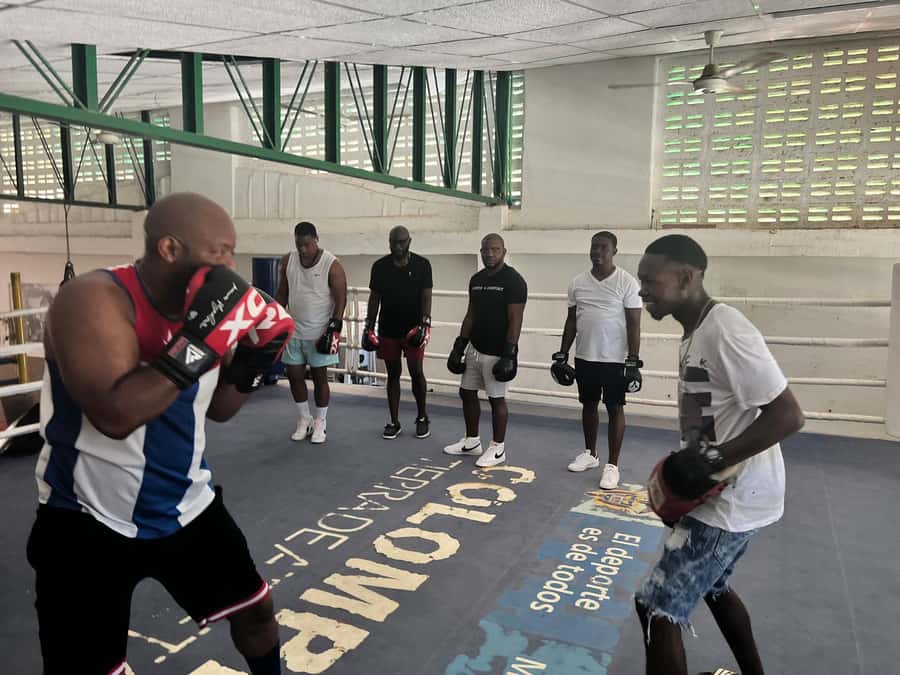
Boxing has an important place in local culture, and the experience includes a visit to a place where residents practice it. You can observe how people keep this tradition alive. This is a nice example of the day’s practical approach: the activity is connected to the town itself, not added as a generic entertainment stop.
Do not expect a full sporting event unless the schedule happens to provide one. The information promises a visit to a boxing practice space, not a formal match. The appeal is seeing how the activity fits into local life and hearing why it matters.
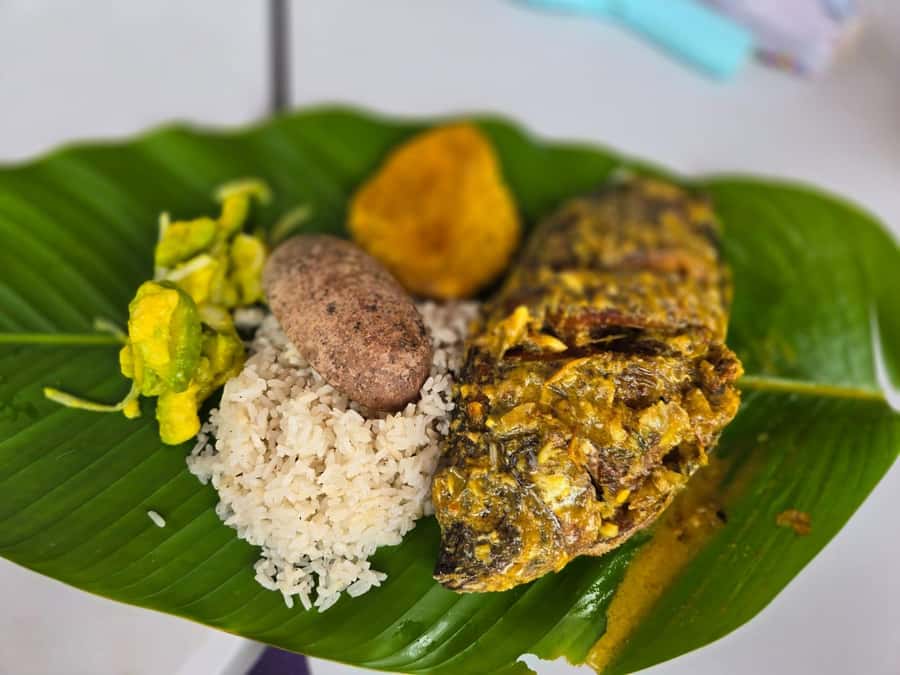
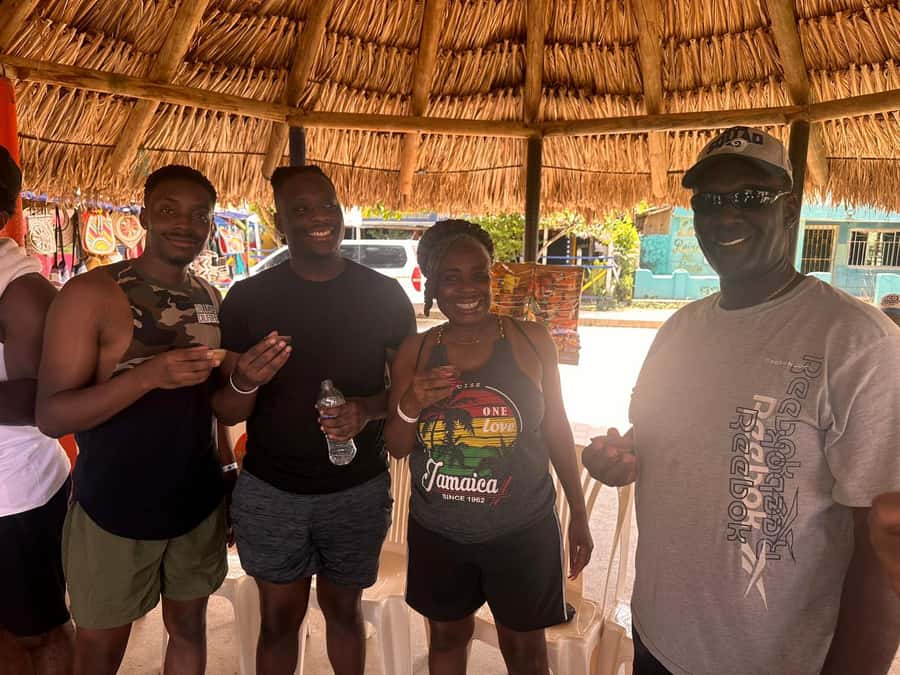
Lunch is included, and it has been one of the most consistently praised parts of the experience. A local meal gives you a direct taste of the area and provides a welcome break after walking in the heat. The exact dishes are not specified, so you should not book expecting a particular menu.
A raspado or ice cream is also included. The tropical flavor makes it a fitting treat during the walk, especially on a hot day. Water is supplied throughout the experience, and the umbrella helps with the sun. Even with those provisions, comfortable shoes and sunscreen remain essential.
Guide quality and the small-group format
The experience is offered in English and Spanish, with a maximum of 15 participants. That is a useful size. You should have a better chance to hear the guide and ask questions than you would in a large coach group.
The strongest reports focus on friendly, committed guides. Moises was praised for being helpful and for sharing the history of Palenque with enthusiasm. Abraham was described as passionate about his village, and Thierry was credited with taking his time with the group. Those are important qualities on a cultural visit, where patience and personal knowledge matter more than a rehearsed speech.
But the rating of 3.8 from 11 reviews points to uneven delivery. Some people experienced long pauses while waiting to move on. Others felt there were too many requests for tips or small purchases, especially given the price of the activity. One person felt the guide barely explained the liberation story or Benkos Biohó.
I would go in with a clear plan: tell the guide what interests you most at the start. Ask about Benkos Biohó, the Palenque language, music, medicine, and boxing. That may help you get the depth you want and reduce the chance of leaving with only a general impression.
Is the $92 price fair?
At $92 per person, this is not the cheapest way to spend six hours near Cartagena. The value depends on what you want. You are paying for hotel pickup and drop-off, an air-conditioned vehicle, a live guide, lunch, bottled water, a raspado or ice cream, and an umbrella. You also avoid arranging independent transport to a community that is about 80 minutes from the city.
That package makes the cost easier to understand. If you would otherwise need to hire a car, arrange a driver, and find a local guide, the convenience has real value. The small group also helps justify the price.
The question is whether the cultural content feels strong enough on your particular day. If the guide gives detailed explanations and keeps the schedule moving, $92 can be reasonable for a focused visit to a historically important community. If you spend too much time waiting or receive only general information, the cost will feel high.
Personal expenses are not included, so carry some Colombian pesos if you want to buy anything locally or leave a tip. The experience includes the stated meal and refreshments, but not extra purchases.
Who should book this experience?
I would recommend it to you if you want to see a side of Colombia that is clearly different from Cartagena’s colonial streets and beaches. It suits people who enjoy local history, music, food, language, and community traditions more than polished attractions.
It is also a good choice if you prefer a planned day with hotel transport. The air-conditioned vehicle, included lunch, small group, and direct return remove much of the stress from reaching San Basilio de Palenque.
I would think twice if you need a tightly timed, academic history tour. The content can be uneven, and the experience includes participation, walking, and some waiting. It is not suitable for children under 10 or people over 95, according to the activity information. Wheelchair access is available, but you should still confirm that the day’s exact route fits your needs.
Wear comfortable shoes and sun protection. Smoking is not allowed. Most of all, bring curiosity and a willingness to listen. The best parts of the day come from human contact and cultural explanation, not from checking off a list of sights.
Should you book San Basilio de Palenque?
Book it if you want a personal introduction to Palenque’s music, food, language, freedom story, and daily traditions, and if you value convenient transport from Cartagena. The strongest guides can make this a memorable and moving half-day, especially when they explain the life of Benkos Biohó and connect the past to present-day customs.
Skip it if you want guaranteed historical depth, a fast-moving schedule, or a fully polished production. The experience has clear strengths, but guide quality matters. I would book with realistic expectations, ask thoughtful questions early, and see the day as a cultural meeting rather than a standard sightseeing circuit.
Free cancellation is available up to 24 hours before departure, and you can reserve now and pay later. Those flexible terms make it easier to choose this experience without locking yourself into a plan too far ahead.
FAQ
How long does the San Basilio de Palenque experience last?
The experience lasts six hours. The drive from Cartagena takes about 80 minutes each way, with approximately four hours in San Basilio de Palenque.
Where can I be picked up in Cartagena?
Pickup is available from the Historic Center, Bocagrande, Marbella, and Castillo Grande. Return drop-off is offered in the same four areas.
Is lunch included?
Yes. A local meal is included, along with bottled water and a raspado or ice cream.
Which languages are available?
The live guide is available in English and Spanish.
What should I bring?
Bring comfortable shoes, a hat, sunscreen, a camera, and water. An umbrella and bottled water are provided, but extra personal water can still be useful in the heat.
Can I cancel the booking?
Yes. You can cancel up to 24 hours in advance for a full refund. You can also reserve the experience and pay later.
Just added around Cartagena
- Cartagena: Party Bus Tour In Cartagena★ 4.2 · 3 reviews
- Cartagena: Ecoplan on Barú, Aviary and Oceanarium in one day★ 3.3 · 3 reviews
- Isla Tierra Bomba beach club: Day Pass with typical food★ 5.0 · 3 reviews
- White Night Boat Party: Dinner Buffet, Dancing and Open Bar★ 4.6 · 3 reviews
- Mompox Caribbean Routes★ 4.8 · 3 reviews
- Tayrona Park adventure in Santa Marta: Cabo San Juan from Cartagena★ 3.8 · 3 reviews
- Cartagena: Photography Workshop Tour★ 5.0 · 3 reviews
- Cartagena: Day Tour to Tierra Bomba Island★ 3.2 · 3 reviews
San Basilio de Palenque Tours, compared.
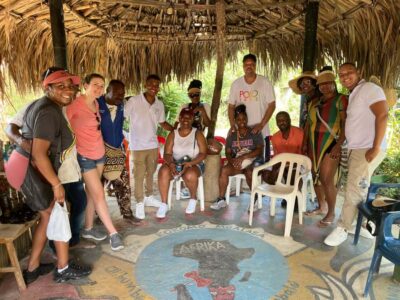
Palenque´s tour, dance show, lunch, pick-Up inclu
Read our review →
Tour a san Basilio de Palenque desde cartagena
Read our review →
Visit Palenque with natives : history, culture and ancestral legacy
Read our review →

Tour cultural to san Basilio de Palenque from cartagena
Read our review →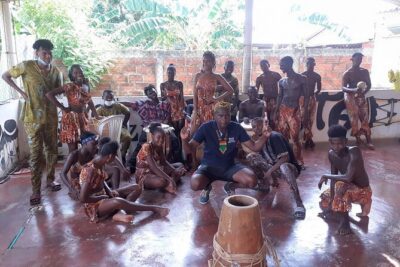
Private Tour with Certified Guide of San Basilio De Palenque
Read our review →Browse the lists this tour appears in