
Reviewed · SAN BASILIO DE PALENQUE TOURS
Cartagena: Palenque Tour and Road to Emancipation
History comes alive in San Basilio de Palenque. This six-hour cultural trip from Cartagena takes you to a town that has preserved its African identity for more than 400 years. I like the direct connection with local people, especially through the dance class, drumming, language lesson, and traditional medicine visit. I also like that lunch is included, with local dishes such as fish cooked in coconut milk available.
The main drawback is the road time. Pickup can stretch across much of Cartagena, and the trip to Palenque takes roughly an hour or more each way. One vehicle was reported to have broken down on the return journey, though other visitors found the transport comfortable enough. For me, this is a worthwhile trip if you want culture and history more than a quick sightseeing stop.
In This Review
- Key points to know before you go
- Why San Basilio de Palenque matters
- The drive from Cartagena to Palenque
- Palenquito and the first photo stop
- Arriving in the town square
- Kombilesa Mi and Palenque’s living culture
- The museum house and Palenque Viejo
- Language from Guinea and Congo
- Dance, drums, and a welcome from local performers
- Traditional medicine and community knowledge
- A typical Palenquero lunch
- Who should book this Palenque experience?
- Should you book it?
- FAQ
- How long does the Palenque tour last?
- What is the main pickup point in Cartagena?
- When are pickups scheduled in Bocagrande and nearby areas?
- When are pickups scheduled in northern Cartagena?
- Is lunch included?
- Is the tour offered in English?
- What activities are included in San Basilio de Palenque?
- Can I cancel the tour for a refund?
Key points to know before you go
- San Basilio de Palenque is the heart of the visit: You spend about five hours in and around the town, rather than simply stopping for a photo.
- The history is presented by local people: A bilingual guide helps explain the town’s past, while local guides, dancers, musicians, artisans, and a traditional healer add their own voices.
- Music is part of the lesson: You watch a dance show, learn traditional steps, and play drums with the performers.
- Food is included: A typical Palenquero lunch is served near the end of the visit, with fish and chicken among the choices mentioned.
- Expect a long pickup window: Collection begins at 8:00 AM in the historic center and can continue until about 9:30 AM in northern parts of Cartagena.
- Bring extra cash for tips: You may want to thank the people who perform, teach, or share their work in the town.
Why San Basilio de Palenque matters
San Basilio de Palenque is not simply a day-trip village with a cultural show. It is known as the first free African town in the Americas, and its identity reaches back more than four centuries.
That history gives the trip its weight. You learn about African people who resisted slavery and built a community with its own customs, music, food, language, and systems of knowledge. The subject is serious, but the visit is not presented as a classroom lecture. It is carried through conversation, movement, stories, food, and time spent in the town itself.
I especially value the way the experience connects the past to present-day Palenque. You are not only hearing about emancipation. You are seeing young people, artists, dancers, and local teachers continue the culture now.
The tour is particularly meaningful if you have an interest in the African diaspora. One visitor who identified as African described the similarities with Africa as deeply moving, while another found the town affirming and familiar. You do not need a personal family connection to appreciate the visit, but you should arrive ready to listen respectfully.
More San Basilio de Palenque day trips:
- Cartagena: Palenque´s tour, dance show, lunch, pick-Up inclu
★ 4.7 · 182 reviews - Tour a san Basilio de Palenque desde cartagena
★ 5.0 · 123 reviews - Mud Volcano and Palenque Cultural Experience
★ 5.0 · 61 reviews
The drive from Cartagena to Palenque
The morning begins with pickup in several parts of Cartagena. If you stay in the historic center, you meet at the Clock Tower at 8:00 AM. Pickup for Bocagrande, Castillo Grande, and Laguito is scheduled between 8:20 and 8:45 AM. Marbella, Cabrero, Crespo, Cielo Mar, the northern zone, and Manzanillo del Mar have later collection windows, generally between 8:50 and 9:30 AM.
Manga and Barú require a separate plan. You must reach the Clock Tower at 8:00 AM rather than expect a hotel pickup.
The pickup system is useful, but it can make the morning feel slow. The vehicle may cross much of Cartagena before heading out, so I would not plan anything immediately after the stated six-hour duration. One visitor described the overall day as lasting more than seven hours, while another said the drive to the village took a little over an hour.
Transport is by private, air-conditioned vehicle, with bottled water provided. The quality may vary by departure. Most comments describe the ride as comfortable enough, but one report described an old van with weak suspension and unreliable air-conditioning that broke down twice on the return. That appears to be an exception, but it is worth keeping in mind. If you dislike long road trips, the transport is the weakest part of the experience.
The guides help make the ride more useful. Romeo is repeatedly praised for his clear explanations, humor, and ability to connect visitors with people in Palenque. Other guides named during the experience include Damaso, David, Andres, Gleidis, and Daison Batista Marimon. The team changes, but the strongest reports describe guides who translate well and keep the day moving.
Palenquito and the first photo stop
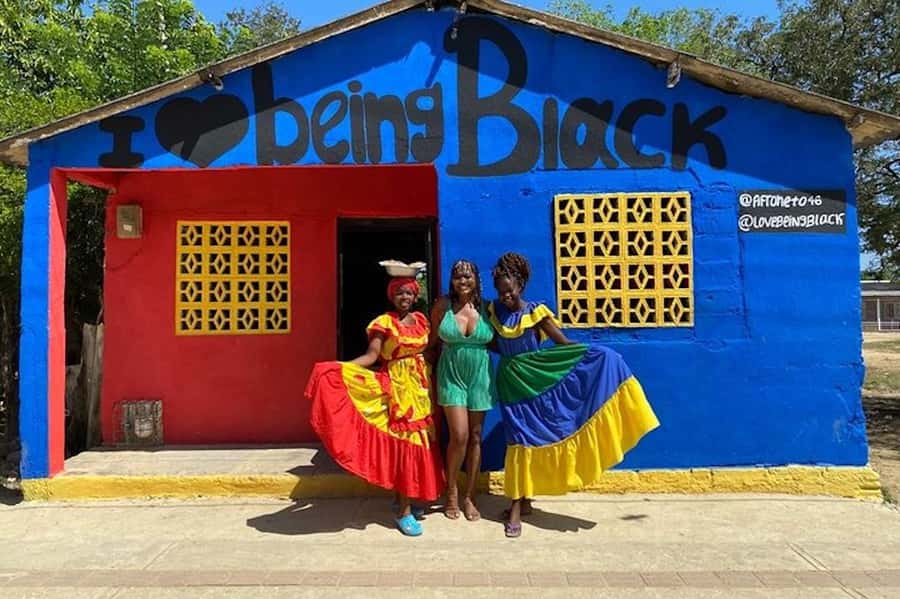
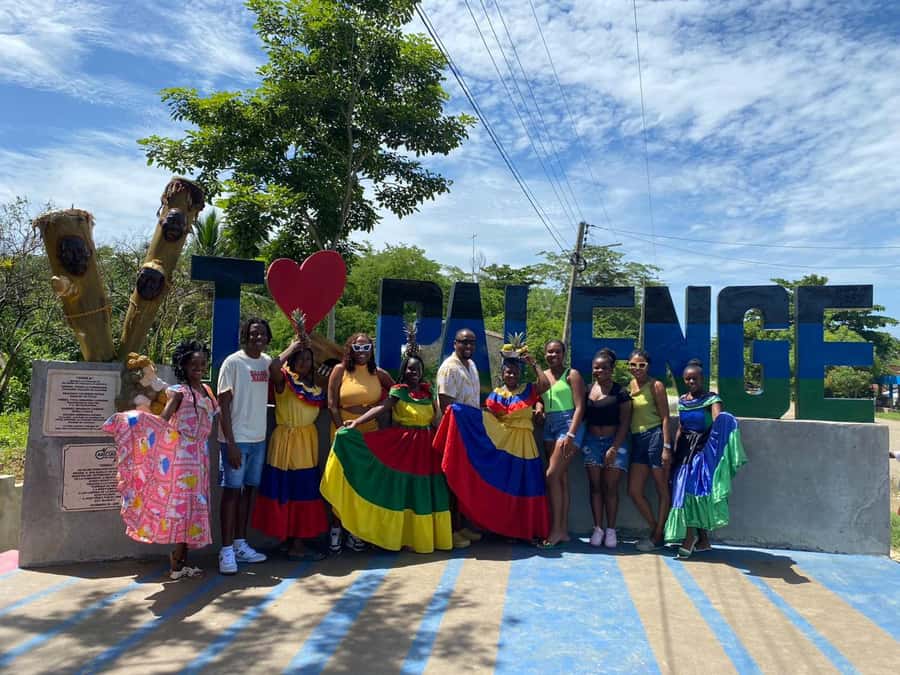
Before or during the route, the vehicle passes through Turbaco and stops briefly in Palenquito, in the María La Baja area. The stop lasts about five minutes and gives you time to photograph the large YO AMO A PALENQUE letters.
This is a quick picture stop, not a major part of the cultural program. It breaks up the road journey and gives you a simple souvenir photo before reaching the town. Do not expect a long visit here.
Arriving in the town square
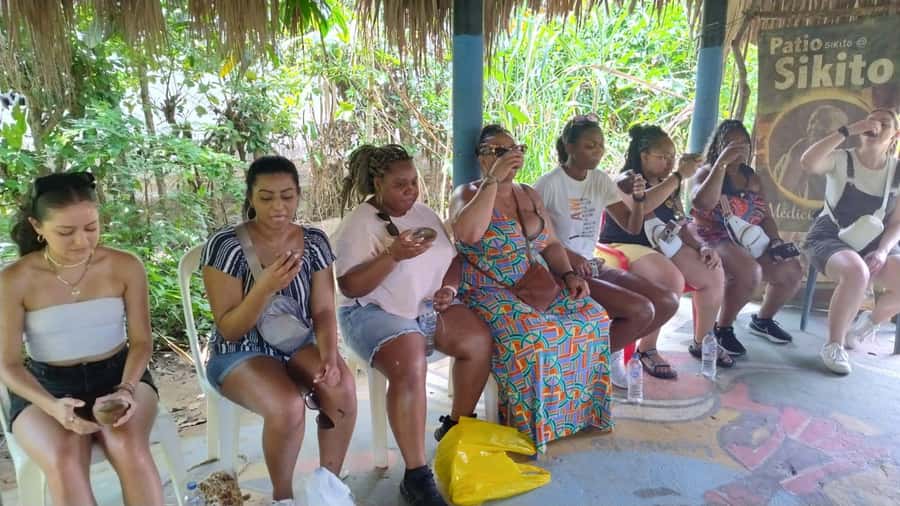
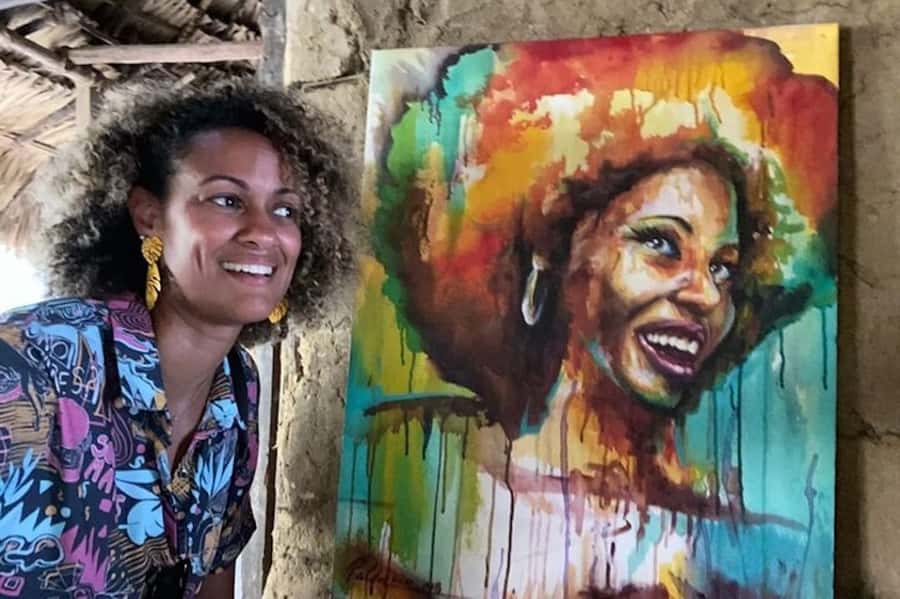
The main visit begins in San Basilio de Palenque’s town square. This is where the place starts to feel different from a standard excursion outside Cartagena. Murals, local buildings, music, and community spaces provide a setting for the stories you hear.
Your bilingual guide explains the broader history in English and Spanish, and local people add detail from their own experience. Romeo has been especially praised for translating conversations and introducing visitors to people he knows in town. That personal connection matters. It keeps the visit from feeling like a performance delivered at a distance.
The subject of slavery is addressed plainly. The story includes violence and hardship, but also resistance, independence, and the effort required to preserve culture over generations. I appreciate that the tour treats this history honestly without turning the town into a museum piece.
You should also expect an active visit rather than a slow walking tour. The schedule includes several stops, a performance, cultural demonstrations, and lunch. Comfortable shoes, sun protection, and water are sensible choices, although bottled water is included and umbrellas may be available for those who need shade.
A few more trips worth weighing up before you book
- Cartagena: Historic Center and Getsemaní Shared Walking Tour
★ 4.9 · 2,716 reviews - Cartagena: Rosario Islands Catamaran with Lunch and Snorkel
★ 4.5 · 2,479 reviews - Full-Day Rosario Islands Including Barú, Bocachica & Playa Blanca
★ 4.0 · 1,729 reviews - Cartagena de Indias: 2-Hour Sunset Cruise
★ 4.7 · 1,105 reviews
Kombilesa Mi and Palenque’s living culture
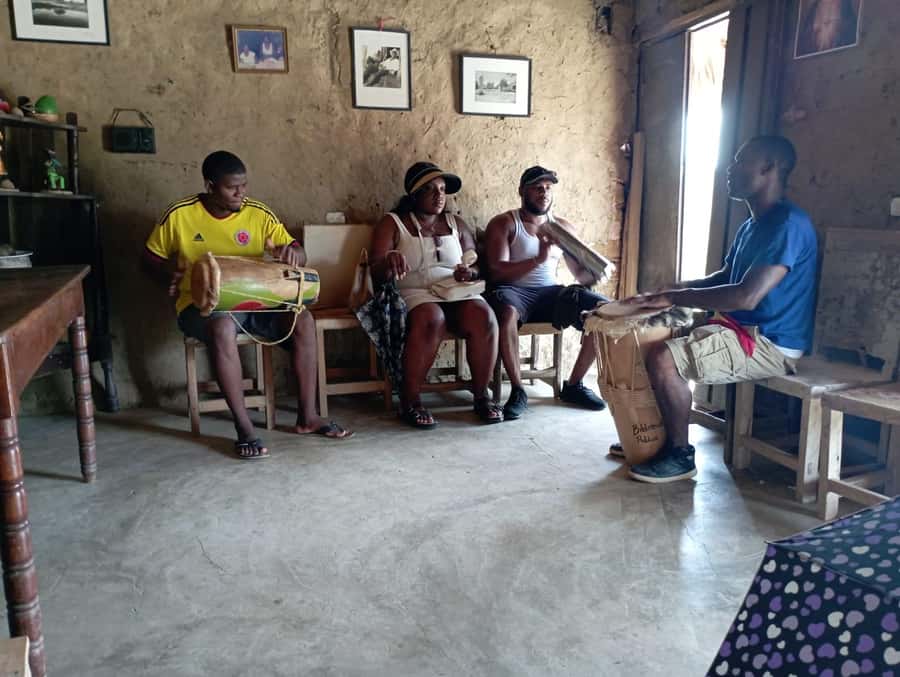
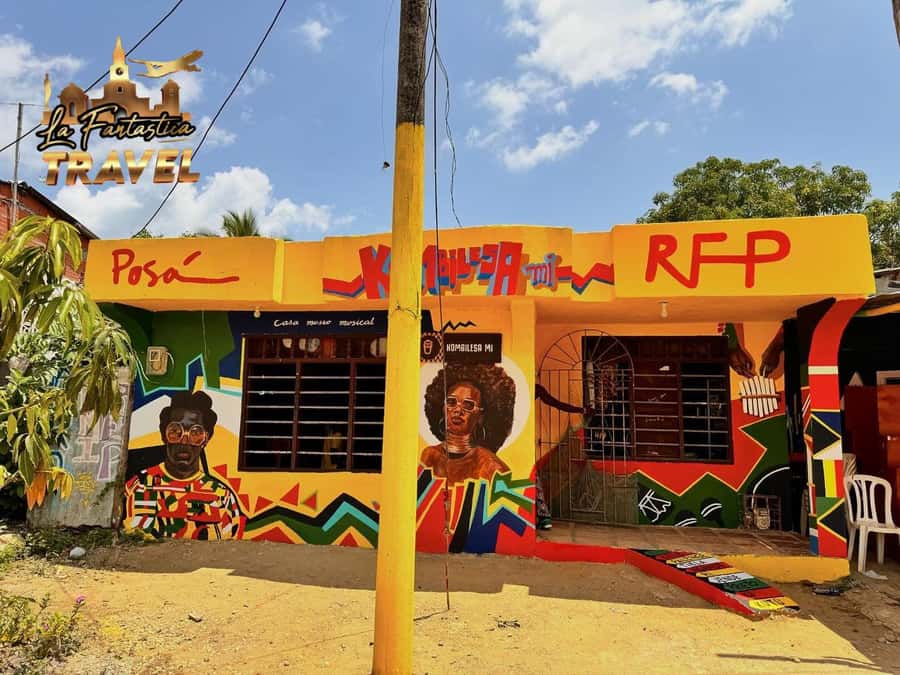
One stop is the house of Kombilesa Mi, a folkloric rap group from Palenque. This is a useful reminder that local culture is not frozen in the past.
The town’s musical expression includes older forms such as drumming and dance, but it can also speak through modern performance. The connection between traditional rhythms and folkloric rap helps show how Palenque’s identity continues to develop.
The exact format of this stop may depend on the day’s schedule, but it forms part of the wider effort to meet culture bearers in their own community. If you enjoy music, this is one of the most interesting parts of the itinerary because it links heritage with current creative work.
The museum house and Palenque Viejo
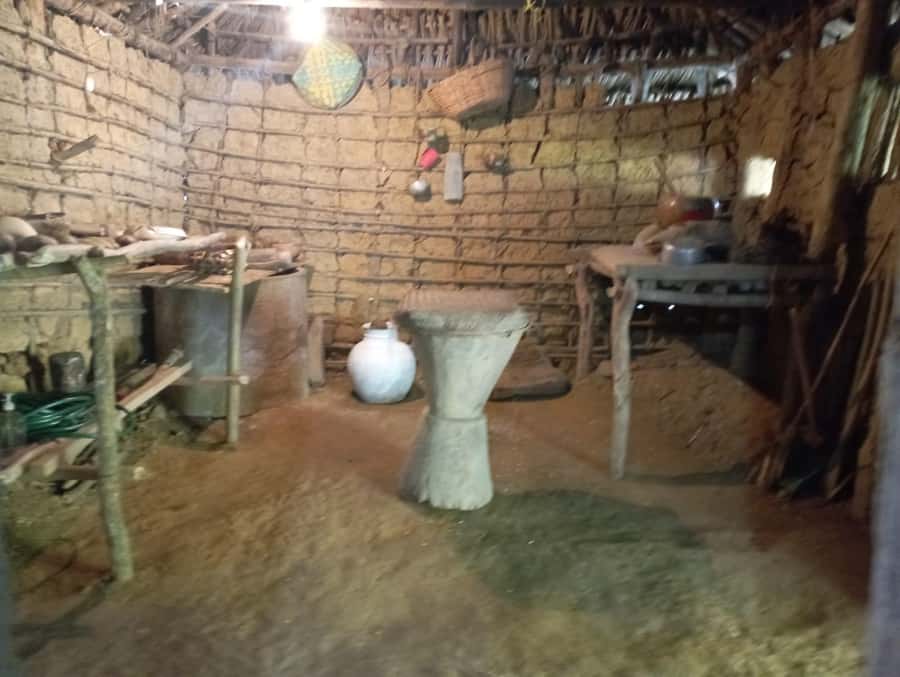
The museum house gives you a more focused place to learn about the town’s past. After the outdoor scenes, murals, and music, this stop provides context for how Palenque maintained a distinct identity for more than 400 years.
Palenque Viejo adds another layer. The name points you toward the older roots of the community and the history behind the modern town. Your guide helps connect these places to the broader story of freedom, African heritage, and the survival of local customs.
Do not expect a large formal museum complex or a long display of objects. The value comes from the explanation and the connection to the town around you. This is why the guide matters so much. A strong guide can turn a modest site into a clear, memorable lesson.
Language from Guinea and Congo
A native guide teaches you words from the Palenquero language, which has Bantu connections to Guinea and Congo. This short lesson is one of the most distinctive features of the trip.
Language here is not just a fun phrase to repeat. It shows how a community carried African roots into a new place and kept them alive across generations. You get a small glimpse of how identity survives in everyday speech.
The experience is conducted in Spanish and English, with translation from the tour team when needed. If you are interested in languages, ask questions and write down the words you learn. The lesson may be brief, but it gives you a better way to understand why Palenque is culturally important.
Dance, drums, and a welcome from local performers
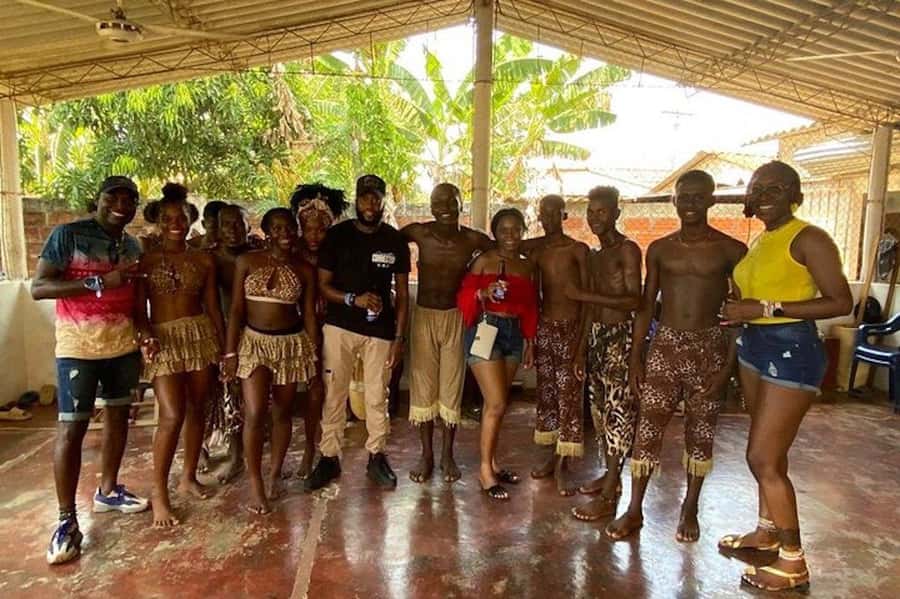
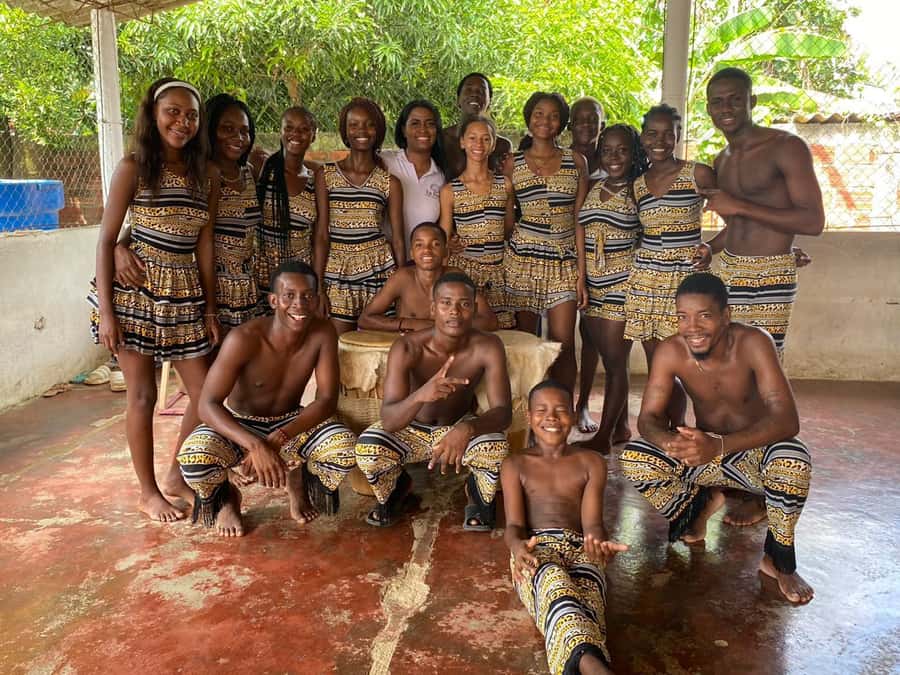
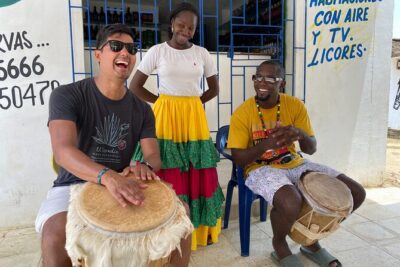
The dance show is one of the most praised parts of the day. It is not only something you watch. You are invited to learn traditional steps and play the drums.
That participation changes the mood. The historical material can be heavy, but the music and dance show the strength and joy of the community. Several visitors described joining the performers as a highlight, and one birthday celebration included singing Happy Birthday in Palenque.
You should bring some energy. The dance portion is active, and the best approach is to join in without worrying about getting every step right. This is not a polished theater production where you sit silently in the audience. It is a cultural exchange, and your willingness to participate helps make it feel respectful and warm.
If you take photographs or accept a performance, bring tip money. Tipping is not listed as part of the price, but it is a practical way to show appreciation for the people sharing their time and skills.
Traditional medicine and community knowledge
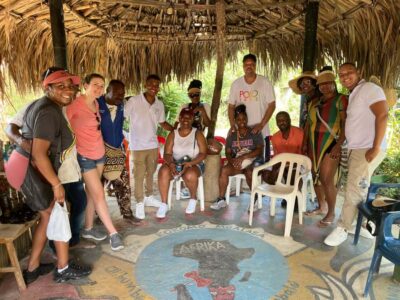
The visit to traditional medicine offers another view of Palenque’s cultural life. A local practitioner explains the use of plants and remedies that have been passed down within the community.
This stop is valuable because it focuses on knowledge that serves local people, not just on what looks attractive to an outsider. It also reinforces the idea that heritage includes practical skills, health traditions, and responsibility between generations.
You may want to ask if products are available for purchase, but the supplied information does not promise souvenirs or bottled remedies. One visitor wished for the chance to buy a glass bottle containing local herbs, so do not assume that every item discussed will be available to take home.
A typical Palenquero lunch
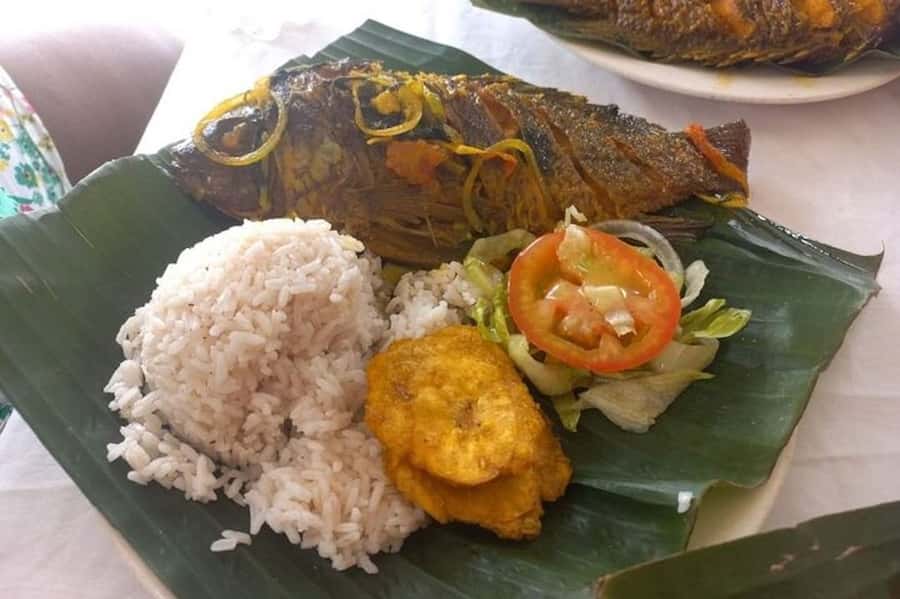
Lunch comes toward the end of the Palenque visit and is included in the price. It is more than a convenient meal after a morning of sightseeing. It gives you another direct connection with local food.
Fish cooked in coconut milk and chicken have been mentioned as choices, and the meal has received some of the strongest praise from people on the trip. A sugar cane drink was also singled out as especially good. The exact menu can vary, so ask your guide what is available that day.
I like that lunch is built into the experience rather than left to chance. Finding food in a small town can take time, and an included local meal keeps the schedule together. It also means you are eating something connected to the place instead of retreating to a familiar restaurant.
The food is a real part of the value here. At $108 per person, the price is not cheap for a six-hour excursion, especially when compared with a basic city tour. But the cost includes round-trip private transportation, a bilingual guide, the cultural program, bottled water, and lunch. You are also paying for access to local guides and performers, not just fuel and a seat in a van.
For a budget-focused visitor, the price may feel high. One person considered it expensive for what was included. For someone who wants a guided introduction to Palenque and does not want to arrange transport, translation, meals, and local contacts independently, the package is easier to justify.
Who should book this Palenque experience?
I would recommend this tour to you if you enjoy history, music, food, and conversations with local people. It is a strong choice for anyone interested in African heritage in the Americas, Colombia’s regional cultures, or the ways communities protect their identity.
It also suits visitors who prefer an organized day trip. The route is handled for you, lunch is included, and the bilingual guide helps bridge the language gap. Families and groups can benefit from the mix of storytelling and hands-on activities, though young children may find the long road time tiring.
I would hesitate to recommend it if you want a short, polished attraction close to Cartagena. The journey takes time, pickup can be scattered, the vehicle may not be perfect, and the day deals with the difficult subject of slavery. You should also be comfortable with an experience where local music, dance, and community interaction are central.
Book with a flexible schedule. The advertised duration is six hours, but the full day may run longer because of pickup and drop-off. Free cancellation is available until 24 hours before departure, and you can reserve without paying immediately.
Should you book it?
Yes, if your Cartagena plans include room for one serious cultural day outside the city. The most valuable parts are not the photo stop or the road journey. They are the local voices, the Palenquero language lesson, the dance and drumming, the traditional medicine visit, and the chance to learn how the first free African town in the Americas continues its story.
I would choose this over a quick look at Palenque because it gives you time to understand the place. Just accept the long pickup process, keep your schedule open, and bring tip money for the people who make the visit personal.
FAQ
How long does the Palenque tour last?
The advertised duration is six hours, with about five hours listed for the stop in San Basilio de Palenque. The full day can run longer because of pickup and drop-off times and the drive from Cartagena.
What is the main pickup point in Cartagena?
People staying in the historic center are picked up at 8:00 AM at the Clock Tower. Guests staying in Manga and on Barú must also reach the Clock Tower at 8:00 AM.
When are pickups scheduled in Bocagrande and nearby areas?
Pickup for Bocagrande, Castillo Grande, and Laguito is scheduled between 8:20 and 8:45 AM.
When are pickups scheduled in northern Cartagena?
Pickup for Marbella, Cabrero, Crespo, Cielo Mar, the northern zone, and Manzanillo del Mar is scheduled between about 8:50 and 9:30 AM.
Is lunch included?
Yes. A typical Palenquero lunch is included, along with bottled water. Fish and chicken have been available as meal choices.
Is the tour offered in English?
Yes. The tour is offered in Spanish and English, with a bilingual guide providing explanations and translation.
What activities are included in San Basilio de Palenque?
The visit includes the town square, the house of Kombilesa Mi, the museum house, Palenque Viejo, traditional medicine, a dance show, traditional dance steps, and drumming.
Can I cancel the tour for a refund?
Yes. You can cancel up to 24 hours in advance for a full refund. You can also reserve now and pay later.
Just added around Cartagena
- Cartagena: Ecoplan on Barú, Aviary and Oceanarium in one day★ 3.3 · 3 reviews
- Isla Tierra Bomba beach club: Day Pass with typical food★ 5.0 · 3 reviews
- Cartagena: Party Bus Tour In Cartagena★ 4.2 · 3 reviews
- White Night Boat Party: Dinner Buffet, Dancing and Open Bar★ 4.6 · 3 reviews
- Tayrona Park adventure in Santa Marta: Cabo San Juan from Cartagena★ 3.8 · 3 reviews
- Mompox Caribbean Routes★ 4.8 · 3 reviews
- Cartagena: Photography Workshop Tour★ 5.0 · 3 reviews
- Shared Getsemani Art District Tour with Wireless Live System★ 4.7 · 3 reviews
San Basilio de Palenque Tours, compared.
Palenque´s tour, dance show, lunch, pick-Up inclu
Read our review →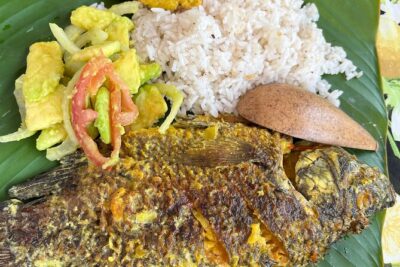
Tour a san Basilio de Palenque desde cartagena
Read our review →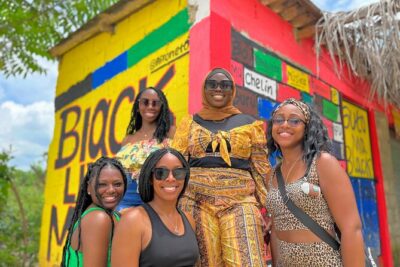
Visit Palenque with natives : history, culture and ancestral legacy
Read our review →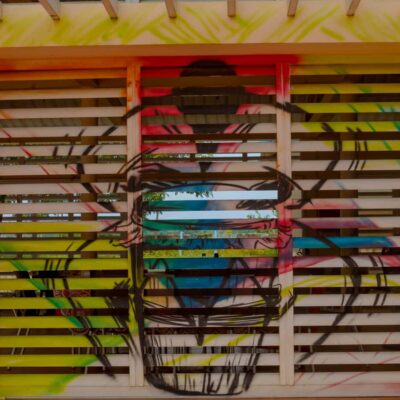

Tour cultural to san Basilio de Palenque from cartagena
Read our review →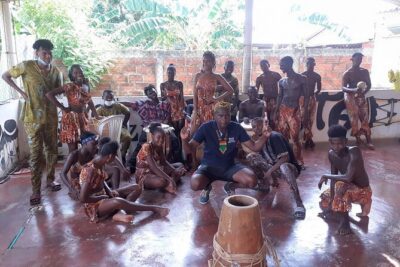
Private Tour with Certified Guide of San Basilio De Palenque
Read our review →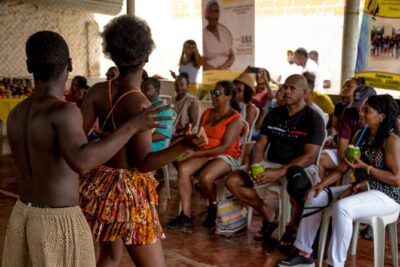
Browse the lists this tour appears in