
Reviewed · COMUNA 13 & STREET ART TOURS
Comuna 4 – Moravia Tour
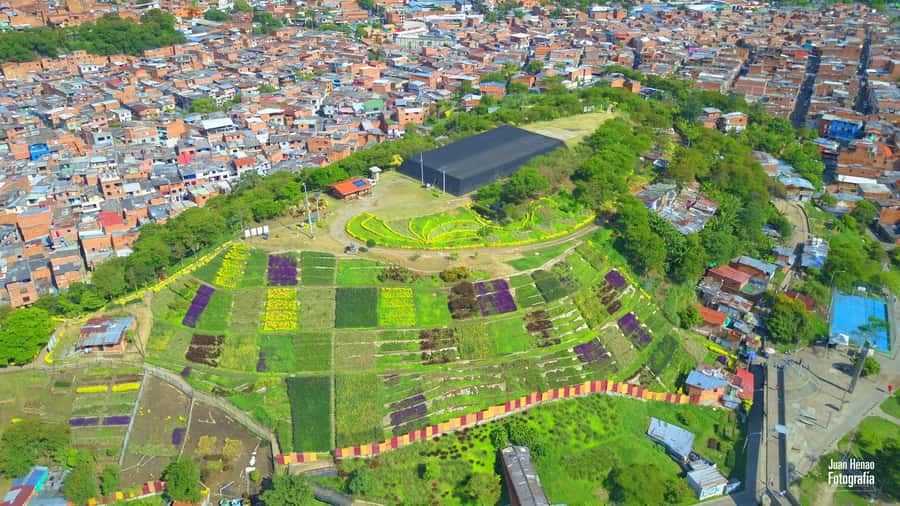
Stories live beyond the postcard. This three-and-a-half-hour walk through Moravia shows you a Medellín neighborhood built roughly 60 years ago without official government recognition, then explains how its residents shaped its future. I like the small groups, limited to eight people, and the chance to meet community leaders such as Heroina, Gloria, or Gladis. I also like that the tour explains public systems, including health care, education, and welfare, instead of stopping at colorful street scenes.
The main consideration is that this is a serious, discussion-based neighborhood walk, not a quick sightseeing circuit. You should expect local history, social questions, and time on foot. The meeting point also requires care: Caribe Metro Station has two exits, and you need the south exit, the one with the pedestrian bridge over the Medellín River.
In This Review
- What makes this Moravia walk different
- Arriving at Caribe Metro Station without confusion
- The first steps into a barrio with an overlooked past
- Meeting the people who helped shape Moravia
- Seeing the systems behind everyday life
- The 45-minute stop that adds local texture
- A full hour in Moravia, not just a quick pass through
- The food tasting and small snack
- A final guided stop and Moravia Cultural Center
- Why the small group matters here
- Is $30 a fair price?
- Who should book this experience?
- Should you book the Comuna 4 Moravia Tour?
- FAQ
- How long does the Comuna 4 Moravia Tour last?
- How much does the tour cost?
- Where does the tour meet?
- What language is the tour conducted in?
- Is transportation from my hotel included?
- What is included in the price?
What makes this Moravia walk different
- A neighborhood once left outside official recognition: Learn how Comuna 4 developed and why its early story matters to Medellín today.
- Local voices lead the experience: Community leaders who grew up in the barrio explain daily life, change, and local pride.
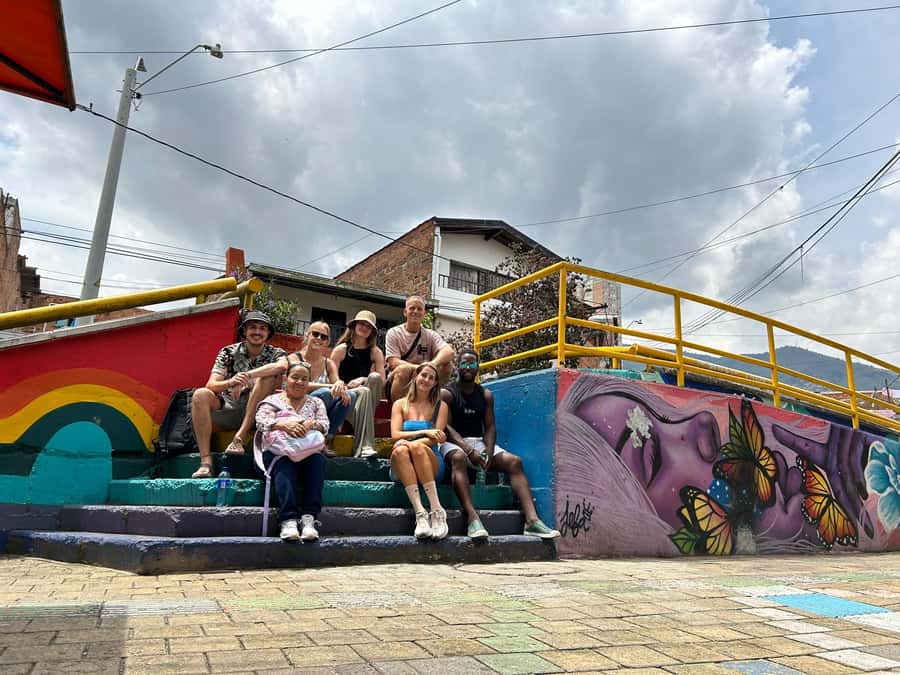
- Small groups protect the setting: With no more than eight participants, the walk can feel more like a conversation than a parade.
- Women’s leadership takes center stage: The tour highlights the work and influence of women in the community.
- Colombia beyond the tourist version: Your guide explains education, health care, and welfare systems in plain terms.
- A direct community benefit: Local leaders are paid, and part of the tour fee supports community initiatives.
Arriving at Caribe Metro Station without confusion
The easiest way to reach the tour is Medellín’s A-Line metro. Get off at Caribe and leave through the south ticket booth. If you are facing the direction the train was traveling, take the exit toward the back of the train.
The useful landmark is the pedestrian bridge over the Medellín River. This is the only station exit with that bridge, so it gives you a simple way to check that you are in the right place.
I would not treat the meeting point as a casual detail. Caribe has two exits, and choosing the wrong one can leave you searching around a busy transport area. The tour provider supplies short videos showing both the metro route and the meeting point, so watch them before leaving your hotel.
An Uber is possible, but it is not the preferred choice. Drivers may not leave you at the correct spot, and the final walk to the meeting point can be unclear. If you use Uber, enter Barrio Transformation Tour as the destination, keep mobile data active, and follow the directions provided after drop-off.
The tour returns to the same meeting point. Hotel pickup and drop-off are not included, so you need to plan your own way there and back.
More Comuna 13 & Street Art Tours in Medellín
- Medellin: Comuna 13 Graffiti Tour, Cable Car & Street Food
★ 4.8 · 9,046 reviews - Medellín: Comuna 13 True Story and Street Food Tour
★ 4.9 · 1,779 reviews - Medellín: Comuna 13 District Tour with Cable Car Ride
★ 4.8 · 1,467 reviews
The first steps into a barrio with an overlooked past
The walk begins with an introduction to the neighborhood’s transformation. This opening section lasts about 30 minutes and gives you the basic frame for everything that follows.
Moravia was built over decades by people whose neighborhood lacked official government recognition for much of its early existence. That detail changes how you read the streets. You are not simply seeing an old section of Medellín. You are seeing a community that developed its own identity, services, and leadership while formal institutions did not fully acknowledge it.
Your professional bilingual guide sets the wider Colombian context, while a local community leader adds personal experience. That two-guide structure is useful. One person can explain systems and history, while the other can show how those broad forces affected real families and the barrio itself.
The tour team has operated this experience for more than eight years. That matters because social tourism can easily become careless or intrusive. Here, the stated aim is to keep groups small, avoid bringing large numbers into the area every day, and let residents present their community with pride rather than turning hardship into a display.
Meeting the people who helped shape Moravia
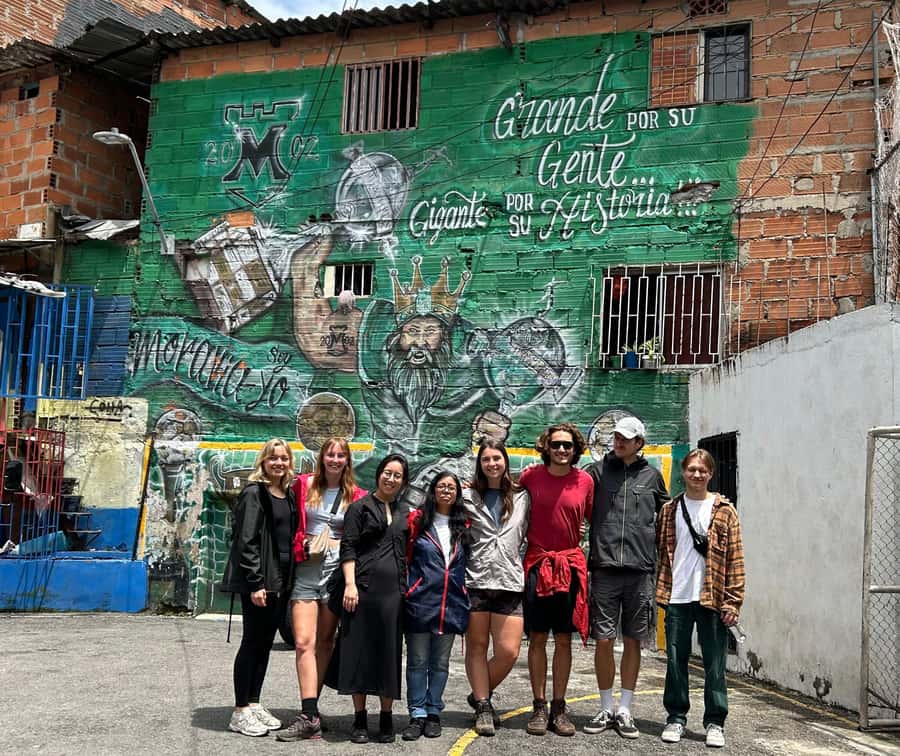
A central part of the walk is meeting a grassroots community leader. The available leaders include Gloria, Gladis, and Heroina, with Heroina and Toto specifically praised for making the experience fascinating and enjoyable.
These meetings give the walk its strongest human element. You hear about the barrio from someone who grew up there and still calls it home. The point is not simply to collect a personal anecdote. It is to understand how residents organize, advocate, and make decisions in a place that was once overlooked by government authorities.
The focus on women’s empowerment is especially important. The tour presents women not as background figures in the neighborhood’s story, but as active leaders who helped build its social fabric and guide its future. That makes this experience different from a standard urban history tour, which may focus mostly on politicians, architects, or famous public projects.
You should come ready to listen and ask respectful questions. This is a community visit, not a performance arranged for quick photographs. The small group helps, but your own attitude matters just as much.
Seeing the systems behind everyday life
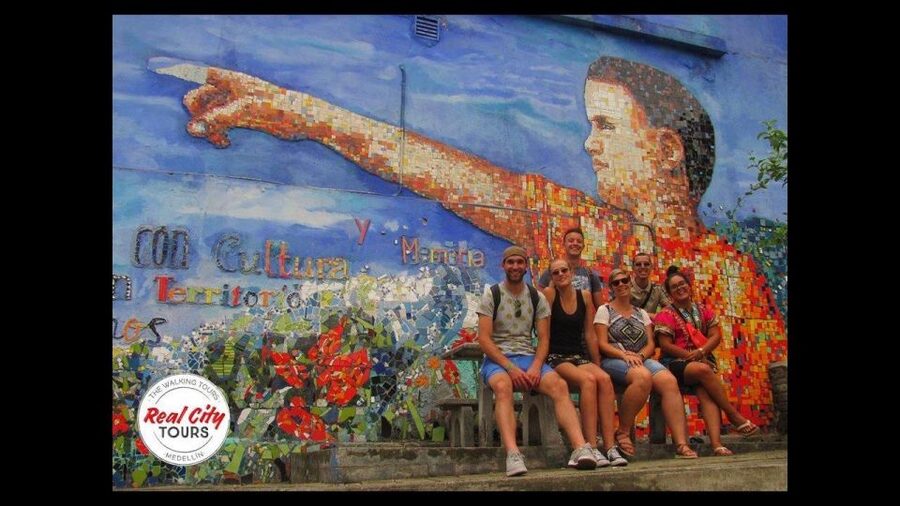
One of the most useful parts of the experience is the explanation of Colombia’s public systems. The guides discuss health care, education, and welfare, helping you understand how these structures work and how they affect communities such as Moravia.
This adds value to the walk because Medellín’s transformation is often reduced to a simple before-and-after story. You may hear about improved public spaces, transport, or city projects, but those visible changes do not explain how residents access medical care, support families, or educate children.
The tour aims to show both the progress and the contradictions. That balance is welcome. You are not given a neat story in which every problem has disappeared, nor a one-note account of neglect. Instead, the guide explains how official systems and local action meet in daily life.
I find this kind of context more useful than a long list of dates. It gives you a way to interpret what you see during the walk and a better sense of why community leadership remains important.
More Comuna 13 and street art walks:
- Medellín: Private City Tour with Metrocable and Comuna 13
★ 4.9 · 330 reviews - Medellín: Comuna 13 Tour with Snacks And Your Own Graffiti
★ 4.9 · 311 reviews - Medellín: Comuna 13 and Graffiti Guided Tour with a Local
★ 4.9 · 239 reviews - Medellín: Private Pablo Escobar and Comuna 13 Tour
★ 4.9 · 233 reviews
The 45-minute stop that adds local texture
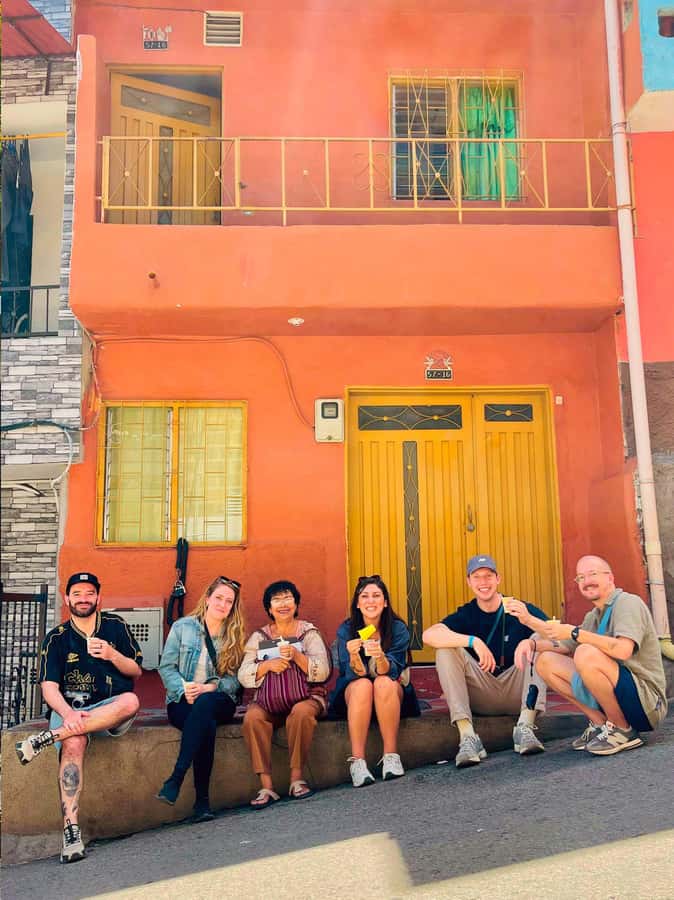
After the opening section, the route includes a visit lasting about 45 minutes. It is described as a special local stop rather than a standard landmark, so the value comes from the setting and the explanation provided by the guide.
Because the exact feature can depend on the route and local conditions, you should not book this expecting a famous monument or a single must-see attraction. The point is to notice parts of Moravia that are easy to miss if you only move through Medellín by metro or taxi.
This is also where the walk’s pace becomes clear. The group is not rushing from one photo stop to another. You have time to hear an explanation, look around, and connect the neighborhood’s physical spaces with its social story.
Wear comfortable shoes. The experience lasts three and a half hours, and the itinerary includes several walking and guided sections. Sunscreen is also sensible, since the tour takes place outdoors for much of its duration.
A full hour in Moravia, not just a quick pass through
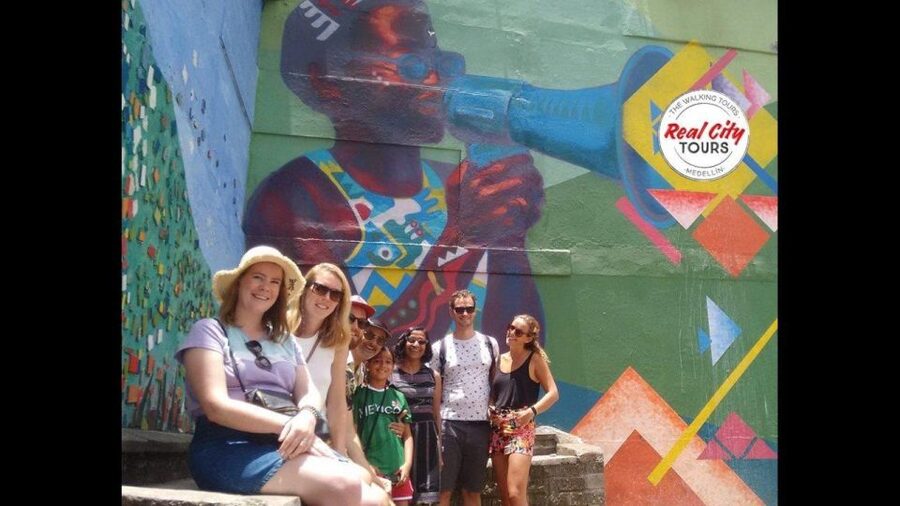
The longest section lasts about one hour and combines a visit with a guided tour. This is the main body of the experience, where the earlier introduction and local meeting begin to make sense together.
Expect the guide to connect Moravia’s past with its present. You may hear about the neighborhood’s growth, the lack of formal recognition in its early years, community organization, and the changes brought by public attention and local work.
The strongest feature here is the mixture of professional explanation and resident perspective. A guide can describe policy, but a community leader can explain what those policies mean on the ground. Neither viewpoint is enough by itself.
You should also expect the tour to question easy descriptions of Medellín. The city’s transformation is real, but it has not been identical for every neighborhood or every household. The experience is designed to show different and sometimes conflicting sides of that change.
That approach makes the walk a good fit for you if you want more than colorful walls and dramatic city stories. It may feel too serious if your ideal outing is a relaxed stroll with little discussion.
The food tasting and small snack
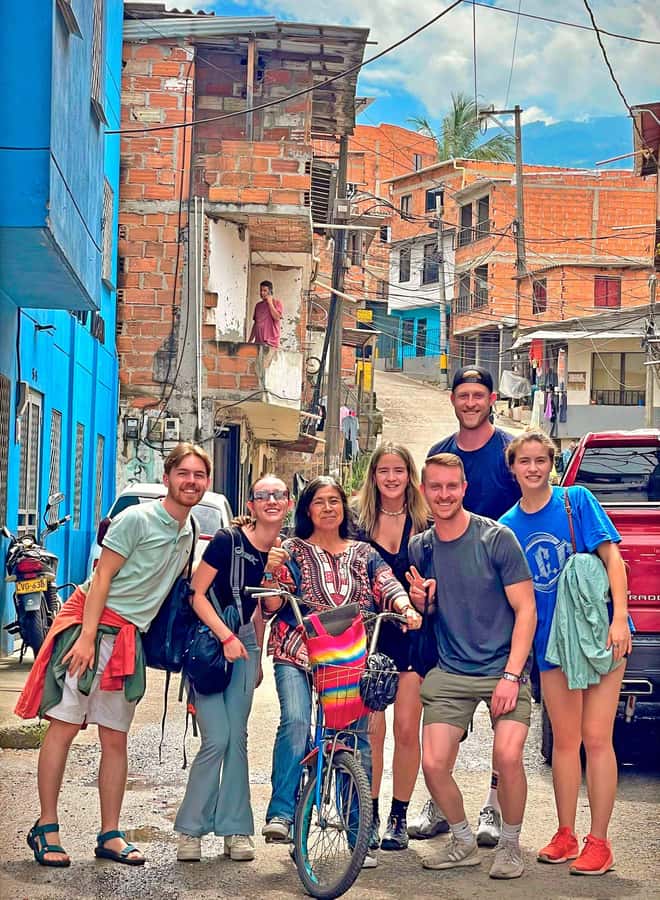
The route includes about 30 minutes for food tasting. A small snack is included in the price, giving you a simple chance to experience a local flavor while continuing the neighborhood conversation.
Do not treat this as a full meal. The included food is a snack, and the activity is not presented as a food tour. If you are hungry before the start, eat something earlier so you can focus on the walk.
The tasting still has value. Food creates an easy bridge between visitors and residents, and a short shared break can give the group time to talk informally. It also keeps the experience from becoming a nonstop lecture.
Since no specific snack is identified, you should not book this expecting a particular dish. Think of it as a modest addition to the neighborhood visit rather than the main reason to go.
A final guided stop and Moravia Cultural Center
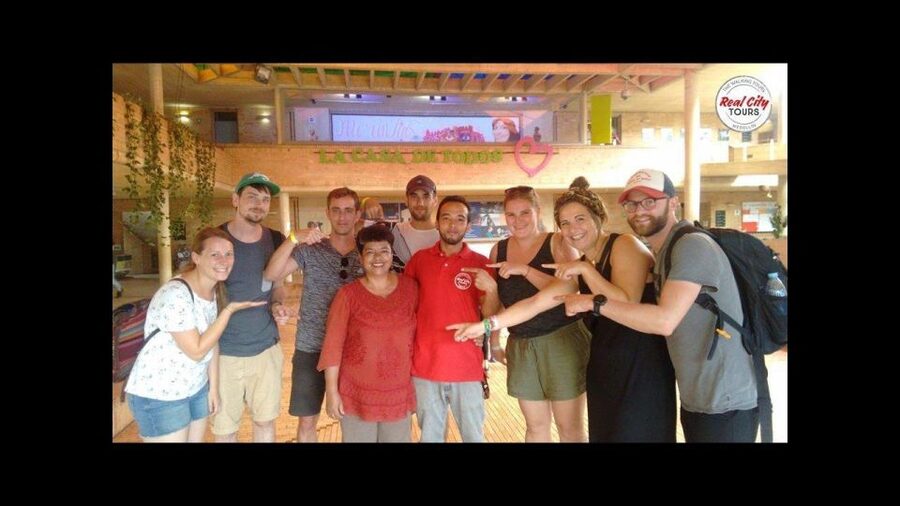
Later, the route includes another 30-minute guided stop in Moravia. This gives the guide a chance to revisit ideas from earlier in the walk and point out details you might have missed at first.
The final sightseeing section takes place at Moravia Cultural Center and lasts about 30 minutes. This is a useful ending because cultural spaces often show how a neighborhood presents itself, supports local activity, and builds a public identity.
The tour then returns to the original meeting point. The full route takes about three and a half hours, including the guided stops and food break.
The schedule is long enough to provide real context but short enough to fit into a day of sightseeing. Still, you should avoid booking it immediately before a fixed appointment. The experience is made up of several sections, and a thoughtful conversation should not feel hurried by the clock.
Why the small group matters here
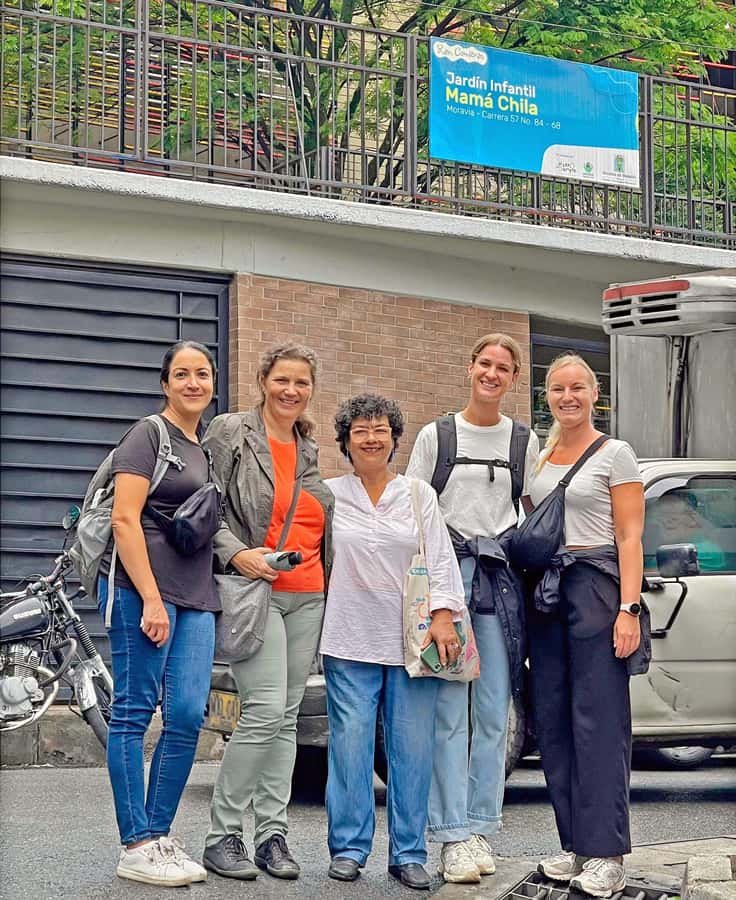
The limit of eight participants is one of the clearest advantages. A large group would change the mood of a residential neighborhood and make it harder for everyone to hear a local leader.
A small group also allows you to ask questions about topics that need explanation. If the guide discusses public services or the role of women’s organizations, you can seek clarification instead of simply listening from the back of a crowd.
The provider says it does not bring large numbers into the barrio every day. That restraint matters. Responsible social tourism should create value for residents without turning their homes into a daily attraction.
You should still behave as you would in any residential area. Listen first, follow the guide’s instructions, and avoid treating people or private spaces as photo subjects without permission.
Is $30 a fair price?
At $30 per person, the tour is reasonably priced for a three-and-a-half-hour experience with a professional bilingual guide, a local community leader, a small snack, and a group capped at eight.
The real value is not the number of stops. It is the access to local leadership and the explanation of systems that you would be unlikely to understand from a casual walk. You are paying for time, interpretation, and a direct community connection.
Part of the fee goes toward community initiatives, and local leaders are paid for their participation. That makes the price more meaningful than a standard sightseeing ticket, although you should still choose the experience because you want its social and historical focus.
Hotel transportation is not included, so add the cost of reaching Caribe Metro Station. The metro is recommended and makes the overall outing inexpensive. Free cancellation up to 24 hours before the start and the option to reserve now and pay later also make planning easier.
Who should book this experience?
I would choose this tour if you want to understand Medellín through local organization, public services, and neighborhood leadership. It suits visitors who enjoy asking questions and hearing more than one version of a city’s story.
It is particularly strong for:
- First-time visitors who want a wider view of Medellín than the usual tourist districts
- People interested in social policy, community development, or urban change
- Visitors who prefer small groups and local conversation
- Anyone curious about women’s leadership in neighborhood life
- English-speaking visitors who want a bilingual professional guide
I would be more cautious if you want a relaxed food outing, a major landmark tour, or a short photo walk. The route is active, the subject matter can be serious, and the neighborhood setting requires respect and attention.
Should you book the Comuna 4 Moravia Tour?
Yes, if you want an honest look at Medellín that goes beyond its polished transformation story. The combination of a professional guide, local leaders, a small group, and practical discussion of health care, education, and welfare gives the experience real substance.
Book it with comfortable shoes, sunscreen, mobile data, and enough time to reach the south exit at Caribe Metro Station. Most important, arrive ready to listen. The best part is not checking off a landmark. It is hearing Moravia explained by people who helped build its community and continue to shape its future.
FAQ
How long does the Comuna 4 Moravia Tour last?
The tour lasts three and a half hours. Starting times vary, so you need to check availability when choosing a date.
How much does the tour cost?
The price is $30 per person.
Where does the tour meet?
The group meets at the south ticket booth of Caribe Metro Station. Use the exit with the pedestrian bridge over the Medellín River.
What language is the tour conducted in?
The activity includes a live English-speaking guide. The professional guide is bilingual.
Is transportation from my hotel included?
No. Hotel pickup and drop-off are not included. The recommended way to reach the meeting point is Medellín’s A-Line metro.
What is included in the price?
The price includes a local community leader, a professional bilingual tour guide, and a small snack.
Just added around Medellin
- Medellin: 4-Hour Zip-Line Adventure★ 5.0 · 3 reviews
- Medellin: Tour to The Cathedral – History of Pablo Escobar and his Impact★ 5.0 · 3 reviews
- Medellin: waterfalls and naturals poolls tour★ 3.7 · 3 reviews
- Guatapé & Coffee Farm, all in one day★ 5.0 · 3 reviews
- Comuna 13: Recorrido de Arte Urbano, Cultura y Resiliencia★ 5.0 · 3 reviews
- Shared Tour Medellin’s Violence & Post-conflict after Pablo★ 4.1 · 3 reviews
- Medellin: Coffee Farm Tour & Spa with Overnight Glamping★ 4.5 · 3 reviews
- Colombia: Official Pablo Escobar Meet the Family Museum Tour★ 5.0 · 3 reviews
Comuna 13 & Street Art Tours, compared.
Comuna 13 Graffiti Tour, Cable Car & Street Food
Read our review →
Private City Tour with Metrocable and Comuna 13
Read our review →
Comuna 13 Tour with Snacks And Your Own Graffiti
Read our review →
Comuna 13 and Graffiti Guided Tour with a Local
Read our review →
Browse the lists this tour appears in