
Reviewed · COFFEE FARM TOURS
Explore the Coffee Process_From Tree to Cup & Fun by Jeep
Coffee tells the story of Colombia well. This four-hour outing takes you from Pereira into the Andean hills, where Arvey and Elizabeth grow specialty coffee alongside fruit trees, bananas, and plants that support farm life. You do not simply drink a cup at the end. You see how it begins.
I especially like the traditional Jeep ride, which makes the trip feel tied to the coffee region rather than like a standard transfer. I also like the farm’s broad focus on sustainable agriculture, including composting, vermiculture, and a nursery. The main consideration is simple: this is an active farm, so bring mosquito repellent and expect outdoor conditions, including bugs and uneven ground in some areas.
The small group limit of 10 keeps the visit personal. Arvey and Elizabeth guide you through their home and working farm, explaining coffee cultivation, processing, roasting, and brewing in a warm, unhurried way. At $115 per person, the price is not bargain-level, but the private transportation, entrance, snacks, drinks, and hands-on instruction make it a fair choice for a half-day experience.
In This Review
- Key points to know before you book
- Leaving Pereira by traditional Jeep
- First coffee, then the farm
- Coffee bushes among fruit trees and farm animals
- Sustainable farming in practical terms
- From coffee cherry to three bean styles
- Roasting and brewing with Elizabeth
- Snacks, fresh drinks, and a relaxed finish
- Access, comfort, and what to bring
- Is $115 a fair price?
- Who should book this farm visit?
- Should you book it?
- FAQ
- Where does the coffee farm experience take place?
- How long does the experience last?
- Is hotel pickup included?
- What vehicle is used for transportation?
- How large is the group?
- What is included in the price?
- Is transportation from another city included?
- Are service animals allowed?
- Can I cancel for a full refund?
Key points to know before you book
- A traditional Jeep begins the adventure: Hotel pickup in Pereira takes you into the Andean hills in a vehicle closely linked with Colombian coffee culture.
- Coffee is followed from seedling to cup: You learn about planting, harvesting, washing, fermenting, drying, roasting, and brewing.
- Arvey and Elizabeth share their own farm: Their work combines specialty coffee with fruit trees, livestock, composting, vermiculture, and bird-friendly planting.
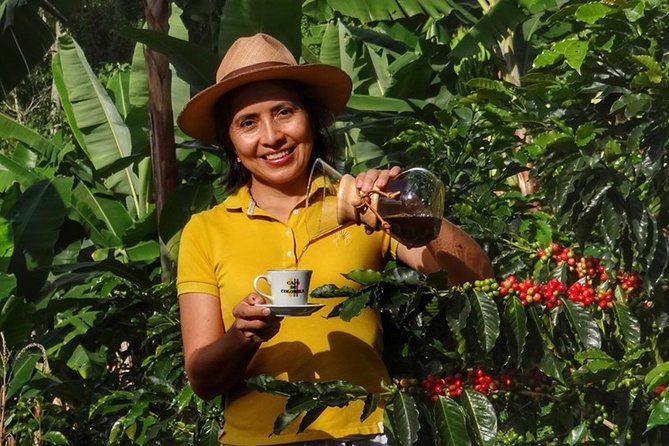
- You prepare coffee yourself: Elizabeth helps you make several cups using different brewing methods, including lessons on the roasting curve.
- The group stays small: A maximum of 10 people allows time for questions and a more personal visit.
- The farm supports responsible tourism: The project has received the 2022 National Tourism Awards and a 2023 WTM Latin American Responsible Tourism Award in Brazil.
Leaving Pereira by traditional Jeep
The experience starts with hotel pickup in Pereira. Instead of putting you in an ordinary car or bus, the hosts use a traditional Jeep, an icon of the Colombian coffee region and a practical choice for the mountain roads.
The ride to the farm takes about 40 minutes, according to the experience details shared by past visitors. That journey is part of the outing. As Pereira gives way to the Andean hills, Arvey explains the coffee region, the farm, and the couple’s move into agricultural life. He and Elizabeth are described as neo-peasants, a useful term for people who have chosen rural living and farming without necessarily coming from a traditional farming background.
That personal story gives the ride more meaning. Arvey previously worked as an accountant, while Elizabeth was an engineer. Together, they built a farm that reflects both practical planning and a love of plants, coffee, and the land.
You are not driving yourself, which is a real benefit. Mountain roads can take attention away from the scenery, and hotel pickup removes the need to arrange a taxi or find the farm independently. Transportation from Pereira is included, while pickup from other cities costs an additional $25.
More coffee farm mornings we have written up:
- Medellin: Coffee Tour with Transport, Snacks and Tastings
★ 4.7 · 1,357 reviews - Medellín Coffee Farm Tour with Trolley and Cable Car Ride
★ 4.9 · 277 reviews - Coffee Tour at the Finca del Café
★ 5.0 · 213 reviews
First coffee, then the farm
On arrival, Elizabeth helps you prepare your first cup. This is a smart way to begin. You taste the finished drink before walking through the steps that created it, so later explanations have a clear purpose.
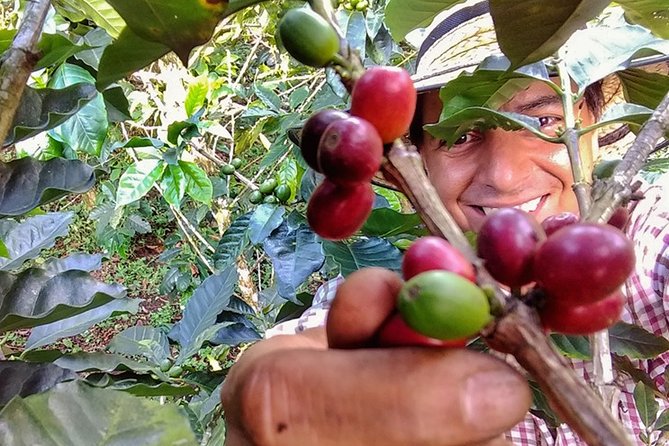
The visit is not designed as a quick photo stop among coffee bushes. You walk through the plantation and learn how coffee grows, how cherries are picked, and how the beans are prepared after harvest. The hosts explain the difference between coffee at various stages and introduce several ways to brew it at home.
The practical lesson matters. Many coffee tours stop at the roasting room and offer a sample. Here, you get to make the drink yourself. By the end, you should understand enough to repeat the method in your own kitchen.
The farm produces special Colombian coffee under strict sustainability criteria. The hosts also discuss clean agriculture and the daily realities of farm life. This gives you a more honest view of coffee production, including the work and decisions behind a polished final cup.
Coffee bushes among fruit trees and farm animals
Coffee is only one part of this farm. The property also includes bananas, plantains, cocoa, avocado, oranges, lemons, tangerines, guava, papaya, mango, and guanabana. Other plants mentioned during the visit include pineapple, citronella, cotton, and several types of avocado.
The variety is not there only for decoration. Different plants have different uses. Fruit provides food, some plants have medicinal purposes, and cotton helps attract birds that use it for nesting material. Trees also provide habitat for animals such as iguanas.
The farm’s bird life has grown dramatically since the project began. Arvey and Elizabeth estimate that the number of bird species seen on the property increased from about 30 to 120. That figure shows how agricultural choices can affect a small ecosystem, although bird sightings naturally vary by season and luck.
You may also meet the farm’s dogs, Toby and Lola, along with chickens, roosters, ducks, cats, and other domestic animals. These details make the visit feel like time spent in a working home rather than a staged attraction.
Fresh produce can also shape the day. Depending on the season, you might taste fruit picked directly from a tree. The exact selection cannot be guaranteed, since crops fruit at different times, but that seasonal change is part of the appeal.
Sustainable farming in practical terms
The environmental side of the tour is one of its strongest features. Arvey and Elizabeth show you their composting area, vermiculture system, and plant nursery. These are not abstract ideas. You see how organic waste can return to the farm and how small-scale methods support soil and plant health.
Vermiculture uses worms to help break down organic matter into a useful soil amendment. Composting reduces waste and creates material that can support crops. The nursery gives the hosts a place to grow young plants before putting them elsewhere on the property.
You also learn how the farm combines coffee with other crops and trees. That approach gives the property more than one source of food and helps create space for birds and other animals. It also lets you see how a small farm can work with its surroundings instead of treating every inch as a single crop.
The project has received the 2022 National Tourism Awards and the 2023 WTM Latin American Responsible Tourism Award in Brazil. Awards do not replace your own judgment, but they do indicate that the farm’s responsible tourism work has received formal recognition.
A few more trips worth weighing up before you book
- Medellin: Coffee Tour and Wellness Spa
★ 4.8 · 209 reviews - Salento: Private Cocora Valley, Salento & Coffee Farm Tour
★ 4.9 · 202 reviews - Medellin: Coffee Tour with Hotel Transfers and Meals
★ 4.9 · 186 reviews - Medellin: Horseback Riding Coffee Farm Tour with Coffee Spa
★ 4.8 · 151 reviews
From coffee cherry to three bean styles
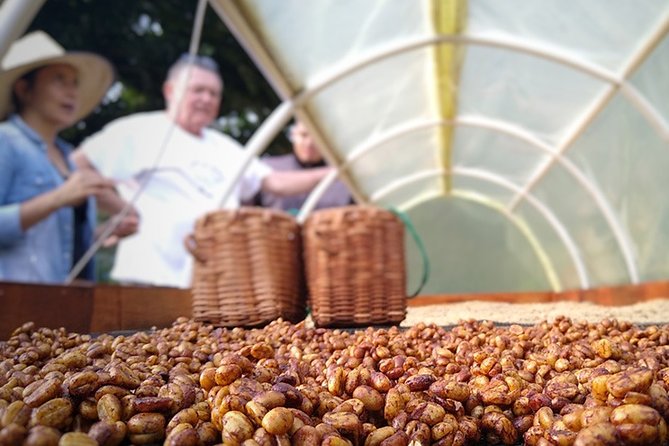
The coffee lesson continues after the plantation walk. You learn what happens once the cherries are picked, including processing, fermentation, washing, drying, and quality control.
Three processing styles are explained:
- Washed coffee: The fruit is removed and the beans are washed before drying.
- Honey coffee: Some of the sticky fruit layer remains during drying.
- Natural coffee: The coffee cherry dries around the bean before further processing.
The experience presents these as different routes from fruit to finished bean. Processing affects the cup, so this part helps explain why two Colombian coffees can taste quite different even when they come from the same general region.
The hosts also explain how they check quality during processing. This is useful context for anyone who buys specialty coffee but has never seen the steps between harvest and roasting.
You should not expect a factory tour. This is a small farm visit, and the emphasis is on seeing the work in place and discussing it with the people who do it. That makes the experience more personal, though it may offer less machinery or production scale than a large commercial plantation.
Roasting and brewing with Elizabeth
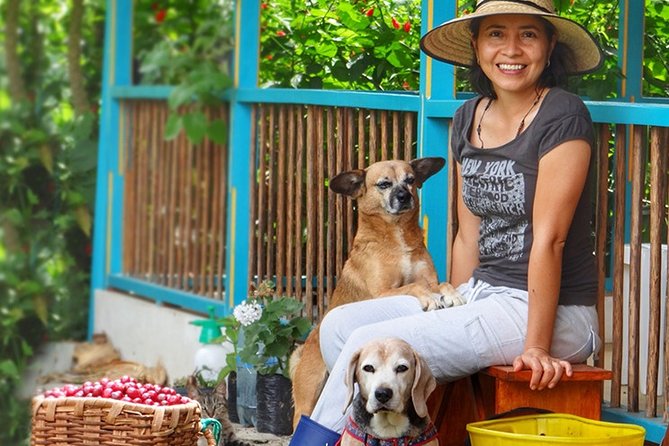
Elizabeth leads the final coffee work, including roasting and brewing. You learn about the roasting curve, the pattern of heat and time that shapes the beans as they develop.
You then prepare more coffee under her direction. The experience includes at least two additional cups, with different brewing methods used during the visit. One person prepared coffee using two different coffee makers, then compared the results. This kind of side-by-side tasting helps you notice how preparation changes the flavor.
The lesson is friendly and practical rather than technical for its own sake. Elizabeth explains what to do, guides your hands, and lets you take part. You are likely to leave with more confidence about making Colombian coffee at home.
Coffee lovers will find plenty to enjoy, but you do not need to be an expert. One of the strongest features is the way the hosts explain basic ideas without making the experience feel like a classroom.
Even people who do not usually drink coffee can find value in the farming, fruit, animals, and environmental work. The cup is important, but it is not the only reason to come.
Snacks, fresh drinks, and a relaxed finish
Food is included, with coffee or tea, snacks, and a light refreshment during the visit. Examples include lemonade made with lemons from the farm, fresh fruit, patacones, and empanadas.
The exact food can vary, but the farm-based touches fit the experience well. A cold drink after walking the property is welcome, and simple local snacks give you a taste of Colombian home cooking without turning the tour into a formal meal.
The hosts’ hospitality is central to the visit. Arvey and Elizabeth treat the farm as a shared life project, not just a business. Arvey is careful to call it our farm, referring to his and Elizabeth’s work together. That detail says a lot about the tone you can expect.
The small group limit also helps. With no more than 10 people, you have a better chance to ask questions, see demonstrations clearly, and talk with the hosts. A large group would change the feeling of this visit, so the cap is worth noting.
Access, comfort, and what to bring
A good portion of the farm is wheelchair and blind accessible, and the walking routes and demonstrations have been described as friendly for people with disabilities. Still, the property is a farm, not a fully engineered visitor center. If you have specific mobility needs, contact the provider before booking to confirm that the route suits you.
Wear practical shoes and clothing for outdoor walking. The farm has bugs, so mosquito repellent or repellent lotion is a sensible addition to your day bag. The information provided does not promise a particular weather plan, so prepare for ordinary mountain conditions.
Service animals are allowed. Hotel pickup and drop-off in Pereira are included, which makes the outing easier for anyone who does not want to arrange transport to a rural property.
The experience lasts about four hours. That is enough time for transportation, the farm walk, coffee preparation, tasting, and snacks without taking up an entire day. If you are planning another fixed activity, leave room around the stated duration because mountain transfers can affect timing.
Is $115 a fair price?
At $115 per person, this is a premium half-day outing. You are paying more than you would for a simple plantation entry or a basic tasting, but the cost includes private transportation, hotel pickup and drop-off, a guide, entrance, coffee or tea, and snacks.
The value comes from the personal format. Arvey and Elizabeth do not simply explain coffee from a prepared script. They show you their own plantation, composting area, nursery, fruit trees, animals, and processing work. You also get several hands-on brewing moments rather than one sample poured at the end.
The price makes the most sense for someone who values local contact and responsible farming. If you only want a quick look at coffee bushes and a souvenir bag, you can probably find a simpler option. If you want to understand the full process and meet the people behind a small sustainable farm, the cost is easier to justify.
The experience is usually reserved well ahead, with an average booking time of about 42 days. That suggests you should plan early if your Pereira dates are fixed.
Who should book this farm visit?
I would choose this tour for coffee drinkers who want to understand what is in their cup. It also suits anyone interested in organic methods, rural life, fruit cultivation, bird habitat, or small-scale ecotourism.
Families and mixed-interest groups may like it because the outing covers more than coffee. One person can focus on roasting, another on birds and plants, and another on the Jeep ride or local food.
It is also a good fit if you want a personal experience instead of a large commercial plantation. The hosts’ warmth is repeatedly praised, and the farm’s changing crops mean the details may differ by season.
I would think twice if you dislike outdoor conditions, have severe insect concerns, or want a tightly scripted attraction with no walking. The mountain setting and working-farm character are strengths, but they also mean nature sets some of the rules.
Cancellation is free if you cancel at least 24 hours before the start time. Changes or cancellations inside that window are not refundable, and the activity may be rescheduled or refunded if its minimum group size is not reached.
Should you book it?
Book this experience if you want coffee explained from plant to cup, with real people, a real farm, and plenty of time to ask questions. The combination of a traditional Jeep, sustainable agriculture, fresh farm products, and hands-on brewing gives the outing more substance than a standard tasting.
I especially recommend it for a first visit to Colombia’s coffee region. You leave with a better understanding of coffee processing, but also with a clearer picture of how plants, animals, food, and family life fit together on a small farm.
Skip it only if you want a quick, low-cost stop or prefer an indoor activity. For everyone else, this is a thoughtful and personal way to spend four hours near Pereira.
FAQ
Where does the coffee farm experience take place?
The experience is based in Pereira, Colombia, with the farm located in the Andean mountain area outside the city.
How long does the experience last?
The tour lasts approximately four hours.
Is hotel pickup included?
Yes. Hotel pickup and drop-off are included for the experience in Pereira.
What vehicle is used for transportation?
Pickup and transport begin in a traditional Jeep, a vehicle closely associated with Colombia’s coffee culture.
How large is the group?
The experience has a maximum of 10 participants.
What is included in the price?
The price includes coffee or tea, snacks, private transportation, entrance, and a guide.
Is transportation from another city included?
No. Transportation from other cities is available for an additional cost of $25.
Are service animals allowed?
Yes. Service animals are allowed.
Can I cancel for a full refund?
Yes, if you cancel at least 24 hours before the experience start time. Cancellations made less than 24 hours in advance are not refunded.
Just added around Colombia
- Santa Marta: Museum of the Sea and Playa Blanca Beach Tour★ 4.8 · 3 reviews
- Medellin: 4-Hour Zip-Line Adventure★ 5.0 · 3 reviews
- Cartagena: Ecoplan on Barú, Aviary and Oceanarium in one day★ 3.3 · 3 reviews
- Isla Tierra Bomba beach club: Day Pass with typical food★ 5.0 · 3 reviews
- Cartagena: Party Bus Tour In Cartagena★ 4.2 · 3 reviews
- White Night Boat Party: Dinner Buffet, Dancing and Open Bar★ 4.6 · 3 reviews
- Zipaquirá: Private Salt Cathedral Mine and Walking Tour★ 4.8 · 3 reviews
- Medellin: Tour to The Cathedral – History of Pablo Escobar and his Impact★ 5.0 · 3 reviews
Coffee Farm Tours, compared.
Coffee Tour with Transport, Snacks and Tastings
Read our review →
Medellín Coffee Farm Tour with Trolley and Cable Car Ride
Read our review →
Private Cocora Valley, Salento & Coffee Farm Tour
Read our review →
Horseback Riding Coffee Farm Tour with Coffee Spa
Read our review →
Browse the lists this tour appears in