
Reviewed · FOOD & DRINK
Santa Marta Street Food Tour: 7 Tastings with a Local Guide
Come hungry and wear good shoes. This 3 to 4 hour walking tour gives you a tasty introduction to Santa Marta through market fruit, cayeye, handmade arepas, Colombian coffee, coconut sweets, and Caribbean patacones. I especially like the chance to eat at small local stands, and I like that the food adds real context to costeño culture rather than treating the city as a backdrop.
The price is $39 per person, which is fair for the amount of food, drinks, guiding, and city walking involved. My main caution is the distance and heat. Some participants covered about five miles, and the pace may be hard if you have mobility concerns or simply prefer a slow morning.
In This Review
- Five Things Worth Knowing Before You Go
- Starting at Saint Francis Square at 9:00 a.m.
- Fresh Zapote and Avocado at Santa Marta’s Public Market
- Doña Yami’s Cayeye, a Plantain Breakfast Classic
- Doña Ketty’s Handmade Arepas
- Colombian Coffee at GNAM Café
- A Bay Walk with Cocadas and Sea Air
- Finishing with Caribbean Patacones at Mañe Cayón
- How Much Food Do You Actually Get?
- The Walking, Heat, and Pace
- The Guides and Group Experience
- Is $39 a Good Value?
- Who Should Book This Food Tour?
- Final Verdict: A Filling, Useful Introduction
- FAQ
- Where does the Santa Marta food tour begin?
- Where does the tour finish?
- How long does the food tour last?
- How many tastings are included?
- Is coffee included?
- Can vegans and vegetarians join?
- Is alcohol included?
- How many people can join the tour?
Five Things Worth Knowing Before You Go
- Cayeye gives you a true taste of the Caribbean coast: This mashed green plantain dish is a local breakfast staple, not just a sample chosen for tourists.
- The food is generous: Several people found they had eaten enough for a full meal, so skip breakfast or keep it very light.
- The public market is central to the experience: You will see fruit, fish, meat, and vegetable areas while trying produce from street vendors.
- The tour covers serious ground: Walking connects the stops, and the route can last more than four hours.
- Guides make a major difference: Alvaro, Al, Paula, and Hugo have received praise for warmth, local insight, and care, though one person found the English difficult to follow.
Starting at Saint Francis Square at 9:00 a.m.
The tour begins in front of San Francisco Church at Saint Francis Square, in Santa Marta’s historic center. This is a useful place to start because you receive an introduction to the food and stories of the city before the eating begins.
The opening takes about 10 minutes. It is brief, but it sets the tone for the morning. You are not simply moving from one snack to the next. You are learning how everyday food connects with Caribbean Colombian life.
Your guide leads in English and Spanish, and the experience is limited to a maximum of 30 people. In practice, some departures have been much smaller, which allows more room for questions and personal attention. Alvaro, often called Al, is praised for his friendly manner and historical explanations. Paula has also been described as warm, patient, and willing to let the group enjoy each stop without rushing.
You return to the same meeting point at the end. Since the route is on foot, arrive ready for sun, city streets, and a morning that keeps moving.
More food tours:
- Santa Marta A Historical & Street food Experience
★ 4.7 · 41 reviews - Santa Marta: Guided Walking Food Experience
★ 4.8 · 33 reviews - Medellin: Comuna 13 Graffiti Tour, Cable Car & Street Food
★ 4.8 · 9,046 reviews
Fresh Zapote and Avocado at Santa Marta’s Public Market
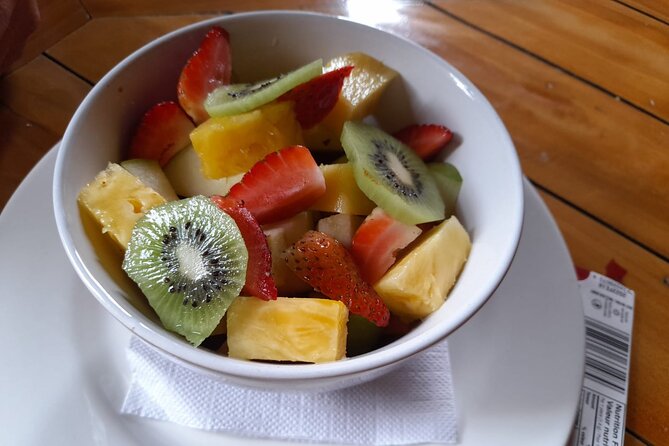
The first substantial stop is the Mercado Público de Santa Marta, where you spend about 45 minutes tasting fresh zapote and creamy local avocado from street vendors. This is where the tour begins to feel less like a restaurant crawl and more like a look at daily food shopping.
Zapote is a soft, sweet tropical fruit with a distinctive flavor. It may be unfamiliar if you come from outside Colombia, which makes it a good early taste. The avocado offers a different experience, rich and smooth rather than sugary. Together, the two samples show the range of produce available along the Caribbean coast.
The market also gives you a chance to see parts of Santa Marta that are easy to miss if you stay around the waterfront and central plazas. The route can pass through fruit and vegetable areas as well as fish and meat sections. That makes the market visually and culturally worthwhile, though it may feel intense if you are sensitive to heat, crowds, strong smells, or uneven pavement.
Keep your attention on the guide here. The value is not only in trying fruit. It is in understanding how these ingredients appear in local meals and how the market fits into the city’s daily rhythm.
Doña Yami’s Cayeye, a Plantain Breakfast Classic
At Doña Yami’s stand, you taste cayeye, a traditional dish made from mashed green plantains. The stop lasts about 45 minutes and is one of the food highlights because it introduces a dish strongly tied to the costeño, or Caribbean coastal, identity.
Cayeye is hearty and filling. It is the kind of food that explains why you should not eat a full breakfast before meeting the group. The morning may begin with fruit, but this dish starts to turn the tasting route into a proper meal.
The preparation also gives your guide a chance to explain why green plantains matter so much in coastal Colombian cooking. They appear in different forms throughout the region, and cayeye shows a softer, more substantial side of the ingredient than the later patacones.
This stop is especially useful if you want food with local meaning rather than a familiar international snack. The setting is simple, and that is part of the point. You are trying a beloved everyday dish at a local stand, not a polished version designed for a special occasion.
Doña Ketty’s Handmade Arepas
Next comes a 30-minute visit to Doña Ketty’s street stand, where you watch handmade arepas being prepared and eat them fresh. Arepas are one of Colombia’s essential foods, but the cooking style and fillings vary from place to place.
One particularly praised option was arepa con huevo, an arepa with egg. The chance to watch the preparation adds something that a plate at a restaurant cannot. You see the food made close to the point of eating, then try it while it is fresh.
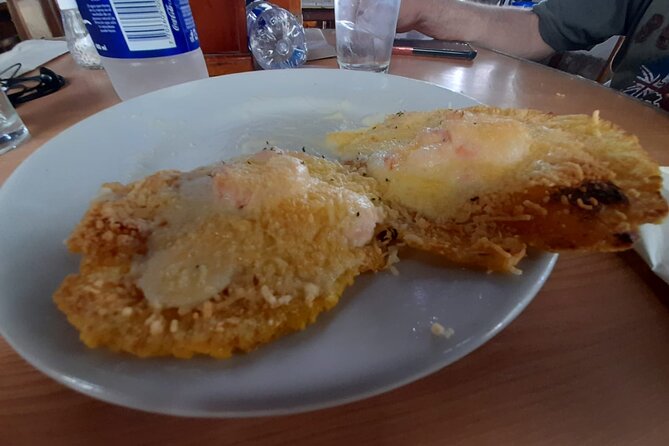
Some versions may include other fillings, and one account also describes an arepa with cheese and shrimp. The exact choices can vary, but the important part is the local method and the chance to ask questions while the food is prepared.
This is also a good stop for anyone who wants a little hands-on connection with the food. One person enjoyed making their own arepas during the tour. That activity is not specifically promised in the tour details, so do not book expecting a formal cooking class, but your guide may offer extra interaction depending on the group and the vendor.
A completely different kind of day out around Santa Marta:
- Santa Marta: Sailboat day tour to Tayrona Park
★ 4.5 · 352 reviews - From Santa Marta: Tayrona National Park Guided Tour
★ 3.8 · 131 reviews - Tayrona Bay Sailboat trip
★ 4.5 · 107 reviews - Santa Marta: Minca Coffee, Cocoa, & Waterfall Full-Day Trip
★ 4.6 · 102 reviews
Colombian Coffee at GNAM Café
After the market food, the tour moves to GNAM Café for a 30-minute specialty coffee tasting. A barista prepares Colombian coffee using alternative brewing methods, with attention to aromas and flavor.
This stop gives the morning a needed change of pace. The market and street stands are informal and energetic. GNAM Café provides a quieter place to sit, taste, and talk about what makes Colombian coffee different from a quick cup served with breakfast.
Coffee is treated here as part of Colombian culture, not merely as a drink to keep you moving. Your guide and the barista explore how brewing affects the final cup, which should appeal to anyone who enjoys coffee or wants to understand the country’s café culture beyond the export label.
Coffee and tea are included. The tour also includes natural fruit juice from local vendors, though the exact timing of every drink can vary. Alcohol is not included, but it may be available for purchase at some stops. One person enjoyed cold beers along the way, but you should regard those as optional extras rather than part of the $39 price.
A Bay Walk with Cocadas and Sea Air
The route then heads toward Santa Marta Bay for a 30-minute scenic walk and a taste of cocadas. These traditional coconut sweets are sold by local vendors and provide a simple dessert after the savory market foods.
This section helps break up the eating. You walk along the bay, look out over the water, and get a feel for Santa Marta’s coastal setting. The combination of sea views and coconut candy makes this one of the most relaxed parts of the experience.
It also explains the walking time. The tour is not a series of stops packed tightly together. The movement between places gives you time to digest, see more of the city, and talk with your guide. Several people appreciated the chance to pause for photographs and enjoy the surroundings.
Still, do not underestimate the physical side. The full route can take 3 to 4 hours, and one participant recorded roughly five miles of walking. Santa Marta can be hot, so bring water, wear light clothing, and use sun protection. A previous guest had to ask for a water stop, which is a useful reminder to manage your own hydration rather than wait for the guide to suggest it.
Finishing with Caribbean Patacones at Mañe Cayón
The final stop is Restaurante Mañe Cayón, where you finish with Caribbean-style patacones topped with local Santa Marta flavors. The visit lasts about 45 minutes, making it the longest stop after the two market visits.
Patacones are flattened, fried green plantains. They are crisp, savory, and filling, and they provide a fitting end to a morning that began with mashed plantain in the form of cayeye. The contrast shows how one basic ingredient can carry several different textures and roles in Caribbean cooking.
Accounts of the food describe toppings including cheese and shrimp. The meal can feel like more than a final sample, especially after the fruit, juice, cayeye, arepas, coffee, and cocadas earlier in the route. If you arrive without breakfast, you should have no trouble treating this as your morning meal and perhaps part of lunch.
The restaurant finish also gives the route a gradual change from informal street food to a more comfortable sit-down setting. That progression works well. You begin with the raw, practical side of the market and finish with a composed local dish.
How Much Food Do You Actually Get?
The tour includes seven food and beverage stops or tastings. The named foods include zapote, avocado, cayeye, handmade arepas, specialty Colombian coffee, cocadas, and patacones. Natural fruit juice is also included, so the total amount of food and drink is substantial.
I would not eat breakfast beforehand. Several people found themselves very full, and one person took the last dish away because there was simply no room left. The food is not a token bite at each location. It is enough to make up a full meal for many people.
The portions may not be identical on every departure, and the exact toppings can change. That is normal for a route using small vendors and local businesses. The strength of the tour is variety: sweet fruit, creamy produce, mashed plantain, fried or baked corn-based food, coffee, coconut candy, and crisp patacones.
Vegetarians and vegans can be accommodated. Tell the provider about your needs when booking so the guide and vendors can plan suitable samples. The tour details do not specify every replacement dish, so ask for confirmation if you have strict dietary requirements or allergies.
The Walking, Heat, and Pace
Walking is the biggest practical issue. The route links the market, street stalls, café, bay, and restaurant without using a vehicle. That lets you see more of central Santa Marta, but it can be tiring.
Most people can participate, and the tour is near public transportation. Service animals are allowed. Even so, the experience is not a good match for anyone who struggles with longer distances, standing, heat, or city surfaces.
The pace has sometimes been described as brisk. One family found the walking too much for older parents, though the guide adjusted the route so they could meet the rest of the group at the last stop. That flexibility is encouraging, but it should not replace an honest assessment of your mobility.
I would choose this tour early in your Santa Marta stay if possible. It helps you understand local dishes and gives you a guided look at areas you might not visit alone. Just leave room in your schedule afterward to rest, especially if the weather is hot.
The Guides and Group Experience
The guide can shape the whole morning. Alvaro, Al, Paula, and Hugo are praised for friendliness, local food knowledge, historical context, and attention to the group. Strong guides make the market easier to understand and help you feel comfortable in areas you might not explore by yourself.
Small groups appear to be common and allow more conversation. The official maximum is 30 people, so you should not assume every departure will be tiny. If personal attention matters to you, ask about the expected group size before booking.
English ability may vary by guide. Most comments describe clear, useful communication, but one person found the guide’s English hard to understand and felt the explanations became mechanical. That seems to be an occasional concern rather than the usual experience, but it is worth keeping in mind if detailed language instruction is important to you.
Is $39 a Good Value?
At $39, this is good value if you want a meal, a guided city walk, and several local tastings in one outing. You are paying for food at seven stops, specialty coffee, fruit juice, a bilingual guide, and the time spent explaining Santa Marta’s food culture.
A self-guided market visit would cost less, but it would not give you the same help with ordering, identifying unfamiliar foods, or understanding why cayeye and patacones matter. You might also miss smaller vendors or hesitate to enter areas outside the main tourist streets.
The price is less attractive if you want a short tasting session or do not enjoy walking. The food is generous, but the route takes time and effort. For someone who wants a relaxed restaurant breakfast, this is the wrong format. For someone who wants to eat broadly and see more of the city, the cost is reasonable.
The tour is recommended by 95 percent of participants and has a 4.8 rating from 39 reviews. Those figures point to a strong overall experience, while the repeated warning about walking gives you the key qualification.
Who Should Book This Food Tour?
I would choose this tour if you:
- Want a first introduction to Caribbean Colombian food
- Prefer local stands and markets to a standard restaurant meal
- Enjoy walking through working parts of a city
- Like trying foods you might not order on your own
- Want a guide to explain ingredients, customs, and local history
- Can comfortably manage several hours on foot in warm weather
I would choose something else if you need a seated experience, have limited mobility, or prefer small portions. Families can enjoy it, but older relatives may need a modified route. Vegetarians and vegans can be accommodated, provided you share your requirements in advance.
Free cancellation is available until 24 hours before the 9:00 a.m. start. The tour depends on good weather, and a weather cancellation offers either another date or a full refund.
Final Verdict: A Filling, Useful Introduction
Book this tour if you want to understand Santa Marta by eating what people actually eat. The best parts are the public market, Doña Yami’s cayeye, Doña Ketty’s fresh arepas, and the generous final patacones at Mañe Cayón.
The main tradeoff is clear: you get a lot of food and a broad look at the city, but you also get a lot of walking. Bring water, skip breakfast, wear comfortable shoes, and tell the guide about dietary or mobility needs before setting out. For most active food lovers, $39 buys a satisfying morning with plenty of local flavor and useful orientation.
FAQ
Where does the Santa Marta food tour begin?
It begins at 9:00 a.m. in front of San Francisco Church at Saint Francis Square, Cra. 4, in Santa Marta’s historic center.
Where does the tour finish?
The tour ends back at the original meeting point.
How long does the food tour last?
The experience lasts approximately 3 to 4 hours.
How many tastings are included?
You stop at seven different food and beverage places and taste items such as zapote, avocado, cayeye, handmade arepas, cocadas, coffee, juice, and patacones.
Is coffee included?
Yes. A specialty Colombian coffee tasting at GNAM Café is included. Tea may also be available as part of the included beverage tasting.
Can vegans and vegetarians join?
Yes. The tour can accommodate vegans and vegetarians. Share your dietary needs when booking so suitable arrangements can be made.
Is alcohol included?
No. Alcoholic beverages are not included, though they may be available to purchase at some stops.
How many people can join the tour?
The maximum group size is 30 people. Some departures may be smaller, which can allow more direct attention from the guide.
Just added around Santa Marta
- Santa Marta: Museum of the Sea and Playa Blanca Beach Tour★ 4.8 · 3 reviews
- Minca, Marinka Waterfall & Hostel Sierra Minca★ 4.7 · 3 reviews
- Diving Santa Marta & Tayrona for Certified Divers (2 tanks)★ 3.9 · 3 reviews
- SANTAMARTA: TOUR Remanso, Taganga, Playa Grande Lunch and Snorkeling Included★ 3.5 · 4 reviews
- From Santa Marta: Marinka Waterfalls 4×4 Tour with Transfer★ 3.8 · 4 reviews
- SANTA MARTA: Tour to Playa Inca Inca with Lunch★ 3.2 · 4 reviews
- Tour en Velero a Bahía Concha Parque Tayrona★ 3.5 · 4 reviews
- Tayrona Park & Playa Cristal★ 3.8 · 4 reviews
Food & Drink, compared.

Comuna 13 Graffiti Tour, Cable Car & Street Food
Read our review →

Street Food and Poblado Rooftop Tour with a Local
Read our review →
Boutique Rum and Chocolate Tasting at Lunático
Read our review →Browse the lists this tour appears in