
Reviewed · HISTORICAL TOURS
Santa Marta A Historical & Street food Experience
Santa Marta reveals itself on foot. This guided walk brings together colonial buildings, Tayrona culture, local legends, and small food tastings in the city center. I like the way the route links the Tairona Gold Museum with the cathedral, public squares, churches, and San Miguel Cemetery instead of treating each place as an isolated stop. I also like the chance to try ceviche, empanadas, lulo, and local fruit drinks along the way.
The main concern is value. At $56 per person, this is costly for a tour advertised at two hours, especially since some stops may be brief and the food portion can vary. A recent experience also ran closer to four hours, while other guests felt rushed and missed some planned tastings. Ask for the day’s exact route and food stops before you set out.
In This Review
- Key points to know before booking
- Starting at Casa de la Aduana
- Bolívar Park and the city’s public story
- Camellón Rodrigo de Bastidas and the waterfront side
- Santa Marta Cathedral and colonial details
- Los Novios Park, where the evening gathers
- Iglesia San Francisco and San Miguel Cemetery
- The food stops: ceviche, fruit, lulo, and empanadas
- What the guide can add to the walk
- The two-hour promise and the real pace
- Is $56 a fair price?
- Who should book this experience?
- Should you book the Santa Marta Historical and Street Food Experience?
- FAQ
- Where does the tour start?
- Where does the tour finish?
- How long is the experience?
- What languages are available?
- Is entry to the museum included?
- What food and drinks are included?
- Which historic places are visited?
- Is cancellation allowed?
- Do I have to pay when booking?
Key points to know before booking
- The Tairona Gold Museum anchors the walk: You get a guided visit inside Casa de la Aduana, with a focus on Indigenous culture and artifacts.
- The route covers Santa Marta’s central landmarks: Expect Bolívar Park, Camellón Rodrigo de Bastidas, the cathedral, Los Novios Park, Iglesia San Francisco, and San Miguel Cemetery.
- Food is part of the appeal: Planned tastes include ceviche, empanada, lulo, exotic fruit juice, and a local drink.
- Guide quality matters here: Sergio receives especially warm praise for his care, clear explanations, and helpful advice beyond the scheduled walk.
- The timing needs clarification: The experience is sold as two hours, but the listed stops add up to more than three hours, and one outing lasted almost four.
- Late afternoon may be more comfortable: One guest specifically liked the 4:30 start because Santa Marta was cooler then.
Starting at Casa de la Aduana
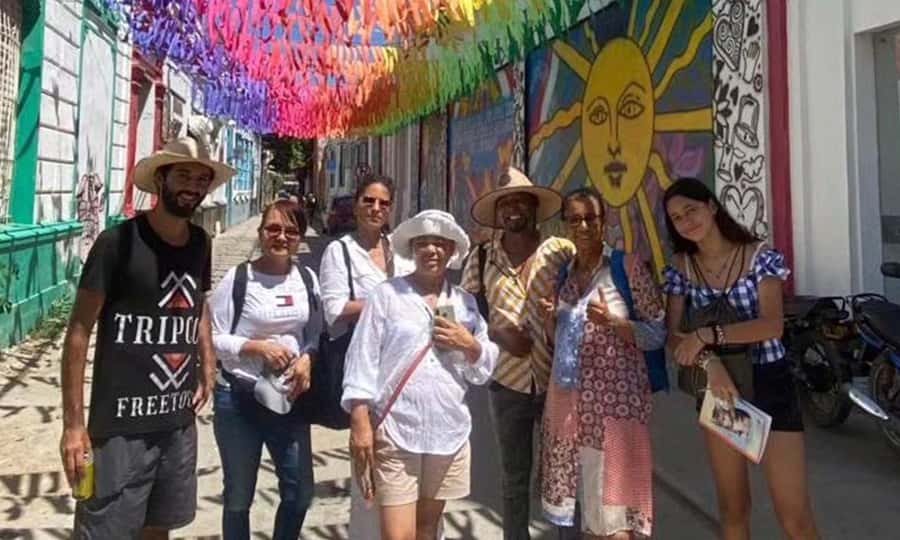
The experience begins at the Tairona Gold Museum, also called Casa de la Aduana. This is a sensible meeting point because it places you right in Santa Marta’s historic center and introduces two subjects that shape the whole walk: the city’s colonial past and the Indigenous peoples of the Sierra Nevada.
The museum visit is listed as a guided stop, with one segment of 15 minutes and another of 30 minutes. That makes the museum the most important place to clarify at the start. You should ask whether the full interior visit is included that day and how much time the guide expects to spend inside.
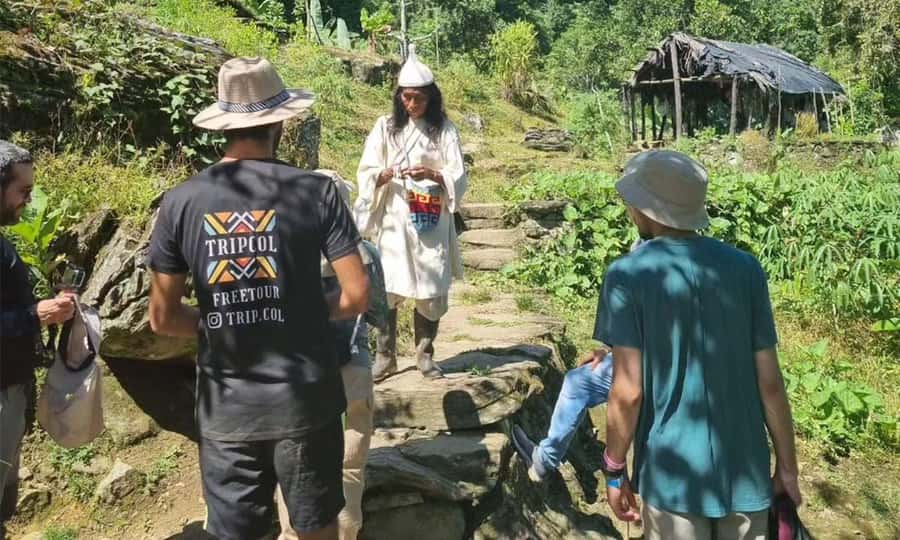
The museum gives the tour a useful foundation. Instead of hearing only about old streets and Spanish buildings, you begin with the Tayrona people, their material culture, and traditions connected to the Sierra Nevada. For me, that wider frame is one of the strongest reasons to consider the experience. Santa Marta is not only a colonial port with attractive façades. Its story also reaches into the Indigenous communities and cultural traditions of the surrounding mountains.
The guide team is described as including people trained in history, journalism, and anthropology. That background should be helpful when you want more than dates and names. It also means you can ask broader questions about how Santa Marta developed and how its past still appears in daily life.
A few more trips worth weighing up before you book
- Santa Marta: Guided Walking Food Experience
★ 4.8 · 33 reviews - Dinner cruise on Cartagena’s bay with Sibarita Master
★ 4.5 · 297 reviews - Cartagena: Cruise by the Bay with Dinner and Wine
★ 4.4 · 142 reviews
Bolívar Park and the city’s public story
From the museum, the walk continues to Simón Bolívar Park. The guide uses the square to explain Simón Bolívar’s connection to the city and his place in the national story.
Parks like this are useful early in a city walk because they give you room to pause and look around. Rather than racing from one building to another, you can watch how the center is arranged around public spaces. The guide may also point out the relationship between the square, nearby colonial buildings, and the pedestrian streets leading toward the waterfront.
The scheduled time here is 30 minutes, which gives this stop more weight than a simple photo pause. If you enjoy political history, ask how Bolívar’s legacy is remembered in Santa Marta specifically. If your interest is mainly food, architecture, or photography, the stop still helps you get your bearings before the route becomes more detailed.
Camellón Rodrigo de Bastidas and the waterfront side
The next stop is Parque Camellón Rodrigo de Bastidas, listed as both a visit and a photo stop. This part of the route shifts the mood from formal civic history to Santa Marta’s public waterfront character.
You should expect scenic views along the way rather than a long stand-alone lecture at this stop. The planned time is 15 minutes, so keep your camera ready and listen for the guide’s explanation of Rodrigo de Bastidas and the city’s coastal setting.
This is also a point where walking conditions matter. Santa Marta can be hot, and the route includes several outdoor stops close together. Bring water, wear light clothing, and use sun protection. The chance to start at 4:30 in the afternoon may help, especially if you prefer walking after the strongest midday heat.
Santa Marta Cathedral and colonial details
The Cathedral Basilica of Santa Marta is one of the central architectural stops. The guide covers its colonial design and the details within its frescoes, including the hidden messages mentioned in the tour description.
The scheduled visit lasts about 20 minutes. That is enough for an introduction and a look inside, but not necessarily enough for a slow architectural study. If religious art and old buildings are important to you, ask questions rather than waiting for every detail to be volunteered.
I like this stop because it adds a quieter, more reflective moment to a route otherwise built around public squares and food. You get a chance to compare the cathedral with the smaller churches later in the walk. The guide’s job is not only to point out that a building is old, but to explain what its design says about Santa Marta’s place in colonial society.
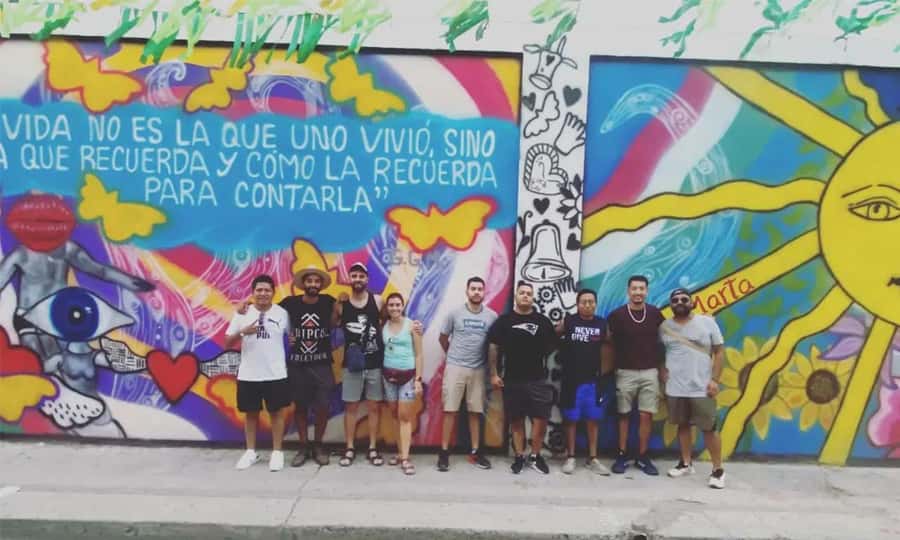
The route description also refers to notable architecture and Gabriel García Márquez murals. These details may appear during the walk, but they are not listed as separate stops, so you should not expect a dedicated mural tour.
More food tours:
- Santa Marta Street Food Tour: 7 Tastings with a Local Guide
★ 5.0 · 39 reviews - Medellin: Comuna 13 Graffiti Tour, Cable Car & Street Food
★ 4.8 · 9,046 reviews - Medellín: Comuna 13 True Story and Street Food Tour
★ 4.9 · 1,779 reviews - Cartagena: Guided Street Food Tour with Tastings
★ 4.9 · 833 reviews
Los Novios Park, where the evening gathers
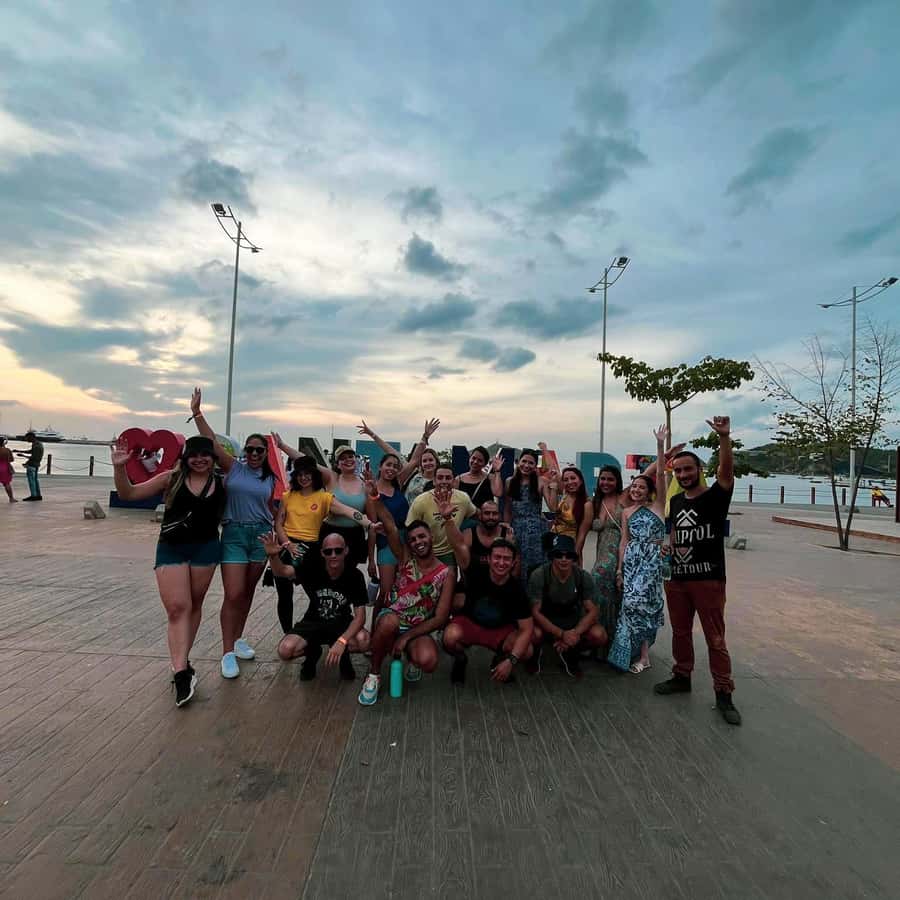
Los Novios Park receives the longest scheduled stop, 45 minutes. That tells you something about its importance. The park is presented as a social and cultural center, with stories of romance, local legends, restaurants, pubs, and clubs nearby.
This is likely the most useful stop if you want ideas for the rest of your evening. The guide can point out the character of the surrounding dining and nightlife area, helping you decide where to return after the tour. The experience is not simply a historical walk. It also gives you a quick introduction to the modern center and its places to eat and drink.
The timing here may also explain why the total experience can run longer than two hours. A full 45-minute stop, combined with the museum, cathedral, churches, cemetery, and tastings, is difficult to fit into the advertised duration without hurrying.
The food tasting is tied closely to this part of the city. Planned samples include lulo in more than one form, such as juice or an artisanal preparation. Lulo has an important place in Colombian food culture, and tasting it during a guided walk is more useful than simply ordering an unnamed fruit drink. You get a small lesson in how local ingredients are used.
Iglesia San Francisco and San Miguel Cemetery
Iglesia San Francisco comes next as a shorter 15-minute stop with time for photos and a guided visit. Compared with the cathedral, this church offers a chance to see another side of Santa Marta’s religious architecture. Since the time is limited, the guide will probably focus on key points rather than a full art-historical explanation.
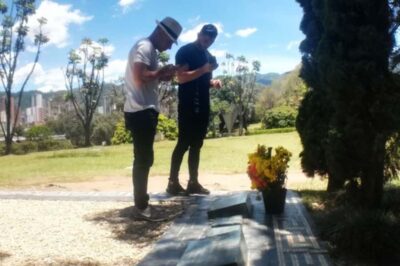
San Miguel Cemetery is scheduled for 20 minutes and also includes a photo stop. Cemeteries can tell you a great deal about a city’s families, religious customs, and public memory, but this stop may not suit everyone. If you enjoy local history and unusual urban details, it adds variety. If you want only food and major monuments, it may feel like a detour.
The inclusion of both churches and the cemetery makes the walk broader than a standard sightseeing loop. You are not seeing only the postcard landmarks. You are also being asked to notice how Santa Marta remembers its past through religious buildings and burial grounds.
The food stops: ceviche, fruit, lulo, and empanadas
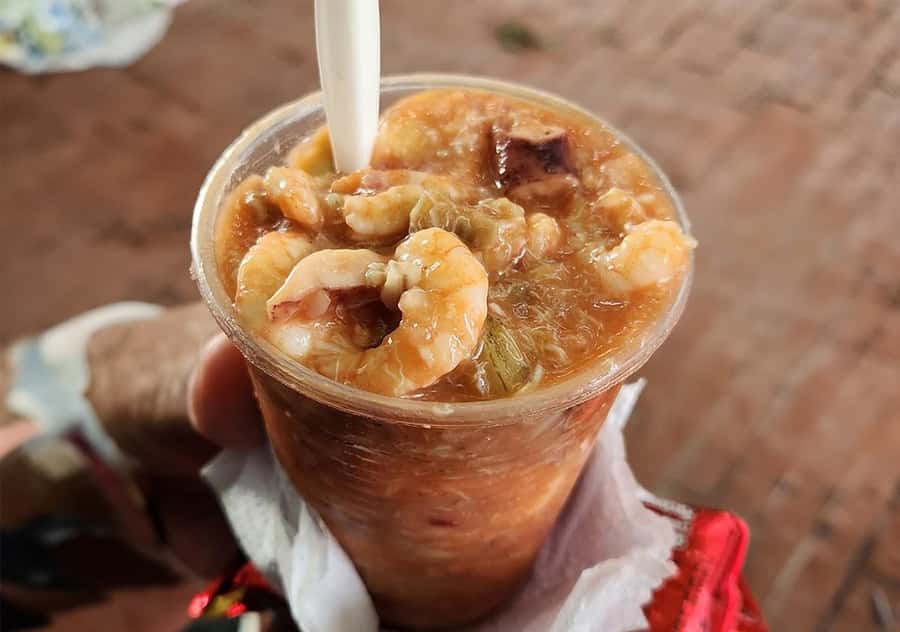
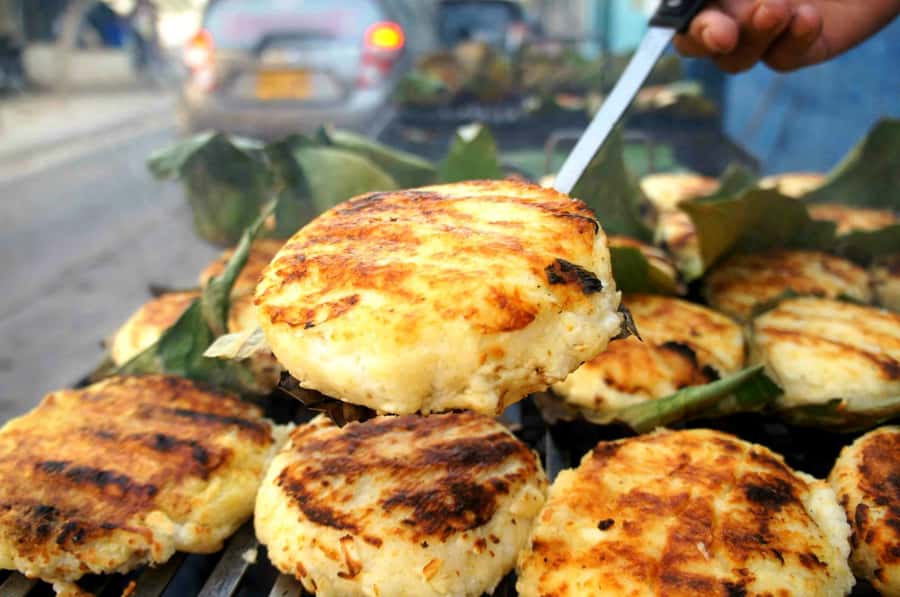
Food is a major reason to choose this experience, but you should keep your expectations realistic. The planned tasting menu includes Colombian-style ceviche, an exotic fruit juice, lulo, and an empanada. A local drink is included in the stated inclusions.
The fruit stop may feature guanábana, maracuyá, and zapote. These flavors can be more interesting than a standard soft drink, particularly if you have not tried Colombian fruit before. Lulo has a sharp, distinctive taste and may be served as juice or in another local preparation.
Ceviche is planned at a local spot and is described as using fresh seafood with Colombian flavors. However, one recent outing could not include the ceviche because the venue was closed, and no replacement tasting was arranged. That is the clearest weakness in the food part of the experience. Ask what substitutions are offered if a food stop is unavailable.
The empanada stop is a practical finish. Empanadas are a familiar part of Colombian street food, and the tour gives you a chance to try one with local filling or seasoning. Do not expect a full meal. These are tastings, not a restaurant crawl, so you may still want dinner afterward.
What the guide can add to the walk
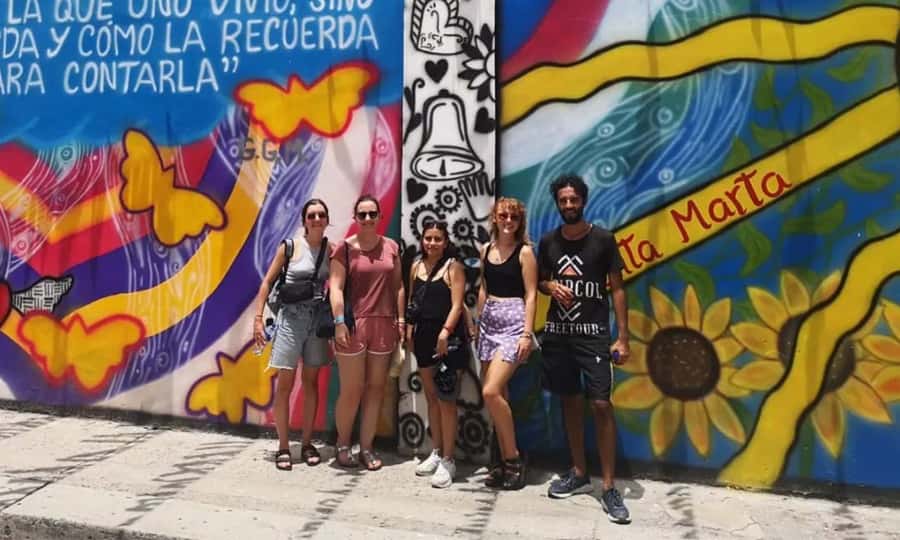
A strong guide is especially important on a short city tour. The route includes many stops, and the value comes from the connections between them. A good explanation can turn a square, church, or old house into part of a larger story. A rushed explanation can make the same route feel like a checklist.
Sergio is singled out for being personable, careful, and well informed. He also helped one guest with questions about the area after the scheduled tour and offered ideas for other things to do. That kind of practical local guidance can be worth a lot during your first day in Santa Marta.
You should feel comfortable asking basic questions. One of the most useful features of a guide-led walk is the chance to ask where to eat, what to see next, or how the city’s history connects to the Sierra Nevada. The tour is offered in English and Spanish, so confirm your preferred language when booking.
The two-hour promise and the real pace
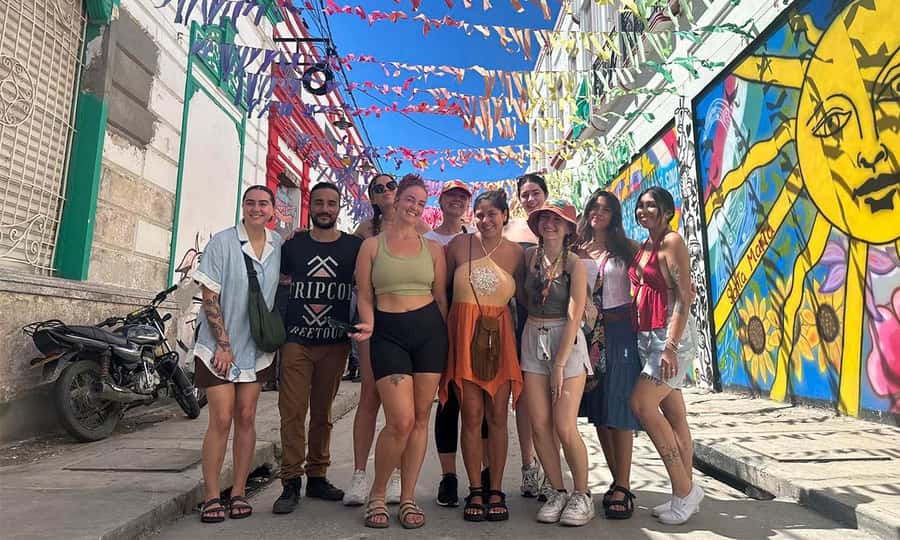
The advertised duration is two hours, but the listed stop times total about 190 minutes before allowing for walking and food. One experience lasted close to four hours, while two others felt unusually brief and hurried.
That inconsistency matters at $56 per person. If you want a compact orientation before exploring on your own, a fast version may work. If you want time inside the museum, thoughtful explanations, and all the tastings, you should be prepared for a longer outing.
Ask three simple questions before starting:
- How long will the museum visit last?
- Which food stops are open today?
- Is the tour expected to finish in two hours or continue longer?
The answers will help you plan dinner, transport, and any evening plans near Los Novios Park.
Is $56 a fair price?
The price is high for a two-hour walking tour, particularly when the food consists of small tastings and the route stays within the central area. The cost makes more sense if you receive a careful museum visit, a strong guide, several food samples, and enough time at the major landmarks.
The price also depends heavily on the guide. Sergio’s personal approach and willingness to help beyond the formal route add value that is hard to measure on a schedule. On the other hand, a rushed outing with a closed ceviche stop would make the price difficult to defend.
I would compare this with what you want from your first hours in Santa Marta. If you value context, questions, and a guided introduction to both Indigenous culture and colonial buildings, the tour may save you time and confusion. If you mainly want inexpensive street food, you can likely spend less exploring the center independently.
Who should book this experience?
I would recommend it most to first-time visitors who want a quick introduction to Santa Marta’s central landmarks. It suits people who like history but do not want a long museum lecture, and it gives food-focused visitors several local flavors to try.
It also works well for anyone who wants practical evening ideas around Los Novios Park. Families and older visitors should consider the heat, walking pace, and number of outdoor stops. The late afternoon departure may be the better choice.
I would be more cautious if you have a strict two-hour schedule or are booking mainly for ceviche. The food stop is not guaranteed in practice, and the timing can change. I would also hesitate if $56 feels high for a walking tour unless the museum access and guide quality are priorities.
Should you book the Santa Marta Historical and Street Food Experience?
Book it if you want a guide to connect Santa Marta’s colonial buildings, Tayrona culture, religious sites, public squares, and local snacks in one central walk. The museum, the range of landmarks, and the chance to ask Sergio or another guide practical questions are the strongest reasons to go.
Before paying, confirm the exact duration and tasting plan. If every stop is operating and you prefer a slower afternoon walk, the experience can be a useful first look at the city. If you need a short, predictable outing at the lowest possible cost, this is not the safest choice.
FAQ
Where does the tour start?
The tour starts at the Tairona Gold Museum, located in Casa de la Aduana.
Where does the tour finish?
The tour has two possible drop-off points: Parque de los Novios or the Tairona Gold Museum at Casa de la Aduana.
How long is the experience?
The stated duration is two hours. The scheduled stops add up to longer than two hours, and one experience lasted close to four hours, so you should confirm the expected finish time.
What languages are available?
The tour is offered with a live guide in English or Spanish.
Is entry to the museum included?
A guided tour inside the museum is included.
What food and drinks are included?
The experience includes a local drink. Planned tastings include ceviche, exotic fruit juice, lulo, and an empanada.
Which historic places are visited?
The route includes the Tairona Gold Museum, Simón Bolívar Park, Camellón Rodrigo de Bastidas, the Cathedral Basilica of Santa Marta, Los Novios Park, Iglesia San Francisco, and San Miguel Cemetery.
Is cancellation allowed?
You can cancel up to 24 hours in advance for a full refund.
Do I have to pay when booking?
The reserve now and pay later option allows you to hold a place without paying immediately.
More Historical Tours
- Trekking History and Indigenous Heritage in Minca + Cacao & Coffee + Waterfall
★ 4.9 · 63 reviews - Cartagena: Historic Center and Getsemaní Shared Walking Tour
★ 4.9 · 2,716 reviews - Shared Tour Cali’s Historical Downtown
★ 4.8 · 143 reviews - Medellín: History & Local Life Essentials Tour on an E-Bike
★ 4.9 · 130 reviews
Just added around Santa Marta
- Santa Marta: Museum of the Sea and Playa Blanca Beach Tour★ 4.8 · 3 reviews
- Minca, Marinka Waterfall & Hostel Sierra Minca★ 4.7 · 3 reviews
- Diving Santa Marta & Tayrona for Certified Divers (2 tanks)★ 3.9 · 3 reviews
- SANTAMARTA: TOUR Remanso, Taganga, Playa Grande Lunch and Snorkeling Included★ 3.5 · 4 reviews
- From Santa Marta: Marinka Waterfalls 4×4 Tour with Transfer★ 3.8 · 4 reviews
- SANTA MARTA: Tour to Playa Inca Inca with Lunch★ 3.2 · 4 reviews
- Tour en Velero a Bahía Concha Parque Tayrona★ 3.5 · 4 reviews
- Tayrona Park & Playa Cristal★ 3.8 · 4 reviews
Historical Tours, compared.
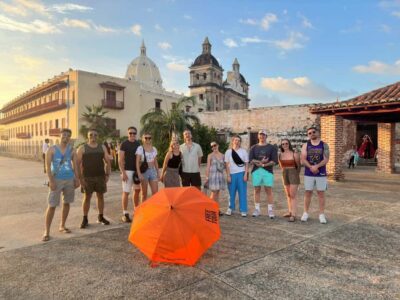
Historic Center and Getsemaní Shared Walking Tour
Read our review →
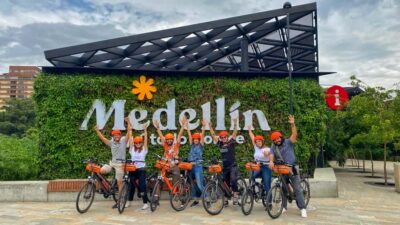
History & Local Life Essentials Tour on an E-Bike
Read our review →
Historical Shared Tour Salsa, Graffiti & Resistance in Cali
Read our review →
Shared Tour of Bogota’s Historic Downtown (La Candelaria)
Read our review →
Browse the lists this tour appears in