
Reviewed · COFFEE FARM TOURS
Trekking History and Indigenous Heritage in Minca + Cacao & Coffee + Waterfall
Coffee, cacao, and Tayrona trails share one morning. I like the way this Minca outing connects a moderate jungle hike with living Indigenous traditions, rather than treating nature and culture as separate stops. I also like the visit to an Arhuaco family farm, where coffee and cacao are explained through both production and Indigenous beliefs.
The main consideration is the physical effort. The route takes about four to five hours and is rated medium, with uneven nature trails and enough walking to require decent fitness. The waterfall may be available along the way, but it is not wise to treat a swim as guaranteed.
In This Review
- Key points before you book
- Starting in Minca Central Park
- Walking the old Tayrona-connected trails
- Meeting an Arhuaco family at Cabanas Bosque Cacao
- Why the cacao and coffee tasting matters
- Ending beside a Minca waterfall
- What the $41 price really covers
- Who will enjoy this outing most
- Practical preparation for the 4.5-hour route
- Should you book the Minca heritage trek?
- FAQ
- Where does the tour begin?
- Where does the activity finish?
- How long does the experience last?
- What languages are available?
- Is transportation from Santa Marta included?
- Is food included?
- Do I need to bring a swimsuit?
- Is the hike difficult?
- Who cannot join this activity?
Key points before you book
- Meet at Minca Central Park: The guide meets you by the central chapel, and the activity finishes at the same place.
- Follow trails linked to Tayrona heritage: The walk provides context about the Kogui, Wiwa, Arhuaco, and Kankuamo peoples.
- Visit an Arhuaco cacao and coffee farm: You learn how both crops are grown, processed, tasted, and understood within the community’s worldview.
- English and Spanish guides: Guides such as Jorge, Andres, and Santiago have been praised for keeping the outing informative, social, and easy to follow.
- Cool off at a natural waterfall: Bring swimwear, since a waterfall may appear on the route and offers a welcome break after walking.
- The $41 fee supports local projects: Part of the value is the direct contribution to Indigenous community development.
Starting in Minca Central Park
Your meeting point is simple: Minca’s Central Park, beside the central chapel. That makes this a useful first activity in town, since you do not need to find a distant farm or arrange a separate pickup before the walk begins.
Transportation is not included. If you are coming from Santa Marta, you need to arrange your own ride to Minca, although the operator can provide contact information for a private driver. The tour itself begins and ends in the park, so you are not left searching for a new return point after the hike.
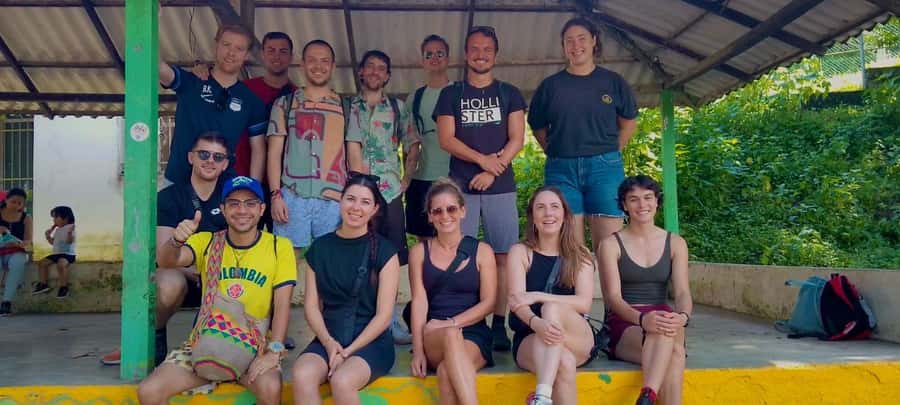
The guide is an important part of the morning. The outing is offered in English or Spanish, and the best reports single out Jorge, Andres, and Santiago for making the information friendly rather than formal. Jorge, in particular, is praised for sharing useful suggestions about the wider Santa Marta area, which can help if Minca is your first stop in the region.
Expect a small-community feel rather than a polished sightseeing machine. The guide leads you along trails, explains what you are seeing, and helps connect the forest to the people who have lived with it for generations. If you want a fast walk with little conversation, this may feel too talkative. If you want context, that is the point.
More coffee farm mornings we have written up:
- Santa Marta: Minca Coffee, Cocoa, & Waterfall Full-Day Trip
★ 4.6 · 102 reviews - Minca: Full-Day Coffee and Cocoa Tour from Santa Marta
★ 4.5 · 61 reviews - Cacao and Coffee Tour
★ 4.5 · 24 reviews
Walking the old Tayrona-connected trails
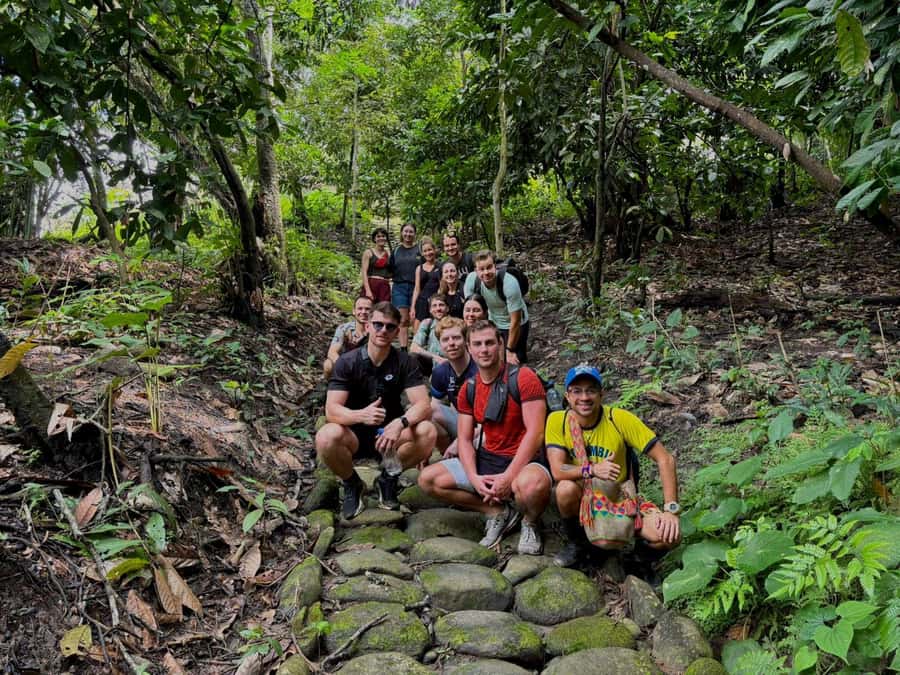
The first major part of the outing is the trek through Minca’s natural surroundings. The route follows trails linked to the legacy of the Tayrona people and introduces the Indigenous groups descended from that wider cultural tradition: the Kogui, Wiwa, Arhuacos, and Kankuamos.
This is not presented as a museum lesson. The value comes from seeing how the forest, crops, water, and community life fit together. You learn that Indigenous knowledge is not limited to the past. It continues in how people relate to nature, manage land, understand plants, and maintain cultural practices through social change.
The walk also provides a look at Minca’s ecological variety. Native vegetation and different species appear along the route, although the exact plants and animals you see will depend on the day. Your guide helps explain the connection between the ecosystem and traditional practices, giving the hike more purpose than simply following a pretty trail.
The medium difficulty rating matters. You should wear proper walking or hiking shoes, not smooth-soled sandals. Hiking pants, a hat, sunscreen, biodegradable insect repellent, and a reusable water bottle are sensible choices. The tropical setting can feel warm, and trails may be uneven. Rain does not automatically cancel the activity, so light weather protection is worth considering.
This is also a place to slow down. The walk is not only about reaching the farm. You are given time to ask questions and notice how Minca changes as you move away from the park. I would plan this for a morning when you are happy to listen, walk steadily, and accept that the pace may follow the terrain rather than a strict timetable.
Meeting an Arhuaco family at Cabanas Bosque Cacao
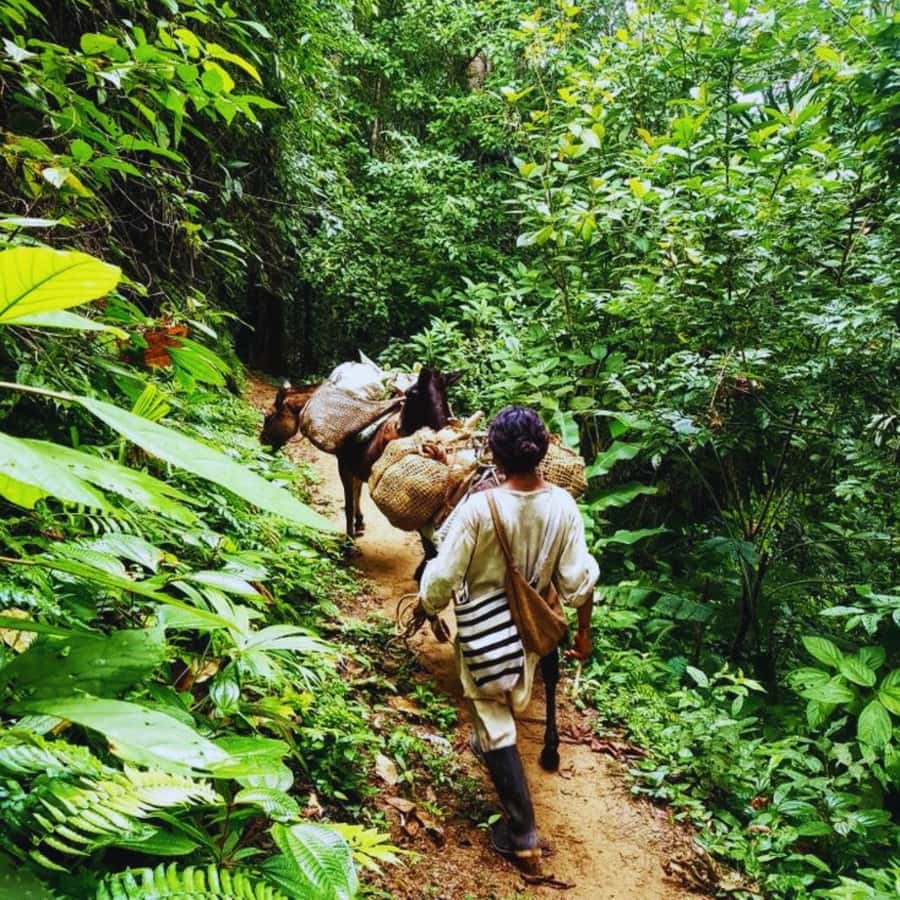
The destination is Cabanas Bosque Cacao, a coffee and cacao farm managed by an Arhuaco family. This is the cultural center of the outing, and it gives the earlier trail conversation a practical setting.
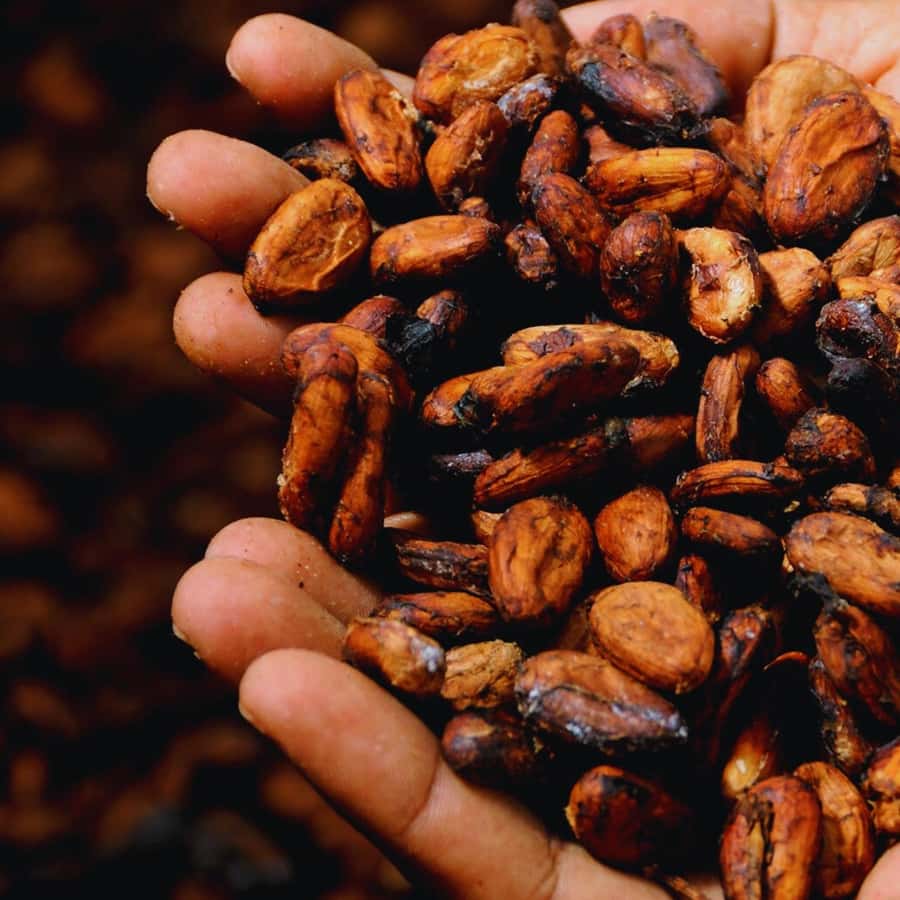
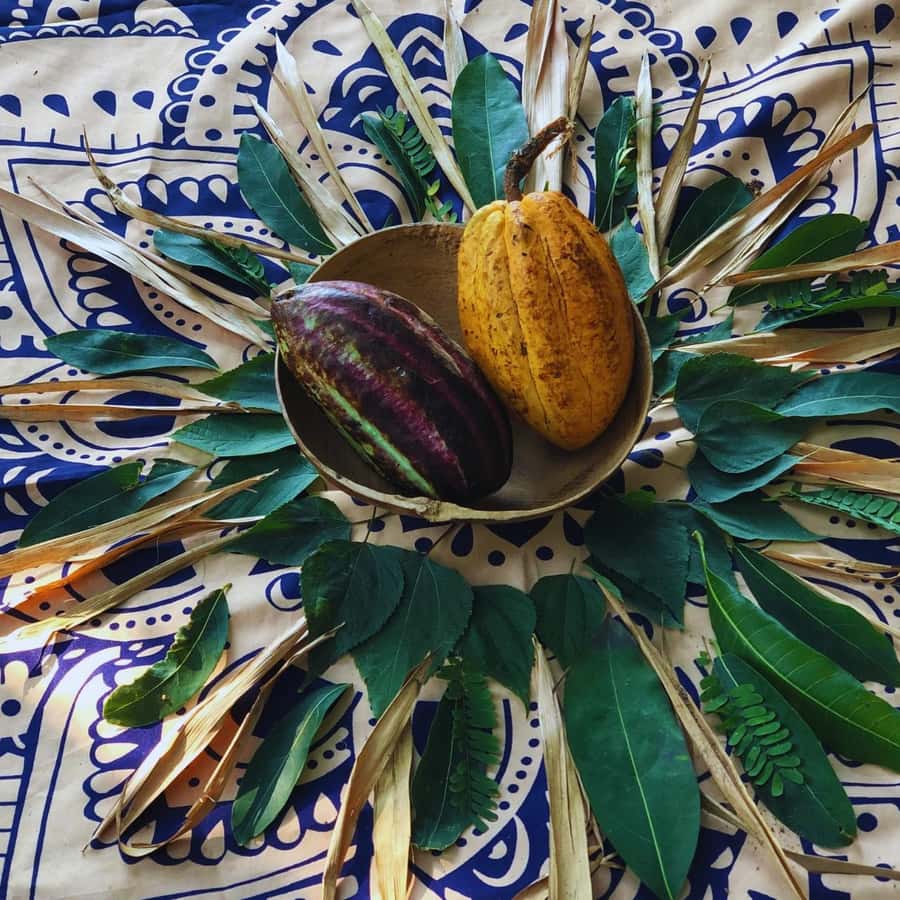
At the farm, you learn about cultivation and the steps that turn the crops into products people drink and eat. The program includes traditional cacao and coffee tasting, along with an explanation of how these products are used and understood within the Indigenous worldview.
That combination is what makes the farm visit more useful than a standard coffee stop. You are not only hearing about flavor or production. You are also hearing about family life, land, tradition, and the ways Indigenous communities have responded to sociocultural changes in their territory.
The visit is described as personal and welcoming. One especially useful detail is that the family’s son explained the process in English during one visit, which helped make the conversation accessible for English-speaking visitors. Since the tour has bilingual guides, you can expect the guide to help with translation when needed, but the level of direct conversation may vary.
Do not expect a large commercial plantation with a long visitor center and a set of polished displays. The appeal is the family connection and the chance to speak with members of the community. That also means you should arrive with patience and respect. Listen carefully, follow the family’s instructions, and ask questions without treating cultural practices as a performance arranged solely for visitors.
The fee includes a direct contribution to Indigenous community projects. That gives the $41 price more weight than a simple transport-and-sightseeing calculation. You are paying for a guide, a half-day activity, tastings, access to the farm, and assistance insurance, while also helping support community work.
Why the cacao and coffee tasting matters
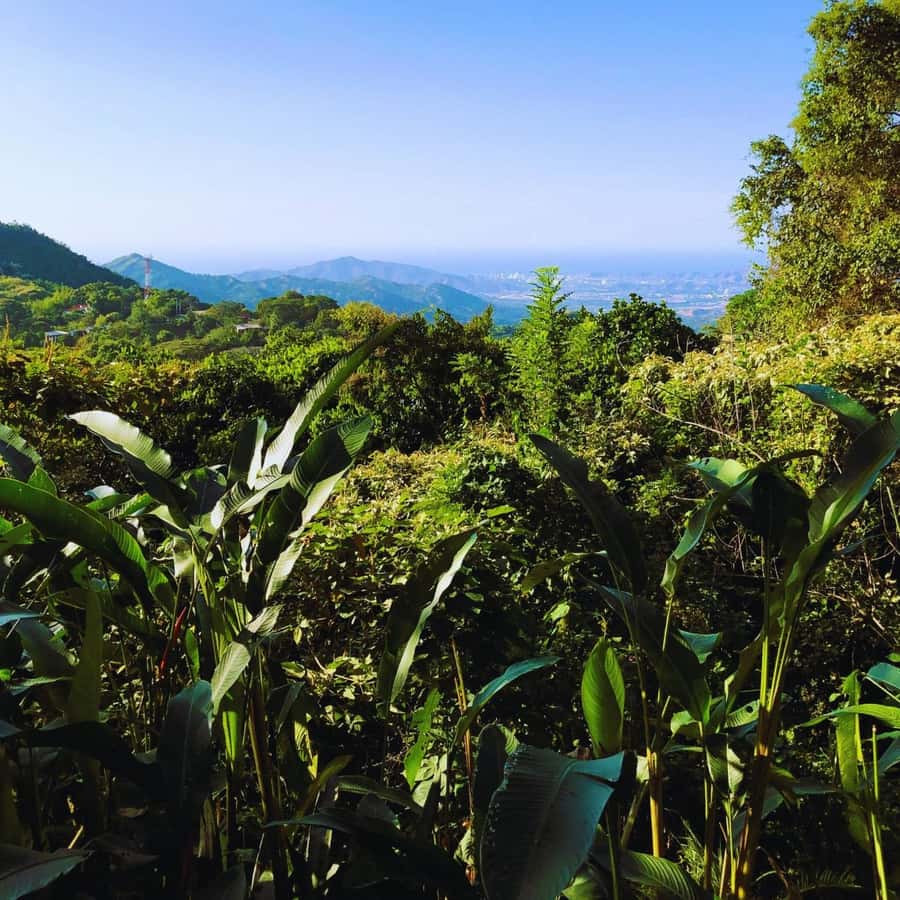
Coffee and cacao are easy to enjoy without thinking about their origins. This visit adds the missing steps. You see that each product begins with farming decisions, local knowledge, labor, and a relationship with the soil and climate.
The tasting is traditional, but the information around it is just as important. Your guide and the family explain cultivation, transformation, and use. That helps you understand why cacao and coffee matter in Minca beyond their role in a cup or snack.
I would pay close attention during this part, even if you are not a serious coffee drinker. The farm visit gives you a better sense of how food traditions connect with identity. It also shows how a community can share its work with visitors while directing some of the income toward sustainable local projects.
The experience does not promise a full meal. Food and beverages beyond the included tasting are not included, so eat beforehand or carry what you need within the operator’s rules. A reusable water bottle is specifically recommended. Keeping supplies light is wise on a walking tour, but you should not set out without water.
More Minca trips up the hill:
- Santa Marta: Trekking in Minca Complete Waterfall Circuit
★ 4.4 · 28 reviews - Coffee, Cocoa and Trekking Tour in Minca: Nature, Crops and Production
★ 4.7 · 21 reviews - Sierra Minca Day Tour
★ 5.0 · 10 reviews - Minca: Hidden Waterfall + Coffee and Cocoa Workshop
★ 4.9 · 6 reviews
Ending beside a Minca waterfall
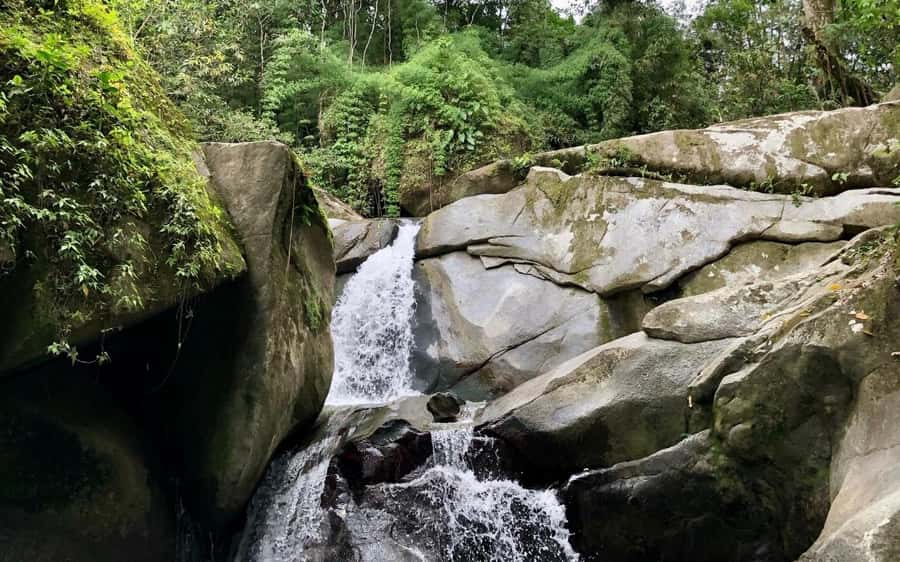
The final reward is time at a natural waterfall. The exact wording matters here: you may encounter a waterfall along the way, so bring a swimsuit, but the availability of a swim should not be treated as certain.
If conditions allow, this is a welcome pause after the trail and farm visit. A cold-water swim can reset your energy before returning to Minca, and the setting gives the tour a quiet ending. One account describes the waterfall as a good place for a cooling swim after walking down, which captures the practical appeal.
Bring a towel or a change of clothes if you plan to get wet, although those items are not listed as included. Biodegradable sunscreen and insect repellent are strongly recommended, especially in a natural water setting. Follow the guide’s instructions and leave no rubbish behind.
The rules are basic but important: no alcohol or drugs, no intoxication, no weapons or sharp objects, no nudity, and no littering. Cultural respect also matters. This is not just a swimming hole on a free-for-all outing. You are moving through a community area, so behave as you would when visiting someone’s home.
What the $41 price really covers
At $41 per person, this is a fair value for a four-and-a-half-hour activity if you want several elements in one morning. The price covers a specialized local guide, the heritage hike, the farm visit, cacao and coffee tasting, time with the Arhuaco community, access to a natural waterfall, and assistance insurance.
It does not cover food, extra drinks, or transportation to and from Minca. Those exclusions are easy to overlook if you are staying in Santa Marta, where the trip to the mountain village requires separate planning. Add that transport cost to your budget before deciding.
The strongest value comes from the mix. A simple hike may cost less, and a farm visit on its own may offer more time for tasting. Here, you get nature, cultural explanation, a family-run farm, and a possible swim in one half-day outing.
The community contribution also matters. Money goes toward sustainable community projects, so the purchase has a local purpose beyond the immediate activity. Still, you should book this because the content suits you, not only because the fee supports a good cause. The pace, physical effort, and cultural focus need to match your interests.
Who will enjoy this outing most

I would recommend it to adults and children aged 12 or older who enjoy walking and asking questions. It suits anyone who wants a first look at Minca that goes beyond scenery, especially if you are interested in coffee, cacao, Indigenous heritage, and local environmental practices.
It is also a smart choice for an early day in Minca. Jorge has been praised for offering useful advice about Santa Marta and the surrounding area, so a good guide may help you shape the rest of your stay.
This is not suitable for wheelchair users because the activity takes place on nature trails. It is also not intended for children under 12 or people over 95. The medium difficulty makes good physical condition important, though the supplied information does not give a distance or elevation figure.
You should choose another activity if you want guaranteed swimming, a relaxed farm lunch, or a very short walk. The waterfall is conditional, food is not included, and the trek is a real part of the program rather than a brief stroll between vehicle stops.
Practical preparation for the 4.5-hour route
Wear comfortable clothing and sturdy hiking shoes. A sun hat, hiking pants, sunscreen, biodegradable sunscreen, insect repellent, and a reusable water bottle are all on the recommended packing list.
Take swimwear even if you are unsure about entering the water. A change of clothes and a small towel are sensible additions if your plans allow room for them. Since no food or drinks are included beyond the stated tasting, consider eating before the meeting time.
The outing runs in rain unless conditions become extreme. Minca’s weather can change, and wet trails may affect comfort and footing. Good shoes matter more than stylish ones here.
When booking, include your WhatsApp number. The operator will use it to send the activity details and meeting information. Free cancellation is available up to 24 hours before the start time, and you can reserve now and pay later, which is helpful if your Santa Marta plans are still shifting.
Should you book the Minca heritage trek?
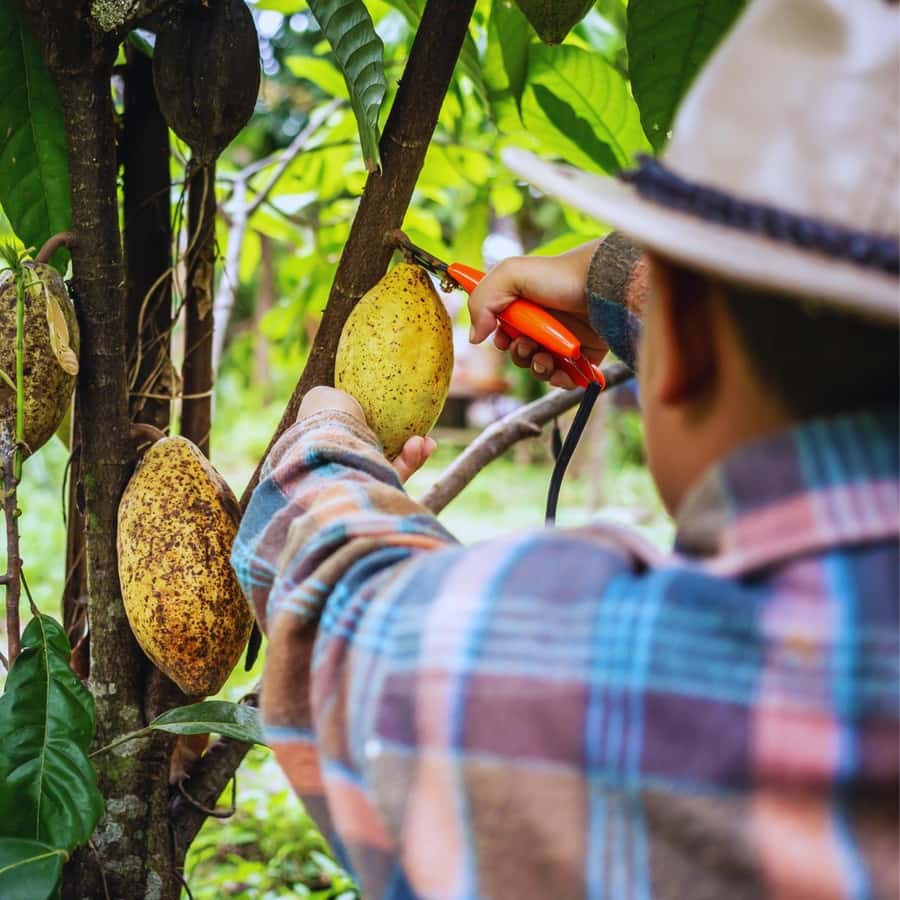
Book this tour if you want a human connection to Minca, not just a list of viewpoints. The strongest parts are the bilingual local guiding, the Arhuaco family farm, and the clear link between Indigenous culture, coffee, cacao, and the natural setting.
The tour is particularly good value at $41 when you want several experiences in one half-day. I would book it early in a Minca stay if you like having a guide who can add local context and practical suggestions.
Skip it if you dislike moderate walking, need guaranteed swimming, or prefer independent sightseeing with no fixed cultural program. For everyone else, this is a thoughtful way to meet Minca through its trails, crops, communities, and water.
FAQ
Where does the tour begin?
The tour begins at Minca’s Central Park, beside the central chapel.
Where does the activity finish?
The activity ends back at Minca’s Central Park, the same place where it begins.
How long does the experience last?
The activity lasts about 4.5 hours, with the total duration generally described as approximately four to five hours.
What languages are available?
The tour is available in English and Spanish with a live local guide.
Is transportation from Santa Marta included?
No. Transportation is not included. If needed, the operator can provide contact information for a private driver between Santa Marta and Minca.
Is food included?
No. Food and beverages are not included. The activity does include traditional cacao and coffee tasting.
Do I need to bring a swimsuit?
Yes. A waterfall may be encountered along the route, and you may have time to swim or relax there. A waterfall visit should not be treated as guaranteed.
Is the hike difficult?
The hike is rated medium, and good physical condition is recommended. Comfortable walking shoes or hiking shoes are advised.
Who cannot join this activity?
The activity is not suitable for children under 12, wheelchair users, or people over 95.
More Hiking and Trekking
- Tayrona Park Hike And Beach Day
★ 5.0 · 91 reviews - Guided Hiking through Tayrona National Park and Cabo San Juan
★ 4.5 · 73 reviews - Trekking Cerro Kennedy 2 days
★ 5.0 · 47 reviews - Tayrona Park Hike Tour to Cabo San Juan: Private or Shared
★ 4.5 · 44 reviews
More Waterfall Tours
- From Santa Marta: Marinka Waterfalls 4×4 Tour with Transfer
★ 3.8 · 4 reviews - Minca, Marinka Waterfall & Hostel Sierra Minca
★ 4.7 · 3 reviews - San Cipriano Rainforest – River, Waterfalls and Adventure Day
★ 5.0 · 73 reviews - Half Day Waterfall Tour from Medellin
★ 5.0 · 71 reviews
Just added around Santa Marta
- Santa Marta: Museum of the Sea and Playa Blanca Beach Tour★ 4.8 · 3 reviews
- Minca, Marinka Waterfall & Hostel Sierra Minca★ 4.7 · 3 reviews
- Diving Santa Marta & Tayrona for Certified Divers (2 tanks)★ 3.9 · 3 reviews
- SANTAMARTA: TOUR Remanso, Taganga, Playa Grande Lunch and Snorkeling Included★ 3.5 · 4 reviews
- From Santa Marta: Marinka Waterfalls 4×4 Tour with Transfer★ 3.8 · 4 reviews
- SANTA MARTA: Tour to Playa Inca Inca with Lunch★ 3.2 · 4 reviews
- Tour en Velero a Bahía Concha Parque Tayrona★ 3.5 · 4 reviews
- Tayrona Park & Playa Cristal★ 3.8 · 4 reviews
Coffee Farm Tours, compared.
Coffee Tour with Transport, Snacks and Tastings
Read our review →
Medellín Coffee Farm Tour with Trolley and Cable Car Ride
Read our review →
Private Cocora Valley, Salento & Coffee Farm Tour
Read our review →
Horseback Riding Coffee Farm Tour with Coffee Spa
Read our review →
Browse the lists this tour appears in