
Reviewed · COMUNA 13 & STREET ART TOURS
Historical Shared Tour Salsa, Graffiti & Resistance in Cali
Cali tells its story in rhythm. This three-hour walk connects salsa, public art, and the city’s popular cultural movements in a way that feels more meaningful than a simple sightseeing loop. I like the mix of salsa landmarks and active street art, and I also like that the guide explains music and dance as tools for community strength and unarmed resistance.
The tour costs $14 per person and visits ten locations, ending at the Cimarrón Salsa Bar. The main consideration is language: the certified guide service is in Spanish, and food, drinks, and souvenirs cost extra. Group size can reach 30, so the experience may feel less personal on a busy departure.
Guides such as Cristian and Juliana receive especially warm praise for their energy, clear explanations, and willingness to teach dance steps. Cristian may also bring instruments into the experience, turning parts of the walk into something participatory rather than a lecture.
In This Review
- What makes this Cali walk worth your time
- Starting with Jairo Varela and Cali’s salsa soul
- Art, architecture, and the city center
- Calle del Sabor and the meaning of popular culture
- Beneficencia and Calle de la Escopeta
- Football, public art, and the final salsa stop
- What the $14 price really covers
- Timing, group size, and practical fit
- Who will enjoy this tour most
- Should you book Salsa, Graffiti & Resistance in Cali?
- FAQ
- How long does the Salsa, Graffiti & Resistance tour last?
- How much does the tour cost?
- Is the tour offered in English?
- Where does the tour begin and end?
- What happens if the weather is poor?
- Can I cancel for a full refund?
What makes this Cali walk worth your time
- Salsa is treated as social history, not just nightlife: You learn how music, dance, and public culture connect to Cali’s identity.
- Ten central stops create a full three-hour route: The walk moves from Jairo Varela’s musical tribute to murals, cultural buildings, public spaces, and a salsa bar.
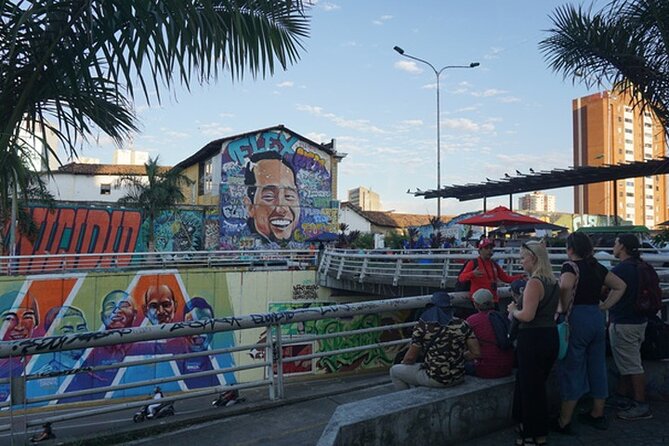
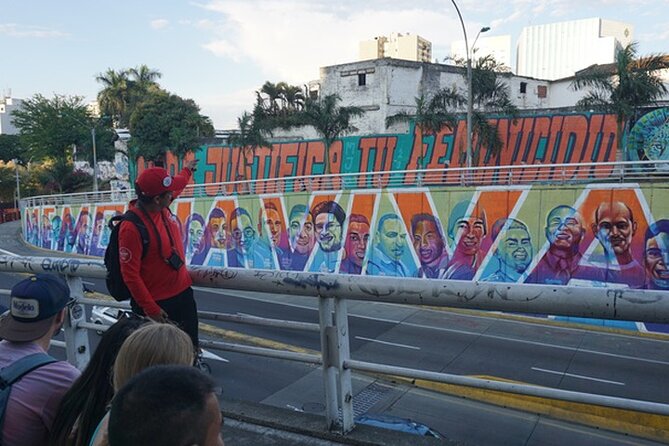
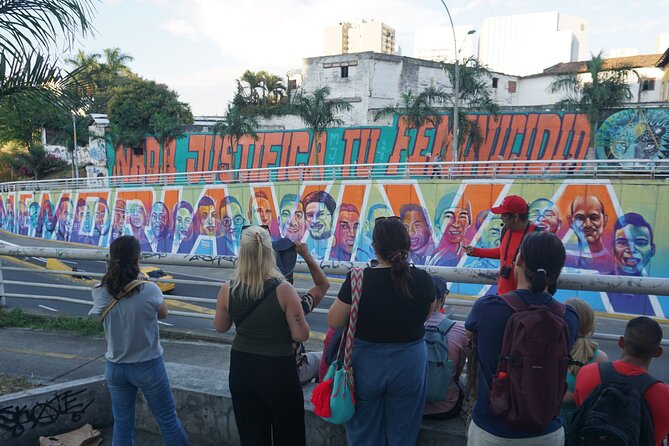
- Street art carries the political message: Calle de la Escopeta and the Túnel Mundialista show how walls can record local pride, protest, sport, and popular culture.
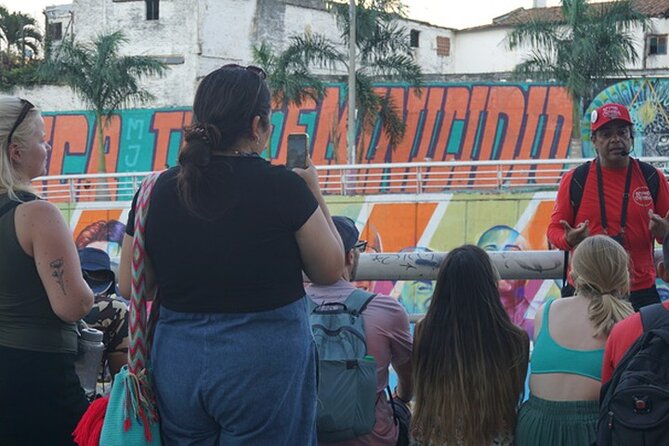
- Cristian and Juliana bring personal energy: Expect storytelling, dance instruction, and, with Cristian, the chance to play instruments.
- The finish is at a cult salsa venue: Cimarrón Salsa Bar gives you a useful place to continue the evening after the walk.
- The $14 price is strong if you value context: You receive a guide, route planning, cultural interpretation, and nightlife suggestions, though direct booking may offer a different payment arrangement.
Starting with Jairo Varela and Cali’s salsa soul
Your walk begins at Plazoleta Jairo Varela, also called Plazoleta de la Caleñidad, at Avenida 2 Norte. This public square honors Jairo Varela, one of Cali’s major salsa composers, and its surrounding murals celebrate his life and work.
It is a smart starting point because it gives the tour an immediate musical focus. You are not beginning with a generic monument or a broad city overview. Instead, the first lesson is about the sound that helped define Cali and the people who made it matter.
The stop lasts about 18 minutes and has no admission charge. That timing is enough for an introduction and some context, though not enough for a full musical biography. If you want the best start, arrive ready to listen closely and ask the guide how salsa became part of everyday Caleña identity.
From there, Parque de las Piedras offers a more open meeting place. Fountains, sculptures, spacious areas, and murals give the group room to pause while the guide links public space with music and community life.
The park is also described as a gathering place for salsa lovers. That makes it useful for understanding salsa as a shared public activity, not merely something performed inside a club. The murals add another layer by showing Cali’s cultural variety.
More Comuna 13 and street art walks:
- Shared Tour Cali’s Salsa, Graffiti & Resistance Experience
★ 4.8 · 53 reviews - Cali: Comuna 20 Siloé Street Art Tour
★ 5.0 · 4 reviews - Medellin: Comuna 13 Graffiti Tour, Cable Car & Street Food
★ 4.8 · 9,046 reviews
Art, architecture, and the city center
The Departmental Institute of Fine Arts shifts the focus from street walls to an established cultural institution. Its program includes painting, sculpture, and photography, and the building helps explain how local visual art relates to music.
This is a good change of pace during a walking tour. Ten salsa-related stops could easily become repetitive, but this section widens the subject. You get a look at the city’s formal art scene and how it sits alongside popular music and public expression.
Again, the planned visit lasts about 18 minutes. The supplied details do not promise entry into a specific exhibition, so think of this as a cultural stop and exterior or introductory visit rather than a guaranteed museum tour.
Next comes La Curva del Boulevard, known for nightlife and dining. Murals cover building facades here, and the area gives you a chance to connect food, evening entertainment, and public art.
A typical dish is not included in the tour price. You can admire the setting and ask for suggestions, but you should budget separately if you want to eat along the route. This is an important distinction because the stop may make you hungry, especially if you are walking around meal time.
The Edificio Boulevard del Río Emcali brings a more modern note. Its architecture reflects Cali’s urban development, and the viewpoint offers a panorama toward the city and the Cali River.
A view can help you organize what you have seen on foot. After several close-up murals and crowded cultural spaces, a higher outlook gives the city a wider frame. The details do not specify the viewpoint’s access arrangements, so ask your guide what you can enter and see on the day.
Calle del Sabor and the meaning of popular culture
Calle del Sabor is presented as the heart of Caleña salsa. Bars, restaurants, themed shops, and murals about musicians, dancers, and popular culture make this one of the route’s most direct encounters with the city’s nightlife identity.
The value here is not only visual. You are seeing places connected to the music you have been discussing, and the guide can point out where salsa culture continues beyond a historical story. The area may also help you decide where to return later, since the tour includes recommendations for respected salsa bars.
The phrase popular cultural revolution matters on this walk. The experience is built around the idea that ordinary people use music, dance, murals, and gathering spaces to express pride and claim a voice. That framing gives the route more weight than a quick mural hunt.
The tour’s resistance theme is especially useful for first-time visitors. You learn that public art can carry memory and protest, while salsa can offer belonging and collective confidence. Cristian is praised for explaining this connection with warmth and humor, rather than turning the subject into a dry classroom talk.
If you are hoping to dance, the tour may include basic steps. One account specifically praises the guide for teaching dance moves, and another describes a crash course in salsa survival skills. These are introductory lessons, not a full dance class, but they make the music easier to understand with your own body.
Beneficencia and Calle de la Escopeta
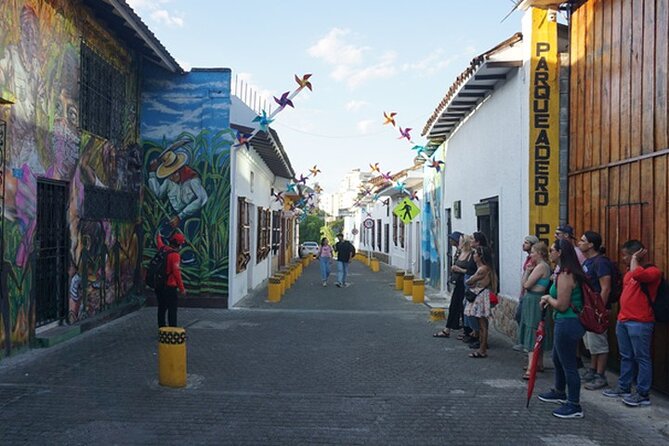
Beneficencia del Valle del Cauca adds a historic architectural setting to the route. The colonial building now houses cultural spaces, including art exhibitions, music presentations, and events linked to Cali’s heritage.
This stop helps connect old architecture with current cultural use. It also keeps the tour from treating Cali as only a party city. You see how heritage buildings can support exhibitions and performances, giving local culture a physical home.
The next stop, Calle de la Escopeta, returns you to open-air art. Its colorful facades are covered with murals, making the street a working canvas for local artists.
This is one of the clearest places to think about who gets to tell a city’s story. A formal institution presents art in a controlled setting. A mural-covered street puts expression directly into daily public life. The contrast is one of the tour’s strengths.
Murals can change over time, and street art is never as fixed as a museum collection. Your guide’s explanation therefore matters. Without context, you may see only bright walls. With the story behind them, you can notice references to identity, resistance, local talent, and shared memory.
More history-led tours:
- Shared Tour Cali’s Historical Downtown
★ 4.8 · 143 reviews - Cali: Walking tour of the historic center
★ 5.0 · 69 reviews - Chiva Private Cultural Tour with Audio Guide in Buga
★ 5.0 · 49 reviews - Cali: Walking tour of the historic center
★ 4.9 · 18 reviews
Football, public art, and the final salsa stop
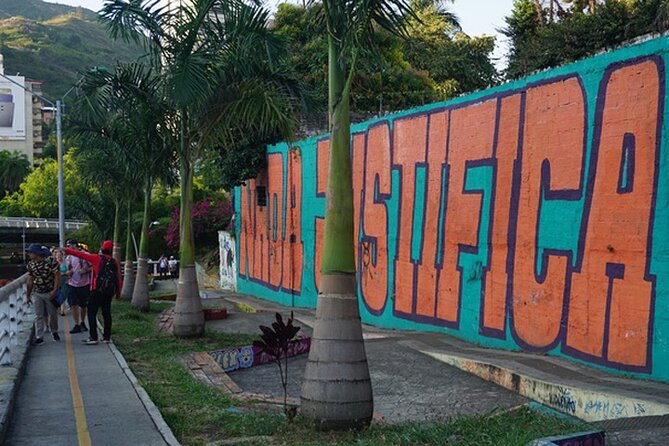
The Túnel Mundialista brings football into the route. Murals celebrate the sport and local culture, turning the tunnel into a colorful passage and a meeting place for fans.
This stop broadens the idea of what popular culture means in Cali. Salsa is the main thread, but football also gathers people around shared emotion and local pride. The murals give the guide another chance to explain how public art records the subjects people care about.
The walk ends at Cimarrón Salsa Bar on Calle 4 in the Normandia Sebastian de Belalcazar area. This is more than a convenient endpoint. It gives the tour a practical finish, since you can continue with music, dance shows, and the atmosphere of a local salsa venue.
Admission to the tour is not the same as paying for drinks or anything you order at the bar. Plan to cover those costs yourself. The precise format of live music or shows can vary, so it is best to treat the venue as a recommended final stop rather than a guaranteed full evening program included in your ticket.
The ending also makes the route useful for trip planning. You finish with a specific nightlife suggestion instead of a vague instruction to find salsa later. If you are new to Cali, that can save time and help you choose your first evening out.
What the $14 price really covers
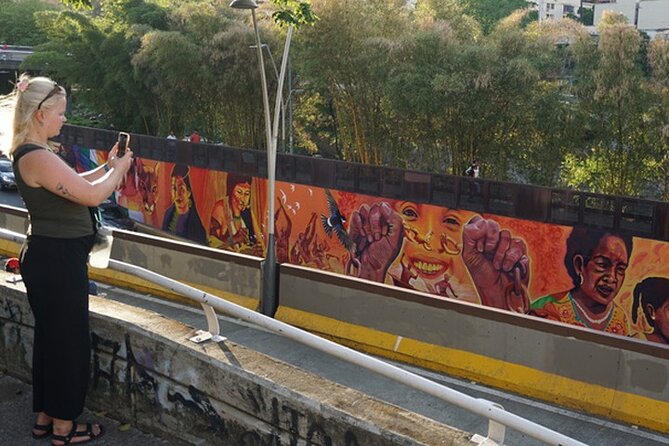
At $14, the tour offers good value if you want a guided introduction to Cali’s music and public culture. The price includes a certified Spanish-speaking guide, the planned route, explanations of salsa history and popular cultural movements, street art interpretation, salsa-bar recommendations, and possible benefits with recommended local partners.
All ten stops have free admission listed. That means you are paying mainly for interpretation and organization, not entry tickets. The guide is the part that determines the tour’s quality, and the strongest feedback centers on Cristian, Juliana, and the friendly, high-energy way they handle the group.
There is one pricing point you should check carefully. One booking experience described this as a free walking tour by Beyond Colombia and suggested booking directly, then tipping the guide, rather than paying a third-party platform. The supplied price here is $14, so compare the direct option, current terms, and expected tip before you confirm. Do not assume that every booking channel uses the same payment model.
Food, drinks, and souvenirs are not included. You may pass restaurants and bars, but the tour is not a food tour. Bring a little extra money if you want a typical dish or a drink at the final salsa bar.
Timing, group size, and practical fit
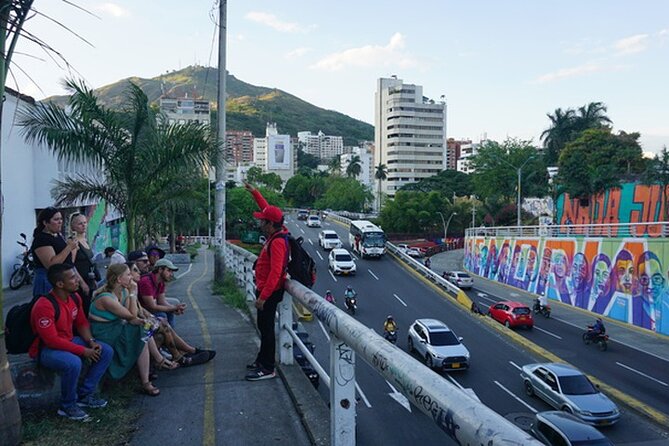
The experience lasts about three hours. Each of the ten stops is listed at roughly 18 minutes, which accounts for the full 180-minute schedule. Walking time and transitions are part of the overall experience, so wear comfortable shoes and avoid planning another fixed activity immediately afterward.
The maximum group size is 30. That is manageable for a city walk, but it can affect how easily you hear the guide or ask questions. If you prefer a quiet, highly personal tour, a private option or a smaller departure may suit you better if available.
The guide service is in Spanish. That is essential to know before booking. If you understand Spanish, you will get much more from the social and historical explanations. If you do not, dance demonstrations, murals, architecture, and the route itself still offer something, but the central value is spoken interpretation.
The meeting point is Plazoleta Jairo Varela, at Avenida 2 Norte #10 Norte-1 to 10 Norte-75 in Granada, Cali. The route ends at Cimarrón Salsa Bar, at Calle 4 #1-113 in Normandia Sebastian de Belalcazar.
The start is near public transportation, and service animals are allowed. Most people can participate, but the experience requires good weather and a minimum number of participants. If poor weather cancels the tour, you receive the choice of another date or a full refund. The same applies if the minimum group is not reached.
Free cancellation is available up to 24 hours before the start time. Changes or cancellations inside that window are not accepted for a refund, and all times follow Cali’s local time.
Who will enjoy this tour most
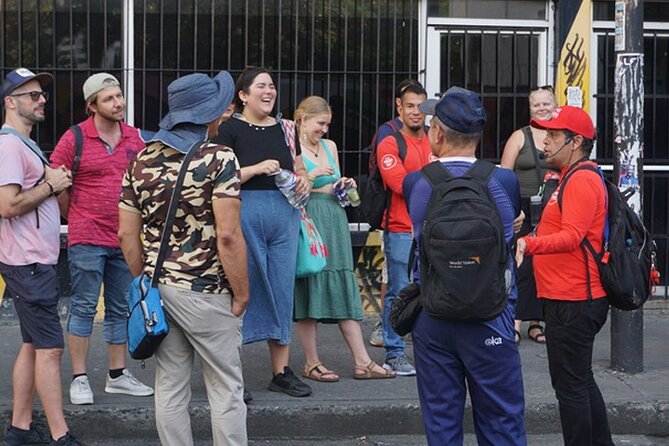
I would choose this walk if you want your first look at Cali to include music, art, and social context. It works particularly well for people who want to understand why salsa matters here, not simply find a club and watch a performance.
It also suits curious walkers who enjoy murals and public buildings. The route gives you ten separate anchors, so you can return later to Calle del Sabor, Calle de la Escopeta, or Cimarrón Salsa Bar with a better sense of place.
You should think twice if you want a dedicated dance lesson, a food-focused outing, or a small private group. Dance instruction appears to be part of the guide’s style, but it is not presented as a formal class. Likewise, the route passes dining areas without covering your meal.
Spanish ability is the biggest deciding factor. The tour’s strongest ideas concern resistance, popular culture, and Cali’s salsa story. Those ideas are much easier to appreciate when you can follow the guide’s explanations.
Should you book Salsa, Graffiti & Resistance in Cali?
Book it if you want a low-cost, active introduction to Cali that combines ten central sites with salsa instruction, murals, and practical nightlife advice. The energetic guiding style praised for Cristian and Juliana adds real value, especially if you want more than a list of monuments.
Before booking, confirm the payment arrangement, check that Spanish is suitable for you, and leave room in your schedule for food or drinks afterward. I would recommend it early in your stay, since the final bar suggestions and route can help shape the rest of your time in Cali.
FAQ
How long does the Salsa, Graffiti & Resistance tour last?
The tour lasts approximately three hours. It includes ten stops, each planned for about 18 minutes.
How much does the tour cost?
The listed price is $14 per person. Food, drinks, and souvenirs are not included.
Is the tour offered in English?
The included certified guide service is in Spanish. The available information does not confirm an English-language departure.
Where does the tour begin and end?
It begins at Plazoleta Jairo Varela, also called Plazoleta de la Caleñidad, in Granada. It ends at Cimarrón Salsa Bar in Normandia Sebastian de Belalcazar.
What happens if the weather is poor?
The experience requires good weather. If it is canceled because of weather, you will be offered another date or a full refund.
Can I cancel for a full refund?
Yes. You can cancel at least 24 hours before the start time for a full refund. Cancellations or changes made less than 24 hours before the start are not accepted for a refund.
Just added around Cali
- Cali: Two hours walking Cali City discovery tour★ 5.0 · 3 reviews
- From Cali: Whale Watching Day Trip in Buenaventura★ 4.6 · 3 reviews
- Cali: Three hours walking Cali City discovery tour★ 4.7 · 3 reviews
- Cali: Comuna 20 Siloé Street Art Tour★ 5.0 · 4 reviews
- Craft Beer Pub Crawl in Cali★ 5.0 · 4 reviews
- Cali: Pico de Loro Trekking Adventure – Farallones de Cali★ 5.0 · 4 reviews
- Private Tour on a 1100cc Cruiser Motorcycle★ 5.0 · 4 reviews
- Flavors of Cali: Food tour at the local market★ 5.0 · 5 reviews
Comuna 13 & Street Art Tours, compared.
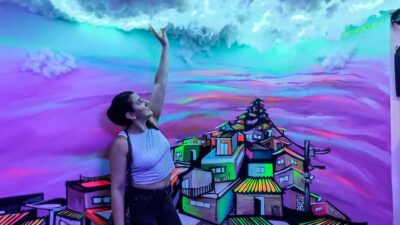
Comuna 13 Graffiti Tour, Cable Car & Street Food
Read our review →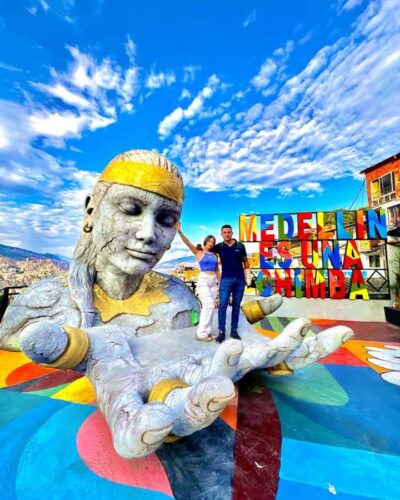
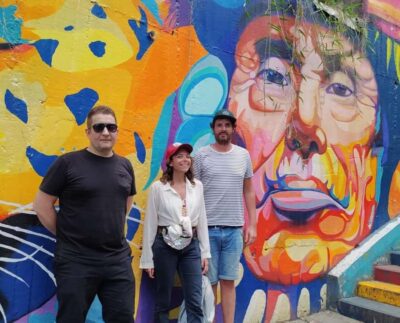
Private City Tour with Metrocable and Comuna 13
Read our review →
Comuna 13 Tour with Snacks And Your Own Graffiti
Read our review →
Comuna 13 and Graffiti Guided Tour with a Local
Read our review →
Browse the lists this tour appears in