
Reviewed · SAN FELIPE CASTLE TOURS
Tour Compartido al Castillo San Felipe de Barajas Cartagena
Cartagena’s stones still remember the fight. This 150-minute walking tour links the rebellious streets of Getsemaní with San Felipe de Barajas, the city’s great fortress. I like the route because it connects ordinary people, military power, and the struggle for independence instead of treating the castle as an isolated monument. I also like the Chocolate Museum stop, where you get a photo opportunity and a tasting before continuing uphill.
The main consideration is the walk. You cover about 7 kilometers, with several rest stops, and Cartagena is hot. The castle entrance costs an extra 33,000 COP per person, so the $12 tour price is not the full cost. The tour is in Spanish, and it is not designed for children under 10, wheelchair users, or people over 70.
In This Review
- Key points to know before booking
- Why this Getsemaní to San Felipe route works
- Plaza de la Trinidad and the rebel character of Getsemaní
- Crossing toward the fortress on foot
- San Lázaro Hill and the reason San Felipe was built here
- Inside San Felipe’s walls and tunnels
- Guides who shape the experience
- What the $12 price really includes
- Who should book this walk
- Should you book the Cartagena castle tour?
- FAQ
- Where does the tour begin?
- Where does the tour finish?
- How long does the experience last?
- Is castle admission included?
- What language is the tour conducted in?
- How much walking is involved?
- What should I bring?
Key points to know before booking
- The route begins in Plaza de la Trinidad: You start in the social center of Getsemaní, not at the castle gate.
- The tour explains resistance from both sides: Getsemaní supplies the story of rebellion, while San Felipe shows how the city was defended.
- The famous tunnels are part of the castle visit: These passages helped soldiers hear movement above and protect the fortress.
- You pay the castle entrance separately: The admission fee is 33,000 COP per person at the official booth or online.
- Spanish guides receive the strongest praise: Ronaldo, Luis Carlos, Luis Fernando, and John Serrato are specifically praised for clear, friendly storytelling.
- Bring water and good shoes: This is a long city walk with heat, crowds, and an uphill finish.
Why this Getsemaní to San Felipe route works
Many Cartagena castle visits begin at the fortress and stop when the stone walls have been photographed. This route gives you a better sense of why the fortress mattered. You first walk through the neighborhood where social pressure, inequality, and resistance helped shape Cartagena’s independence story. Only then do you reach the hill and military structure built to control the city.
I like that order. The castle is impressive on its own, but the walk gives it a human setting. You are not just looking at thick walls. You are considering who lived behind them, who worked outside them, and who had the power to decide how Cartagena was protected.
The tour is shared, so you walk with a group rather than hiring a private guide. That keeps the price low, but it also means the pace and attention will depend partly on the group. The stated duration is 150 minutes, and the route includes rest stops, but this is still an active outing rather than a gentle stroll around one plaza.
More San Felipe castle visits:
- Cartagena: Guided Tour, with La Popa Convent, and San Felipe
★ 4.4 · 599 reviews - Cartagena: BILINGUAL CITYTOUR + SAN FELIPE CASTLE & Old city
★ 4.2 · 387 reviews - Walled City, Getsemani San Felipe Castle Cartagena City Tour
★ 4.7 · 91 reviews
Plaza de la Trinidad and the rebel character of Getsemaní
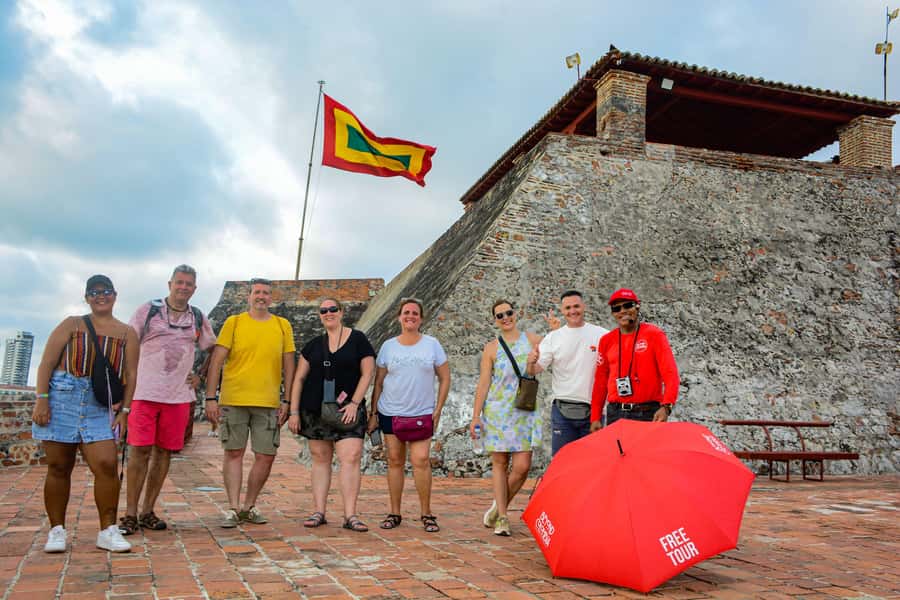
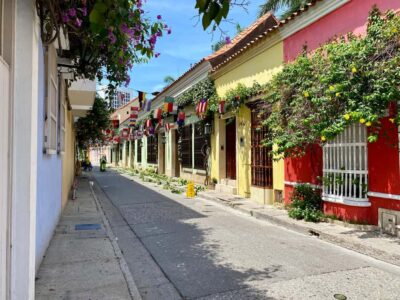
The meeting point is easy to identify: look for the red umbrellas in Plaza de la Trinidad. This square is the social heart of Getsemaní, and it is a useful place to begin because the tour’s central idea starts here. The neighborhood was home to sailors, artisans, freed Afro-descendants, and rebels, while Spanish elites lived more securely behind Cartagena’s walls.
The guide explains why Getsemaní became an engine of independence. You hear how inequality helped fuel resistance and how music, street life, and public gathering shaped the neighborhood’s identity. The point is not simply that Getsemaní is colorful. It is that its streets carry a political story.
Pay attention to the murals and cultural symbols as you walk. They help connect present-day street expression with older stories of struggle and identity. The experience is strongest when you listen for those links instead of treating the neighborhood as a quick photo stop.
The square is also an important practical starting point. You can find the red umbrellas, meet the group, and get settled before the longer walk begins. Arrive ready to walk, not dressed for a formal historical tour. Comfortable clothes and shoes make a real difference.
Crossing toward the fortress on foot
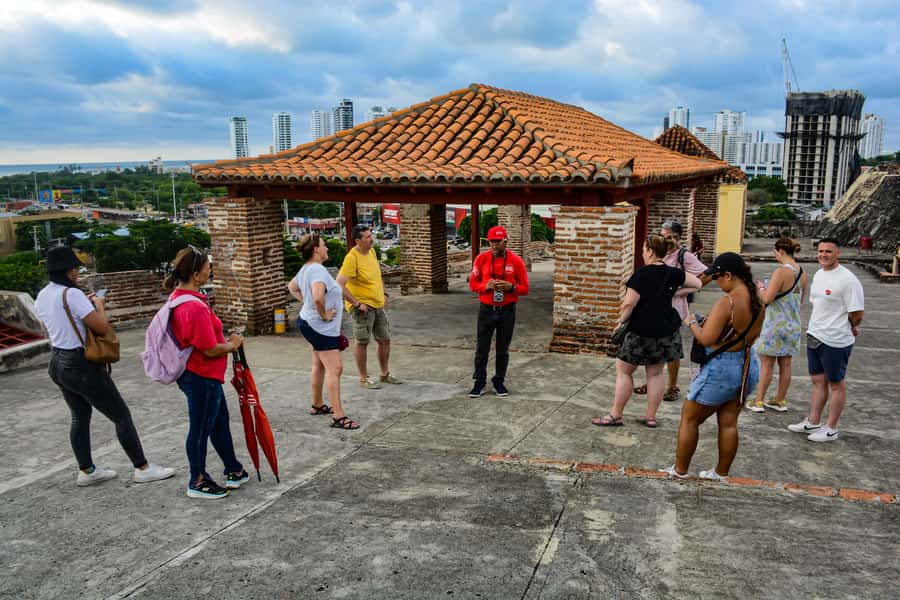
From Getsemaní, the group continues toward San Felipe, crossing by way of the Pedro Heredia Bridge. This section gives the tour a sense of movement. You are following a route between the working neighborhood and the military stronghold rather than taking transport directly to the gate.
No transportation is provided during the experience. You walk the full route, with rest stops along the way. That is good for anyone who wants to see more of Cartagena at street level, but it may feel tiring in the heat, especially if you have already spent the morning walking the old city.
The tour includes local recommendations for lunch, coffee, souvenir shops, and other places to visit. You also receive a Free Tour Map Cartagena with discounts and benefits at recommended local partners. Those extras do not replace the main tour, but they can help you plan the rest of your day.
There is also a stop at the Chocolate Museum for photos and a tasting. This breaks up the historical walk with something lighter. Still, do not count on the tasting as a meal. One useful suggestion is to carry a small snack. Nancy from Mexico specifically wished participants had been advised to bring one, and that is sound advice for a 7-kilometer walk.
San Lázaro Hill and the reason San Felipe was built here
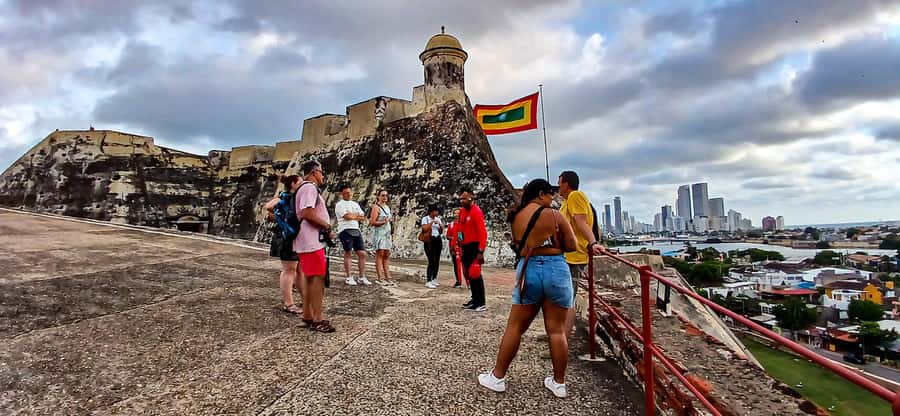
The final approach takes you to the Hill of San Lázaro, the key high point for controlling Cartagena. From here, the fortress had an important view over the city and its approaches. The location helps explain the design better than a diagram would.
San Felipe de Barajas was Cartagena’s largest fortress and main military stronghold. It was built to protect one of the most desired ports in the New World, a place repeatedly targeted by pirates and foreign empires. The hill gave soldiers a position from which they could watch and defend the city.
I find this geographic explanation especially useful. Thick walls can look impressive but abstract. Once you understand that the fortress controlled a strategic height, its size and placement make more sense. The castle was not built merely to look powerful. It was designed around sightlines, access, and defense.
The view is one of the best parts of the experience. You can look back toward Cartagena and see why this hill mattered. The viewpoint also gives you a pause before entering the fortress itself, though the exposed setting makes water and sun protection important.
A few more trips worth weighing up before you book
- Cartagena: Historic Center and Getsemaní Shared Walking Tour
★ 4.9 · 2,716 reviews - Cartagena: Rosario Islands Catamaran with Lunch and Snorkel
★ 4.5 · 2,479 reviews - Full-Day Rosario Islands Including Barú, Bocachica & Playa Blanca
★ 4.0 · 1,729 reviews - Cartagena de Indias: 2-Hour Sunset Cruise
★ 4.7 · 1,105 reviews
Inside San Felipe’s walls and tunnels
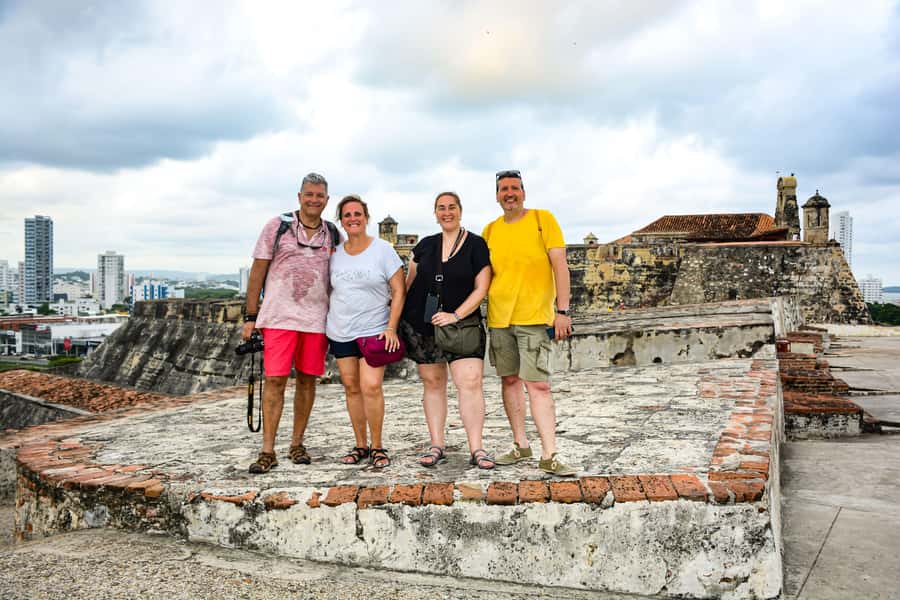
At the fortress entrance, you buy your own ticket at the official booth or online. Admission is not included in the $12 tour price, and the stated cost is 33,000 COP per person. Budget for both expenses before you book so the low headline price does not catch you by surprise.
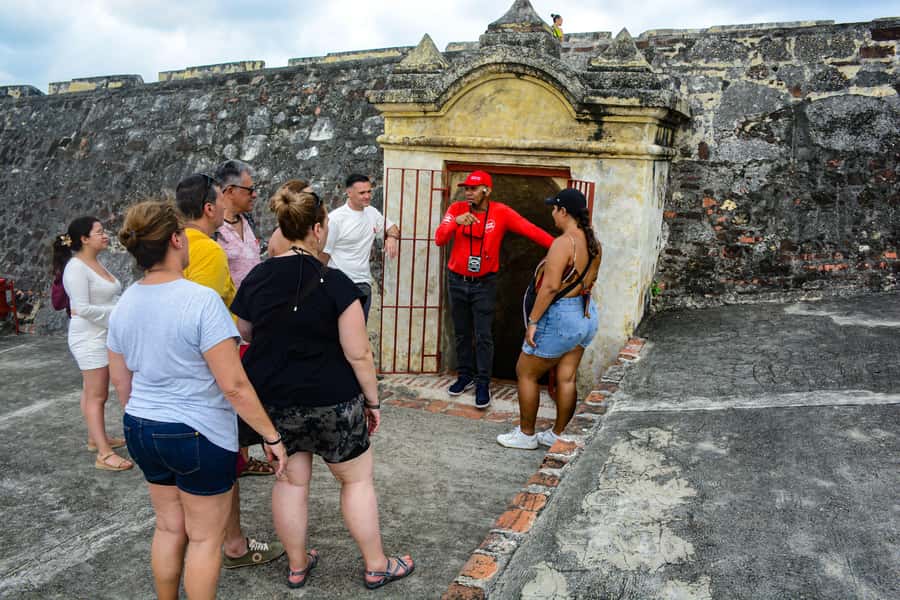
Inside, the guide explains why San Felipe was considered almost impossible to take. The design used layered defenses, strategic passages, and the hill’s natural advantage. You learn how soldiers could protect the city while making it difficult for an attacking force to reach the fortress.
The tunnels are the most unusual feature. They were built as acoustic passages, allowing defenders to hear enemy movement above while keeping their own activity hidden. Sound became part of the defense system. This is the kind of detail that turns a visit from a wall-and-cannon inspection into a lesson in military planning.
The tour also covers the major battle in which a Spanish force of about 3,000 men defeated more than 25,000 British soldiers. The story is tied to Blas de Lezo, one of the figures associated with Cartagena’s defense. The contrast in troop numbers helps explain why the fortress became such a powerful symbol of resistance.
Expect uneven surfaces, enclosed passages, and an uphill site. The walk is not suitable for wheelchair users, and it may be uncomfortable for anyone with limited stamina. You should also keep your belongings close. The route passes through crowded areas, and the tour specifically advises you to keep friends nearby and possessions even closer.
Guides who shape the experience
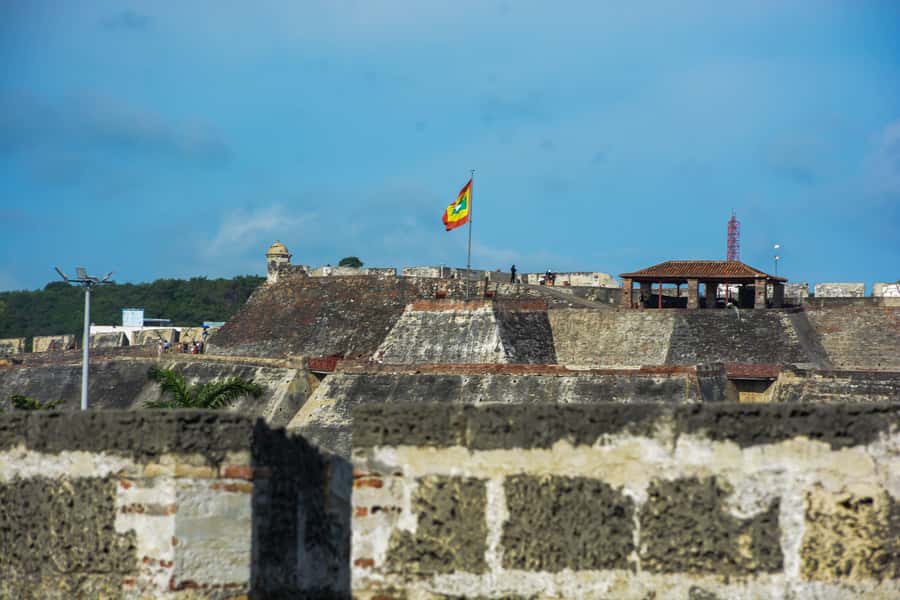
A history tour depends heavily on the guide, and the feedback here is strongest on that point. Ronaldo is praised for professional, entertaining storytelling and for adding many historical anecdotes. Luis Carlos is praised for explaining clearly, while Luis Fernando receives particular credit for making the journey from Plaza de la Trinidad to the castle memorable.
John Serrato is described as especially kind and helpful. Those comments point to a useful pattern: the best part of the experience is likely to be the guide’s ability to make complicated events easy to follow while keeping the mood friendly.
The tour is conducted in Spanish. If you understand Spanish comfortably, you should get the most from the historical explanations and jokes. If you do not, this is not the right choice simply because the route looks appealing. The guide’s narration is the main product, so language ability matters.
The overall rating is 4.3 from 18 ratings, with the available comments heavily praising the guides and historical explanations. That is a good sign, though the sample is not large. I would book this for clear Spanish speakers who want context, not for someone seeking only photographs at the castle.
What the $12 price really includes
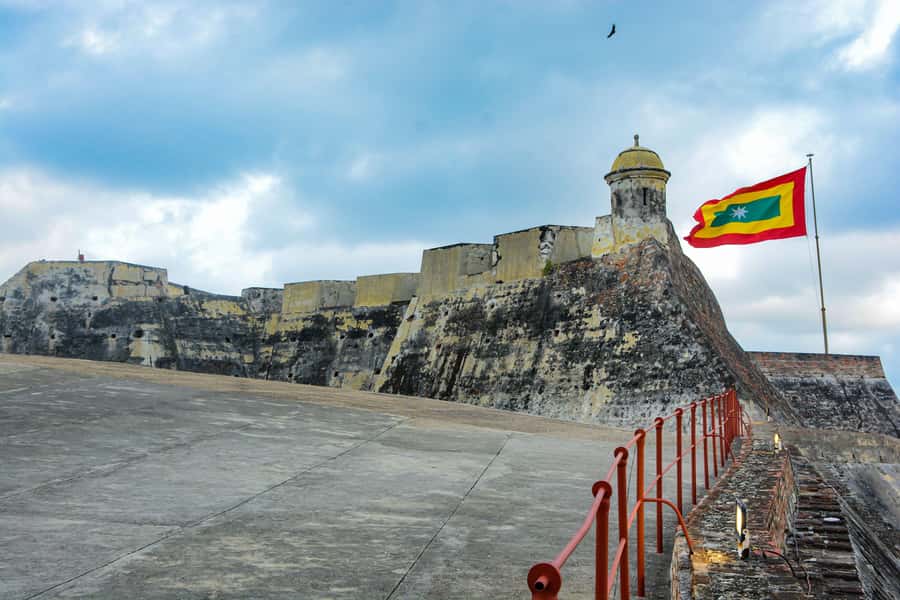
At $12 per person, the tour offers good value if you want a guided connection between Getsemaní and San Felipe. You receive a Spanish-speaking live guide, the walk from the neighborhood to the fortress, the Chocolate Museum stop, historical interpretation, local suggestions, and the partner discount map.
The castle admission adds 33,000 COP. You also pay for your own food, drinks, and souvenirs, and you arrange your own transport to and from your hotel. There is no transport during the tour because the experience is built around walking.
I would compare the price with your goals. If you only want to enter San Felipe and explore at your own speed, buying the castle ticket separately may be simpler. If you want to understand how Getsemaní, San Lázaro Hill, and the fortress fit together, the extra tour fee is reasonable.
The reserve-now-and-pay-later option is useful if your Cartagena plans are still shifting. You can cancel up to 24 hours before the activity for a full refund. Those terms help reduce the risk of booking around uncertain schedules, though the physical demands of the route remain the bigger issue.
Who should book this walk
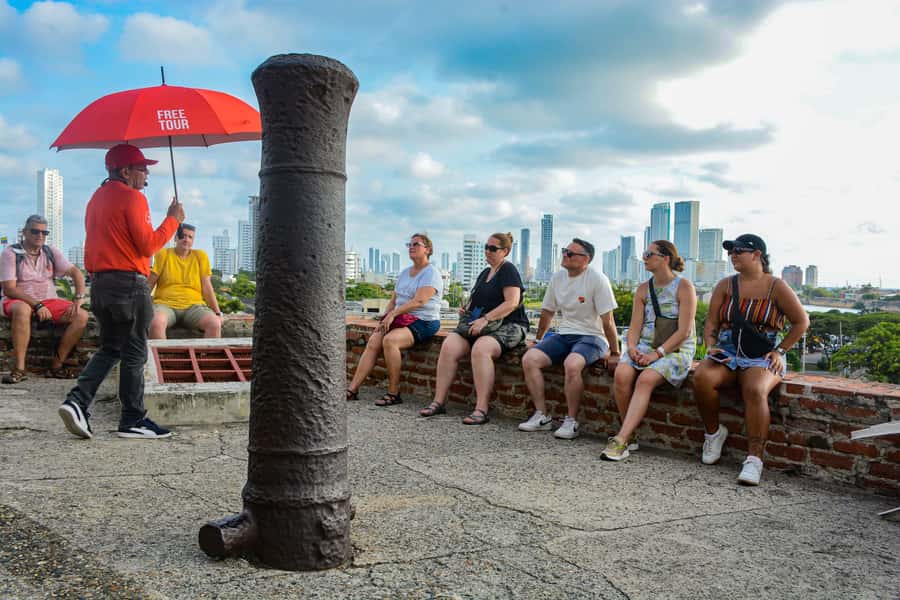
I would recommend it to adults and older children who can handle a long walk in warm weather and who understand Spanish. It is a good match if you enjoy social history, military architecture, local neighborhoods, and stories of independence.
You will get the most from it if you want more than a quick castle visit. The route explains how power worked in Cartagena, how social inequality shaped resistance, and why the fortress was placed where it was. It also gives you useful local suggestions for the rest of your stay.
I would think twice if you dislike group tours, need a private pace, or want to avoid outdoor walking. The experience is shared, there is no private guide, and the 7-kilometer route can be demanding. People over 70, wheelchair users, and children under 10 are specifically advised not to book.
Wear comfortable shoes and bring water. Carrying a small snack is wise, and you should keep your belongings secure in crowded sections. Cartagena rewards curiosity, but it also rewards sensible preparation.
Should you book the Cartagena castle tour?
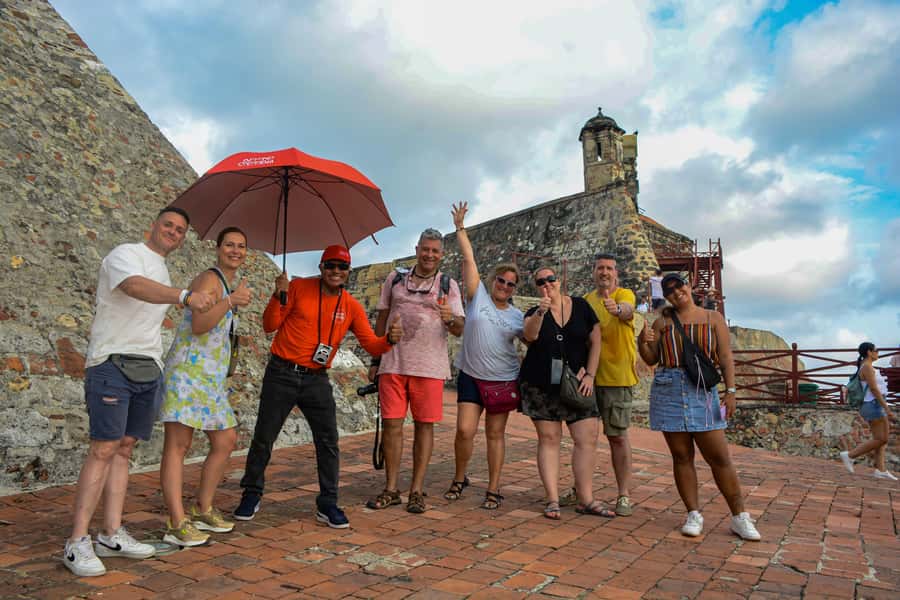
Book it if you speak Spanish and want San Felipe to make sense beyond its massive façade. The connection between Getsemaní’s resistance, San Lázaro Hill, and the fortress’s tunnels gives you a fuller picture of Cartagena than a castle-only visit.
Skip it if your time is tight, your mobility is limited, or you prefer exploring independently. The extra entrance fee, shared format, and long walk are real considerations.
For the right person, this is a strong-value history walk. The standout feature is not simply reaching the castle. It is understanding why Cartagena became known as La Heroica, and how neighborhood resistance and military skill shaped that reputation.
FAQ
Where does the tour begin?
The tour begins at Plaza de la Trinidad in Getsemaní. Look for the guides with red umbrellas.
Where does the tour finish?
The tour finishes at Castillo San Felipe de Barajas.
How long does the experience last?
The stated duration is 150 minutes.
Is castle admission included?
No. Each participant purchases a separate entrance ticket at the official booth or online. The stated price is 33,000 COP per person.
What language is the tour conducted in?
The live guided tour is conducted in Spanish.
How much walking is involved?
You walk about 7 kilometers from Getsemaní toward the castle, with several rest stops along the way.
What should I bring?
Bring comfortable shoes and water or another preferred drink. A small snack is also a sensible addition for the long walk.
Just added around Cartagena
- Cartagena: Ecoplan on Barú, Aviary and Oceanarium in one day★ 3.3 · 3 reviews
- Isla Tierra Bomba beach club: Day Pass with typical food★ 5.0 · 3 reviews
- Cartagena: Party Bus Tour In Cartagena★ 4.2 · 3 reviews
- White Night Boat Party: Dinner Buffet, Dancing and Open Bar★ 4.6 · 3 reviews
- Tayrona Park adventure in Santa Marta: Cabo San Juan from Cartagena★ 3.8 · 3 reviews
- Mompox Caribbean Routes★ 4.8 · 3 reviews
- Cartagena: Photography Workshop Tour★ 5.0 · 3 reviews
- Shared Getsemani Art District Tour with Wireless Live System★ 4.7 · 3 reviews
San Felipe Castle Tours, compared.
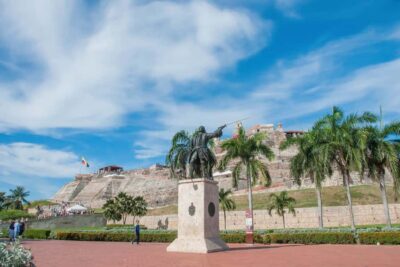
Guided Tour, with La Popa Convent, and San Felipe
Read our review →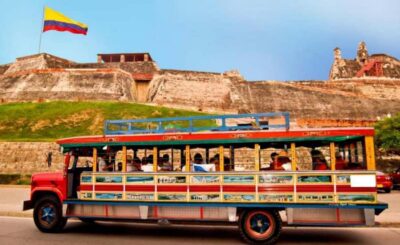
BILINGUAL CITYTOUR + SAN FELIPE CASTLE & Old city
Read our review →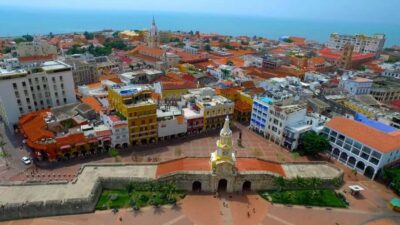
Walled City, Getsemani San Felipe Castle Cartagena City Tour
Read our review →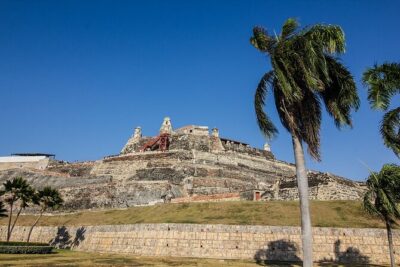
Cartagena Highlights: San Felipe, Popa & Coffee Experience
Read our review →
San Felipe Castle and Getsemani Walking Tour with tickets
Read our review →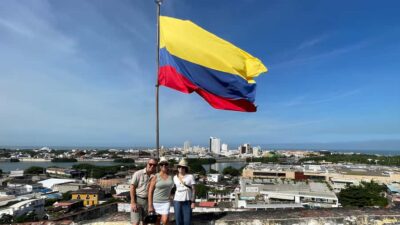
Complete Tour “San Felipe Castle, Popa and Getsemaní”.
Read our review →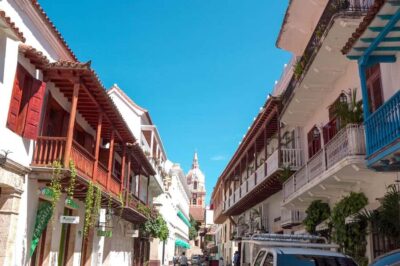
Cartagena City Tour with San Felipe Castle & Old Town Walk
Read our review →Browse the lists this tour appears in