
Reviewed · WALKING TOURS
A Pearl In The Caribbean-walking tour in English
Santa Marta tells its story on foot. This two-hour walk brings together Tairona gold, colonial buildings, local legends, and Caribbean food in a compact introduction to the city center. I like the way the tour moves beyond monuments, stopping to explain daily work, religious customs, nightlife, fruit, and the local places worth returning to later.
I also like the guide-led storytelling. Javier, also referred to as Javi, Xavier, or Havier in guest comments, is praised for his humor, clear English, patience, and love for Santa Marta. The main consideration is the heat: you will walk outdoors for two hours, and water is not included. This is best taken with comfortable shoes, sun protection, and a working WhatsApp number for tour updates.
In This Review
- Key details before you book
- Starting at Casa de la Aduana and the Tairona Gold Museum
- Plaza Bolívar and the long shadow of independence
- San Francisco Square and everyday Santa Marta
- Cathedral Square, faith, and Santa Marta’s spooky side
- Food advice in the historic center
- Parque de los Novios after dark
- Finishing with Caribbean fruit at the juice stalls
- What the $16 price really gets you
- Timing, comfort, and who should take it
- Should you book A Pearl in the Caribbean?
- FAQ
- Where does the walking tour start?
- Where does the tour finish?
- How long does the experience last?
- What language is the tour offered in?
- Is museum entry included?
- Is fruit tasting included?
- Are water and juice included?
- Who leads the tour?
- Can I cancel the booking?
Key details before you book
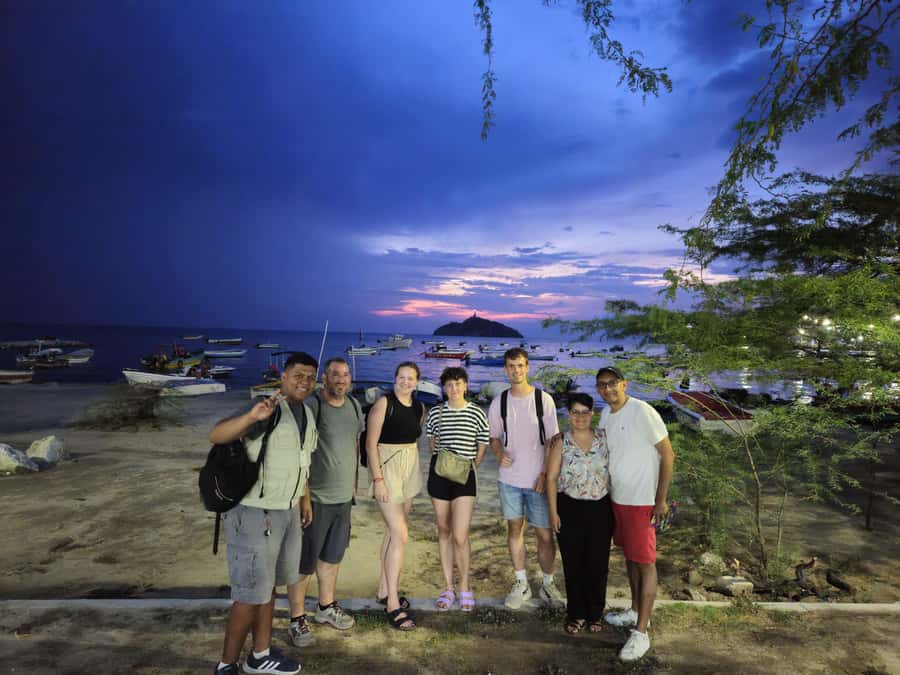
- A free museum visit begins the walk: Entry to the Tairona Gold Museum, also called Casa de la Aduana, is included.
- The route covers several sides of Santa Marta: You get pre-Hispanic history, independence, religion, architecture, local commerce, nightlife, and food advice.
- Javier makes history easy to follow: His style combines facts with jokes, local gossip, legends, and stories about Santa Marta’s heroes and villains.
- The final stop includes fruit tasting: You learn about Caribbean fruits and sample one before deciding if you want to buy a natural juice.
- The tour costs $16 per person: For two hours with a local English-speaking guide, the price offers good value, especially for a first day in town.
- The tour ends at Plazoleta de Jugos: You finish near juice stalls, not back at the starting point, so plan your next stop from there.
Starting at Casa de la Aduana and the Tairona Gold Museum
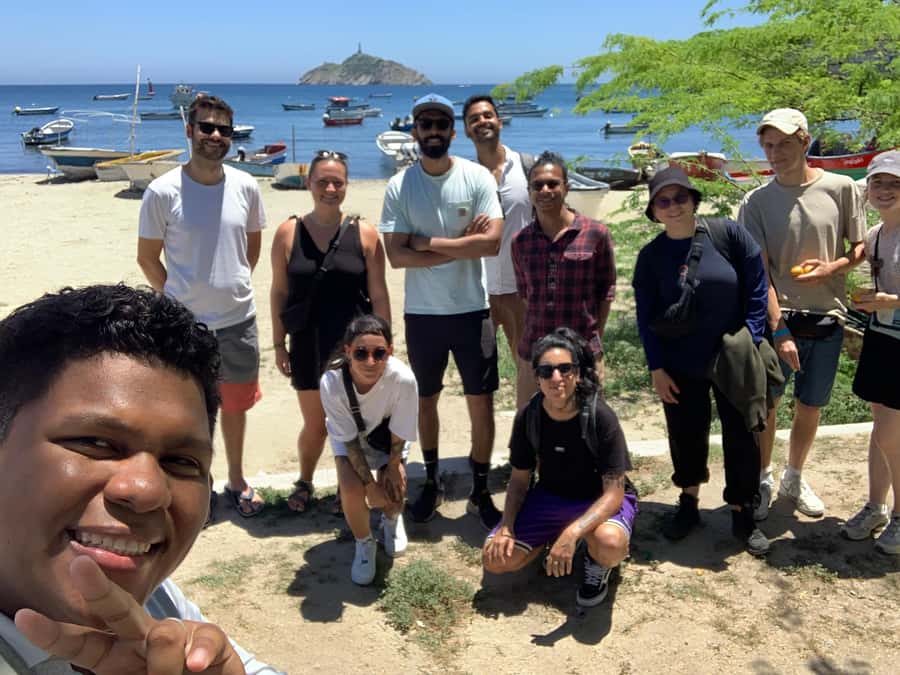
The meeting point is easy to identify. Casa de la Aduana is a white Spanish colonial-style building in the historic center, opposite Plaza Bolívar and facing Santa Marta Bay. Javier says he wears his tour guide accreditation and carries a black backpack, which should make the first meeting straightforward.
The building houses the Tairona Gold Museum, also known as the Museo del Oro Tairona. Entry is included, so you do not need to budget an extra museum fee. The visit gives the tour a strong opening because it begins with the people who lived in the area before Spanish rule.
Inside, you can see pre-Hispanic objects and examples of modern Indigenous art, including gold pieces. The focus is not simply on admiring shiny objects behind glass. Javier explains who the Tairona were and discusses why their society eventually disappeared. That context helps you understand the region before the later stories of churches, colonial buildings, pirates, and independence.
I particularly like this opening because it avoids treating Santa Marta as only a beach and nightlife destination. The city sits beside a much older human story, and the museum gives you a first look at that past before the walk shifts to public squares.
The museum portion also provides a break from the sun. Still, the exact amount of time spent inside may depend on the guide and the group, since the entire experience lasts about two hours. If museum displays are your main interest, you should think of this as an introduction rather than a long museum study visit.
More walking tours:
- Santa Marta: Guided Walking Food Experience
★ 4.8 · 33 reviews - Cartagena: Historic Center and Getsemaní Shared Walking Tour
★ 4.9 · 2,716 reviews - Bogotá: Guided La Candelaria Walking Tour
★ 4.8 · 1,229 reviews
Plaza Bolívar and the long shadow of independence
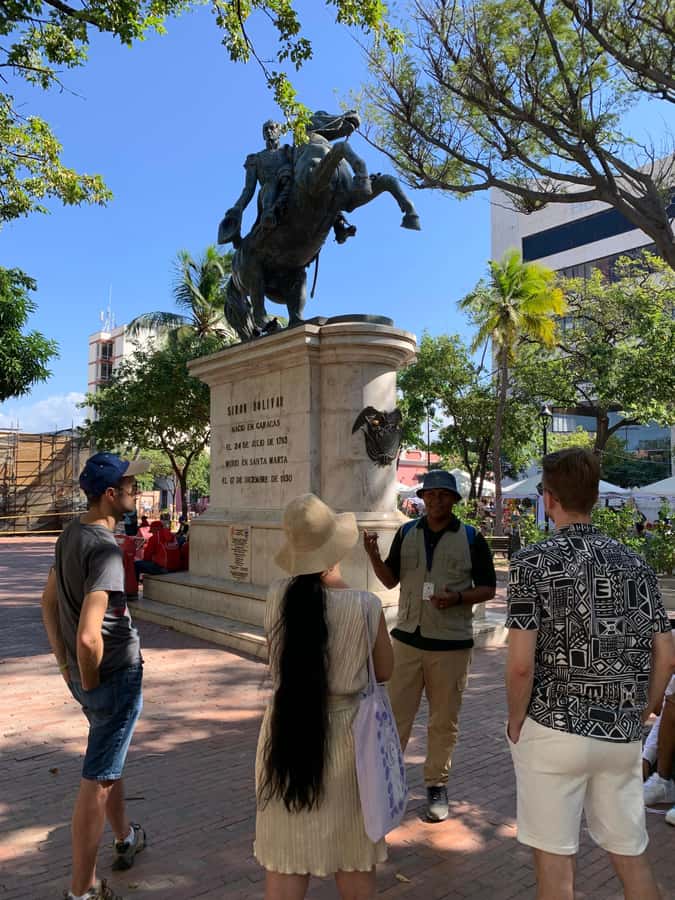
From the museum, the route moves into Plaza Bolívar. In Colombia, the name Simón Bolívar appears in public squares, streets, and civic spaces across the country. Here, the plaza becomes a useful place to connect Santa Marta with the independence period.
The stop covers several layers at once: pre-Hispanic background, the independence of Colombia, architecture, sculptures, and local history. That range is one reason the tour can feel like a fast trip through different eras. You might be looking at a sculpture one moment and then hearing how the city fits into the larger story of Colombia.
The plaza is also a helpful orientation point. Because the museum faces it, you begin to understand how the historic center is arranged. You are not just collecting isolated photographs. You are learning how the museum, civic spaces, religious buildings, and streets relate to one another.
I would pay attention here if you are visiting Santa Marta early in your stay. The historical framework makes later stops easier to understand, and the guide can answer questions about the city and Colombia more broadly. Several people who took the walk with Javier found his explanations clear and easy to follow, even when the subject covered complicated periods.
Do not expect a formal lecture. The appeal is the conversational approach. Javier has been praised for turning historical facts into entertaining stories, which helps the two hours pass quickly. If you want a slow architectural survey with technical detail, this may feel too brisk. If you want a lively introduction, the pace works well.
San Francisco Square and everyday Santa Marta
The next stop is San Francisco Square, one of the older places in Santa Marta. Here the focus shifts from famous names and national events to ordinary city life.
You can observe the local economy, including the informal work sometimes described in Colombian slang as rebusque. That word points to the many ways people make a living day by day. This part of the tour matters because it gives you a view of Santa Marta that grand buildings alone cannot provide.
The square is also linked to pirate attacks and Catholic religion. The Caribbean was shaped not only by trade and colonization, but also by raids, fear, faith, and the effort to protect important settlements. The stories here add a darker edge to the walk without turning the past into a dry list of dates.
I like this stop for its change of scale. Plaza Bolívar connects you with national history. San Francisco Square shows how history appears in a city’s working routines, religious traditions, and public spaces. Keep your eyes open as the guide talks, since the interest is as much in the surrounding activity as in a single monument.
The drawback is that this is an active urban walk, not a controlled museum visit. Noise, heat, and the pace of city life can shape what you hear. Stay close enough to the guide, and ask for a repeat if a story gets lost in the street sounds.
Cathedral Square, faith, and Santa Marta’s spooky side
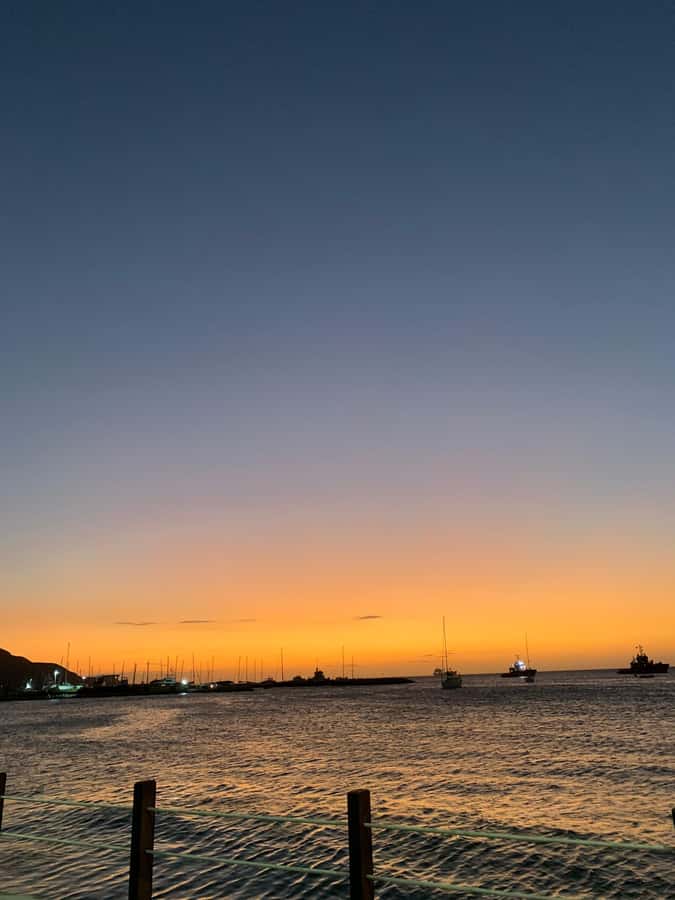
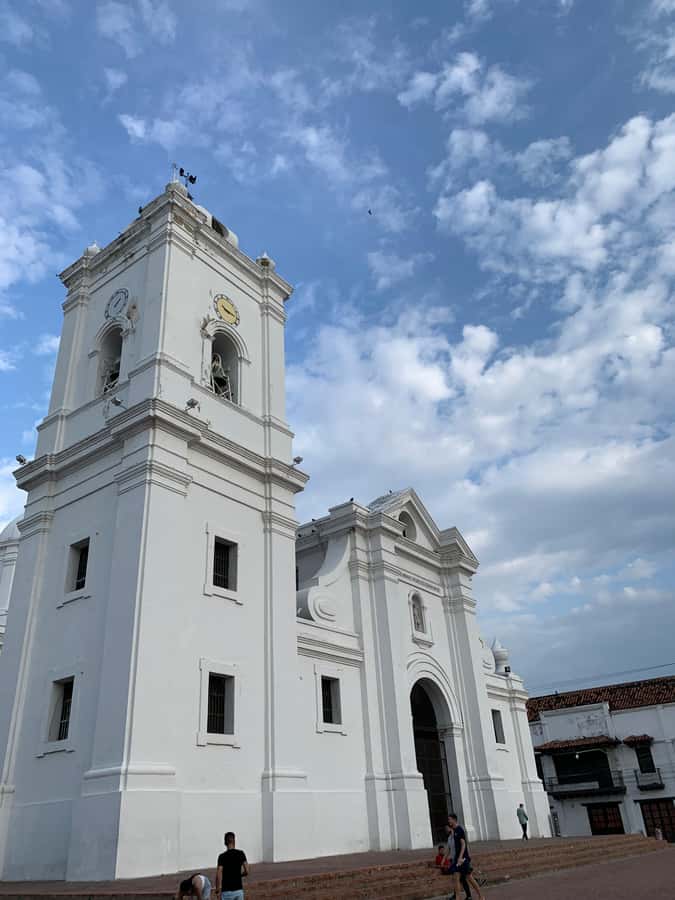
Cathedral Square brings the tour to one of Santa Marta’s key religious spaces. The church is described as the mother of all churches in Colombia, and the guide uses the setting to explain local religious customs and the city’s superstitions.
This is one of the most distinctive parts of the experience. Many city walks stop at a church, name its architectural style, and move on. Here, the conversation also includes spooky local tales and beliefs. That mix gives you a better sense of how religion functions in everyday culture, not just inside a formal building.
The cathedral and its surroundings also show Arab, colonial, and Renaissance influences. You will want your camera ready, although the tour is more about understanding the place than taking a long series of photographs. The different architectural influences help explain why the historic center does not feel visually tied to just one period.
The guide’s storytelling style seems especially useful here. Javier is known for adding local chisme, or gossip, and colorful anecdotes to the official version of history. That does not replace the facts, but it gives the facts a human voice.
This stop may appeal to you if you enjoy folklore and uncomfortable stories. If you prefer strictly documented history, listen for the difference between established events and local belief. The tour presents both as parts of Santa Marta’s culture, but they are not the same kind of evidence.
A few more trips worth weighing up before you book
- Santa Marta: Sailboat day tour to Tayrona Park
★ 4.5 · 352 reviews - From Santa Marta: Tayrona National Park Guided Tour
★ 3.8 · 131 reviews - Tayrona Bay Sailboat trip
★ 4.5 · 107 reviews - Santa Marta: Minca Coffee, Cocoa, & Waterfall Full-Day Trip
★ 4.6 · 102 reviews
Food advice in the historic center
The cathedral area is also where the guide offers suggestions for typical Santa Marta dishes and places to eat. No full meal is included, so this portion works as practical advice rather than a food tour.
That distinction matters. You are not paying for a series of restaurant tastings. Instead, you get a local starting point for deciding what to eat after the walk. The guide connects food with the city’s colors, history, and Caribbean setting, making the recommendations more useful than a generic restaurant list.
I value this kind of advice because a short tour can shape the rest of your stay. Several people who joined Javier’s walk appreciated his recommendations for food, drinks, and other things to do. If you want to test his suggestions, note them in your phone as he speaks.
The tour does not state which dishes or restaurants are guaranteed, and menus can change. Treat the advice as personal guidance, not a fixed dining itinerary. You may also want to ask about portion sizes, opening times, and whether a dish is especially spicy or filling.
Parque de los Novios after dark
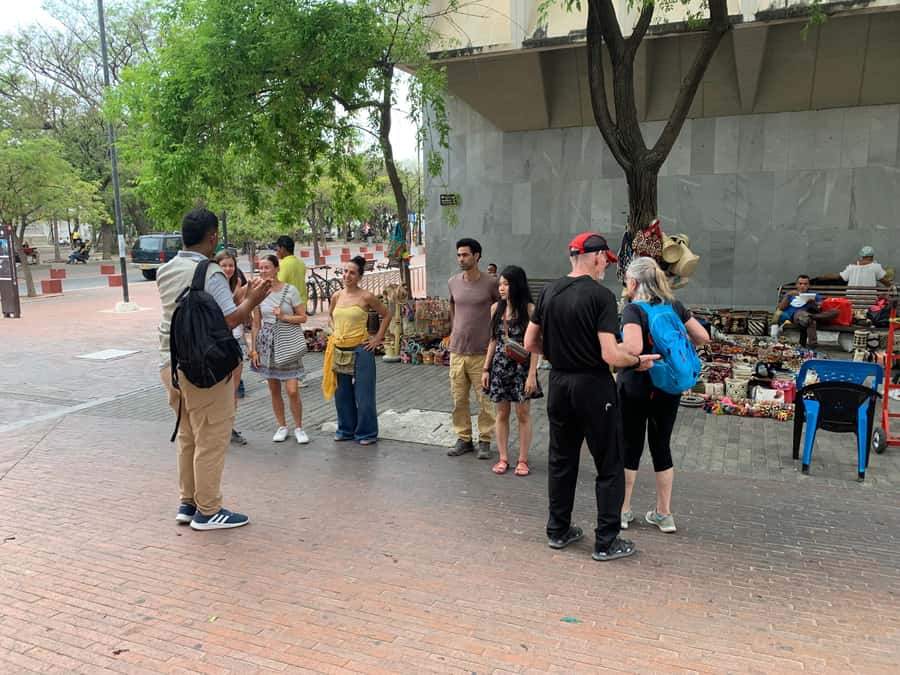
After the cathedral, the route continues to Parque de los Novios, known here as Lover’s Park. This is the city center’s main nightlife area and a popular setting for a romantic evening or a night out with friends.
The value of this stop is timing and context. You see how the same downtown area changes after the museums and civic buildings close. The square is not presented as a separate nightlife excursion, but as part of the city’s daily rhythm, from history and religion to food, drinks, and evening social life.
If you are staying in Santa Marta for only a short time, this stop can help you decide where to spend an evening. You can ask Javier about the general feel of the area and combine his recommendations with your own plans.
Keep in mind that the tour description does not promise a full night out, bar entry, or a drink at the park. You pass through and learn about the area. You will need to arrange your own evening afterward.
Finishing with Caribbean fruit at the juice stalls
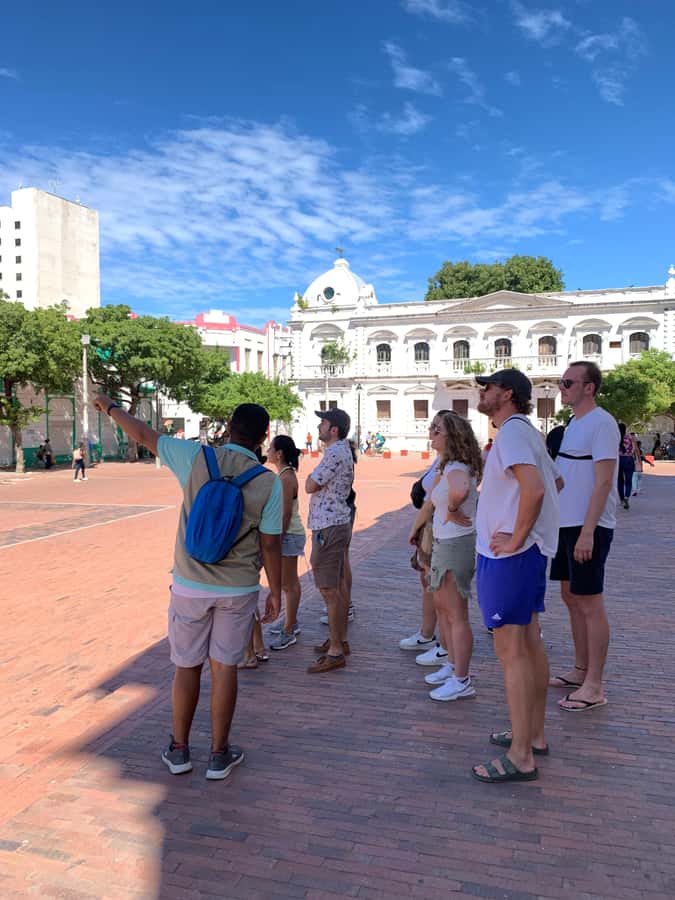
The final stop is Plazoleta de Jugos Santa Marta, a natural place to finish a walk through the city’s food culture. Here, Javier gives what amounts to a small fruit lesson about produce found along Colombia’s Caribbean coast.
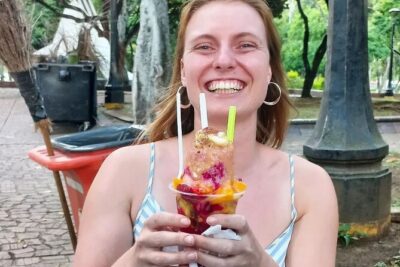
Fruit names and flavors can be unfamiliar, and the tasting gives you a chance to try one rather than simply hear a description. One useful suggestion from the walk is lulo with orange juice. Coconut water has also been enjoyed along the route, while the final stop allows you to buy a 100 percent natural juice if you want one.
Fruit tasting is included, but drinks are not. That means you can sample the included fruit without committing to an additional purchase, then choose a juice if something catches your attention. Bring cash if you want to buy from the stalls, since payment arrangements are not specified.
I like ending here because it leaves you with something sensory and local. You finish not with another date or monument, but with a taste of the coast. The stop can also be useful if you want a refreshing drink after walking through the heat.
The final location is different from the meeting point. You end at the juice plaza, so do not leave a bag or other item at the museum. From there, you can continue with your own plans, but the tour does not include transport back.
What the $16 price really gets you
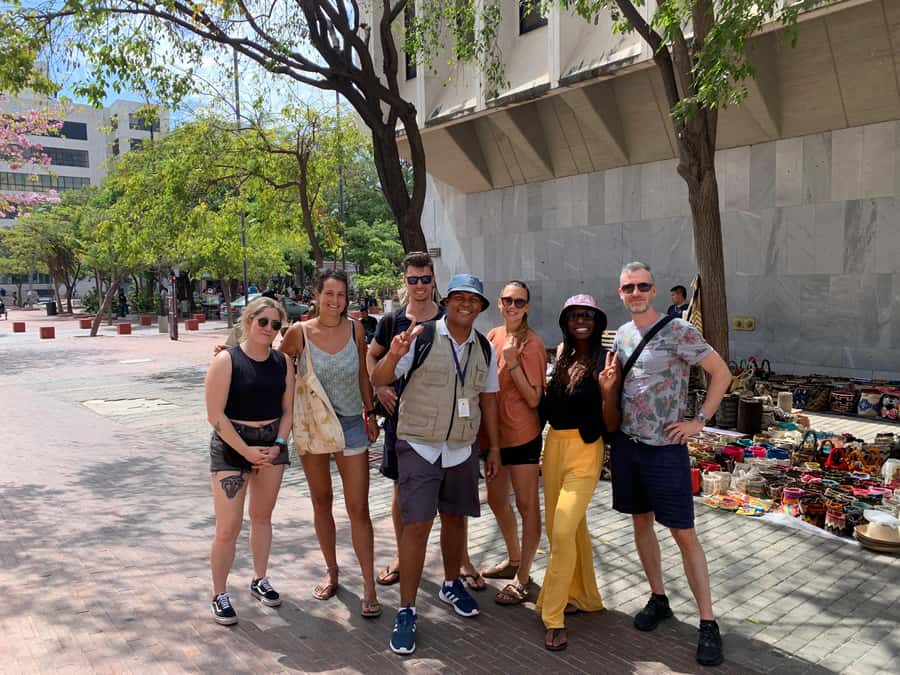
At $16 per person, this is a strong-value introduction to central Santa Marta. The price includes a local English-speaking guide, entry to the Tairona Gold Museum, and fruit tasting. You are paying for interpretation and local context, not for a long list of expensive admissions.
The route covers enough ground to give you a useful first look, yet two hours keeps the commitment manageable. That makes it easy to fit into a day before lunch, before an evening meal, or at the start of a longer stay.
The value depends on what you want. If you are looking for a private car, hotel pickup, a meal, or several paid attractions, this tour will not provide those extras. If you want to understand the historic center and collect practical food and nightlife suggestions, the price is modest.
The guide is the main part of what you are buying. Javier’s English has been praised as very good, and his patient, funny approach helps make the route accessible to English speakers. His personal connection to Santa Marta is also important. He is not simply reciting facts, he is presenting his hometown and explaining both its appealing and difficult sides.
Timing, comfort, and who should take it
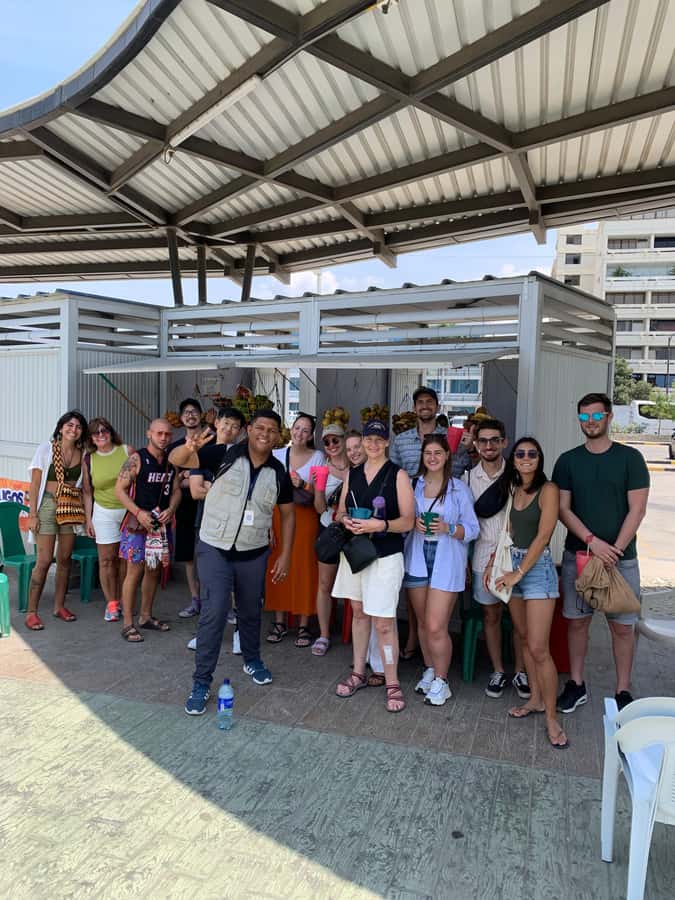
The tour lasts two hours and is offered in English only. Starting times depend on availability, so check the schedule before booking. The description includes a sunset reference, but it does not guarantee that every departure will coincide with sunset.
Santa Marta can be hot, and this is a walking experience. Wear shoes suited to city streets, carry water, and use sun protection. Water, juice, and anything else not specifically included are your responsibility.
The tour suits first-time visitors, short-stay visitors, history fans, food-minded explorers, and anyone who wants local suggestions before choosing restaurants or nightlife. It also suits people who prefer stories and conversation to a formal lecture.
You might choose another activity if you have limited tolerance for heat, want extensive museum time, or prefer a tour in Spanish. This walk is only available in English. It is also not designed as a full food tour or a dedicated nightlife tour.
The provider offers free cancellation up to 24 hours before the experience and allows you to reserve now and pay later. Make sure the phone number on your booking works with WhatsApp, since tour information is sent there.
Should you book A Pearl in the Caribbean?
I would book this tour near the beginning of a Santa Marta stay. The route gives you the city’s main historical threads, introduces local beliefs and working life, and finishes with fruit you might not otherwise try. It also gives you restaurant and nightlife ideas before you spend money on your own.
The best reason to choose it is Javier’s style. He combines history, humor, food, folklore, and personal knowledge of Santa Marta without making the walk feel like a school lesson. The main caution is practical: expect outdoor walking in hot weather, bring water, and remember that the tour is an overview rather than a long visit at each stop.
At $16, the museum entry, guide, and tasting make this a sensible first look at the historic center. Book it if you want a friendly local introduction with plenty of stories. Skip it only if you need a private vehicle, a full meal, or a longer specialist tour.
FAQ
Where does the walking tour start?
It starts at Museo del Oro Tairona, also called Casa de la Aduana, in Santa Marta’s historic center. The building is opposite Simón Bolívar Square and faces the bay.
Where does the tour finish?
The tour finishes at Plazoleta de Jugos Santa Marta, the juice plaza.
How long does the experience last?
The walking tour lasts two hours.
What language is the tour offered in?
The tour is available in English only.
Is museum entry included?
Yes. Free entrance to the Tairona Gold Museum is included.
Is fruit tasting included?
Yes. Fruit tasting is included at the final juice-stop portion of the tour.
Are water and juice included?
No. Water, juice, and other items not listed as included are not covered.
Who leads the tour?
The local guide is identified as Javier, and some comments refer to him as Javi, Xavier, or Havier. He wears his tour guide accreditation and carries a black backpack at the meeting point.
Can I cancel the booking?
Yes. You can cancel up to 24 hours in advance for a full refund. You can also reserve now and pay later.
Just added around Santa Marta
- Santa Marta: Museum of the Sea and Playa Blanca Beach Tour★ 4.8 · 3 reviews
- Minca, Marinka Waterfall & Hostel Sierra Minca★ 4.7 · 3 reviews
- Diving Santa Marta & Tayrona for Certified Divers (2 tanks)★ 3.9 · 3 reviews
- SANTAMARTA: TOUR Remanso, Taganga, Playa Grande Lunch and Snorkeling Included★ 3.5 · 4 reviews
- From Santa Marta: Marinka Waterfalls 4×4 Tour with Transfer★ 3.8 · 4 reviews
- SANTA MARTA: Tour to Playa Inca Inca with Lunch★ 3.2 · 4 reviews
- Tour en Velero a Bahía Concha Parque Tayrona★ 3.5 · 4 reviews
- Tayrona Park & Playa Cristal★ 3.8 · 4 reviews
Walking Tours, compared.
Historic Center and Getsemaní Shared Walking Tour
Read our review →
Zipaquirá Salt Cathedral Private Tour + Walking Tour
Read our review →Browse the lists this tour appears in