
Reviewed · COFFEE FARM TOURS
Coffee Farm Tour at Finca El Ocaso from Salento
Coffee tells Colombia’s story. This three-hour visit to Finca El Ocaso takes you from Salento into the coffee-growing countryside, where farming, family tradition, native plants, birds, and clean streams all share the same patch of land. I especially like the small groups, limited to eight people, and the chance to follow coffee from hand-picked bean to finished cup.
I also like the practical focus. You do not simply admire the plantation, you learn how beans are selected, processed, roasted, ground, and brewed. The main drawback is timing: the morning tour at 8:30 a.m. is in Spanish, while the English tour begins at 1:30 p.m. One participant also had to leave before the tour ended, so confirm the full schedule before you pay.
In This Review
- Key points at a glance
- Leaving Salento for Finca El Ocaso
- Learning why coffee matters in Colombia
- Walking through coffee plants and native countryside
- Following the coffee process step by step
- The guided tasting and what it teaches you
- Is $93 a fair price?
- Choosing the right departure time
- Who will enjoy this coffee farm visit?
- Should you book Finca El Ocaso from Salento?
- FAQ
- How long does the coffee farm tour last?
- Where does pickup take place?
- Is transportation included?
- What languages are available?
- How large is the group?
- What does the tour include?
- Is lunch included?
- What should I bring?
Key points at a glance
- Coffee from plant to cup: Follow harvesting, selection, processing, roasting, grinding, and brewing in one visit.
- A small group of eight: The limited size makes it easier to ask questions and hear the guide clearly.
- Two language options: Choose the Spanish morning tour at 8:30 a.m. or the English afternoon tour at 1:30 p.m.
- Salento pickup included: Transport begins and ends at your hotel or accommodation in the Salento area.
- A guided tasting: Learn how aromas, flavors, and brewing methods change the final cup.
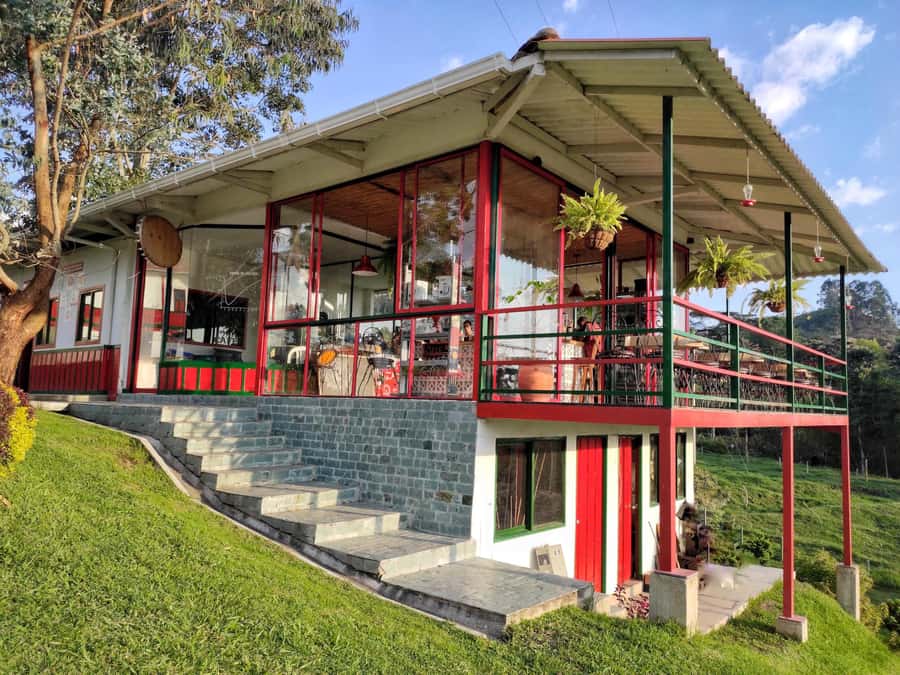
- A working farm setting: Walk among coffee plants, native flora, colorful birds, and water streams rather than visiting only a tasting room.
Leaving Salento for Finca El Ocaso
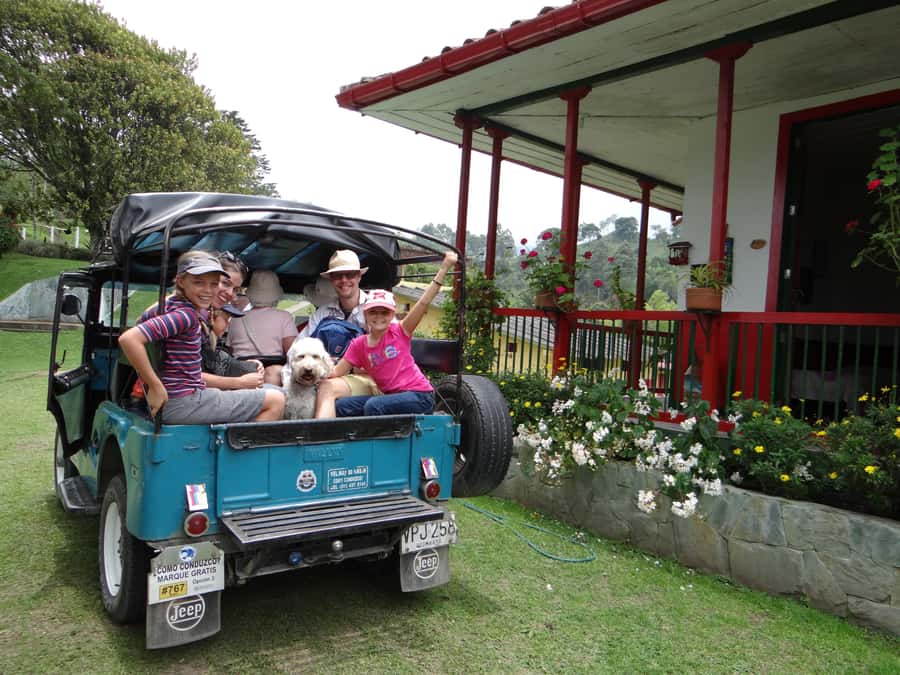
The experience begins with pickup in Salento, or at Finca El Recreo if that suits your plans. From town, you take a short scenic drive into the coffee-growing area around Finca El Ocaso. The journey is part of the appeal, since the setting changes quickly from Salento’s compact streets to open countryside and cultivated hills.
You do not need to arrange a separate taxi or find your own way to the farm. Hotel pickup and return are included for accommodations in the Salento area, which adds real value to a half-day activity. If you are staying outside that area, check the pickup details before booking.
The farm is in Tolima, within Colombia’s well-known coffee zone. The tour connects the place itself with the drink in your cup. You are not only looking at coffee plants; you are seeing the conditions and daily work behind one of Colombia’s best-known products.
The ride is short, but wear clothes suited to a country farm. Comfortable shoes are important, and a passport or identity card is also listed among the items to bring. The activity is not suitable for people with mobility impairments, so consider the walking and plantation paths before reserving.
More Coffee Farm Tours in Salento
- Salento: Private Cocora Valley, Salento & Coffee Farm Tour
★ 4.9 · 202 reviews - Coffee Tour at Finca El Ocaso Salento: Traditional Spanish Farm
★ 4.8 · 89 reviews - Coffee Tour Salento-Ocaso Farm- English Tour
★ 4.6 · 88 reviews
Learning why coffee matters in Colombia
Your first stop at the farm focuses on the story of coffee in the region. The guide explains how coffee growing became linked with Colombian culture and rural life. This opening gives the rest of the tour a useful frame: the beans are not treated as an abstract export product, but as the result of land, labor, and long-established farming practices.
I like this part because it keeps the tour from becoming a simple series of facts about roasting. Coffee has a social and cultural role in Colombia, and learning that context makes the later steps easier to understand. You begin to see why careful picking and processing matter to both the farmer and the final drink.
The guides speak Spanish and English. The 8:30 a.m. departure is guided in Spanish, while the 1:30 p.m. option is guided in English. If you need English, plan your day around the afternoon start rather than assuming both departures use the same language.
A small group makes this history lesson more useful. With no more than eight people, you can ask about farming methods, local traditions, or anything you notice during the walk. Jonathan, one of the guides praised specifically for making the visit educational, is worth requesting if the operator allows guide requests.
Walking through coffee plants and native countryside
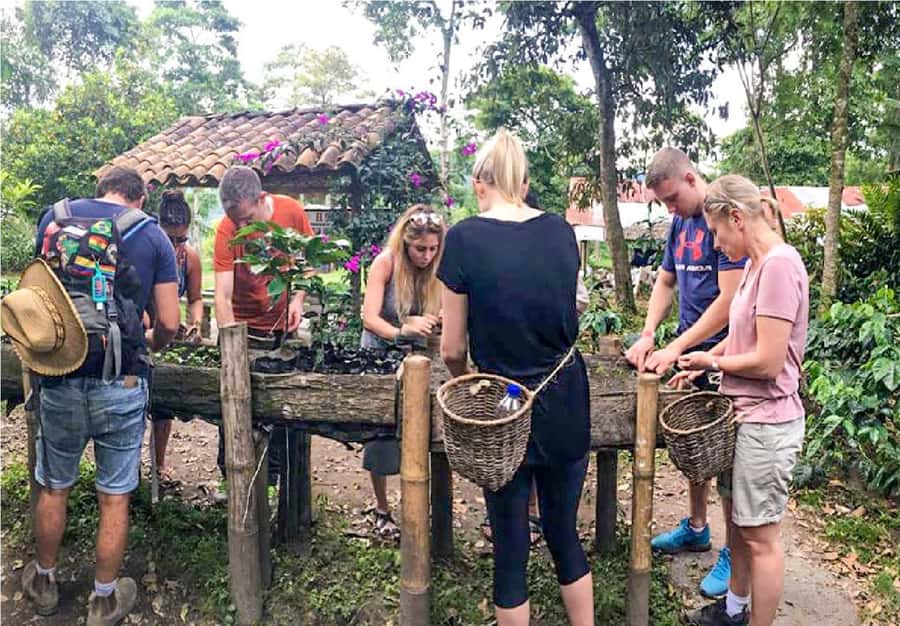
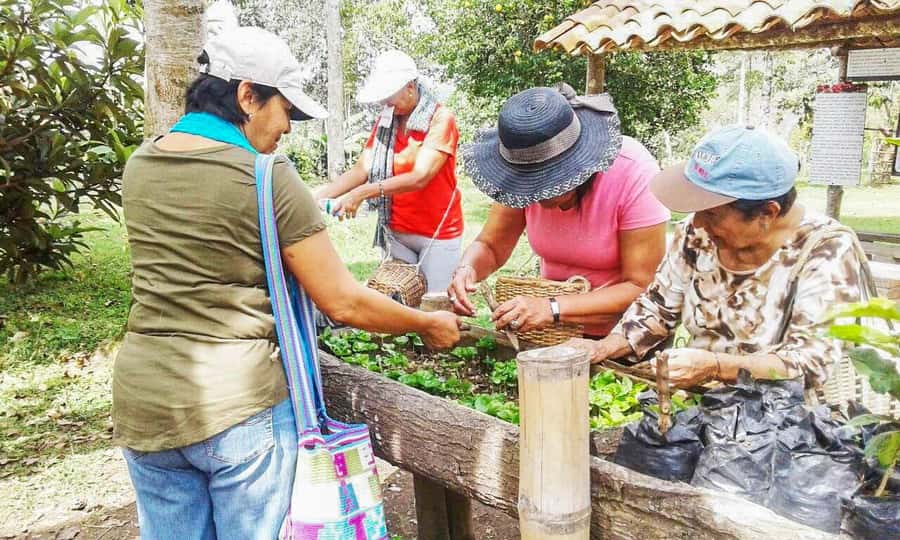
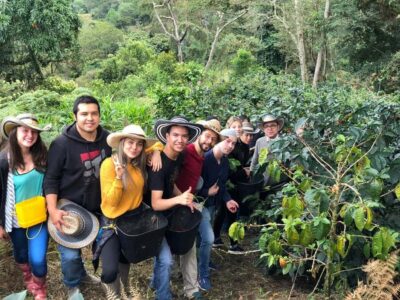
After the introduction, you walk through the plantation. The route brings you close to coffee plants and the surrounding native vegetation, with birds and streams adding more than a decorative backdrop. You get a sense of coffee as part of a living farm system rather than a crop grown in isolation.
The farm uses traditional and sustainable practices. That matters because the tour explains the relationship between coffee production and the wider environment. Native plants, water, and wildlife are part of the setting you are learning to read, not just scenery on the way to the tasting.
The walk also gives you a chance to see where the coffee process begins. Coffee quality starts with the fruit on the plant, and the condition of the beans at harvest affects every later stage. The farm visit makes that connection clear in a way a city café cannot.
Plan on walking for much of the three hours. Comfortable footwear is essential, and comfortable clothing will make the plantation portion easier. The available information does not specify the exact trail surface or incline, so anyone with mobility concerns should ask for more details before booking.
One especially practical part of the visit is coffee bean picking. This gives you a direct look at the work involved before the beans ever reach a mill or roaster. It is a small task, but it helps explain why coffee production depends on careful human attention.
Following the coffee process step by step
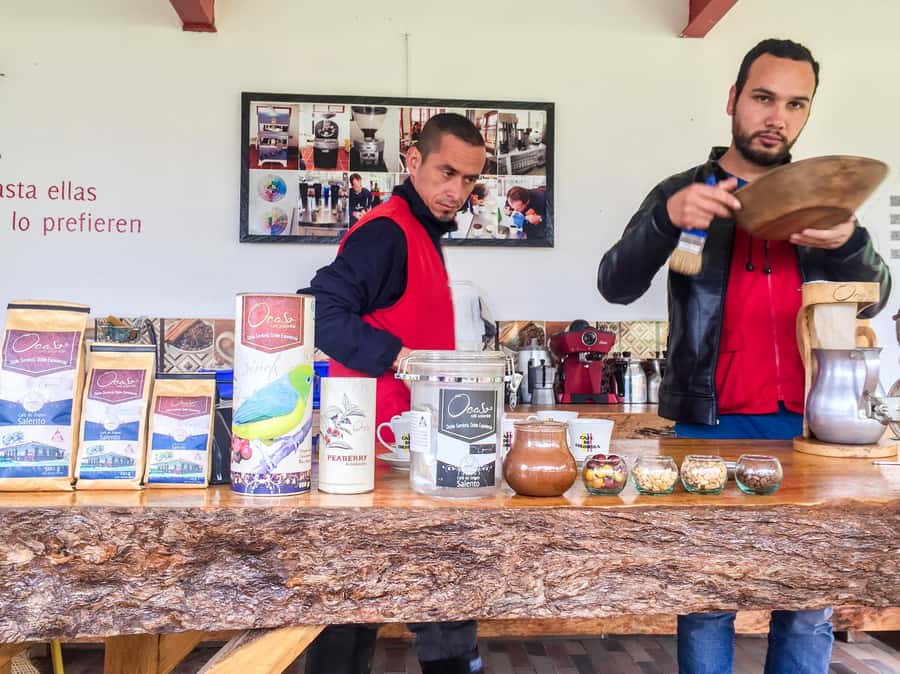
The central value of the tour is its full production story. You learn how beans are harvested and hand-selected, then how they are processed, roasted, and ground. Each stage changes what eventually reaches your cup.
Hand selection is an important lesson. Coffee grown on the same farm does not automatically produce identical results, and choosing suitable beans helps protect the quality of the batch. The guide explains how farmers and producers make those choices rather than presenting coffee as a crop that simply gets picked and packaged.
Roasting receives its own attention. Heat brings out different aromas and flavors, and the roasting stage has a major effect on how coffee tastes later. You learn the basic principles behind creating high-quality blends and how traditional methods fit with the farm’s sustainable approach.
Grinding is another useful link between farm and kitchen. The size and preparation of the grounds affect brewing, so this stage helps explain why the same coffee can taste different depending on how it is prepared. The guide also covers brewing methods, giving you information you can use after returning home.
I appreciate that the experience does not stop at bean picking or farm scenery. You see the production chain as a connected process. That makes the three-hour length reasonable for people who want more than a quick plantation walk, though it may feel long if you only want a short tasting and a few photographs.
One participant had to leave before the end after being picked up early. That is a useful warning. Give yourself the full three-hour window, including transport, and tell the provider in advance if you have a fixed departure, meal, or other booking afterward.
More coffee farm mornings we have written up:
- Coffee Farm and Salento Walking Tour
★ 5.0 · 47 reviews - Salento: Coffee Farm Tour with Tasting
★ 4.9 · 41 reviews - Cocora Valley Tour and Coffee Farms
★ 4.5 · 40 reviews - Coffee Tour.
★ 5.0 · 33 reviews
The guided tasting and what it teaches you
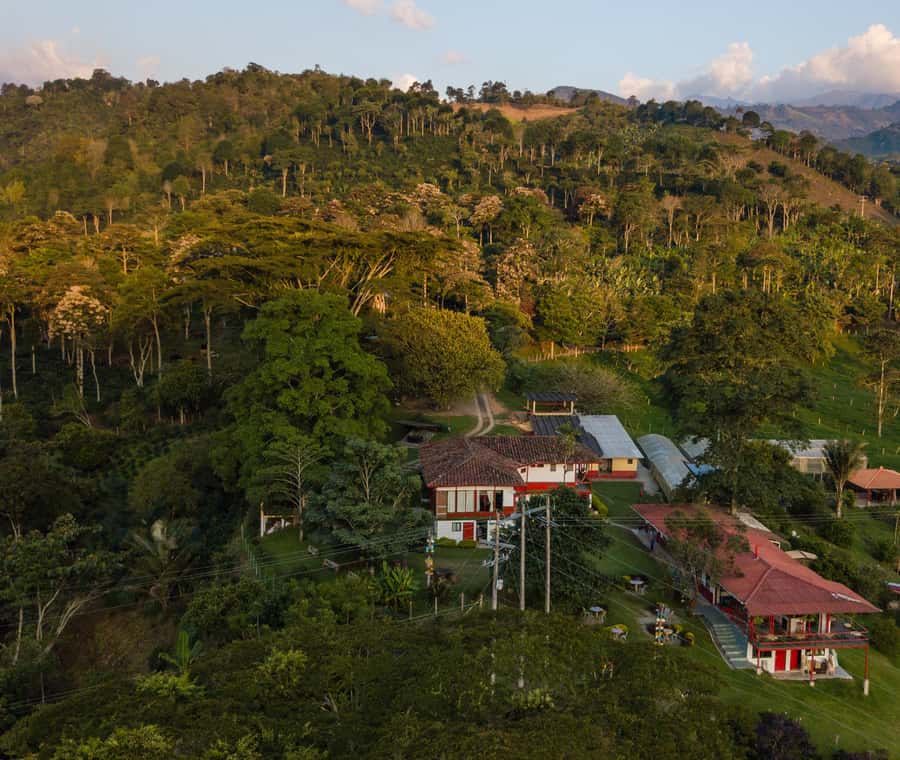
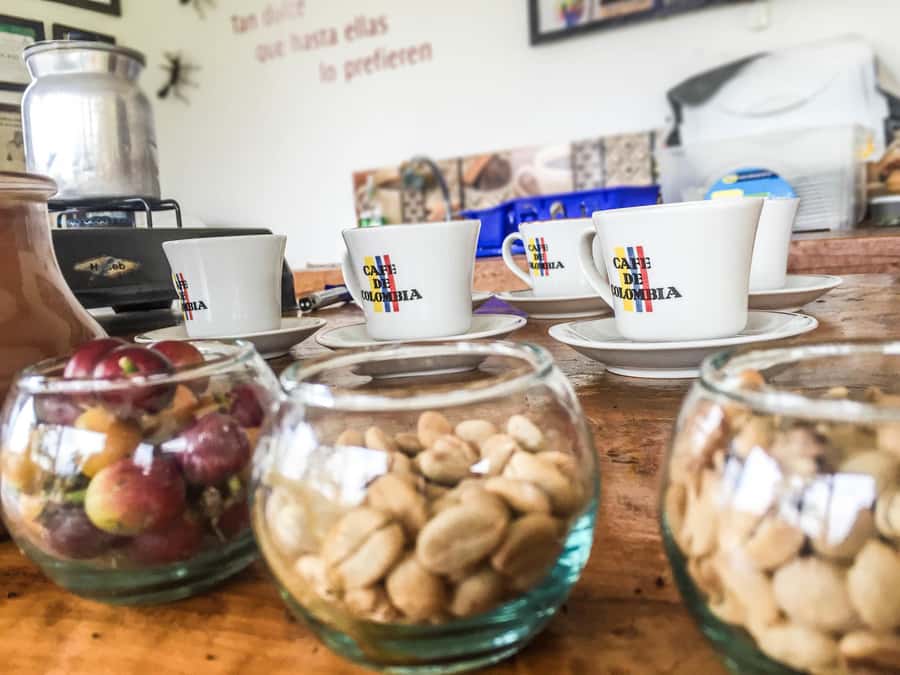
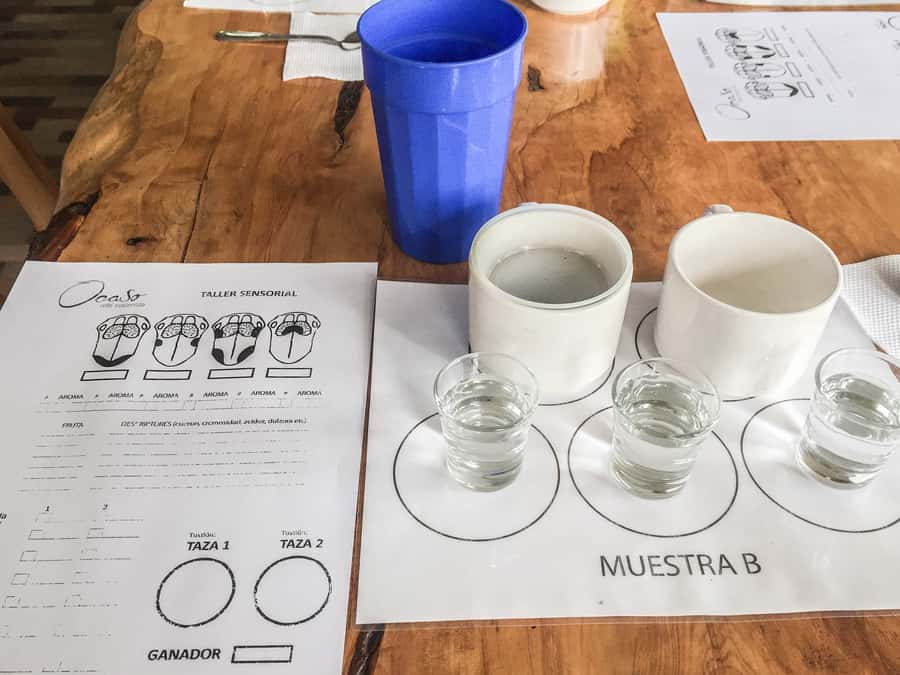
The visit finishes with a guided coffee tasting. This is not simply a chance to drink a cup and move on. You learn to notice aromas and flavors, then compare how different brewing methods affect the result.
For many people, the tasting will be the most memorable part because it turns general information into something you can sense directly. You can connect the farm walk, bean selection, roasting, and grinding with what you taste in the cup.
The tasting also gives you a better way to describe coffee. Instead of saying only that one cup is strong or mild, you begin to notice distinctions in aroma and flavor. The guide helps you make those comparisons without requiring previous coffee experience.
I would treat the tasting as a learning session rather than a formal coffee competition. The appeal is in understanding the process and recognizing differences, not in proving that you have a trained palate. Coffee drinkers who already know a great deal may find the basic introduction less demanding, but the farm setting still adds context.
The guides share information in Spanish or English according to the departure time. If tasting explanations are important to you, choose the language you understand best. The small group also helps here, since a crowded demonstration would make it harder to follow the aromas, brewing steps, and questions.
Is $93 a fair price?
At $93 per person, this is not the cheapest way to drink Colombian coffee. The price includes hotel pickup and drop-off in Salento, a Spanish or English-speaking guide, the farm visit, and the guided tasting. It does not include lunch or personal expenses.
I see the value in the combination rather than in any single feature. You receive transport, a three-hour guided visit, a cultural introduction, a plantation walk, production instruction, and a tasting in one package. Arranging those parts separately would take more time and could make the total cost less predictable.
The small group improves the value. A maximum of eight participants means the guide can answer questions and keep the experience personal. Jonathan’s strong praise as an educational guide also suggests that the quality of the explanation can make a major difference.
There is one tax detail to handle carefully. The quoted service price does not include 19 percent VAT. Foreign visitors entering Colombia as tourists may qualify for the tax benefit, but they must send a copy of their passport and the country entry stamp as proof, as required by the national tax authority.
That paperwork matters when comparing the final price. I would confirm the VAT process, the documents required, and the amount charged before the tour date. Do not assume that the displayed price automatically covers every tax situation.
Choosing the right departure time
The morning departure begins at 8:30 a.m. and is conducted in Spanish. The afternoon English departure begins at 1:30 p.m. Both options last three hours, subject to availability.
The morning option suits you if Spanish is comfortable and you want to finish earlier in the day. It may also fit better with other plans in Salento, though the activity details do not promise a particular weather pattern or farm condition at that hour.
The afternoon option is the clear choice for an English-language tour. Make sure you allow enough time afterward, especially if you have a bus or another scheduled activity. Since the tour includes return transport, you should also confirm the expected drop-off time when you book.
Pickup and drop-off are available at hotels and accommodations in the Salento area. The listed locations include Salento and Finca El Recreo, giving you some flexibility if you are combining the coffee visit with another stay or activity.
Free cancellation is available up to 24 hours before the experience for a full refund. You can also reserve and pay later, which is helpful if your route through the Coffee Region is still changing. Availability and starting times should still be checked before you rely on a particular departure.
Who will enjoy this coffee farm visit?
I would recommend Finca El Ocaso to you if coffee is more than a morning habit. The tour explains the labor and choices behind the cup, and the tasting gives you a simple way to compare what you have learned.
It also suits anyone interested in Colombian culture and rural life. The history section, plantation walk, sustainable farming discussion, and contact with native plants and birds make the experience broader than a roastery demonstration.
The visit works well for people who prefer small groups. A limit of eight participants gives the guide room to explain the process and respond to questions. It is also a good choice if you want included transport from Salento rather than arranging a farm visit on your own.
I would think twice if you have limited mobility, dislike walking on farm paths, or have only a short window in your schedule. I would also skip it if your main goal is a quick coffee sample, since the full experience includes history, countryside walking, farming instruction, and production stages.
Lunch is not included, so plan your meal separately. The tour lasts three hours, and the afternoon English option may take up much of your day once pickup and return are considered.
Should you book Finca El Ocaso from Salento?
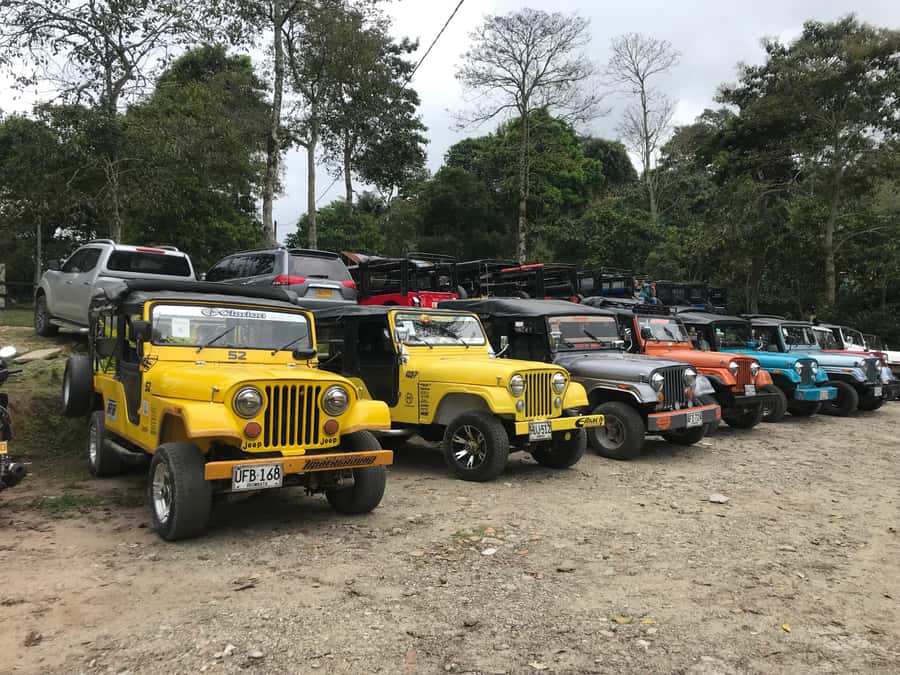
Book it if you want a clear, hands-on explanation of Colombian coffee, a farm setting, and a tasting led in a small group. The strongest reasons are the complete bean-to-brew process, the sustainable farm context, and the personal scale.
Before booking, check three things: choose the correct language and time, confirm the VAT documents and final cost, and leave enough room for the entire three-hour visit. If those details work for your schedule, $93 buys a well-rounded introduction to coffee culture near Salento, not just another cup with a nice view.
FAQ
How long does the coffee farm tour last?
The experience lasts three hours.
Where does pickup take place?
Pickup is available from hotels and accommodations in the Salento area. The listed pickup options are Salento and Finca El Recreo.
Is transportation included?
Yes. Hotel pickup and drop-off in Salento are included.
What languages are available?
The tour is offered in English and Spanish. The morning tour at 8:30 a.m. is in Spanish, and the afternoon tour at 1:30 p.m. is in English.
How large is the group?
The activity is limited to eight participants.
What does the tour include?
It includes pickup and drop-off in Salento, a Spanish or English-speaking guide, and a guided coffee tasting session.
Is lunch included?
No. Lunch and personal expenses are not included.
What should I bring?
Bring a passport or identity card, comfortable shoes, and comfortable clothes.
More Farms
- Medellin: Horseback Riding Coffee Farm Tour with Coffee Spa
★ 4.8 · 151 reviews - From Bogotá: Coffee Farm and Tequendama Falls Tour
★ 4.5 · 130 reviews - Coffee Farm Experience Private Day Tour
★ 5.0 · 81 reviews - Medellin: Guatape, El Peñol Coffee Farm Private Tour & Fruit
★ 5.0 · 49 reviews
More Coffee Experiences
- Salento and Cócora Tour + Coffee Farm from Pereira/Armenia
★ 5.0 · 33 reviews - Salento: Coffee Master Roasting, Brewing and Tasting Tour
★ 4.8 · 6 reviews - Medellin: Coffee Tour with Transport, Snacks and Tastings
★ 4.7 · 1,357 reviews - Medellín Coffee Farm Tour with Trolley and Cable Car Ride
★ 4.9 · 277 reviews
Just added around Salento
- Salento: Coffee Master Roasting, Brewing and Tasting Tour★ 4.8 · 6 reviews
- Salento: hike to learn about Birds★ 4.9 · 6 reviews
- Cocora Valley: Route of the Hummingbirds + breakfast & lunch★ 4.9 · 6 reviews
- Santa Rita Waterfall and Salento Private Tour★ 5.0 · 9 reviews
- Salento, Cocora and Filandia Full Plan from Pereira/Armenia★ 5.0 · 11 reviews
- Salento: Salento & Cocora Valley Tour★ 5.0 · 11 reviews
- Santa Rosa de Cabal Thermal Hot Springs★ 4.0 · 16 reviews
- From Salento: Cocora Valley Hiking Tour with Lunch★ 4.0 · 17 reviews
Coffee Farm Tours, compared.
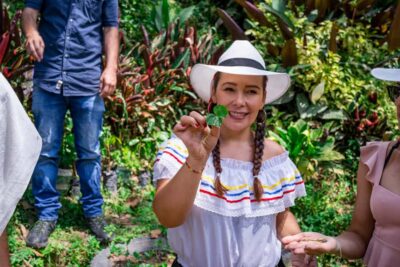
Coffee Tour with Transport, Snacks and Tastings
Read our review →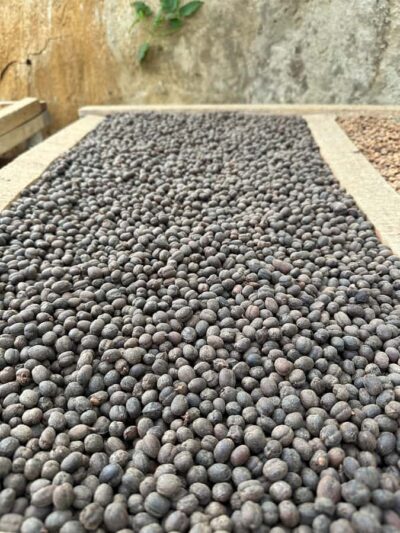
Medellín Coffee Farm Tour with Trolley and Cable Car Ride
Read our review →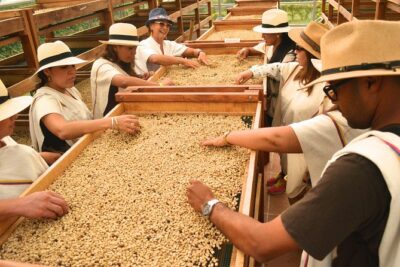
Private Cocora Valley, Salento & Coffee Farm Tour
Read our review →
Horseback Riding Coffee Farm Tour with Coffee Spa
Read our review →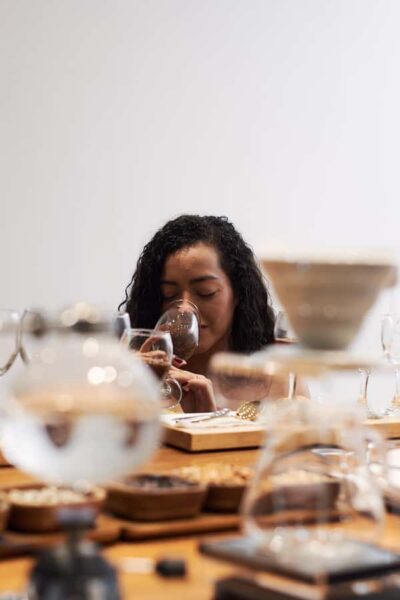
Browse the lists this tour appears in