
Reviewed · COFFEE FARM TOURS
Coffee Tour at Finca El Ocaso Salento: Traditional Spanish Farm
Coffee begins long before the cup. At Finca El Ocaso, you follow that story through coffee gardens, composting stations, plantations, and the working mill, then finish with coffee prepared in a traditional cloth strainer and pot. I like the clear farm-to-cup focus, and I like that sustainability is part of the tour rather than a side note. The main consideration is practical: the tour is in rural Salento, the road is partly unpaved, and transportation is not included.
For $19 per person and 90 minutes, this is a strong-value outing for anyone who wants more than a quick plantation photo. The Spanish-speaking guides have earned praise for being friendly, entertaining, and thorough. One guide named Nicolás was singled out for making an afternoon especially enjoyable. If you need an English tour, this is not the right choice, since the stated tour language is Spanish.
The farm is reached on your own, usually by Willys Jeep from Salento. Those shared jeeps leave every hour from 8:30 a.m. to 4:30 p.m., and return service is available from the farm. Bring insect repellent, comfortable clothes, and sun protection. A low car is a poor choice for the road, and rain will not cancel the tour.
In This Review
- Five details that make this coffee tour worth considering
- Reaching Finca El Ocaso from rural Salento
- Starting with coffee history and plant biology
- Walking through the gardens and coffee plantations
- Composting and sustainable coffee production
- Inside the mill: from hopper to drying
- Storage, threshing, and the route to market
- Roasting and why it changes the cup
- Ending with a cloth strainer and coffee tasting
- What the guides add to the experience
- Is $19 good value?
- Weather, clothing, and small practical matters
- Who should book this coffee experience?
- My verdict: book it for the farm-to-cup story
- FAQ
- Where is the coffee tour held?
- How much does the tour cost?
- How long does the experience last?
- Is transportation included?
- How can I reach the farm from Salento?
- Is the tour offered in English?
- What does the tour include?
- Is food included?
- What should I bring?
- Can I cancel or pay later?
Five details that make this coffee tour worth considering
- The tour follows the entire coffee chain, from planting and harvesting to threshing, roasting, preparation, and tasting.
- Sustainability has a practical role, with a composting station, crop fertilization, and discussion of local fauna and flora.
- The mill visit includes real processing equipment, including the hopper, pulper, and both mechanical and traditional drying methods.
- The final cup uses a cloth strainer and pot, giving you a simple Colombian preparation method rather than a modern café demonstration.
- Spanish is the tour language, so basic Spanish will help you get more from the explanations and questions.
- The $19 price excludes transport and food, but it includes the guided farm visit and tasting.
Reaching Finca El Ocaso from rural Salento
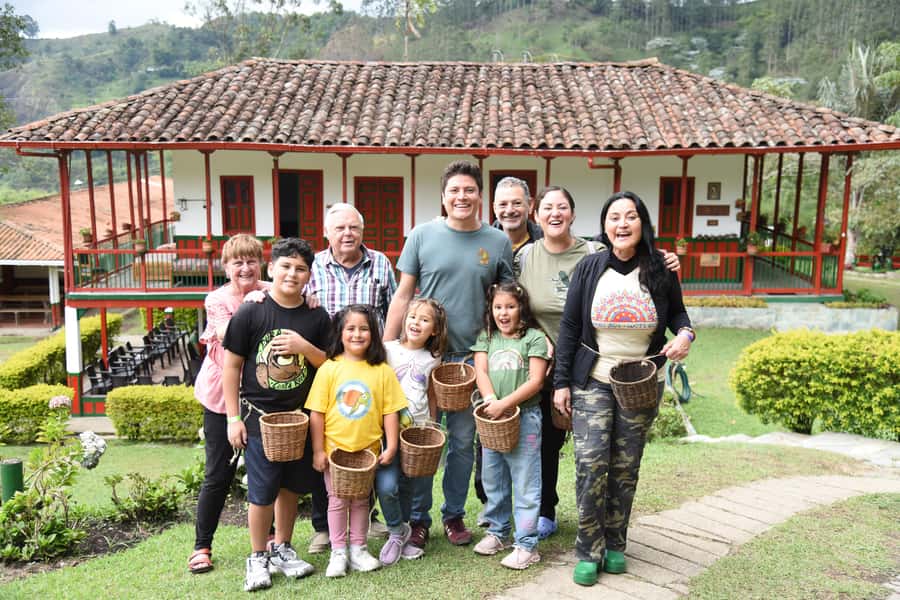
The first thing to understand is that this is not a town-center activity. You must arrive directly at the farm, and your ticket does not include a transfer.
Public transportation is the most practical option for many visitors. Willys Jeeps leave Salento every hour from 8:30 a.m. until 4:30 p.m. You can also take a Willys back from the farm after the tour, though you should plan your timing rather than assume a private ride will be waiting.
The road is not completely paved. I would avoid arriving in a low car, especially after rain. This is a rural farm visit, not a polished roadside attraction, and the rough approach is part of the practical cost of reaching the coffee fields.
Check the available start times before booking, then allow enough time to reach the meeting point. Since transportation is separate, the $19 price is not your full outing budget. Still, the added Jeep fare buys access to the farm setting and a much fuller lesson than a simple tasting in Salento.
More Coffee Farm Tours in Salento
- Salento: Private Cocora Valley, Salento & Coffee Farm Tour
★ 4.9 · 202 reviews - Coffee Tour Salento-Ocaso Farm- English Tour
★ 4.6 · 88 reviews - Coffee Farm and Salento Walking Tour
★ 5.0 · 47 reviews
Starting with coffee history and plant biology
The tour begins with the background needed to understand what you are seeing. You learn about the history of coffee, the main coffee species, and how coffee trees are planted and grown.
That opening matters because coffee can seem like a finished product in a bag or cup. Here, you get the basic vocabulary for the rest of the visit. The guide connects the plant in the field with the beans later handled in the mill, so the process feels less mysterious.
The tour also covers sowing and harvesting. These subjects help you notice the work behind each harvest rather than seeing the plantation as a pretty collection of green plants. The farm presents coffee as an agricultural process with several stages, each affecting the final quality.
The explanations are in Spanish. If your Spanish is limited, you can still see the plants and machinery, but you may miss some of the detail about species, growth, and cultivation. A translation app or a little coffee vocabulary could be useful.
Walking through the gardens and coffee plantations
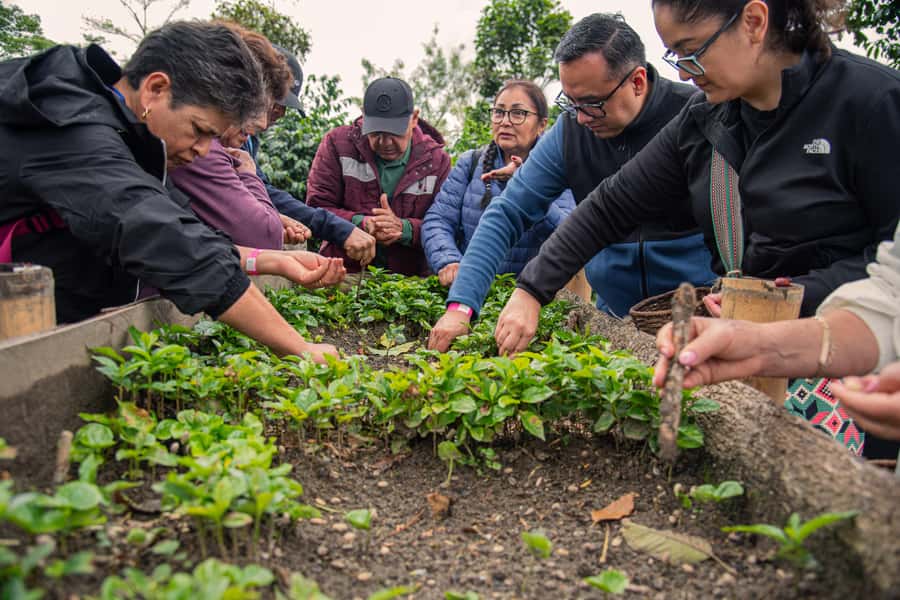
The garden and plantation portion gives the tour its sense of place. You move beyond the cup and see where coffee grows, along with the surrounding plants and farm setting.
The itinerary includes harvesting and sowing, so the visit is not limited to mature coffee trees. That broader view helps you understand that a coffee farm is always working through different stages at once. Some plants are being established, others are being cared for, and the crop eventually moves toward processing.
You also hear about fauna and flora. This is a useful part of the tour because sustainable coffee production is not only about avoiding waste. It also involves how cultivation fits with the living world around the farm.
Do not expect a long hike based on the stated 90-minute duration. The tour has several subjects to cover, including the fields, composting station, mill, roasting, and tasting. Comfortable clothing is still a good idea because you are visiting an active rural farm rather than sitting indoors the whole time.
Composting and sustainable coffee production
Finca El Ocaso presents itself as a specialty coffee producer with certification in sustainable production. The tour explains what that means through specific farm practices, including composting and crop fertilization.
The composting station is one of the more useful stops because it turns a broad idea into something you can see. Instead of hearing only that the farm cares about sustainability, you learn how compost and fertilization relate to cultivation.
This section also connects with the discussion of local fauna and flora. I appreciate that the experience treats sustainability as part of farming technique, not simply as a label used to sell better coffee. You can ask questions about how the farm manages its crops and how the surrounding environment fits into production.
The available information does not describe every certification standard or the exact materials used in composting. I would not book this expecting a technical audit of the farm. Think of it as a clear introduction to the principles and visible practices behind sustainable coffee production.
More coffee farm mornings we have written up:
- Salento: Coffee Farm Tour with Tasting
★ 4.9 · 41 reviews - Cocora Valley Tour and Coffee Farms
★ 4.5 · 40 reviews - Coffee Tour.
★ 5.0 · 33 reviews - Salento and Cócora Tour + Coffee Farm from Pereira/Armenia
★ 5.0 · 33 reviews
Inside the mill: from hopper to drying
The mill is the most machinery-focused section of the tour. You visit the hopper, pulper, mechanical dryer, and traditional drying area.
This part shows how freshly harvested coffee changes before it is ready for storage or roasting. The hopper receives the crop, and the pulper helps separate the coffee fruit from the bean. Seeing the equipment gives you a better sense of why processing is just as important as growing.
The two drying methods are especially useful to compare. Mechanical drying suggests a controlled process using equipment, while traditional drying shows an older, more hands-on approach. The tour explains both rather than presenting one method as the only correct answer.
That comparison matters because moisture affects coffee quality and storage. The visit does not promise a laboratory lesson, but it does show you that careful processing continues after picking. For coffee lovers, this is likely the most rewarding technical portion of the 90 minutes.
Storage, threshing, and the route to market
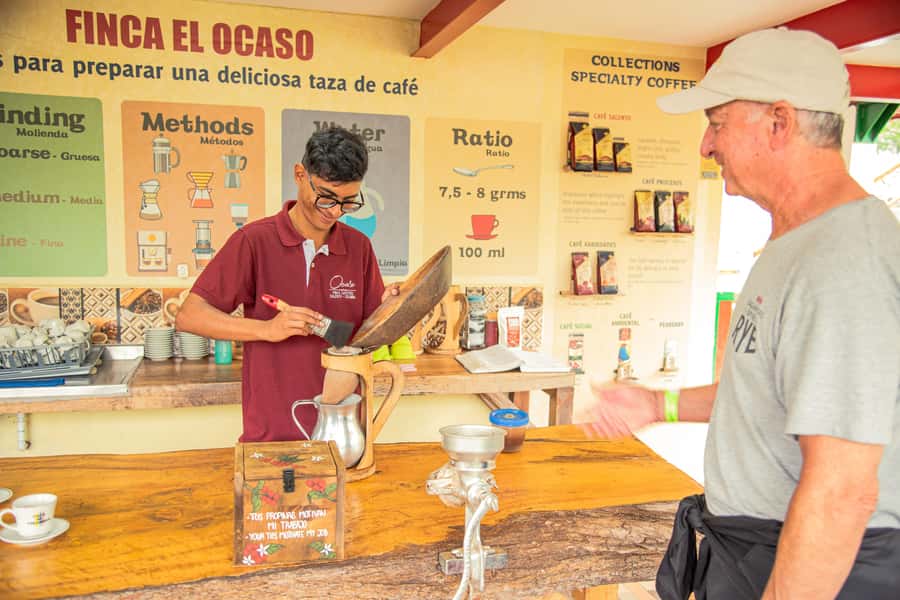
After drying, the coffee still has more steps before it becomes the familiar roasted bean. The tour covers storage, threshing, and commercialization.
Storage is easy to overlook, but it affects how coffee is protected before sale. Threshing prepares the coffee for the next stage, and commercialization explains how the farm’s work eventually connects with buyers and the wider coffee trade.
This section gives the experience a useful business angle. You are not only looking at plants and tasting coffee. You are also learning how a specialty producer handles a crop as it moves from farm production toward the market.
The information provided does not specify the farm’s individual buyers, export destinations, or commercial partners. You should expect a general explanation of the process rather than a detailed account of every sale.
Roasting and why it changes the cup
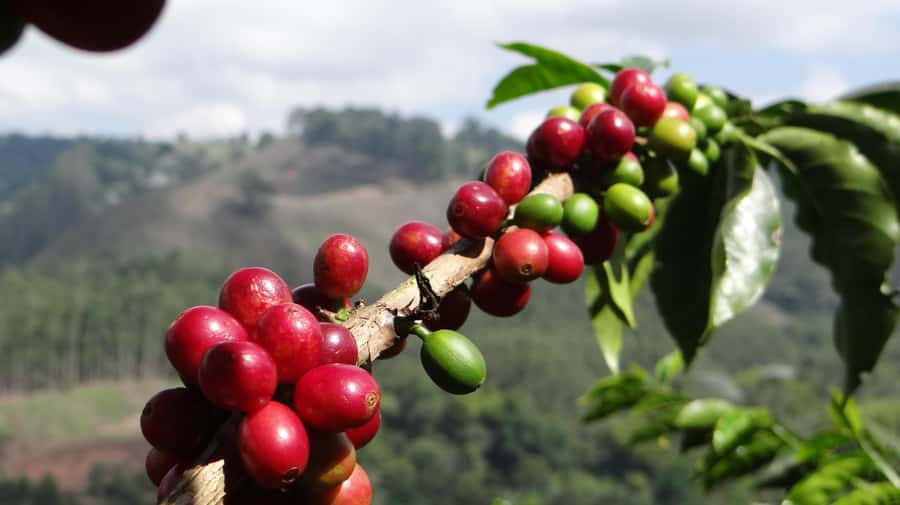
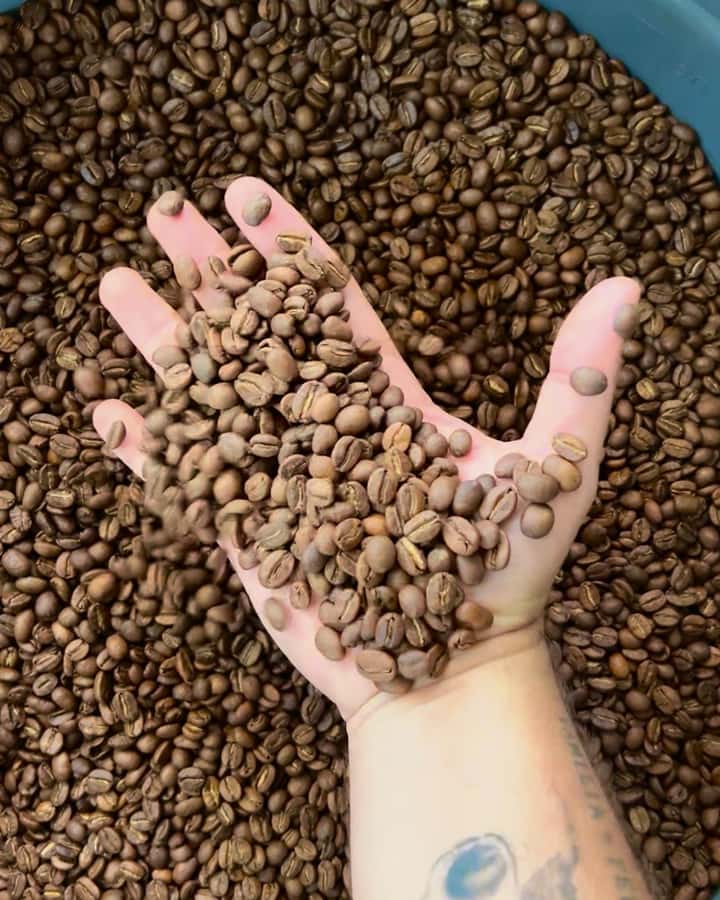
The tour then turns to roasting and its effect on coffee quality. You learn about different roast types and why the roast matters.
This is where many visitors can connect farm practices with taste. A coffee bean’s character does not depend only on the tree or growing conditions. Roasting changes the flavor and determines how the coffee presents itself in the cup.
The guide explains the importance of roast level rather than treating dark or light roasting as a simple matter of preference. For anyone who buys specialty coffee, this helps make sense of labels and tasting notes later.
I like that roasting comes after the farm and mill sections. The order makes sense: first the plant, then harvesting and processing, then storage and sale, and finally the preparation of the drink. It gives you a complete chain without requiring a full-day visit.
Ending with a cloth strainer and coffee tasting
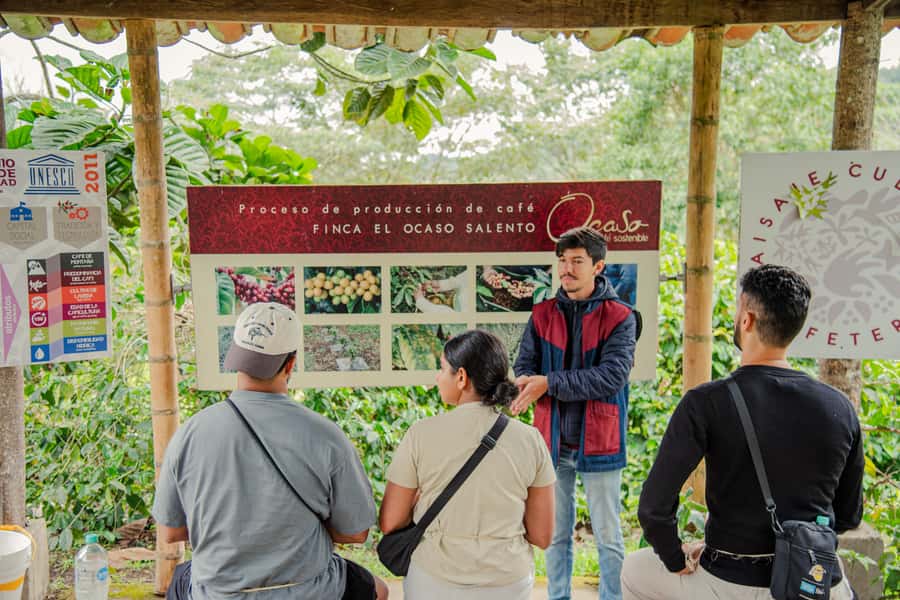
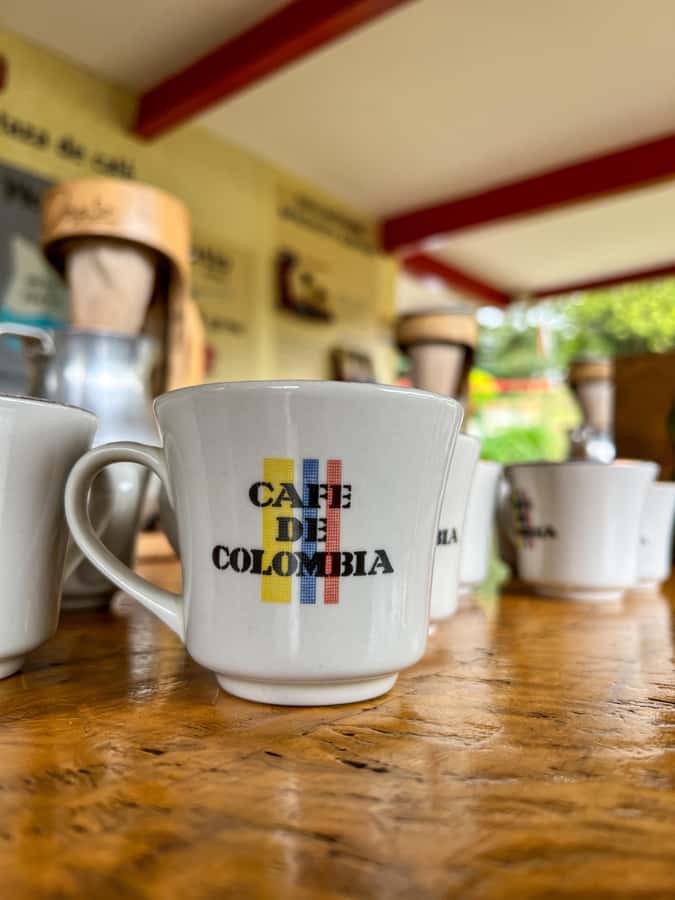
The final preparation uses a traditional cloth strainer and pot. This is a simple method, but that simplicity is the point.
You see coffee prepared in a familiar Colombian style rather than through an elaborate café machine. The tasting gives you a chance to connect the earlier explanations with an actual cup. You have seen how coffee is grown, processed, dried, stored, threshed, and roasted. Now you taste the result.
The tasting is included in the $19 price. Food is not included, so do not treat this as a meal stop. If you want lunch or a snack, plan that separately in Salento or elsewhere.
The final cup also gives you a chance to ask about roast types and quality. If you are serious about coffee, pay close attention to how the guide links preparation with flavor. If you simply enjoy coffee, the tasting still provides a pleasant ending to a practical farm visit.
What the guides add to the experience
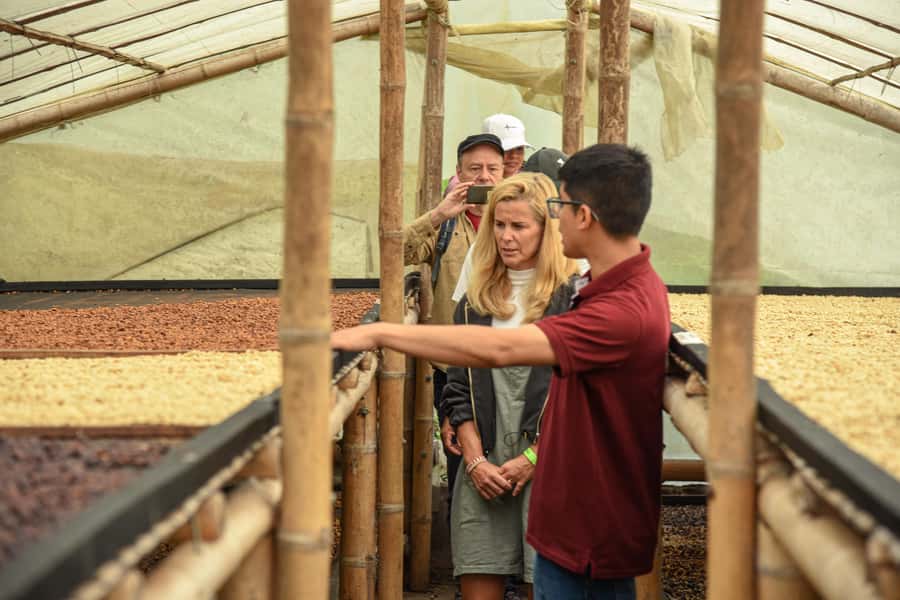
The strongest praise focuses on the guides. The descriptions consistently point to a friendly, entertaining, and well-informed presentation, with one January visit with Nicolás described as an especially enjoyable afternoon.
That combination matters. Coffee farming involves plenty of technical terms, and a dry explanation of pulpers, drying, and threshing could become a lesson in machinery. A guide who keeps the mood relaxed makes the 90 minutes easier to follow.
The tour has also been described as educational, professional, complete, and relaxed at the same time. That is the balance I would hope for here. You get a serious explanation of coffee production without needing to be a farmer or coffee professional.
Because the language is Spanish, the guide’s delivery will matter even more for Spanish-speaking visitors. For others, the quality of your experience will depend partly on how much Spanish you understand. The setting and equipment remain worth seeing, but the explanations are the heart of the tour.
Is $19 good value?
I consider $19 a fair price for the amount of ground covered. In 90 minutes, you receive a guided look at coffee history, plant growth, harvesting, sowing, sustainability, the mill, storage, threshing, commercialization, roasting, preparation, and tasting.
The tour does not include transportation or food, so you should add those costs to your day. The farm is also outside town, and the road may be rough. Even with those extras, the price compares well with the depth of the visit if coffee is one of your main interests.
The value is strongest for someone who wants to understand the whole process. If you only want a cup of coffee and a quick plantation photo, a shorter stop may suit you better. Here, you are paying for explanation and access to the working stages of production.
Flexible booking also helps. You can reserve now and pay later, and cancellation is free up to 24 hours before the activity for a full refund. Keep those terms in mind if your Salento schedule may change.
Weather, clothing, and small practical matters
Rain does not cancel the activity. The farm sells rain ponchos, so you can still go in wet weather, but I would bring suitable clothing if rain is in the forecast.
Insect repellent is recommended and can also be purchased at the farm store. Sun block is not included, so bring your own. Comfortable clothes are the basic requirement, especially since you will be visiting gardens, plantations, and working farm areas.
Alcohol and drugs are not allowed. The tour does not list transportation as part of the ticket, so arrive at the farm rather than waiting for a pickup in central Salento.
The stated location information identifies the experience with Finca El Ocaso and rural Salento, while the booking details list Tolima as the location. Follow the farm’s meeting instructions and confirm the exact route and departure point for the Willys before setting out.
Who should book this coffee experience?
I would choose this tour if you care about where coffee comes from, want to see processing equipment, or enjoy learning how farming affects taste. It also suits visitors who prefer a small, focused rural activity to a long sightseeing day.
Spanish-speaking visitors will get the most from the explanations. Coffee professionals may find the 90-minute format introductory rather than advanced, but the sequence from plantation to tasting still gives a useful overview.
Families and casual coffee drinkers may enjoy the mix of outdoor walking, machinery, and tasting, though the road and weather are worth considering. Anyone expecting an English tour, included transfers, a meal, or a fully paved approach should choose carefully.
My verdict: book it for the farm-to-cup story
I would book Finca El Ocaso if coffee is a real interest rather than a passing thought. The tour earns its price by showing the complete process, from sowing and composting to drying, roasting, and a traditional cup.
The main trade-offs are clear: Spanish only, no transport, no food, and a partly unpaved rural road. If those points work for your plans, the 4.8 rating from 89 evaluations fits the experience described: friendly guiding, useful detail, and a relaxed but serious look at Colombian coffee production.
FAQ
Where is the coffee tour held?
The tour is held at Finca El Ocaso in the rural area of Salento. You must arrive directly at the farm.
How much does the tour cost?
The listed price is $19 per person.
How long does the experience last?
The tour lasts 90 minutes.
Is transportation included?
No. Transportation is not included, and you must make your own way to the farm.
How can I reach the farm from Salento?
Public Willys Jeeps leave every hour from 8:30 a.m. to 4:30 p.m. You can also return to Salento by Willys from the farm.
Is the tour offered in English?
The stated tour language is Spanish. Some content may be presented in its original language.
What does the tour include?
It includes the coffee history and cultivation explanation, plantation and garden visit, sustainability discussion, composting station, mill visit, storage and commercialization information, roasting explanation, traditional preparation, and a tasting.
Is food included?
No. Food is not included in the ticket.
What should I bring?
Bring comfortable clothes, insect repellent, and sun block. Rain ponchos and insect repellent can also be purchased at the farm.
Can I cancel or pay later?
You can reserve and pay later. Cancellation is free up to 24 hours in advance for a full refund.
More Farms
- Medellin: Horseback Riding Coffee Farm Tour with Coffee Spa
★ 4.8 · 151 reviews - From Bogotá: Coffee Farm and Tequendama Falls Tour
★ 4.5 · 130 reviews - Coffee Farm Experience Private Day Tour
★ 5.0 · 81 reviews - Medellin: Guatape, El Peñol Coffee Farm Private Tour & Fruit
★ 5.0 · 49 reviews
More Coffee Experiences
- Coffee Farm Tour at Finca El Ocaso from Salento
★ 4.5 · 19 reviews - Salento: Coffee Master Roasting, Brewing and Tasting Tour
★ 4.8 · 6 reviews - Medellin: Coffee Tour with Transport, Snacks and Tastings
★ 4.7 · 1,357 reviews - Medellín Coffee Farm Tour with Trolley and Cable Car Ride
★ 4.9 · 277 reviews
Just added around Salento
- Salento: Coffee Master Roasting, Brewing and Tasting Tour★ 4.8 · 6 reviews
- Salento: hike to learn about Birds★ 4.9 · 6 reviews
- Cocora Valley: Route of the Hummingbirds + breakfast & lunch★ 4.9 · 6 reviews
- Santa Rita Waterfall and Salento Private Tour★ 5.0 · 9 reviews
- Salento, Cocora and Filandia Full Plan from Pereira/Armenia★ 5.0 · 11 reviews
- Salento: Salento & Cocora Valley Tour★ 5.0 · 11 reviews
- Santa Rosa de Cabal Thermal Hot Springs★ 4.0 · 16 reviews
- From Salento: Cocora Valley Hiking Tour with Lunch★ 4.0 · 17 reviews
Coffee Farm Tours, compared.
Coffee Tour with Transport, Snacks and Tastings
Read our review →
Medellín Coffee Farm Tour with Trolley and Cable Car Ride
Read our review →
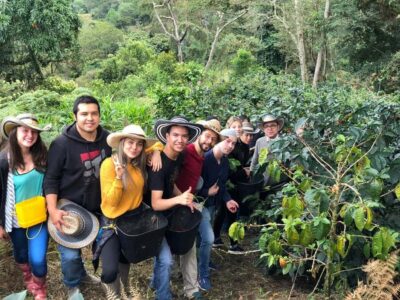
Private Cocora Valley, Salento & Coffee Farm Tour
Read our review →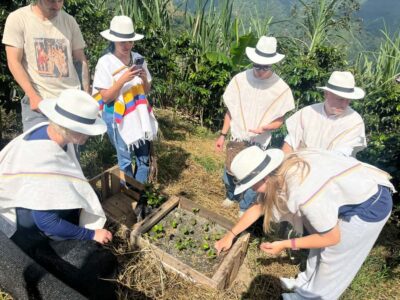
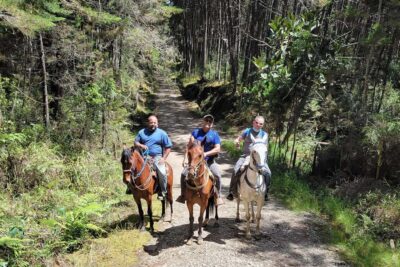
Horseback Riding Coffee Farm Tour with Coffee Spa
Read our review →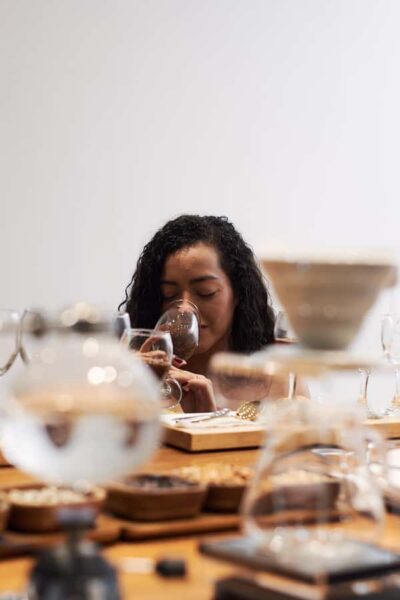
Browse the lists this tour appears in