
Reviewed · COFFEE FARM TOURS
Salento: Coffee Master Roasting, Brewing and Tasting Tour
Coffee gets serious, but never stuffy. This two-hour experience near Salento takes you from green bean to brewed cup, with hands-on roasting, four pour-over methods, and a guided tasting of specialty coffees. I like the practical format and the chance to work with the equipment instead of simply watching a demonstration. I also like the small group limit of 10, which should give you room to ask questions.
The main drawback is that the exact tasting lineup is a little unclear. The activity describes preparing five coffees, while one detailed account describes tasting four. Transportation is also not included, and the advice about arriving well-fed and free of strong scents is worth taking seriously.
In This Review
- Key points to know before booking
- What the $52 price actually buys you
- Starting with green beans and the drum roaster
- Why the roasting lesson matters
- Four pour-over methods, with plenty of room to compare
- Tasting full washed, fermented, and natural coffees
- A relaxed owner-led style
- Getting there from Salento
- Who will enjoy this most
- What I would prepare before arrival
- Booking flexibility and group size
- Should you book this coffee workshop?
- FAQ
- How long does the coffee experience last?
- How much does the tour cost?
- What languages are available?
- Is transportation to the plantation included?
- Are meals included?
- How many people can join the group?
- What coffee brewing methods will I learn?
- What coffee processing methods will I compare?
- Can I cancel for a refund?
- Is the experience suitable for children?
Key points to know before booking
- Roast a 2-kilogram batch: You get supervised, hands-on time with a drum roaster, not just a talk beside the machine.
- Learn four pour-over methods: The brewing workshop shows how equipment and technique can change the same basic drink.
- Taste coffees from different processes: Full washed, extended fermentation, and natural coffees help you compare acidity, sweetness, body, and aftertaste.
- Small, bilingual setting: The group is limited to 10 people, with instruction in English or Spanish.
- Easy to reach from Salento, but transport is separate: One participant found it simple to get there from town without paying for a larger transport package.
- Come ready to taste: Eat first, avoid perfume and strong deodorant, and skip smoking or alcohol before the session.
What the $52 price actually buys you
At $52 per person, this is not the cheapest way to drink coffee in Colombia. You can find a good cup for far less. The value here comes from the amount of participation packed into two hours: roasting, brewing, and guided tasting all happen in one compact visit.
You are paying for access to equipment, instruction from master roasters, several specialty coffees, and a small-group format. That makes the price easier to justify if you already enjoy coffee or want to understand why one cup tastes bright and fruity while another feels heavier and sweeter.
I would not book this simply as a casual coffee stop. The session is built as a workshop, and the tasting requires attention. If your ideal afternoon is a quick drink and a pretty farm view, this may feel too technical. If you want skills you can use at home, the price is more convincing.
The strongest value comes from the practical work. You roast a batch under supervision, handle brewing equipment, and compare coffees side by side. That is more useful than hearing a general explanation and leaving without knowing how the ideas affect the final cup.
More Coffee Farm Tours in Salento
- Salento: Private Cocora Valley, Salento & Coffee Farm Tour
★ 4.9 · 202 reviews - Coffee Tour at Finca El Ocaso Salento: Traditional Spanish Farm
★ 4.8 · 89 reviews - Coffee Tour Salento-Ocaso Farm- English Tour
★ 4.6 · 88 reviews
Starting with green beans and the drum roaster
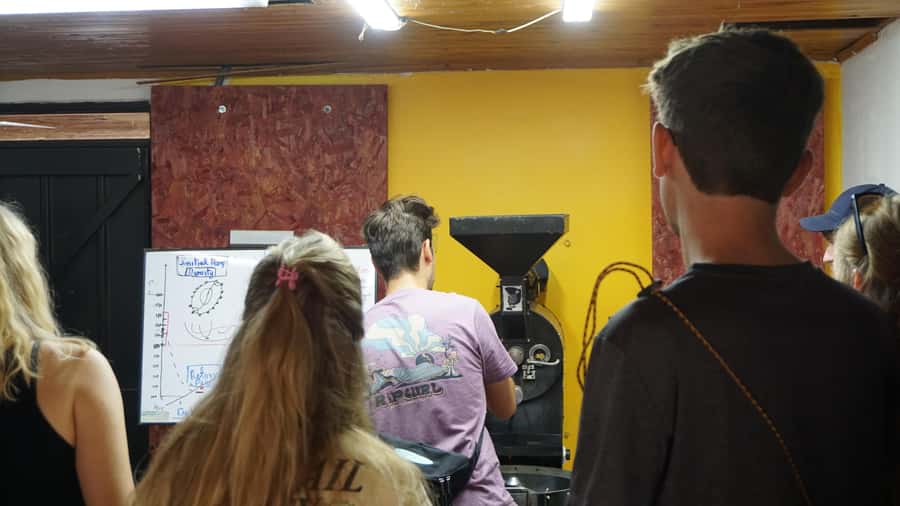
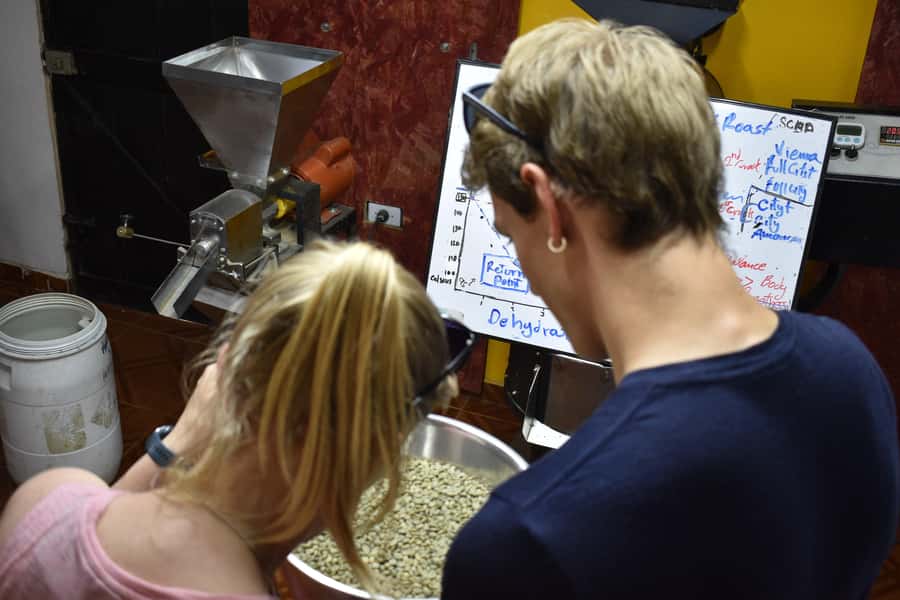
The first part focuses on roasting. You begin with green coffee beans, before heat has created the color, smell, and flavors associated with a finished roast. The technician explains how a drum roaster works and introduces two basic forms of energy transfer: conduction and convection.
You do not need a science background to follow this section. The useful point is that roasting is not just a matter of turning beans brown. Heat moves through the drum and surrounding air, and the timing and intensity of that heat affect what you taste later.
The beans change in both physical and chemical ways. They lose moisture, change color, release aroma, and develop the compounds that give roasted coffee its flavor. That connection between the machine and your cup is the heart of the workshop.
I like that the lesson includes roasting profiles. A profile is the pattern of heat and timing used during a roast. It helps explain why the same coffee can produce different results depending on how it is handled.
Origin also matters. Coffee grown in different places can show different flavor tendencies, though the final cup also depends on processing, roasting, grinding, and brewing. The session links these factors rather than treating origin as a magic label.
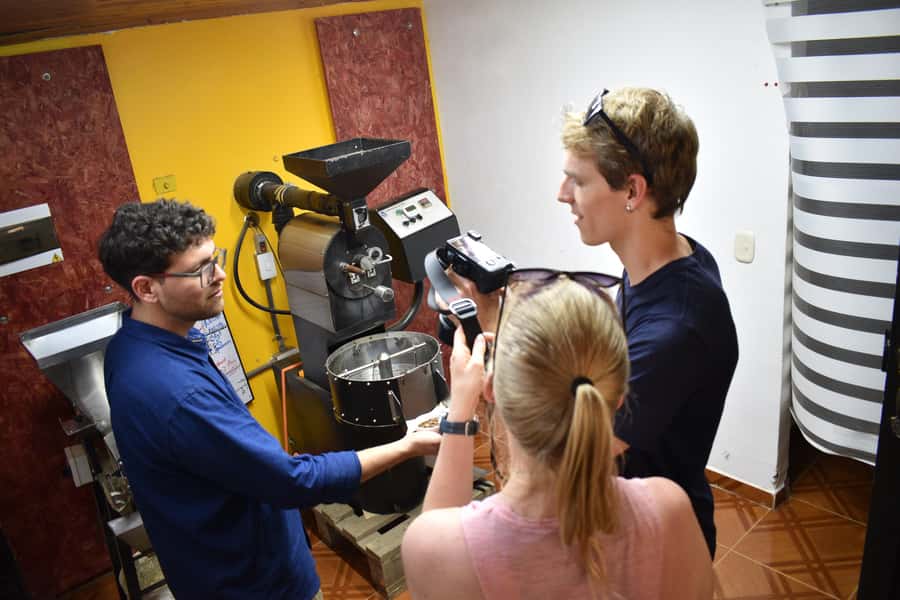
The most unusual part is your chance to roast a 2-kilogram batch of specialty coffee with expert supervision. This is enough coffee to make the task feel real, but the staff remain involved so you are not left guessing at a hot machine.
You should expect this to be hands-on rather than a free-for-all. Roasting equipment involves heat and moving parts, so follow instructions closely. People with back problems should take note of the activity restrictions, since working around equipment may not suit everyone.
Why the roasting lesson matters
Many coffee tours stop at the plant or the cup. This one gives you the middle step, where green beans become something you can brew. That helps you understand why a coffee may taste flat, sharp, sweet, smoky, or balanced.
The lesson also gives you better questions to ask when buying coffee later. You may start noticing roast level, origin, and processing method instead of choosing a bag based only on a broad quality label.
The technician’s role adds value here. The session is led by a coffee professional who can explain the machinery and answer questions while you work. One detailed account also praised the owner for making the experience relaxed and personal, even giving a participant help with a home coffee machine.
That home-machine help is a small but useful detail. If you own equipment that never seems to produce the cup you want, bring your questions. The session may be more helpful when you connect the lesson to your own kitchen routine.
Four pour-over methods, with plenty of room to compare
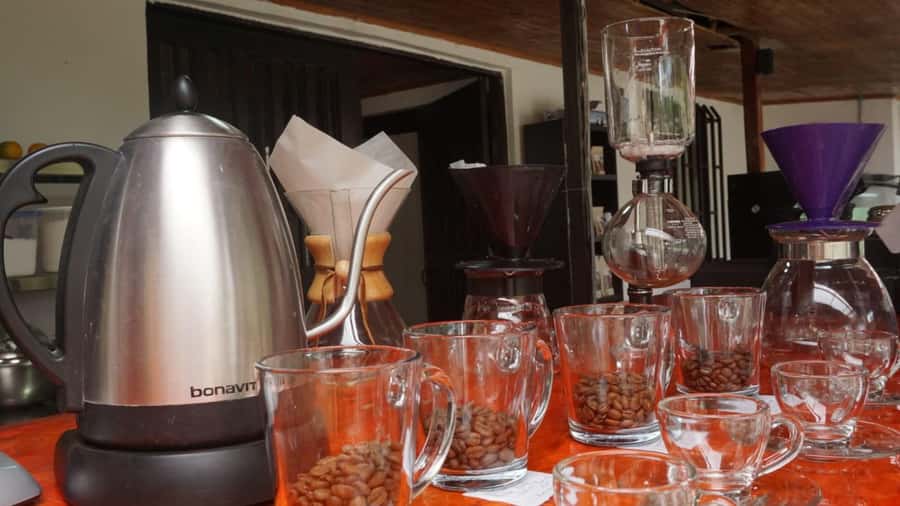
After roasting, the focus shifts to brewing. You work with four different pour-over coffee makers and learn the basic ideas behind manual preparation. The goal is not to crown one method as best. It is to see how equipment, water flow, timing, and technique influence the result.
Pour-over brewing rewards care. The way water meets the grounds affects extraction, which is the process of drawing flavor from the coffee. Too little extraction can leave a cup sharp or thin. Too much can make it harsh or heavy.
You get to prepare the coffees yourself, rather than receiving finished samples from behind a counter. That makes the tasting more useful because you can connect your actions to the flavor in the cup.
The activity description says you will prepare five exotic coffees for sampling. A detailed account describes four coffees brewed through different methods. Since those numbers do not match, ask for the current tasting plan if the number of samples matters to you.
This difference does not ruin the experience. Four coffees are enough for a serious comparison in a two-hour session, especially when you are also roasting and learning the equipment. Still, clear expectations make for a better booking decision.
The workshop should suit you if you want to improve your home brewing. It is less suitable if you dislike measured steps or prefer coffee served quickly. Manual brewing has a little ritual to it, and part of the point is slowing down to notice what changes.
More coffee farm mornings we have written up:
- Coffee Farm and Salento Walking Tour
★ 5.0 · 47 reviews - Salento: Coffee Farm Tour with Tasting
★ 4.9 · 41 reviews - Cocora Valley Tour and Coffee Farms
★ 4.5 · 40 reviews - Coffee Tour.
★ 5.0 · 33 reviews
Tasting full washed, fermented, and natural coffees
The tasting session introduces different processing methods. You compare full washed coffee, extended fermentation coffee, and natural coffee. These terms describe what happens to the coffee fruit and seed after harvesting, before roasting.
Full washed processing generally aims to remove the fruit from the coffee seed before drying. Natural processing dries the coffee with more of the fruit around the seed. Extended fermentation adds more controlled time to the fermentation stage. The tour uses these categories to show how processing can affect taste.
You are asked to look for four basic characteristics:
- Acidity, the lively, tart quality that can remind you of fruit or citrus
- Sweetness, the impression of sugar, caramel, or ripe fruit
- Body, the weight and texture of the drink in your mouth
- Aftertaste, what remains once you swallow
These words can seem vague until you taste several coffees close together. A guided comparison gives you a reference point, so you are not left wondering if you are using the terms correctly.
Aroma is just as important. Smell before sipping, then notice how the aroma changes as the coffee cools. You may find that a cup seems sharper when hot, sweeter when warm, and more revealing after a few minutes.
This is why you should avoid strong deodorant, perfume, skin lotion, and mosquito repellent before arriving. Strong scents can get in the way of your nose, and coffee tasting depends on smell as much as taste.
The same goes for smoking and alcohol. Both can affect your sense of smell and taste. Chewing gum is not allowed, either. These rules may sound fussy, but they protect the part of the experience you are paying for.
You should also eat a proper meal first. The advice is not to arrive on an empty stomach, and that makes sense when you may be tasting several coffees in a short period. Food can help you feel comfortable and keep the tasting from becoming an unpleasant caffeine test.
A relaxed owner-led style
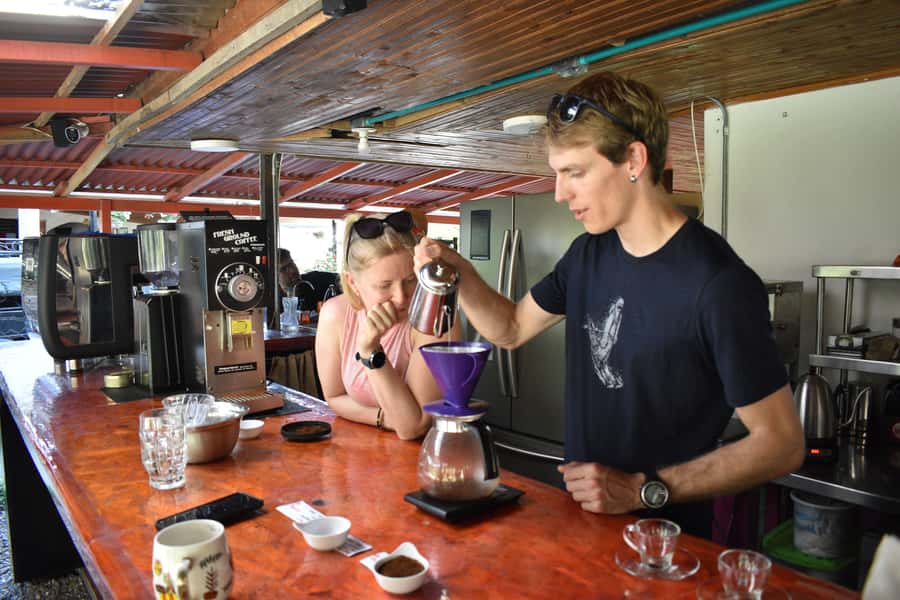
The teaching seems to be one of the experience’s strongest points. The owner has been described as warm, engaging, and easy to talk with, while also explaining the technical side of coffee clearly.
That combination matters. Coffee talk can quickly become full of jargon, but a relaxed instructor helps you ask basic questions without feeling out of place. You can learn about roasting curves and extraction without pretending you already know the answers.
The personal approach also means the session may adjust to the interests of the group. If several people want to discuss home machines, processing, or aroma notes, there appears to be room for conversation. A small group of no more than 10 makes that more likely than a large commercial tour.
The tradeoff is that a small owner-led operation may not feel like a polished stage production. If you expect a fixed script, a large demonstration space, or a formal presentation, this could seem informal. I see that as a plus for most coffee fans, but it is still a matter of taste.
Instruction is available in English and Spanish. That makes the tour workable for international visitors, while Spanish-speaking participants may find it especially easy to ask detailed questions.
Getting there from Salento
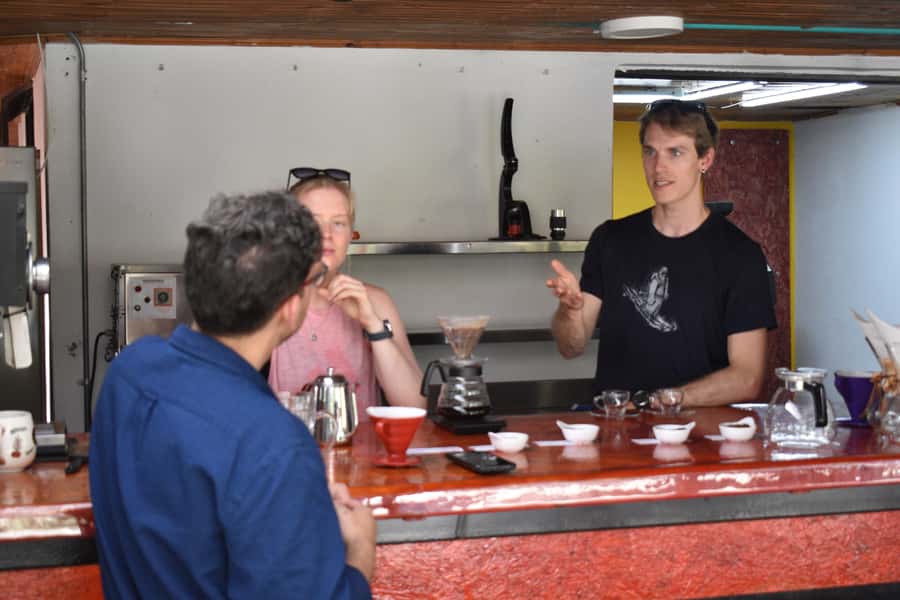
Transportation to the plantation is not included, so you need to arrange your own way there. One participant found the location easy to reach from Salento and appreciated not paying extra for a packaged transport service.
That can be a useful saving, but do not assume the trip will work the same way for every schedule. Check the meeting point and allow enough time to arrive before the two-hour session begins. The supplied information does not give a transfer time, pickup service, or transport price.
The location is described as being in Tolima, connected with the Salento experience. Because the regional wording may matter for your route, confirm the exact meeting point when booking. This is especially important if you are planning other activities around a fixed start time.
The experience lasts two hours. That makes it easy to fit into a half-day plan, but you should leave extra time for getting there and returning. The tasting itself is not a meal, and meals are not included, so plan food before or after the workshop.
Who will enjoy this most
I would recommend this for coffee drinkers who want to understand what they are tasting. It is also a good fit for anyone who owns a pour-over setup or home espresso machine and wants practical help rather than another souvenir.
It suits couples, friends, and solo visitors who enjoy small-group activities. The format encourages questions and conversation, and the owner-led style should make it comfortable for people with different levels of coffee knowledge.
It is not suitable for children under 15. People with back problems should also avoid it, according to the activity restrictions. There is conflicting information about wheelchair access: one section describes the experience as wheelchair accessible, while another says it is not suitable for wheelchair users. If access is important for you, contact the provider before paying and ask for specific details about the route, surfaces, seating, and equipment.
The rules also prohibit smoking, alcohol and drugs, chewing gum, and bare feet. These are simple conditions, but the scent restrictions are especially important for a tasting-focused activity.
What I would prepare before arrival
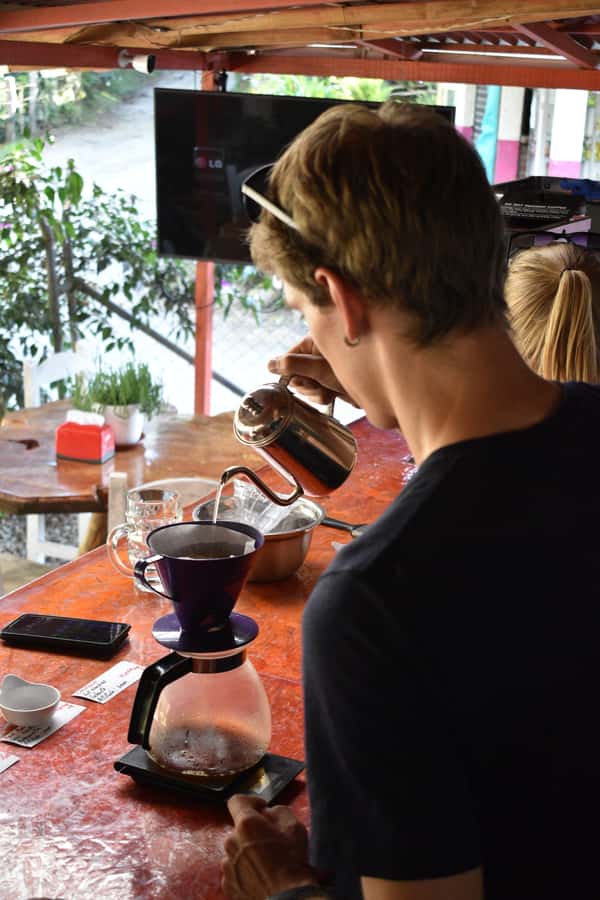
Eat a good meal first. Coffee on an empty stomach is rarely a noble experiment, especially when you are tasting several samples.
Wear ordinary clothing and shoes. Bare feet are not allowed, and practical footwear makes more sense around roasting equipment. Avoid perfume, strong deodorant, skin lotions, and powerful insect repellent if you can.
Do not smoke or drink alcohol before the session. Both can interfere with your ability to notice aroma and flavor, which are the main reasons to book this experience.
I would also arrive with one or two questions in mind. You might ask how to choose a roast for your home brewer, why a coffee tastes sour, or how natural processing changes the cup. The more specific your question, the more useful the hands-on instruction may become.
Booking flexibility and group size
You can cancel up to 24 hours before the experience for a full refund. You can also reserve now and pay later, which helps if your Salento plans are still shifting.
Starting times vary, so check availability for your date. The two-hour length is fixed, but the best time depends on your wider itinerary and transport plans.
The group limit is 10 people. That is small enough to make the brewing stations and questions manageable, though the exact amount of individual time may depend on attendance and how much the group wants to talk.
The activity is insured, and beverages are included. Meals and transportation are not included, so budget for both if needed.
Should you book this coffee workshop?
Book it if you want more than a cup and a photo. The roasting lesson, four brewing methods, and guided comparison of processing styles give you a clear path from green bean to final drink. The owner-led approach adds warmth, while the small group keeps the session personal.
I would skip it if you are looking for a quick, low-effort tasting, a full meal, or a tour with transportation built in. I would also confirm the coffee count and accessibility details before booking, since the supplied information is not fully consistent on those points.
For coffee fans, $52 is a fair price for two hours of real participation and several specialty samples. Come fed, scent-free, curious, and ready to work a little. You will leave with a sharper sense of what makes coffee taste the way it does, and perhaps a better chance of getting your home brewer to behave.
FAQ
How long does the coffee experience last?
The experience lasts two hours.
How much does the tour cost?
The price is $52 per person.
What languages are available?
Instruction is available in English and Spanish.
Is transportation to the plantation included?
No. Transportation to the plantation is not included.
Are meals included?
No. Meals are not included, and you are advised to eat a good meal before the tasting.
How many people can join the group?
The group is limited to 10 participants.
What coffee brewing methods will I learn?
You will explore four different pour-over coffee makers and take part in hands-on brewing.
What coffee processing methods will I compare?
The tasting covers full washed, extended fermentation, and natural processing methods.
Can I cancel for a refund?
Yes. You can cancel up to 24 hours in advance for a full refund.
Is the experience suitable for children?
No. It is not suitable for children under 15 years old.
More Breweries
- Medellin: Avoeden Café Coffee Brewing Workshop
★ 5.0 · 12 reviews - Cartagena Coffee Masterclass: Artisanal Roasting and Brewing
★ 5.0 · 3 reviews
More Coffee Experiences
- Salento and Cócora Tour + Coffee Farm from Pereira/Armenia
★ 5.0 · 33 reviews - Coffee Farm Tour at Finca El Ocaso from Salento
★ 4.5 · 19 reviews - Medellin: Coffee Tour with Transport, Snacks and Tastings
★ 4.7 · 1,357 reviews - Medellín Coffee Farm Tour with Trolley and Cable Car Ride
★ 4.9 · 277 reviews
Just added around Salento
- Salento: hike to learn about Birds★ 4.9 · 6 reviews
- Cocora Valley: Route of the Hummingbirds + breakfast & lunch★ 4.9 · 6 reviews
- Santa Rita Waterfall and Salento Private Tour★ 5.0 · 9 reviews
- Salento, Cocora and Filandia Full Plan from Pereira/Armenia★ 5.0 · 11 reviews
- Salento: Salento & Cocora Valley Tour★ 5.0 · 11 reviews
- Santa Rosa de Cabal Thermal Hot Springs★ 4.0 · 16 reviews
- From Salento: Cocora Valley Hiking Tour with Lunch★ 4.0 · 17 reviews
- Coffee Farm Tour at Finca El Ocaso from Salento★ 4.5 · 19 reviews
Coffee Farm Tours, compared.
Coffee Tour with Transport, Snacks and Tastings
Read our review →
Medellín Coffee Farm Tour with Trolley and Cable Car Ride
Read our review →
Private Cocora Valley, Salento & Coffee Farm Tour
Read our review →
Horseback Riding Coffee Farm Tour with Coffee Spa
Read our review →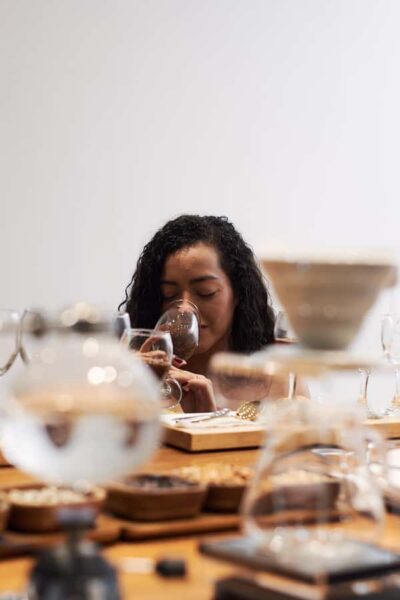
Browse the lists this tour appears in