
Reviewed · CALI TOURS
The Cali Salsa Tour
Cali moves to its own beat. This five-and-a-half-hour tour connects salsa music, local food, museum visits, and dancing in a way that feels much more personal than a standard city excursion. I especially like the stop at the Museo de la Salsa in Barrio Obrero, the neighborhood tied to Cuban music and Cali’s distinctive salsa style, and the chance to finish with a serious dance class at La Topa Tolondra.
The tour also does a fine job of joining music with place. You see the Jairo Varela trumpet monument, visit the Museo Jairo Varela, taste Cali snacks, and then put some steps into practice. The main caution is the pace: two hours at the salsa museum can include a long Spanish-language talk, which may feel tiring if you do not understand Spanish well.
In This Review
- Key Points Before You Book
- Why This Tour Works for Cali
- Meeting the Trumpets at Plazoleta Jairo Varela
- The Grupo Niche Story at Museo Jairo Varela
- Tasting Cali Through Fritanga and Fruit Drinks
- Two Hours at the World’s Oldest Salsa Museum
- Finishing at La Topa Tolondra Nightclub
- What the $77 Price Means
- Who Will Enjoy This Best
- Practical Tips for a Better Day
- Should You Book the Cali Salsa Tour?
- FAQ
- How long does the Cali Salsa Tour last?
- Where does the tour begin?
- Is a salsa background required?
- Which museums are included?
- Is food included?
- Is transportation included?
- Can I take photographs inside the salsa museum?
Key Points Before You Book
- Five and a half hours of salsa culture: This is part museum visit, part food walk, and part dance lesson.
- Two very different music museums: The Museo Jairo Varela focuses on Grupo Niche, while the Barrio Obrero museum traces salsa’s wider roots in Cali.
- An unusual public monument: The Niche trumpets at Plazoleta Jairo Varela include a second instrument painted along the street.
- Local food is built into the day: Try fritanga, lulada, champús, and cholado rather than settling for generic tourist fare.
- The final class is at La Topa Tolondra: You get a chance to dance with teachers and meet people from Cali and abroad.
- Best for curious, active visitors: Comfortable shoes matter, and you should be ready for music, movement, and several hours on the go.
Why This Tour Works for Cali
Cali is known for salsa, but it is easy to experience only the nightlife and miss the story behind it. This tour gives you a useful structure. You begin with symbols and history, move into food and neighborhood culture, and finish by dancing.
That order matters. The monuments and museums give you a sense of why salsa is so important here. The class then turns the subject from something you watch into something you feel in your own feet. You do not need prior experience, since the introductory lesson is designed for beginners through advanced dancers.
I also like the local focus. The route is not limited to polished attractions in the city center. Barrio Obrero and the old salsa museum offer a connection to the people and places that helped shape Cali’s music scene. The tour is family-friendly in its museum portions, though the long dance class makes it especially appealing to adults and older children who enjoy active outings.
Cali Cultural Tours provides guides in English and Spanish. The reviews point to Juan Camilo and Vivi as particularly warm guides, with Juan Camilo praised for making the day personal and helping visitors connect with local people. Guide quality can shape a tour like this, so that is a useful strength.
A few more trips worth weighing up before you book
- Shared Tour Cali’s Historical Downtown
★ 4.8 · 143 reviews - Historical Shared Tour Salsa, Graffiti & Resistance in Cali
★ 5.0 · 107 reviews - The Cali Street Food Walking Tour
★ 5.0 · 81 reviews
Meeting the Trumpets at Plazoleta Jairo Varela
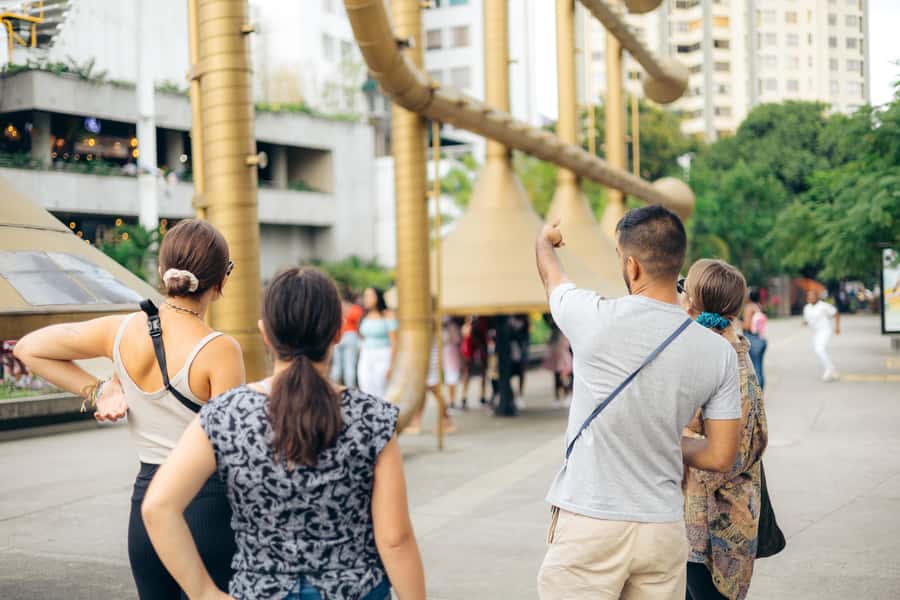
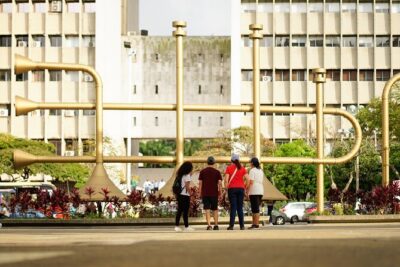
Your meeting point is Plazoleta Jairo Varela, also called the Salsa Plaza or Trumpet Plaza. Look for the large golden trumpet monument. It is an easy visual marker, though you should still allow time to locate the exact meeting spot.
The square honors Jairo Varela, the composer and founder of Grupo Niche, one of Colombia’s best-known salsa groups. The opening visit sets up the musical theme before the tour moves indoors.
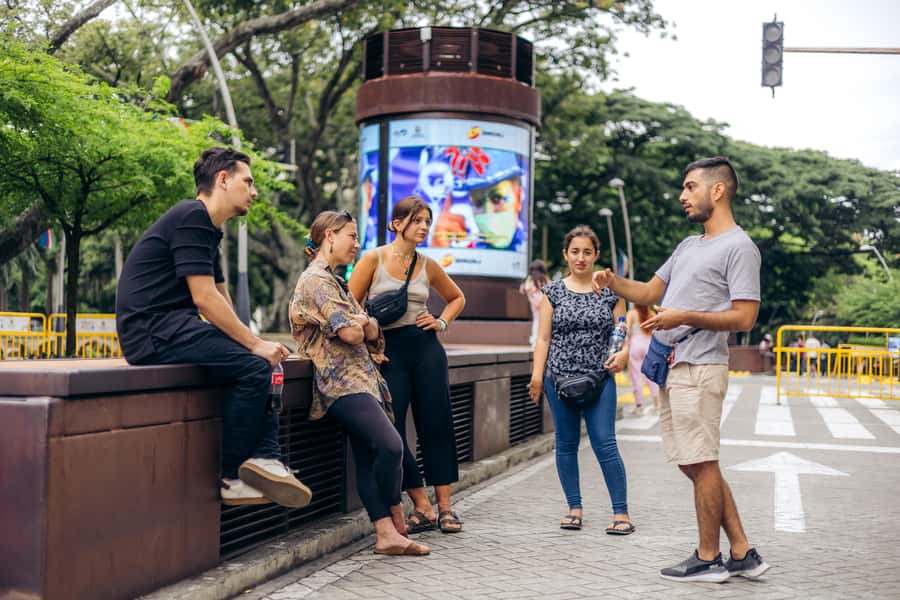
You spend about 15 minutes at the square for an introductory lesson and workshop. This is not intended to be a full dance class. Instead, it gives you a first taste of the rhythm and explains how salsa became part of Cali’s identity.
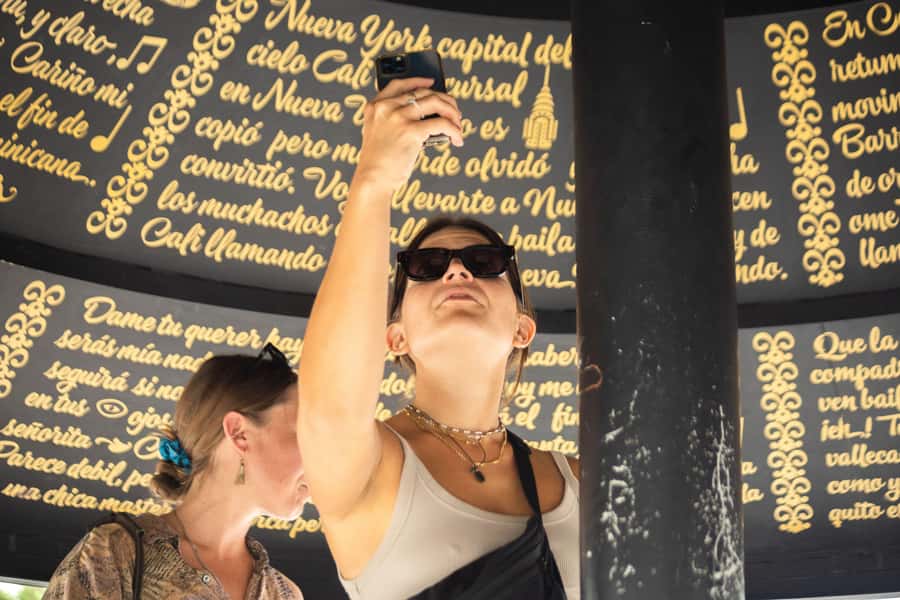
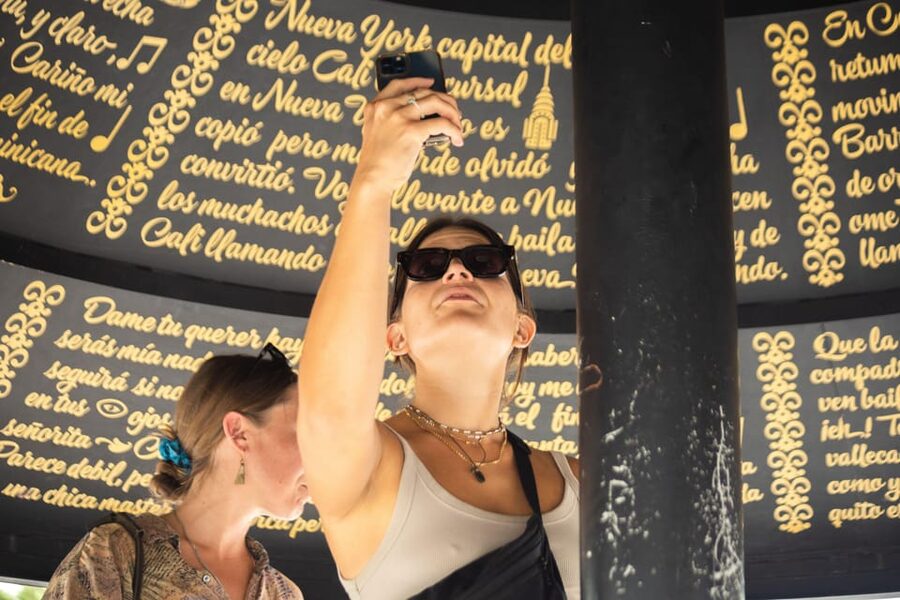
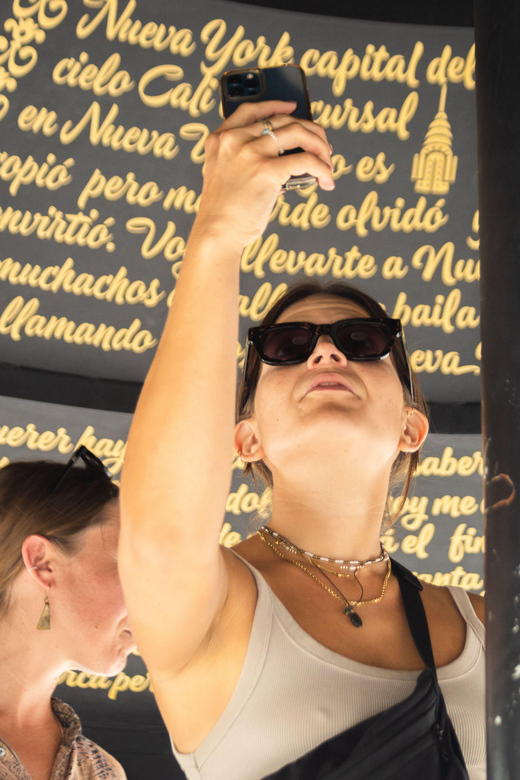
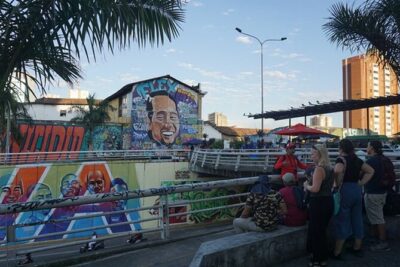
The nearby Trumpet of Niche Monument provides another short stop for photographs and sightseeing. Your guide points out details that are easy to miss, including the second instrument painted over the street. That small feature gives the monument more interest than a simple photo backdrop.
The public art is also a good reminder that Cali’s salsa culture is not confined to clubs. It appears in plazas, street art, museums, food, and everyday conversation. If you enjoy visual details, take a moment to examine the monument rather than rushing through the photograph.
The Grupo Niche Story at Museo Jairo Varela
The next stop is the Museo Jairo Varela, with about 30 minutes for a guided visit. This museum focuses on Grupo Niche and the impact the group had on Colombian music and salsa in Cali.
You can expect memorabilia, original recording equipment, and awards from the group’s career. These objects make the music feel concrete. Instead of hearing only broad statements about fame and influence, you see the tools and honors connected to the band’s work.
This short visit works well because it concentrates on one major figure and one important group. Jairo Varela’s name appears at the very start of the tour, and the museum gives that name context.
The tour includes an introductory salsa class, but do not expect the short workshop at the plaza to replace the later lesson. The first activity is a quick orientation. The substantial class comes at La Topa Tolondra after the museum visits.
Transportation is included from Museo Jairo Varela to the salsa museum. Hotel pickup and drop-off are not included, so you need to arrange your own way to the starting point and back to the city afterward. The tour returns to Plazoleta Jairo Varela at the end.
Tasting Cali Through Fritanga and Fruit Drinks
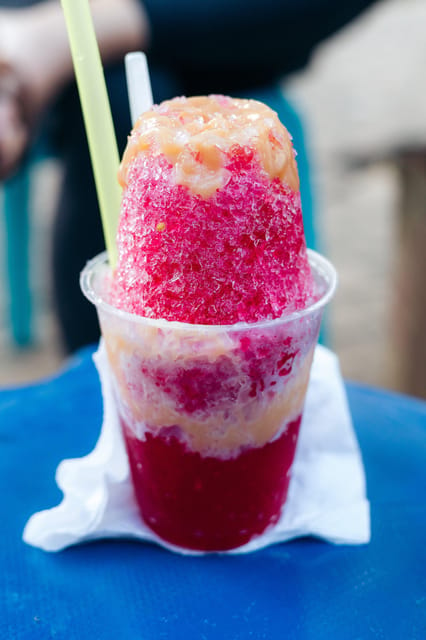
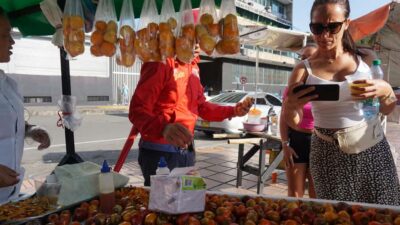
A food break gives your body a pause before the longer museum visit and dance class. The tasting includes local favorites such as empanadas, marranitas, and aborrajado, all grouped under the broad category of fritanga.
The tour also includes drinks and desserts associated with Cali and the surrounding region. Lulada is a cool fruit drink, champús is a traditional sweet and spiced beverage, and cholado is a refreshing shaved-ice treat. A bottle of water and beer are also included for hydration.
I like this part because it keeps the day grounded in local habits. Salsa is not just music played in a club. It is connected to social life, food, family gatherings, and the streets where people spend time together.
The food stop can work for different appetites. You can make it a proper snack if you are hungry, or focus on the drinks and cooler treats if the afternoon heat has taken away your appetite. Personal expenses are not included, so bring money if you want anything beyond the included tasting.
Exact portions and food choices can vary, and the supplied details do not specify dietary substitutions. If you have food restrictions, ask the operator before booking rather than assuming every item will be suitable.
A completely different kind of day out around Cali:
- San Cipriano Rainforest – River, Waterfalls and Adventure Day
★ 5.0 · 73 reviews - Cali: Street Food Tour
★ 4.8 · 71 reviews - Cali: Walking tour of the historic center
★ 5.0 · 69 reviews - Afro Walking Tour. The colors of Cali.
★ 5.0 · 61 reviews
Two Hours at the World’s Oldest Salsa Museum
The Museo de la Salsa in Barrio Obrero is the longest museum stop, lasting about two hours. It is described as the oldest salsa museum in the world, and its setting is important. This is the neighborhood where Cuban music first reached Cali and helped shape the local salsa dance style.
The museum was founded by a local photographer and is now led by younger people from the neighborhood. That combination gives the visit a personal, community-based feel. You are not simply looking at formal exhibits in a quiet institution. Music, photographs, stories, dance, and souvenirs all form part of the experience.
This is likely the heart of the tour for anyone who wants cultural context. The Museo Jairo Varela tells one focused Grupo Niche story. Barrio Obrero gives you a broader view of how salsa developed in Cali and how the city made the music its own.
The tour can include dancing inside the salsa museum, not just listening to an explanation. That makes the long stop more active than a conventional museum visit. One five-star account specifically praised dancing there before the final class, so you may get more movement during the day than the schedule first suggests.
There is one firm rule: photography of the photos inside the salsa museum is forbidden. You can take pictures at other points where permitted, but do not assume that museum displays are fair game. Respecting this rule is important because the photographs are central to the collection.
If you do not speak Spanish, ask your guide how the explanation will work. English and Spanish tours are available, but the length of the visit means language matters. A Spanish speaker may find the two hours fly by. Someone relying on translation may find the lecture portion long, as one four-star review noted.
Wear comfortable shoes here. Even if you are not an experienced dancer, you may be standing, moving, and participating for much of the visit.
Finishing at La Topa Tolondra Nightclub
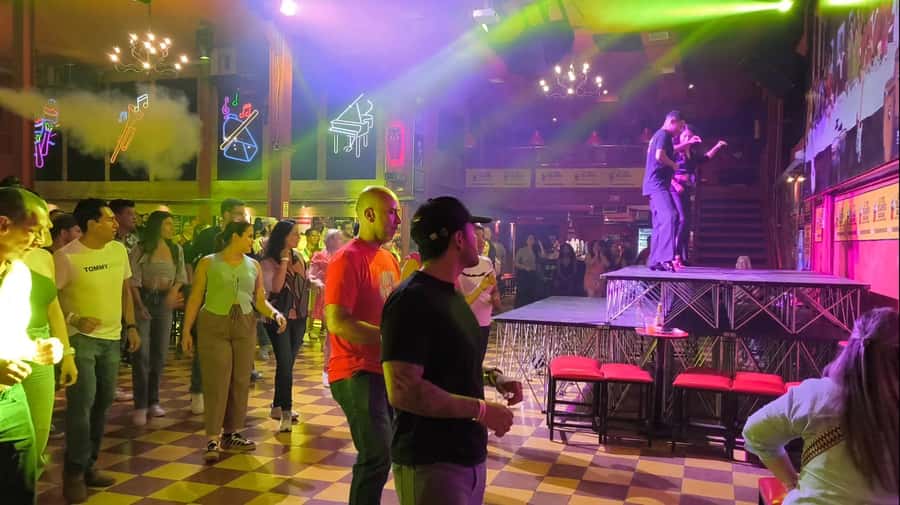
The day ends with a two-hour salsa class at La Topa Tolondra, a well-known Cali nightclub. This is the most physically demanding section of the tour and the part that turns the earlier background into practice.
The class is intended for all levels, from complete beginners to advanced dancers. That does not mean everyone will receive identical instruction. A beginner can work on timing and basic steps, while a more experienced dancer can focus on style, footwork, and partnering.
The wording intense is worth taking seriously. This is not a gentle demonstration where you watch a teacher and leave. You should expect to move for a sustained period. Wear clothing that allows you to move freely, and choose shoes that will not leave you uncomfortable after several hours.
The nightclub also gives the tour a social finish. It is described as a place to meet both local people and visitors. That can be one of the most rewarding parts of the day, especially if you are traveling alone or want more contact than a guide-led sightseeing route usually offers.
You do not have to be good at salsa to enjoy this stop. A willingness to try matters more than polished technique. If you are shy, the earlier museum activities help ease you into the subject before you are asked to dance.
The tour returns to Plazoleta Jairo Varela after the class. Since the day lasts 330 minutes, plan for roughly five and a half hours from start to finish. The schedule is full, so this is not the best choice if you want a relaxed afternoon with long breaks.
What the $77 Price Means
The listed price is $77 per group up to one person. Because the pricing format is unusual, confirm the final amount for your party before paying. The important value question is what the fee covers.
You receive the introductory salsa activity, entry to both museums, a local food tasting, the longer salsa class, water, beer, and transportation between the two museum areas. You also get live guiding in English or Spanish.
For a visitor who would otherwise pay separately for museum entries, a dance lesson, food, and transport, the package can be good value. The greatest benefit is not simply the number of inclusions. It is the connection between them. You learn why the music matters, see physical evidence of its history, taste local food, and then dance.
The price is less attractive if you are interested only in a short salsa lesson or a quick museum visit. Nearly six hours is a serious commitment, and the tour asks you to stay engaged through several different activities.
The experience has a 4.7 rating from nine reviews, with strong praise for the guides and the personalized feel. Juan Camilo was repeatedly singled out for attentive service, while Vivi was called wonderful. One especially positive account described being able to shape the day around personal interests and finishing with a beer while looking toward San Antonio at sunset.
That flexibility may depend on the guide and the day’s timing, so treat it as a possible strength rather than a guaranteed feature. The fixed elements are the museums, food tasting, transport between museums, and final class.
Who Will Enjoy This Best
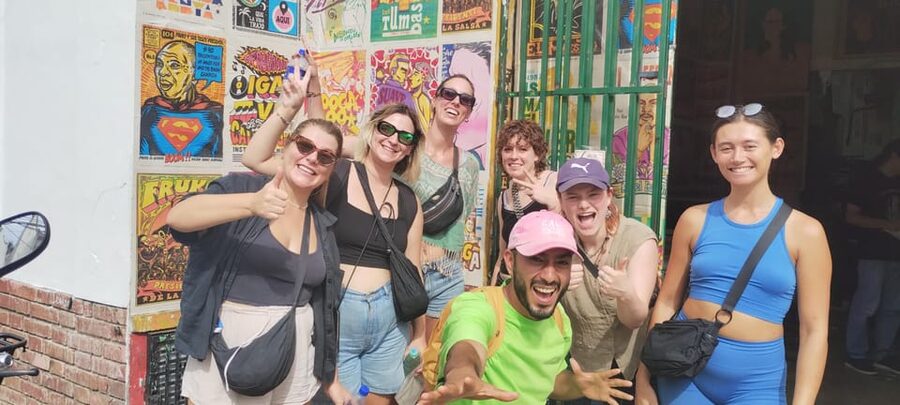
I would recommend this tour to you if salsa is a major reason for visiting Cali, or if you want a cultural activity that is more active than a regular walking tour. It suits first-time dancers because the class welcomes beginners and advanced students.
It is also a good choice if you want local food without arranging several stops yourself. The tasting is not a full food tour, but it gives you a useful introduction to fritanga, lulada, champús, and cholado.
Music fans will appreciate the Museo Jairo Varela and its Grupo Niche material. Visitors interested in community history will likely prefer the longer Barrio Obrero museum visit. Families can enjoy the music and displays, though younger children may find the two-hour museum period and final class demanding.
You may want another type of outing if you dislike dancing, have limited stamina, or prefer short guided visits. The class is a central part of the experience, not an optional extra. Also think carefully about language. English guiding is available, but the museum visit may feel slow if explanations are difficult to follow.
The tour is wheelchair accessible, though the schedule includes dancing and active movement. If you use a wheelchair, confirm any specific needs with Cali Cultural Tours before booking.
Practical Tips for a Better Day
Wear comfortable clothes and proper dancing shoes if you have them. You will be moving during the class and may also dance at the museum.
Arrive at the golden trumpet monument with enough time to identify the meeting point. Hotel pickup is not included, and the only stated transport service is the ride from Museo Jairo Varela to the Museo de la Salsa.
Bring some money for personal purchases. Souvenirs and anything beyond the included food and drinks are your responsibility.
Keep your camera ready at the plazas and monument, but follow the museum rule about photography. Do not photograph the photos inside the salsa museum.
If you need to cancel, you can receive a full refund when you cancel at least 24 hours in advance. You can also reserve now and pay later, which helps if your Cali plans are still shifting.
Should You Book the Cali Salsa Tour?
Book it if you want the full Cali salsa story rather than a single dance class. The combination of the Jairo Varela sites, two museums, local snacks, and La Topa Tolondra gives you a strong sense of how music, neighborhoods, food, and movement fit together.
I would be cautious only if you do not speak Spanish and dislike long museum explanations, or if five and a half hours feels too long. For everyone else, especially curious beginners and music lovers, this is a well-shaped introduction to Cali’s most famous cultural tradition. Just bring comfortable shoes and enough energy for the final two hours.
FAQ
How long does the Cali Salsa Tour last?
The tour lasts 330 minutes, or about five and a half hours.
Where does the tour begin?
It begins at Plazoleta Jairo Varela, also called Salsa Plaza or Trumpet Plaza. Look for the large golden trumpet monument.
Is a salsa background required?
No. The introductory class and the later class at La Topa Tolondra are suitable for all levels, including beginners.
Which museums are included?
The tour includes Museo Jairo Varela and Museo de la Salsa in Barrio Obrero, described as the world’s oldest salsa museum.
Is food included?
Yes. The tasting includes local items such as fritanga, empanadas, marranitas, aborrajado, lulada, champús, and cholado. Water and beer are also included.
Is transportation included?
Transportation is included from Museo Jairo Varela to the Salsa Museum. Hotel pickup and drop-off are not included.
Can I take photographs inside the salsa museum?
Photography of the photos inside Museo de la Salsa is forbidden. Follow the museum’s instructions during the visit.
Just added around Cali
- Cali: Two hours walking Cali City discovery tour★ 5.0 · 3 reviews
- From Cali: Whale Watching Day Trip in Buenaventura★ 4.6 · 3 reviews
- Cali: Three hours walking Cali City discovery tour★ 4.7 · 3 reviews
- Cali: Comuna 20 Siloé Street Art Tour★ 5.0 · 4 reviews
- Craft Beer Pub Crawl in Cali★ 5.0 · 4 reviews
- Cali: Pico de Loro Trekking Adventure – Farallones de Cali★ 5.0 · 4 reviews
- Private Tour on a 1100cc Cruiser Motorcycle★ 5.0 · 4 reviews
- Flavors of Cali: Food tour at the local market★ 5.0 · 5 reviews
Cali Tours, compared.
Historical Shared Tour Salsa, Graffiti & Resistance in Cali
Read our review →
San Cipriano Rainforest – River, Waterfalls and Adventure Day
Read our review →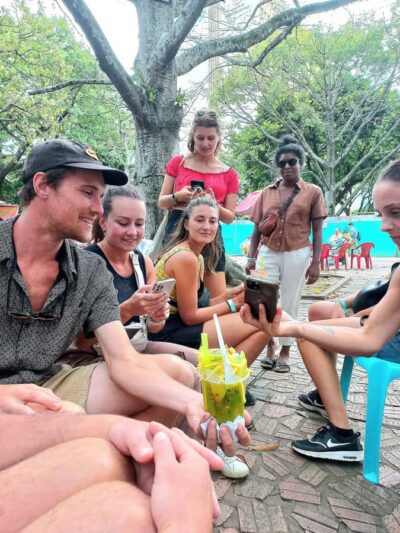

Browse the lists this tour appears in