
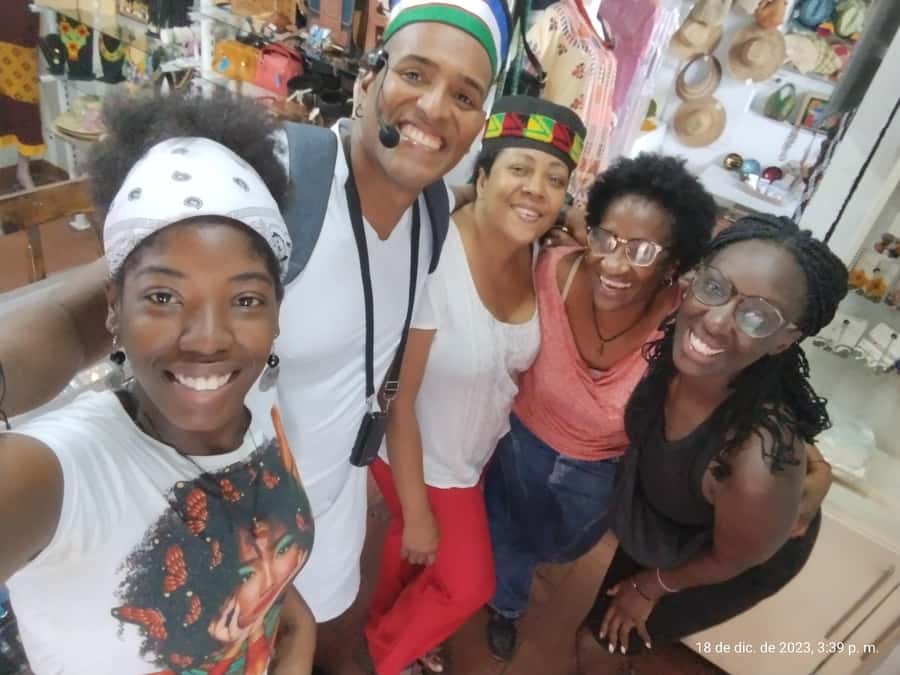
Reviewed · WALKING TOURS
Afro Walking Tour. The colors of Cali.
Cali’s true rhythm lives beyond the dance floor. This 150-minute walking tour with Andrés Jiménez connects Afro-Colombian history, street art, food, music, and daily life in the city center and beyond. It is not a quick checklist of monuments. Andrés uses murals, cultural institutions, local businesses, and conversation to show how African heritage shapes Cali today.
I especially like the personal, interactive style and the chance to taste Afro-Colombian food along the way. The tour also gives you a useful introduction to Cali as the world capital of salsa, with music and dance treated as part of the city’s story rather than a separate show. The main consideration is that you will walk through central streets where you may encounter vendors, beggars, and ordinary city life. That is part of the point, but it may feel direct if you prefer a polished sightseeing route.
Andrés leads in both English and Spanish, and his energy comes through strongly. He asks questions, invites discussion, and can connect the subject to your own background. If you want a standard tour with a fixed lecture, this may feel loose. If you want to understand Cali through its people and creative traditions, it is a strong choice.
In This Review
- Key points at a glance
- Why Afro-Colombian culture belongs at the center of your Cali visit
- Meeting Andrés at the center of Cali
- Reading Cali through murals and public art
- The central streets and the everyday city
- Three cultural institutions and the work of preservation
- Food that makes the history easier to taste
- Salsa as history, not just nightlife
- What the $42 price really buys you
- Who should book, and who should think twice
- Final verdict: book it for the context
- FAQ
- How long does the Afro Walking Tour last?
- How much does the tour cost?
- Where is the meeting point?
- Which languages are available?
- What does the tour include?
- Is the tour wheelchair accessible?
- What should I bring?
Key points at a glance
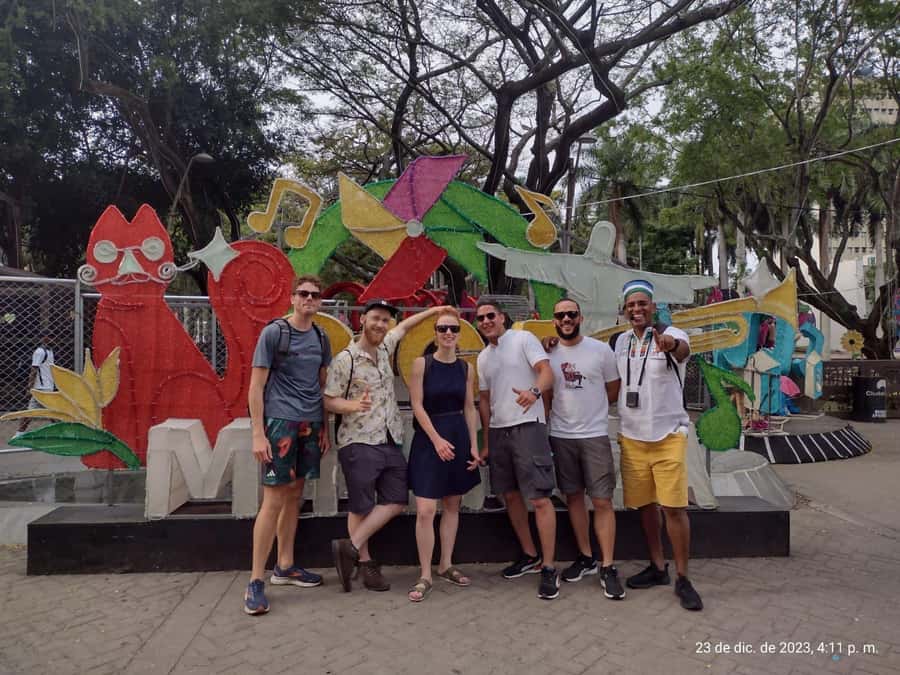
- Afro-Colombian culture in daily life: Learn how African influence appears in Cali’s food, music, dance, art, businesses, and community work.
- Three cultural institutions: Visit three places of cultural interest, including a cultural center with programs tied to music, skills, and education.
- Street art with a story: Murals become starting points for understanding memory, identity, resilience, and the city’s changing neighborhoods.
- Food, salsa, and conversation: Taste local Afro-Colombian food and, depending on the visit, take part in a small salsa lesson.
- A guide who personalizes the walk: Andrés speaks English and Spanish, welcomes questions, and makes the route feel like a conversation.
- Practical fit: The tour costs $42 per person, lasts 150 minutes, is wheelchair accessible, and is not suitable for children under 10 or people with hearing impairments.
Why Afro-Colombian culture belongs at the center of your Cali visit
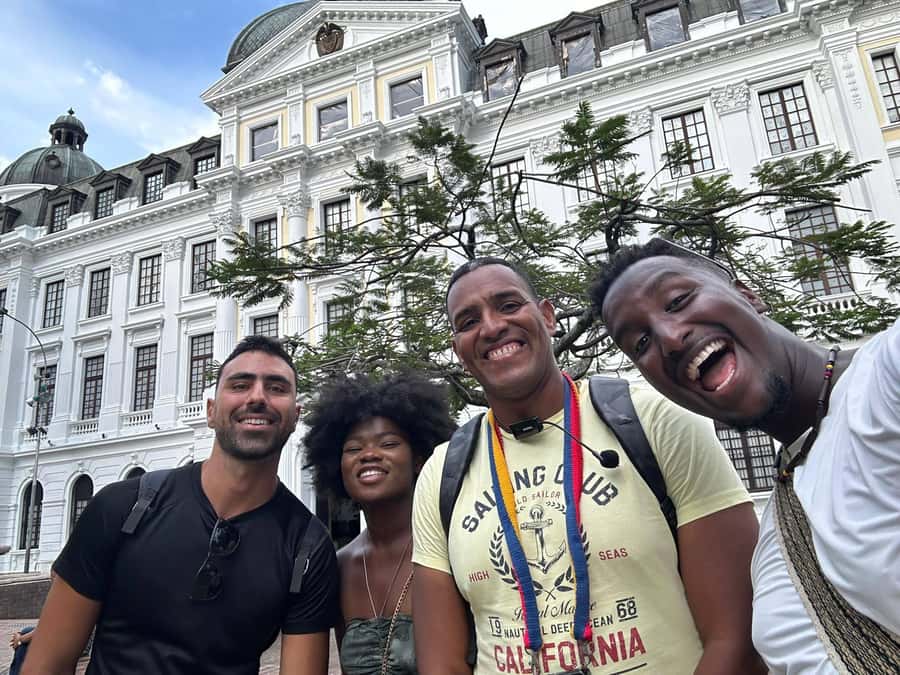
Cali is often sold through salsa. That is fair, but incomplete. The city’s music, dance, cooking, street life, and social identity are also tied to its large Afro-descendant population and to the long movement of African culture through Colombia.
This tour gives you a way to connect those pieces. You learn about the arrival of African culture, the history of enslavement, emancipation, the contributions of Afro-Colombian communities, and the different experiences of Afro and Indigenous people. Those subjects can be difficult, but Andrés presents them through places and everyday examples rather than keeping the discussion in a classroom.
That matters because history can seem distant when it is reduced to dates. Here, a mural, a shop, a food stall, or a cultural program can help you see how the past still affects life in Cali. You are not simply looking at colorful walls. You are learning why certain people, symbols, and traditions appear in the city’s public spaces.
I also appreciate that the experience does not present Afro-Colombian culture as a museum piece. It includes present-day businesses, beauty products, music, dance, local food, and community services. You see culture being practiced and passed on, not just described.
More Walking Tours in Cali
- The Cali Street Food Walking Tour
★ 5.0 · 81 reviews - Cali: Walking tour of the historic center
★ 5.0 · 69 reviews - Cali: Walking tour of the historic center
★ 4.9 · 18 reviews
Meeting Andrés at the center of Cali
The meeting point is in front of a Subway sandwich restaurant. That is a plain landmark, but an easy one to identify. Bring the meeting details with you and arrive ready to walk, since the tour moves through the city rather than staying in one building.
Andrés is the main reason this outing feels different from a basic city walk. He speaks English and Spanish, and his English has been praised as clear and strong. If you speak Spanish, the bilingual format gives you a useful chance to practice listening while still having English support.
His approach is conversational. He does not simply deliver a speech and move on. He asks about your life and background, then uses that conversation to make the subject more personal. On one occasion, he had researched a participant’s home state before the tour and used that detail to begin a thoughtful exchange. That kind of preparation is unusual at this price.
You should also expect an energetic guide. Andrés is described as friendly, attentive, high-spirited, and passionate about Cali. That enthusiasm will suit you if you like discussion and participation. It may be less appealing if you want to quietly follow a guide while taking photographs.
Reading Cali through murals and public art
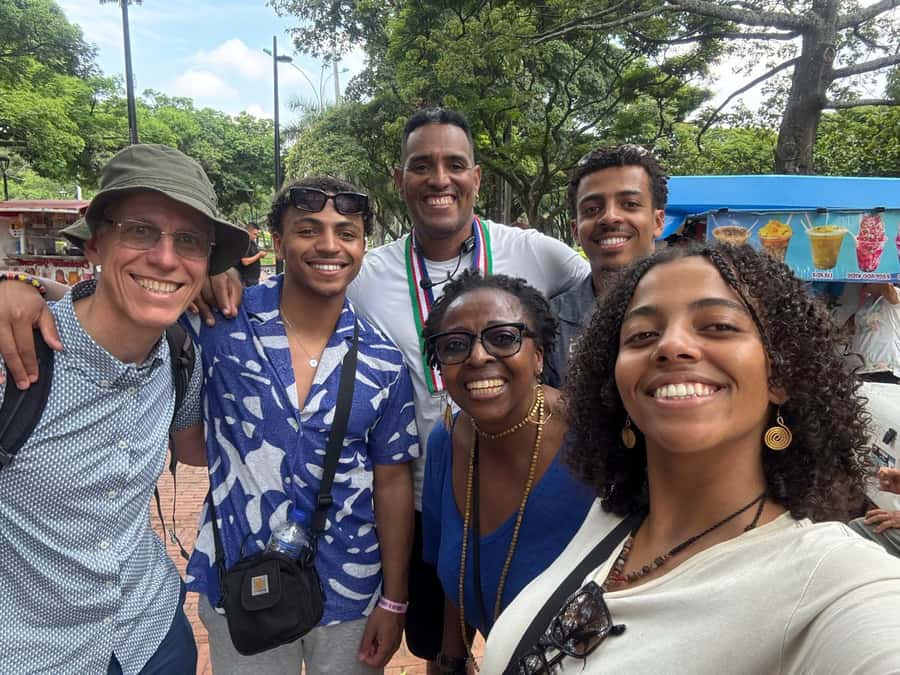
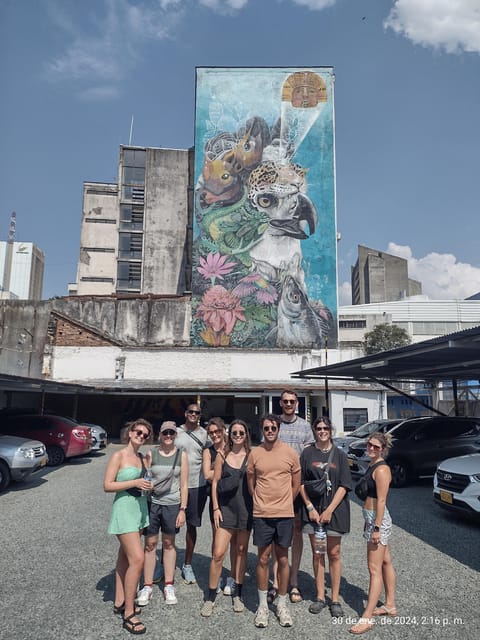
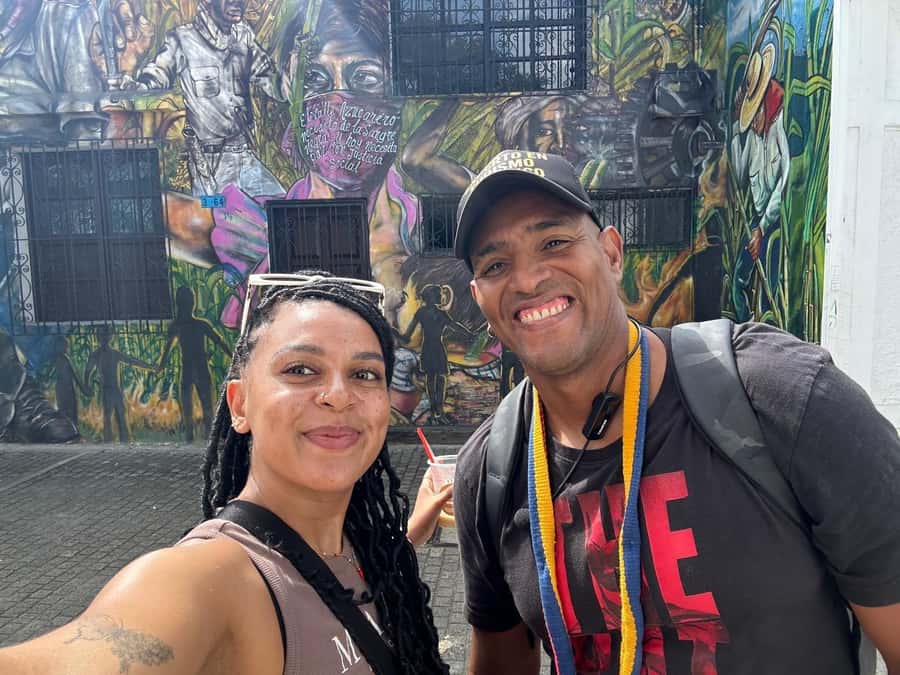
Street art is one of the strongest parts of the route. Instead of treating murals as background decoration, Andrés explains the people, ideas, and events represented in them. Several participants found that the art made more sense once they understood the stories behind it.
This is especially useful in a city where a quick walk can leave you with plenty of photographs but little context. A mural can show pride, protest, historical memory, or a vision for the future. Andrés helps you look past the surface and consider why the image belongs on that particular wall.
The art also gives the tour a visual rhythm. You move from conversation to public space, from history to color, then back to daily life. That variety helps keep a serious subject accessible. You are not standing in front of one display for an hour while your feet complain.
The drawback is that street art is part of a living city. Walls may change, streets may be busy, and the route may not feel arranged for sightseeing. Come with comfortable shoes and a flexible attitude. The point is to see Cali as it is being used, not as a perfectly staged open-air gallery.
The central streets and the everyday city
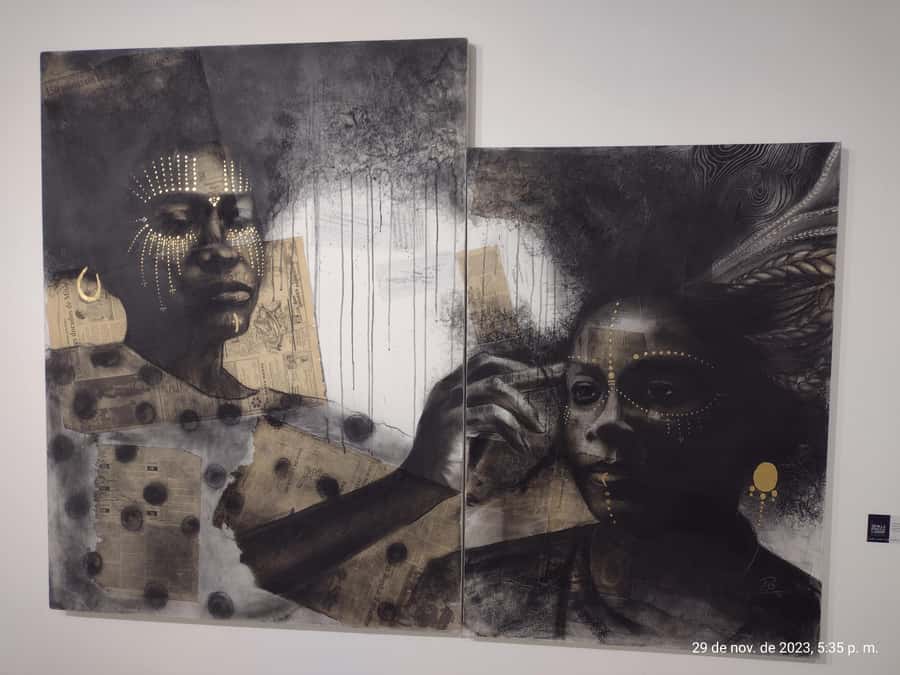
The walk includes central Cali and places that many short-term visitors might miss. You may see street vendors, people asking for money, local businesses, and ordinary residents moving through their day. The tour information is direct about this, and that honesty is helpful.
You should not treat these encounters as scenery. They are part of understanding an urban community with many social realities. Andrés encourages you to take the experience normally and respectfully. Listen, observe, and follow his guidance rather than photographing people without permission.
Several parts of the route bring you into contact with black-owned businesses and shops selling products connected to Afro-descendant customers, including hair-care items, lotions, and other personal products. This can be particularly valuable if you want practical signs of community life rather than only historical landmarks.
The walk also helps you get your bearings in Cali. Along the way, Andrés can point out things to do, places to eat, shopping options, and other activities. If you are staying in the city for several days, take notes. His recommendations may be one of the tour’s most useful extras.
More walking tours:
- Cali: Walking Tour of the 11 Neighborhoods of Commune 20
★ 5.0 · 10 reviews - Cali: Fruit Market Walking Tour with Tastings
★ 4.6 · 7 reviews - Cali: Two hours walking Cali City discovery tour
★ 5.0 · 3 reviews - Cali: Three hours walking Cali City discovery tour
★ 4.7 · 3 reviews
Three cultural institutions and the work of preservation
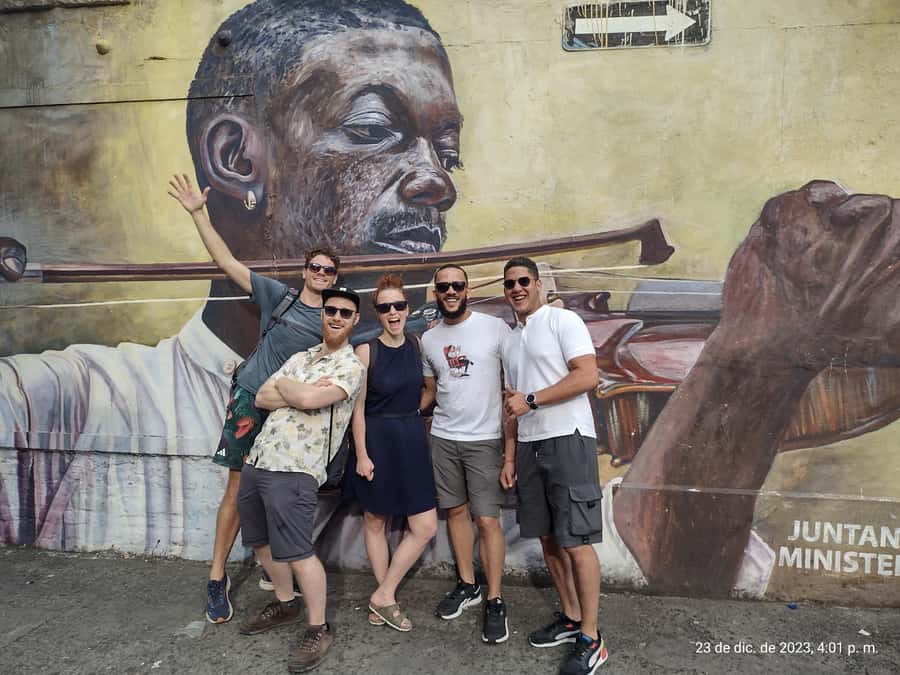
The price includes visits to three institutions of cultural interest. The available details identify a cultural center among the stops, with programs offering music, skills, and cultural education across generations. Other stops may vary, so you should think of this as a chance to encounter local cultural organizations rather than a fixed museum circuit.
These visits add substance to the walk. A cultural center can show how communities protect and develop traditions through teaching, performance, and practical support. You see that music and dance are not only entertainment. They can also be tools for education, belonging, and connection between age groups.
One participant with a professional interest in mental health also valued learning about community resources addressing social issues. That detail suggests the tour may touch on more than art and food. It can introduce you to some of the institutions and people working within Cali’s communities.
Do not expect a large formal museum with extensive display labels at every stop. The strength here is local contact and explanation. If you prefer major collections and conventional exhibits, pair this walk with a separate museum visit.
Food that makes the history easier to taste
Food is included, and it is more than a snack break. You taste local Afro-Colombian food among the cultural sights, often from vendors or small businesses. The exact dish is not specified, so you should not book expecting one particular meal.
I like this format because food turns a cultural discussion into something immediate. You can ask about ingredients, preparation, family traditions, and the meeting of African, Indigenous, and Spanish influences in Colombian cooking. A bite from a local vendor can tell you something about commerce and community as well as flavor.
Some visits also include local beverages and African-inspired delicacies. One account describes trying several foods and drinks along the route, while another mentions snacks as a welcome part of the day. Treat the food portion as tastings rather than a full lunch.
Bring cash. It is specifically recommended, and small purchases from vendors or shops may not accept cards. Water is also important, especially because you will be outdoors for two and a half hours. Sunglasses, comfortable clothes, and a camera round out the practical packing list.
Salsa as history, not just nightlife
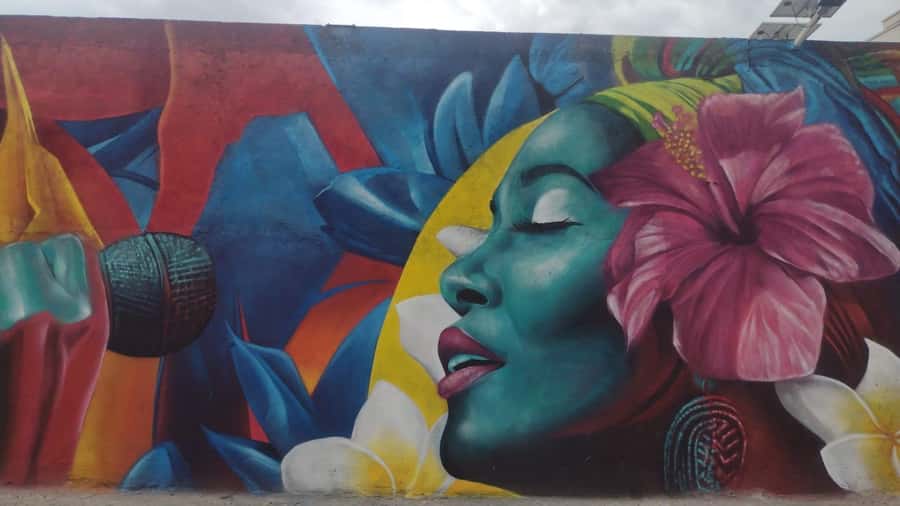
Cali calls itself the world capital of salsa, and the tour explains why that claim matters. Andrés connects the city’s rhythm to Afro-Colombian influence and to the way music and dance shape local identity.
You may receive a small salsa lesson. This is not presented as a full dance class, so do not expect a long studio session. Instead, it gives you a physical way to feel the music and understand why salsa belongs in the city’s streets, clubs, celebrations, and social life.
That small active element fits the rest of the outing. You may look at murals, discuss history, taste food, visit cultural sites, and move to music. The tour uses several senses, which makes the information easier to remember.
You do not need to be a dancer. Come willing to try, laugh at yourself, and let the guide set the pace. The activity is likely to be more enjoyable if you see it as cultural participation rather than a test of footwork.
What the $42 price really buys you
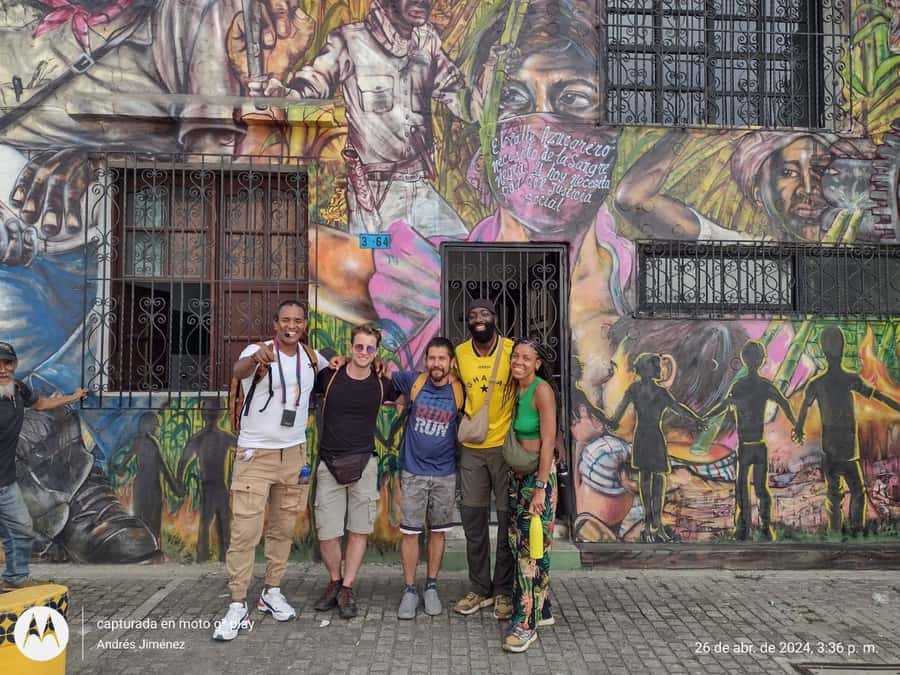
At $42 per person, this is not the cheapest way to walk around Cali. You could explore central streets independently for little money. The question is what you would learn and experience without a guide.
The fee includes 150 minutes with a certified English or Spanish guide, tastings of local food, visits to three cultural institutions, and an introduction to the Afro-Colombian forces shaping Cali. You also get help interpreting murals, recommendations for other places to go, and access to parts of the city you might not identify on your own.
That makes the price reasonable for a visitor who values context and conversation. It is particularly good value early in your stay, when Andrés’s advice can shape the rest of your time in Cali. If you already know the city well or mainly want a relaxed photo walk, the cost may feel less worthwhile.
The tour’s value also depends on your participation. You get more from it if you ask questions, share your perspective, and stay open to topics such as race, enslavement, social inequality, identity, and cultural preservation. This is not a passive sightseeing product.
Free cancellation up to 24 hours before the start and the reserve-now, pay-later option make the booking less risky. Still, check the available starting time because the 150-minute duration does not specify one universal departure hour.
Who should book, and who should think twice
I would recommend this tour to you if you want:
- Afro-Colombian and Indigenous history connected to present-day Cali
- Street art explained in its social and cultural setting
- Local food and small businesses rather than only famous attractions
- A guide who speaks clear English and welcomes conversation
- A first look at salsa as part of the city’s identity
- An outing that feels personal and active
It suits solo visitors, couples, friends, and adults interested in culture, history, food, music, or community life. It can also help if you are considering a longer stay or even a move to Colombia, since the walk offers a grounded introduction to how the city works.
The tour is not suitable for children under 10. It is also listed as unsuitable for people with hearing impairments, despite being wheelchair accessible. That combination suggests you should contact the provider before booking if you have specific mobility or communication needs.
You should also reconsider if you dislike walking in central urban areas, eating from local vendors, or discussing difficult subjects. The route includes real city life, not a filtered version of Cali. That is its strength, but it requires respect and awareness.
Final verdict: book it for the context
Book the Afro Walking Tour: The Colors of Cali if you want to understand why Cali sounds, looks, tastes, and moves the way it does. Andrés Jiménez brings together African heritage, Indigenous and Spanish influence, public art, food, music, dance, and community work in a way that gives the city more meaning.
The strongest reason to go is the guide’s personal approach. He is not only explaining facts. He is opening a conversation about identity, resilience, race, history, and daily life. The food, murals, cultural centers, and salsa add memorable detail.
I would schedule it near the start of your Cali stay, wear good walking shoes, carry water and cash, and leave room in your day for recommendations that may come afterward. If you want a polished monument tour, choose something else. If you want to meet the city through its people and traditions, this is money well spent.
FAQ
How long does the Afro Walking Tour last?
The tour lasts 150 minutes, or two and a half hours.
How much does the tour cost?
The price is $42 per person.
Where is the meeting point?
Meet in front of the Subway sandwich restaurant in Cali.
Which languages are available?
The certified guide offers the tour in English and Spanish.
What does the tour include?
It includes a walking tour about local Afro culture and Cali, tastings of local Afro-Colombian food, an introduction to Cali’s salsa tradition, and visits to three cultural institutions.
Is the tour wheelchair accessible?
Yes, the activity is listed as wheelchair accessible.
What should I bring?
Bring comfortable shoes, sunglasses, a camera, water, comfortable clothing, and cash. Alcohol and drugs are not allowed.
Just added around Cali
- Cali: Two hours walking Cali City discovery tour★ 5.0 · 3 reviews
- From Cali: Whale Watching Day Trip in Buenaventura★ 4.6 · 3 reviews
- Cali: Three hours walking Cali City discovery tour★ 4.7 · 3 reviews
- Cali: Comuna 20 Siloé Street Art Tour★ 5.0 · 4 reviews
- Craft Beer Pub Crawl in Cali★ 5.0 · 4 reviews
- Cali: Pico de Loro Trekking Adventure – Farallones de Cali★ 5.0 · 4 reviews
- Private Tour on a 1100cc Cruiser Motorcycle★ 5.0 · 4 reviews
- Flavors of Cali: Food tour at the local market★ 5.0 · 5 reviews
Walking Tours, compared.
Historic Center and Getsemaní Shared Walking Tour
Read our review →

A Pearl In The Caribbean-walking tour in English
Read our review →
Browse the lists this tour appears in